


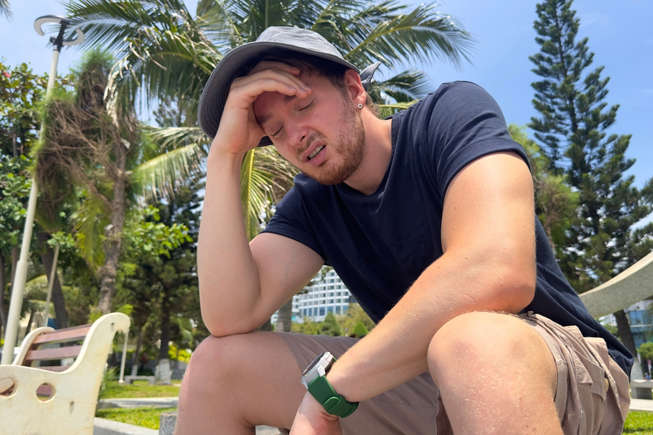
This quick guide explains early signs of a stroke that can appear weeks before. It covers different types of strokes, why symptoms start subtly, and which ones need quick action.
Watch for headaches, vision changes, or numbness on one side. Also, look out for mild speech trouble, dizziness, memory lapses, mood shifts, and unusual fatigue.
These signs come from reduced blood flow and oxygen to the brain. Quick action allows for tests to find risks and guide treatment.
Knowing which signs matter helps protect life and reduce future strokes risk. This intro explains how to describe mild symptoms clearly when seeking care.
?si=SDPSGnP9tBS5xeAT">?si=SDPSGnP9tBS5xeAT
Key Takeaways
- Early signs can appear weeks ahead and may feel mild or brief.
- Common clues: new severe headache, vision shifts, one-side weakness, speech trouble.
- Reduced blood and oxygen to the brain often cause these symptoms.
- Prompt testing and treatment lower future risk and protect life quality.
- Tell a clinician clearly about patterns, even if episodes end quickly.
Why early stroke warning signs matter right now
Spotting subtle changes days or weeks ahead can shorten time to care. Early recognition often gives clinicians a window for tests and treatments that improve recovery and reduce long-term disability.
Key facts: A 2020 study of 550 adults found sentinel headaches—severe or unlike usual—preceded an ischemic stroke within seven days in 15% of cases. These headaches were more common in people with atrial fibrillation. Only 38% of U.S. adults know all major stroke symptoms, yet arriving at the ER within three hours improves outcomes.
Don't assume mild episodes are stress or aging. Downplaying warning signs delays medical attention and raises risk for worse results.
| Symptom | Likely meaning | Action |
| New severe headache | Possible sentinel event from reduced blood flow | Document timing; seek rapid assessment |
| Intermittent weakness or numbness | Focal brain irritation or blocked vessel | Note pattern; request stroke-focused evaluation |
| Brief speech or vision changes | Transient ischemia with high short-term risk | Go to ER; faster care improves outcomes |
- Early warning signs give precious time to act and lower chances of major damage.
- Track episodes of headaches, dizziness, or language trouble so clinicians can connect symptoms to causes.
Subtle stroke warning signs to watch for weeks in advance
Small, repeating neurological changes may come days or weeks before a major event. Note any pattern of new symptoms and share dates and duration with a clinician.
Unusual, severe “sentinel” headaches
New or different headaches that resist usual meds can be an early red flag. Document timing and severity.
Intermittent numbness or weakness on one side
Numbness or weakness in the face, arm, or leg on one side—even if brief—signals focal dysfunction in the brain.
Sudden vision changes
Blurred vision, double vision, or sudden loss of sight are key symptoms that repeat in some patients.
Trouble speaking or understanding words
Slowed speech, slurred words, or brief trouble finding words often point to language-center involvement.
- Dizziness, vertigo, or balance problems and unexplained falls may show coordination loss.
- Short-term memory lapses, confusion, mood shifts, or persistent fatigue often cluster with other signs.
"Even fleeting episodes deserve documentation and urgent review."
Keep a simple log of episodes. Patterns strengthen the case for prompt testing and care.
Your Body Warns You a Month Before a Stroke - Here’s What to Watch for
Short-lived vision, speech, or balance blips may show that circulation to certain brain zones is failing intermittently. These early warning signs often map to specific areas: the visual cortex, language centers, cerebellum, or motor pathways.
Why these signs point to reduced blood flow in parts of the brain
Each symptom generally links to one part of the brain. Vision changes point to the visual cortex. Speech trouble signals language centers. Balance slips suggest cerebellar issues.
Patterns survivors commonly miss or misread as stress or aging
Reduced blood flow can wax and wane, so symptoms may fade and return. That makes it easy to dismiss episodes as fatigue or stress.
- Clustered episodes—brief language mix-ups plus balance slips—raise the alarm more than a single event.
- One-sided weakness or tingling suggests motor pathway involvement and narrows where the problem sits.
- Repeat episodes should prompt documentation; patterns help clinicians target tests quickly.
| Symptom | Likely brain area | Typical pattern |
| Vision blurring or double vision | Visual cortex | Brief, recurring; may affect one field |
| Slurred speech or word finding trouble | Language centers (left hemisphere) | Intermittent; worsens with activity |
| Coordination loss or vertigo | Cerebellum or brainstem | Short episodes; falls or imbalance |
"Even small, recurrent signs deserve note and prompt review."
Mini-stroke alert: understanding transient ischemic attack (TIA)
Brief interruptions in brain blood flow often feel like a stroke but stop quickly and demand action. A transient ischemic attack is a short-lived interruption of blood supply that usually clears within minutes and almost always by 24 hours.
Common signs mirror stroke symptoms: sudden one-side weakness or numbness, trouble speaking or understanding, vision loss in one eye, dizziness, balance trouble, confusion, or headache.
Common TIA symptoms that mimic stroke but resolve quickly
Symptoms often appear suddenly and vanish. That fast recovery is why many people ignore the event.
| Symptom | Typical pattern | Immediate action |
| One-sided weakness or numbness | Brief, may recur | Note side and duration; seek medical attention |
| Speech trouble or confusion | Minutes to an hour | Record when it started; urgent evaluation needed |
| Vision loss in one eye or balance issues | Transient, sometimes fleeting | Describe symptom and triggers to clinicians |
Why a TIA demands immediate medical attention despite short duration
TIAs are a strong sign of future stroke risk. NINDS data show that about one in three people with a TIA will have a major stroke within a year.
"Timely evaluation and treatment after a transient ischemic event can prevent most imminent strokes."
- Treatment such as antiplatelets or anticoagulants plus risk control cuts near-term risk.
- Fast medical attention allows tests to find cause and reduce long-term risk.
- Document what happened, which side was affected, and how long it lasted; these details help clinicians act fast.
Who’s most at risk: medical, lifestyle, and demographic factors
?si=SDPSGnP9tBS5xeAT">?si=SDPSGnP9tBS5xeATSome medical conditions and habits increase stroke risk over time. Knowing common risk factors helps act early and prevent.
Medical conditions that raise risk
High blood pressure is the leading controllable cause of stroke. It damages vessels and raises pressure on the brain.
Diabetes roughly doubles stroke risk. High LDL cholesterol, atrial fibrillation (AFib), and other heart disease also increase chances.
Lifestyle drivers
Smoking, sedentary habits, excess alcohol, poor diet, and obesity speed atherosclerosis and raise overall risk.
- Weight control and regular activity cut pressure and metabolic strain.
- Quitting smoking and moderating alcohol lower clot and vessel damage risk.
Age, family history, and group differences
Age and family history set baseline risk. Men face higher early-life risk; about 1 in 6 men will have a stroke. Many men also have high blood pressure, smoke, or are overweight.
In the United States, African American, American Indian, Alaska Native, and Hispanic adults carry higher stroke rates than White adults of the same age.
"Track numbers like blood pressure, LDL, and A1C; they pinpoint which changes give the biggest payoff."
- Medical risk factors stack: high blood pressure, diabetes, high LDL, AFib, and heart disease.
- Lifestyle factors compound risk: smoking, low activity, heavy drinking, and poor diet.
- AFib deserves special attention: it forms clots that can travel to the brain and cause ischemic events.
What to do if you notice early warning signs
When early signs appear, quick steps can cut risk and speed diagnosis. Seek prompt medical attention and ask for a stroke-focused evaluation. Brief, clear notes about timing and symptom patterns help clinicians decide which tests to run.
Seek prompt evaluation and request focused testing
Do not delay. Same-day or urgent visits are appropriate when episodes repeat or worsen. Share a simple timeline of trouble, including which side was affected.
Key diagnostics
- MRI or CT of the brain to spot recent events.
- Carotid ultrasound to check for plaque or narrowing that limits flow.
- ECG or echocardiogram to find AFib or structural heart problems.
- Blood tests for cholesterol, clotting markers, and inflammation.
Evidence-based treatment and safety
Treatment often combines antiplatelet or anticoagulant therapy with blood pressure and cholesterol control and glucose management. Ask about short-term safety steps at home, especially if coordination is poor. Prioritize time to care: fast action improves outcomes and lowers future stroke risk.
"Prompt evaluation and targeted treatment can prevent many urgent events."
Preventing a stroke: daily steps that lower risk
Small, steady lifestyle changes cut long-term stroke risk and boost everyday health. Focus on measurable targets and repeatable habits that protect blood vessels and preserve life quality.
Keep blood pressure in range and know cholesterol and A1C
Aim for clear numbers: target blood pressure, LDL, and A1C per clinician advice. Regular checks and timely medication adjustments reduce near-term risk.
Heart-healthy eating, regular activity, quitting smoking, and moderating alcohol
Build daily routines: fill plates with vegetables, fruit, whole grains, and lean protein. Move at least 30 minutes most days to help pressure, glucose, and mood.
- Quit smoking with support and medicines when needed.
- Limit alcohol and prioritize sleep; both affect blood pressure and brain health.
Weight management and stress reduction to protect brain health
Small weight losses and stress tools—yoga, meditation, counseling—lower metabolic strain and improve resilience. Create an environment that supports healthy choices.
"Take treatment as prescribed and keep follow-up appointments; consistent care prevents many urgent events."
- Track numbers, set reminders for meds, and enlist a friend for activity.
- Document any new trouble or sign and report it during visits.
Recognize an active stroke: FAST, timing, and emergency response
When sudden neurologic trouble starts, every minute matters for chance of recovery. Use the FAST rule to spot classic warning signs quickly and get emergency help.
Face drooping, arms that weaken, and slurred speaking mean it is time to call 911. Note the exact time symptoms began; many lifesaving treatments depend on that time window.
Face drooping, arm weakness, and speech trouble — call 911
Check the side of the face for droop and test if one arm drifts down. Ask a simple question; if speaking is garbled, treat it as an emergency. These signs stroke often show sudden one side weakness or numbness.
Why fast treatment within hours reduces long-term damage
Treatment within three hours of onset improves outcomes. Early care can restore blood flow and limit brain damage. Paramedics can alert the hospital so the stroke team is ready on arrival.
- Classic stroke symptoms include sudden one-side weakness, confusion, trouble seeing, and speech trouble.
- Trouble walking, dizziness, loss of coordination, or severe headache are red flags—do not drive; call emergency services.
- Even if symptoms ease, the window for hospital treatment is limited; go now.
- Keep emergency numbers visible and teach FAST steps to family members to speed response.
"Fast action protects brain tissue and improves the odds of better recovery."
Conclusion
Noting repeated brief vision, balance, speech, or one-sided weakness episodes gives clinicians helpful clues that risk may be rising. Timely recognition of these warning signs enables earlier testing and prevention.
Treat transient ischemic attack as urgent. About one in three people with that event face a major stroke without prompt care. Fast medical attention and focused evaluation cut odds of severe outcomes.
Manage blood pressure, cholesterol, and glucose with a care team. Learn core stroke warning steps and share FAST with family. Early action saves brain tissue and lowers long-term risk.

555
4k2OQxvq