


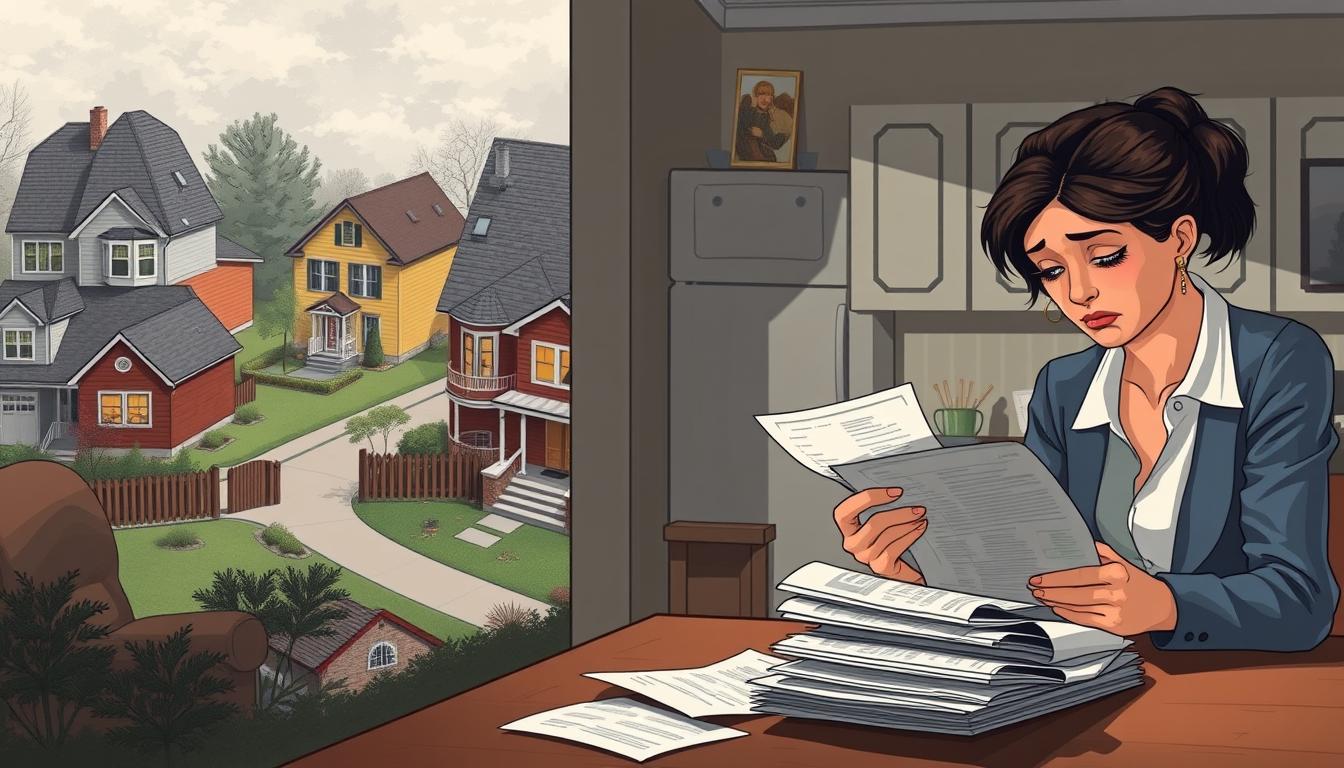
Buying a house often feels like a single big price, but your monthly mortgage rarely tells the whole story.
Zillow found that the average owner pays about $1,180 a month in additional charges — just over $14,000 a year. These figures include property tax, HOA dues, insurance, utilities, and routine maintenance. Large, irregular repairs also shape long-term budgets. Roofs, HVAC systems, electrical updates, and older plumbing can create hefty bills that arrive after years of steady payments.
You should also watch policy exclusions. Standard homeowners insurance may not cover floods, quakes, or hurricanes, so extra policies can add to annual premiums. By thinking beyond list price and monthly payment, you can compare value more fairly and plan savings for emergencies and upkeep.
Key Takeaways
- Expect recurring charges beyond the mortgage, like taxes, insurance, utilities, and HOA fees.
- Zillow’s estimate (~$1,180/month) helps you budget beyond the monthly payment.
- Plan for big repairs: roof, HVAC, electrical, and plumbing often require major funds.
- Standard insurance can exclude floods or quakes; consider separate policies when needed.
- Use total ownership cost, not just price, to compare properties and protect your investment.
The hidden costs you don’t see in the monthly mortgage
Monthly mortgage figures only show one piece of your real monthly budget.
PITI—principal, interest, taxes, and insurance—defines the payment lenders use to qualify you. Yet many regular bills fall outside that line item.
Why your budget should go beyond principal and interest
Think of PITI as the lender’s view, not your full picture. Property tax, HOA dues, and rising insurance can push your cash needs well above the payment listed on closing paperwork.
Utilities average about $400 a month. Zillow pegs additional monthly charges near $1,180, driven by routine maintenance, occasional repairs, and service bills.
Zillow’s estimate: ~$1,180 in hidden monthly costs on average
The $1,180 figure translates into a working line item you should add to mortgage payments when you calculate affordability.
"Plan for recurring and surprise expenses the same way you plan for the mortgage — as fixed entries in your monthly budget."
| Item | Typical Monthly | Annual Estimate | Notes |
| Utilities | $400 | $4,800 | Varies by climate and size |
| Routine maintenance | $533 | $6,400 | Essential projects average per Zillow |
| Insurance & taxes | $247 | $2,960 | Subject to local rates and policy add-ons |
| Total (est.) | $1,180 | $14,160 | Use as a planning baseline |
Property taxes: a perpetual expense that can rise over time
Property tax bills are a steady line item that can quietly grow over time. You pay them based on assessed value, not your mortgage balance, and local budgets drive the final amount.
Nationwide context and how rates vary
The effective average property taxes nationwide were about 0.91% of assessed value in 2022. Rates swing widely—roughly 0.25% in Hawaii versus nearly 2.1% in New Jersey—so location changes your annual bill dramatically.
Escrows, prepayments, and forecasting
Lenders often collect monthly into an escrow account to cover future taxes. You may prepay several months at closing.
- Estimate annual tax by multiplying local millage or rate by assessed value.
- Expect reassessments and budget shifts to raise future taxes.
- Consider appeals if your assessed value seems too high.
| Item | Note |
| National average | ~0.91% of assessed value (2022) |
| Low / High | ~0.25% (HI) — ~2.1% (NJ) |
| Cash flow tip | Budget for the first-year prepayment at closing |
Homeowners insurance and add-ons you might actually need
Knowing what standard policies leave out is as important as the premium itself. Average homeowners insurance premiums run about $2,400 per year and usually rise with market and weather risk.
What standard policies cover — and what they don’t
Most policies protect structure, liability, and some personal property. They typically exclude floods, hurricanes, and earthquakes. That gap can expose you to severe damage and big out-of-pocket bills.
Flood insurance and pricing
Separate flood policies averaged about $818/year as of December 2024. Prices vary with coastal proximity and flood-plain risk.
Deductibles, limits, and lender requirements
Lenders require insurance and often collect premiums via escrow. Higher deductibles lower premiums but raise your claim-time expense. Adjust coverage limits to match rebuild estimates and add endorsements for valuables or structures.
"Review your policy yearly to match rebuild costs, renovations, and local risk."
- Check personal property and liability limits for adequate protection.
- Compare flood and catastrophe endorsements if you live near coastlines.
- Use the true cost of home insurance guide to review gaps and premiums.
HOA and condo fees: monthly dues and special assessments
More than half of property owners live where an association collects monthly dues to fund shared upkeep. About 56% of owners pay HOA dues, and roughly half of those report paying at least $300 per month.
What dues cover: monthly services, amenities like pools and landscaping, building insurance, and reserves for major repairs. The scope of coverage explains why fees vary so much between communities.
Special assessments and governing rules
HOAs can levy special assessments for big projects such as roof replacements, parking lot repaving, or security upgrades. These one-time bills often arise when reserve funds fall short.
| Charge type | Typical trigger | Effect on your budget |
| Monthly dues | Routine services & amenities | Regular addition to mortgage and bills |
| Reserve funding | Long-term repair planning | Stabilizes future assessments |
| Special assessment | Unexpected big-ticket projects | Can be large and immediate |
- Review the CC&Rs and bylaws to learn restrictions and fee rules.
- Ask for the reserve study and recent meeting minutes to spot upcoming assessments.
- Factor HOA bills into your monthly housing calculations to avoid surprises.
Understanding PITI and how lenders size your payments
When you apply for a loan, the lender first measures PITI to judge what monthly payment you can handle. PITI stands for principal, interest, taxes, and insurance. Lenders typically target PITI at ≤31% of your gross monthly income.
This rule frames underwriting but it is not the full picture. PITI drives qualification, yet it leaves out HOA dues, utilities, routine maintenance, and large repairs that affect your real budget.
What matters beyond the lender’s ratio
Your credit, income stability, and the loan type influence the interest rate and final payment. If you rely only on qualifying numbers, you risk payment myopia.
| Focus | What it includes | Why it matters |
| PITI target | Principal, interest, taxes, insurance | Used to approve a mortgage and set payment |
| Owner budget | HOA, utilities, maintenance, repairs | Affects cash flow beyond escrowed items |
| Stress test | Rate changes, tax/insurance hikes | Shows whether you keep a healthy savings buffer |
"Don’t buy to the max—buy to protect your savings and future flexibility."
Maintenance and repairs you’ll eventually face
Small, regular tasks keep systems running and stop one breakdown from becoming a crisis. Plan now so you avoid a headline repair that wipes out savings.
Budget benchmarks and an emergency reserve
Experts recommend budgeting 1%–4% of your property value annually for routine upkeep and adding a 1%–3% emergency fund for sudden failures.
Zillow data shows routine essential projects average about $6,400 per year, while unexpected repairs (HVAC compressors, water heaters) can cost thousands.
Routine tasks vs. unpredictable breakdowns
Routine maintenance includes filter changes, gutter cleaning, sealing, and paint touch-ups. These tasks prevent larger failures and extend lifespans.
Unpredictable repairs often relate to age, size, climate, or deferred upkeep and demand immediate action and cash.
| Type | Typical plan | Why it matters |
| Routine | Monthly/seasonal checklist | Reduces long-term repair risk |
| Unexpected | Emergency fund (1%–3%) | Covers big-ticket fixes without debt |
| Tracking | Annual tally | Improves next year’s budget |
"Set aside funds before you need them — it keeps projects planned, not panicked."
Big-ticket systems: roof, HVAC, electrical, and plumbing
The longevity of big-ticket systems sets the timeline for major repairs and replacement spending. When you track life expectancy, you can plan and protect savings.
Roof lifespans and leak damage risks
Asphalt shingle roofs typically last 15–30 years. Small leaks can cause interior and structural damage and create mold issues if left alone.
Schedule regular inspections to spot worn flashing or missing shingles before repairs escalate.
Annual HVAC inspections and filter changes
Have HVAC systems inspected at least once a year. Replace filters regularly to keep efficiency high and avoid emergency breakdowns.
Many providers offer service plans that lower repair fees and prioritize you for emergency calls.
Electrical safety and licensed pros
Faulty wiring can start fires. Use licensed electricians for upgrades, code compliance, and permits. Insurance may require professional work for claims.
Older piping, water pressure issues, and lead risks
Galvanized pipes clog with mineral deposits and cut water flow; full replacement is often the only fix. Lead can appear in older service lines or fixtures—test and remediate with certified services.
- Estimate remaining life by age, materials, and climate.
- Prioritize inspections and track replacement dates on a simple calendar.
- For budgeting guidance, see budgeting for a new home.
| System | Typical life | Action |
| Roof | 15–30 years | Annual checks; replace near end of life |
| HVAC | 10–20 years | Yearly inspection and filter changes |
| Plumbing & Electrical | Varies by material | Test for lead; hire licensed pros |
"Plan system replacements over a decade to avoid surprises and keep your emergency fund intact."
Pests and mold: silent problems with costly fixes
Small infestations or hidden damp spots can grow fast and hit your budget hard. Taking a few preventive steps cuts risk, preserves structural integrity, and reduces health exposure for your family.
Termites exploit tiny cracks and wood-to-ground contact. Remove wood piles, keep siding and decking off soil, and direct water away from foundations with proper grading and gutters.
Termite prevention and structural risk
Schedule a professional inspection at least once a year and after major storms. Early detection limits damage and lowers repair bills compared with full structural replacement.
- Eliminate wood-to-ground contact and trim landscaping away from exterior walls.
- Manage drainage so water flows away from your foundation.
- Ask inspectors about treatment options and warranties.
Mold: moisture control and HVAC contamination
Mold thrives where humidity or persistent leaks exist. It can spread through ducts and trigger allergic reactions or asthma.
Prevent mold by fixing leaks promptly, using dehumidifiers in damp basements, keeping attic vents clear, and scheduling HVAC checks after any water event.
| Issue | Action | Why it matters |
| Persistent damp | Dehumidify and repair leaks | Stops mold growth and lowers remediation needs |
| HVAC contamination | Inspect and clean ducts | Prevents spore spread and health impacts |
| Termite damage | Professional treatment and repairs | Protects structure and resale value |
"Early inspection and moisture control save you from larger repairs and health risks."
You should know what insurance will cover. Many policies limit mold and pest claims—read exclusions and consider endorsements if needed.
For more on mold’s effect on structure, see how mold affects your home's structural. Schedule inspections after heavy storms, plumbing failures, or when you notice unexplained humidity or musty odors.
Landscaping and lawn care beyond curb appeal
Neglected trees and clogged gutters create repair triggers that go far beyond simple cosmetic issues. Overgrown branches can nick roofs and windows. Leaves can block gutters and hamper drainage, which harms outdoor HVAC units and foundation grading.
DIY lawn work saves money but demands time and equipment. Buying mowers, trimmers, and a leaf blower adds upfront expense. Hiring pro service reduces labor but brings recurring fees and seasonal scheduling.
Trim trees, aerate lawns, and tune irrigation to cut long-term repair bills and water waste. Regular leaf removal and gutter cleaning prevent water backups that lead to rot and pest problems.
- Compare one-time projects (tree removal, grading) versus annual services to estimate your home budget.
- Follow a seasonal checklist: spring aeration, summer irrigation checks, fall leaf and gutter clearing, winter pruning.
- Check HOA rules to avoid violations or added fees for noncompliance.
| Item | Why it matters | Typical action |
| Tree trimming | Protects roof and windows | Every 2–5 years |
| Irrigation tuning | Reduces water waste | Seasonal checks |
| Gutter cleaning | Prevents drainage backups | Twice yearly |
"Prioritize low-maintenance plantings and hardscaping to keep curb appeal high and ongoing service needs low."
Utilities and services that scale with your space
Utility bills rise and fall with your living space, equipment age, and the local climate.
Average monthly utility spending for Americans is about $400, but the exact amount depends on square footage, insulation, HVAC efficiency, and local rates.
Typical bills and seasonal swings
Expect separate payments for electricity, gas, water/sewer, internet, and sometimes trash. Summer cooling and winter heating create clear seasonal swings.
Activation fees, deposits, and first-month planning
Activation fees or deposits can bump your first-month bill. Budget for one-time charges so your initial payments don't strain savings.
- Reduce use: insulation, smart thermostats, and efficient HVAC lower year-round consumption.
- Benchmark: compare local averages per square foot before you move in.
- Negotiate: bundle internet or ask for promotional rates when switching providers.
"Small efficiency upgrades often cut monthly utility outlays more than their upfront price suggests."
| Service | Typical monthly | Why it varies |
| Electricity | $100–$200 | Climate, appliances, HVAC |
| Gas | $20–$100 | Heating fuel type and season |
| Water/sewer & trash | $30–$80 | Household size and local rates |
| Internet | $40–$100 | Speed tier and provider |
Appliance replacement and lifecycle planning
Nearly half of new owners replace a major appliance soon after moving in. That reality makes planning essential for your budget and peace of mind.
Start by noting typical lifespans: refrigerators (10–15 years), ovens (10–20 years), dishwashers (8–12 years), washers/dryers (8–12 years), and water heaters (8–15 years). Use inspections to flag aging units so you can negotiate credits or schedule replacement before an emergency.
- Prioritize safety and efficiency when deciding what to replace first.
- Negotiate closing credits or price adjustments if inspections show imminent failures.
- Choose high-efficiency models to cut utility use and increase resale value over time.
Build a lifecycle calendar that aligns replacements with warranty windows and seasonal sales. Track disposal options, available rebates, and extended-warranty choices to lower your net cost.
"Plan replacements, not surprises — it protects savings and raises long-term value."
| Appliance | Typical life (yrs) | Replacement tip |
| Refrigerator | 10–15 | Replace if cooling declines; look for energy rebates |
| HVAC / Furnace | 10–20 | Service annually; plan major work before peak seasons |
| Washer & Dryer | 8–12 | Replace with efficient models to lower utility bills |
For detailed lifespan charts to guide negotiations and planning, review appliance lifespans and timing. Use that data to schedule upgrades that protect your home and your budget.
Home renovations: want-to-do vs. need-to-do projects
Renovations range from quick cosmetic updates to structural overhauls that reshape your budget and timeline. You should sort projects into safety or system fixes first, then aesthetic upgrades.
Typical price bands and what drives them
Projects vary widely: small updates cost a few thousand dollars, mid-range remodels fall in the $10k–$50k band, and large overhauls often exceed $50,000. Average full projects can run about $52,000.
How to prioritize and plan
- Need-to-do: structural repairs, water intrusion, electrical or plumbing safety — address these first to avoid bigger bills later.
- Want-to-do: finishes, layout tweaks, and cosmetic upgrades — schedule after essential systems are secure.
Financing, sequencing, and contractor tips
Weigh cash, a personal loan, or a home equity product for larger projects and compare total interest and fees. Sequence work to avoid rework and include a 10%–20% contingency for surprises behind walls.
| Item | Typical range | Time |
| Minor updates | $2k–$10k | Weeks |
| Major remodel | $20k–$75k+ | Months |
| System replacements | $5k–$30k | Weeks–Months |
"Get three bids, verify licenses, and define scope to limit change orders."
Hidden costs of home ownership before you get the keys
Your cash-to-close often exceeds the down payment. Lenders and sellers will expect several one-time items. Map them early so you can lock funds and avoid scrambling at closing.
Typical transactional fees and prepaids
Buyers usually pay closing charges equal to about 2%–5% of the purchase price. That averages near $7,000 but changes with loan type and local taxes.
Prepaid items can include initial property tax and insurance escrows, plus per-diem interest that appears on your closing disclosure.
Inspection, appraisal, earnest money, and PMI
A professional home inspection runs roughly $300–$500. Lender appraisals average about $400.
You’ll normally deposit earnest money (1%–2% of price) into escrow. If your down payment is under 20%, expect private mortgage insurance (PMI) to affect your monthly mortgage payments until you reach the required equity.
Moving, setup, and HOA transfer items
Local moving often costs $800–$1,500; long-distance moves can be much higher. Budget for furniture, décor, and utility activation deposits ($50–$200 per provider).
Some associations charge HOA transfer or setup fees; confirm those with the seller and the association early.
"Ask for seller credits to cover repairs or to offset closing charges if the inspection reveals issues."
Pre-closing checklist:
- Confirm final closing figure and source of funds.
- Lock in homeowner insurance and deliver the binder to the lender.
- Verify earnest money, appraisal, and inspection receipts.
- Schedule utility turn-ons in sequence to avoid service gaps.
| Item | Typical range / note | Why it matters |
| Closing charges | 2%–5% (~$7,000 avg) | Affects cash-to-close and affects negotiation leverage |
| Home inspection / appraisal | $300–$500 / ~$400 | Uncovers repairs and supports lender valuation |
| Down payment (2024 avg) | ~13.6%; median ~$26,000 | Drives PMI and loan options |
| Moving & setup | $800–$1,500 local; utility deposits $50–$200 | Often overlooked initial cash needs |
Conclusion
A strong budget treats routine upkeep, taxes, and insurance as fixed line items alongside your mortgage.
Expect average hidden costs near $1,180 per month when you add property taxes, homeowners insurance, utilities, HOA fees, and routine maintenance to the monthly mortgage. Plan 1%–4% of value for upkeep and 1%–3% for emergencies to cover repairs and system replacements like roof and HVAC.
Before closing, confirm cash-to-close, the insurance binder, inspection findings, and any association transfer fees. Use PITI to qualify, but size your real budget to stay secure when taxes, premiums, or unexpected repairs rise.
Revisit your plan yearly to keep coverage, reserves, and timelines aligned with local tax rates and aging systems.

1
1