
How To Understand The New UK's Credit Score Changes and Models

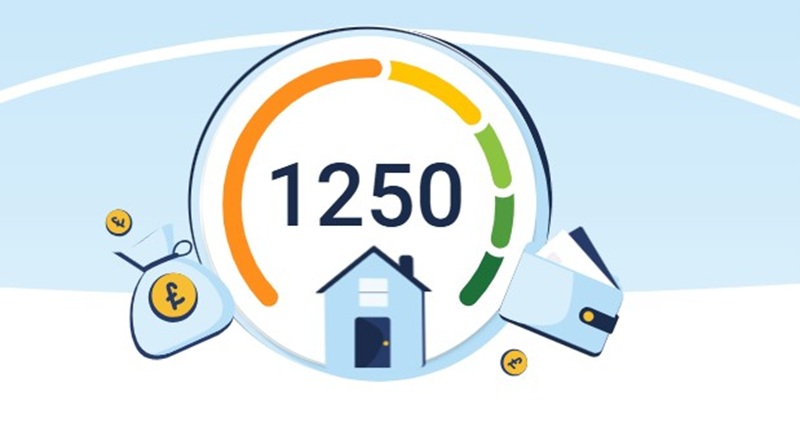
Experian has launched a major update to how your financial health is measured. This overhaul is designed to give you a much clearer view of your borrowing power. The traditional scale has been replaced. It now ranges from 0 to 1250, offering a more detailed look at your financial habits. This shift provides a finer breakdown of your behavior. Financial institutions are now considering different information. They look at things like rental payment history and how you manage your bank account. This evolution reflects how lending decisions are made today. This isn't just a simple number change. It represents a fundamental shift in the evaluation process for loans and cards. The goal is to create a more transparent and inclusive system for everyone. The rollout started in November 2025. All users will have access to their updated assessment by the end of that year. These adjustments are meant to benefit you by offering a more accurate picture.
Key Takeaways
- Experian has introduced a significant update to its financial assessment system.
- The scale has expanded from 0-999 to a new 0-1250 range for greater detail.
- Lenders now use additional data points, like rental payments, in their decisions.
- This update reflects a fundamental change in how borrowing potential is evaluated.
- The new system aims to be more transparent and inclusive for consumers.
- The rollout began in late 2025 and will be complete by the year's end.
- These changes are designed to give you a clearer understanding of your financial standing.
Understanding the New Credit Score Framework
Evaluating financial health now follows a completely different structure with Experian's redesigned assessment model. This framework provides a more detailed analysis of your monetary habits.
Expanded Score Range: What It Means for You
The numerical scale has grown from 0-999 to 0-1250. This expansion offers greater precision in showing where you stand financially. Your exact number matters less than your overall band classification. Categories like Excellent or Good give you a clearer picture of your standing over time.
Incorporation of Everyday Financial Habits
The system now considers routine monetary behaviors previously overlooked. Paying rent promptly and managing utility bills consistently now positively influence your evaluation. These additions create fairer opportunities for people with limited borrowing history. Responsible money management in daily life can now build your financial profile effectively.
UK Credit‑Score Changes and New Scoring Models Overview
Recent updates to financial evaluation systems reflect a fundamental shift in how lending institutions analyze consumer behavior. This evolution addresses modern monetary management patterns that traditional frameworks overlooked.
What's Driving the Change in Credit Models
Financial institutions now examine three primary components when reviewing applications. They assess the information in your report, details from your application form, and their internal customer records. This comprehensive approach provides a complete picture of your financial habits. The system needed modernization to reflect what lenders actually value today.
"The way people manage their money has evolved, and our score has evolved too. Our new Experian Credit Score better reflects more of the everyday financial behaviours that matter."
Edu Castro, Managing Director of Experian Consumer Services
Key Data Points Lenders Now Consider
Your regular bill payments now carry significant weight in evaluations. Consistent rent and phone payments demonstrate financial responsibility that institutions value. Reducing overdraft usage shows you're living within your means. Avoiding cash advances on cards also positively impacts your assessment.
| Financial Behavior | Traditional Evaluation | Current Approach |
| Rent Payments | Often excluded | Core consideration |
| Overdraft Usage | Limited impact | Strong negative factor |
| Phone Contracts | Not evaluated | Positive contribution |
| Mortgage Overpayments | Neutral effect | Favorable indicator |
| Card Cash Advances | Minor concern | Significant red flag |
These adjustments create fairer opportunities for people with limited borrowing history. Your everyday financial decisions now directly influence lending outcomes.
Impact on Your Credit Report and Financial Standing
Modern financial assessment methodologies now provide a more comprehensive view of your monetary habits and repayment patterns. This evolution directly affects how lending institutions interpret your financial profile.
Comparing Old and New Score Scales
The transition from the traditional 0-999 range to the expanded 0-1250 scale offers greater precision. Your underlying financial information remains unchanged, but the interpretation has evolved. Band classifications now focus on positive reinforcement rather than negative labels. This shift provides a clearer perspective on your financial health.
| Classification Band | Previous Scale (0-999) | Current Scale (0-1250) |
| Excellent | 881-999 | 961-1250 |
| Very Good | 721-880 | 801-960 |
| Good | 561-720 | 641-800 |
| Fair | 451-560 | 481-640 |
| Low | 0-450 | 0-480 |
Practical Insights for Credit Improvement
Regularly reviewing your financial documentation helps identify areas for enhancement. Services that aggregate data from multiple sources offer complete visibility. Maintaining consistent payment patterns across all obligations demonstrates reliability. This approach strengthens your profile with potential lenders. Your capacity to secure financing depends on multiple factors beyond just numerical ratings. Institutions examine income stability and existing commitments during evaluation.
Expert Guidance and Tools for Adapting to New Credit Practices
To successfully adapt to modern lending practices, you need clear guidance and accessible resources. Experian has developed specialized tools that help you navigate the updated system effectively.
Utilizing the New Score Breakdown Tool
The breakdown tool reveals the key factors influencing your financial assessment. It shows what helps and what harms your rating in clear detail. You can access this resource for free through the Experian app. It provides a comprehensive view of how you perform across different areas that lenders consider. Understanding this breakdown helps identify which parts of your financial behavior need attention. Whether it's reducing card balances or building consistent payment patterns, the tool offers actionable insights.
CreditExpert provides personalized guidance tailored to your specific situation. It shows exactly what steps you can take to enhance your financial profile over time. Practical ways to improve include paying all bills promptly and keeping card utilization below 30% of available limits. Registering to vote also helps confirm your identity to financial institutions. For renters, services like Credit Ladder and Canopy enable you to add payment data to your report. Building consistent history across rent, utilities, and phone bills now contributes positively to your evaluation.
Conclusion
Your everyday money management habits now play a more meaningful role in shaping your borrowing potential. This evolution creates a more inclusive framework that recognizes diverse financial responsibility. Understanding your financial assessment is the essential first step toward confident borrowing. Whether you're considering cards or a mortgage, this knowledge empowers your decisions. The system now rewards consistent positive behavior across various areas of your financial life. Lenders benefit from more comprehensive data, leading to fairer outcomes based on your complete history. Take advantage of available tools to monitor your progress over time. These resources help you build a stronger profile for future opportunities.
0 Comments
Be the first to share your thoughts on this article.