
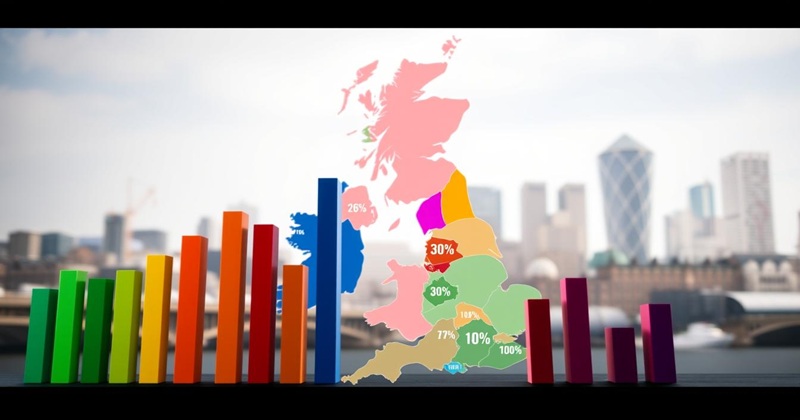
How UK's Council Tax Increases Across Regions Impacts Your Household Budget

Your household budget is about to face a significant change. Starting in April 2026, local authorities throughout England are preparing to adjust the amount you pay for local services. These adjustments are not uniform. Most local governments can raise the charge by up to 5% each year without needing a public vote. However, the rules are different for some areas. Six specific boroughs in and around London have received special permission. They can implement hikes above the standard limit for two years. This is due to shifts in how central government funding is distributed. A major £3.9 billion boost in overall funding is planned for next year. This increase assumes that all local authorities will apply the maximum allowable rise. The final impact on your bill will depend on where you live and your property's valuation band.
Key Takeaways
- Changes to your local service charges are scheduled to begin in April 2026.
- Most local authorities have the power to raise the rate by up to 5% annually.
- A few specific London boroughs can increase their rates beyond 5% for two years.
- Your final bill will be influenced by your council's financial situation and your property band.
- Central government funding is increasing, but it is being redistributed, affecting different areas uniquely.
- Understanding these changes now can help you plan your finances for the future.
Council Tax Increases Across UK Regions: What You Need to Know
Your annual payments for community amenities are scheduled for revision across various districts. These adjustments reflect different approaches local governments are taking.
Key Developments Affecting Your Area
In Rotherham, the municipal charge will rise by 3.95% starting April 2026. This includes a 1.95% base adjustment and a 2% addition for elderly care services. Band D properties will see bills increase by £73.89 yearly. Barnsley proposes a slightly lower 3.4% adjustment. This adds about £64 to annual Band D payments.
| Location | Total Adjustment | Base Change | Care Surcharge | Band D Increase |
| Rotherham | 3.95% | 1.95% | 2% | £73.89 |
| Barnsley | 3.4% | 1.4% | 2% | £64.00 |
Understanding the Proposed Changes
These modifications stay below the 5% maximum threshold. Local leaders recognize current financial pressures facing households.
"We're balancing essential service funding with awareness of budget constraints people face daily."
Final decisions occur through cabinet meetings in February 2026. Full council votes will confirm the proposals. Planning now helps you manage future expenses effectively.
Regional Spotlight: Local Authorities & Council Proposals
Two Yorkshire municipalities reveal distinct financial strategies for the coming fiscal period. These neighboring local authorities demonstrate how geographic proximity doesn't guarantee identical approaches.
Learn from Rotherham's Proposed Adjustments
Rotherham's council plans significant service investments alongside its financial adjustments. An extra £8.6 million targets adult social care needs. Another £4.8 million supports children's services. Community programs expand with 10,000 additional Healthy Holidays spots. Roadside cleaning budgets double. A pilot program halves swimming costs for seniors.
Insights from Barnsley's Approach
Barnsley's strategy emphasizes infrastructure and targeted support. The council allocates £10.3 million for highways maintenance, including pothole repairs. Specific cost-of-living aid helps pensioners and care leavers.
Financial pressures require £6.8 million from reserves. This highlights the challenging position many councils face.
Differences in Council Strategies
Both councils choose adjustments below the maximum threshold. Their priorities differ significantly based on local needs.
| Authority | Primary Focus | Key Investment | Special Support |
| Rotherham | Social Care & Community | £13.4m Social Services | Senior Swimming, Youth Programs |
| Barnsley | Infrastructure & Targeted Aid | £10.3m Highways | Pensioner/Care Leaver Support |
These approaches show how neighboring councils make different allocation decisions. Your local experience will vary based on these strategic choices.
Understanding Funding Shifts & Policy Implications
Six specific local authorities near London have received special financial permissions that could affect your bill. This reflects broader changes in how the government distributes resources to municipalities.
Impact of Government Funding and Reforms
Kensington and Chelsea, Westminster, Wandsworth, and three other councils can now raise charges above 5% for two years. They don't need voter approval through a referendum. This flexibility responds to reduced government funding allocations. The referendum requirement has never been successfully passed by any authority.
How Future Reforms May Affect Local Services
A new funding system phases in over three years starting in 2026. It redirects money toward communities with higher social needs. Your local services depend on this complex funding interaction. Urban and deprived areas will see bigger increases overall.
| Local Authority | Current Band D Rate | Below England Average | Special Permission Period |
| Kensington and Chelsea | £1,024 | £1,280 less | 2 years |
| Westminster | £929 | £1,375 less | 2 years |
| Wandsworth | £845 | £1,459 less | 2 years |
| Hammersmith and Fulham | £1,203 | £1,101 less | 2 years |
| City of London | £1,089 | £1,215 less | 2 years |
| Windsor and Maidenhead | £1,375 | £929 less | 2 years |
Conclusion
Your future payments for essential services will vary significantly depending on where you live and how your local government allocates resources. The differences between municipal strategies show that one-size-fits-all approaches don't work for community funding. Understanding where your council tax money goes helps you see the value behind any adjustments. From social care investments to road maintenance, these funds directly impact your daily life. Your specific council makes these decisions based on local priorities. Staying informed about your area's budget planning gives you insight into upcoming changes. Preparing your household finances now ensures you're ready for April 2026. Knowledge empowers you to manage these adjustments effectively.
0 Comments
Be the first to share your thoughts on this article.