
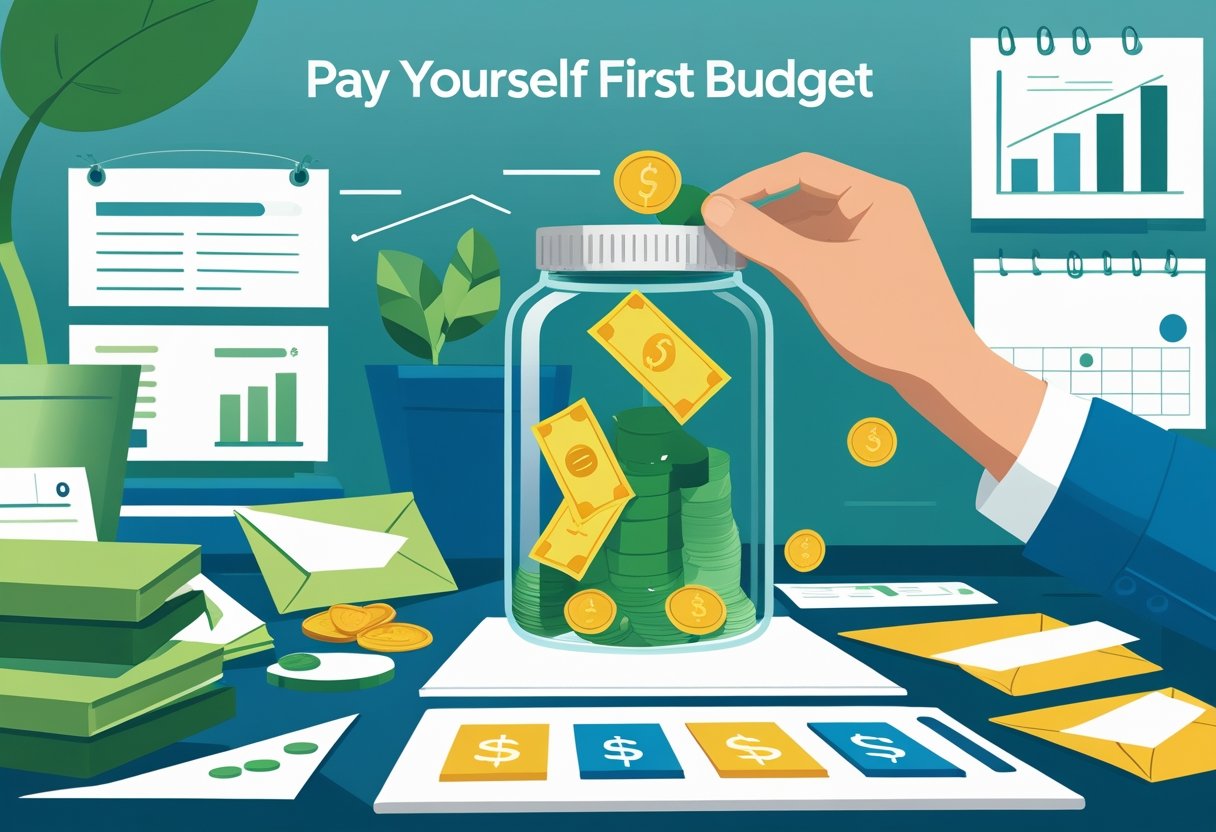
Pay Yourself First Budget AKA The Reverse Budget: How to Prioritize Savings and Meet Your Financial Goals
The pay yourself first budget starts with deciding how much you want to save each month. Then, you plan everything else around what's left.
?feature=shared">?feature=shared
This approach really helps curb overspending since you already set aside your savings. A lot of people find it simpler than tracking every single expense category.
Reverse budgeting works best when you automate it—think direct deposits or auto-transfers to savings. It speeds up wealth-building while still making sure you cover the basics.
It does take a bit of planning upfront, but honestly, it gets easier as saving becomes a habit.
Key Takeaways
- Reverse budgeting puts saving first and helps you build wealth faster.
- It cuts down on overspending by limiting what's left for non-essentials.
- Automation—like direct deposits or transfers—makes it way easier to stick with.
What Is the Pay Yourself First Budget (Reverse Budget)?
The pay yourself first budgeting method flips the usual script by putting savings before expenses. Money moves into savings accounts automatically—before you spend a dime.
The Pay Yourself First Principle
This principle is all about treating savings like a bill you have to pay first. People who do this set aside money for their goals the second their paycheck hits.
It takes away the temptation to spend savings. When you pay yourself first, you simply live on what's left.
Key benefits of this principle include:
- Automatic wealth building – You save money without even thinking about it.
- Reduced spending pressure – Less money in checking means you make smarter spending choices.
- Goal achievement – Your financial goals get funded every single month.
Saving becomes the default, not something you try to do with whatever's left (which, let's be honest, is usually nothing).
How Reverse Budgeting Differs From Traditional Methods
Traditional budgeting starts with fixed stuff like rent and utilities, then moves to groceries and entertainment. Reverse budgeting does the opposite—you fund savings goals first.
Traditional Budget Flow:
- Calculate total income
- Subtract fixed expenses
- Allocate money for variable expenses
- Save whatever's left
Reverse Budget Flow:
- Calculate total income
- Subtract savings goals first
- Use what's left for everything else
This method doesn't require you to track every single category. You don't have to watch every dollar or keep up with a bunch of spreadsheets.
Pay yourself first budgeting is perfect for folks who want a simple system that still puts their future first. It forces you to live within your means, and your long-term goals always get attention.
Key Benefits of the Reverse Budgeting Approach
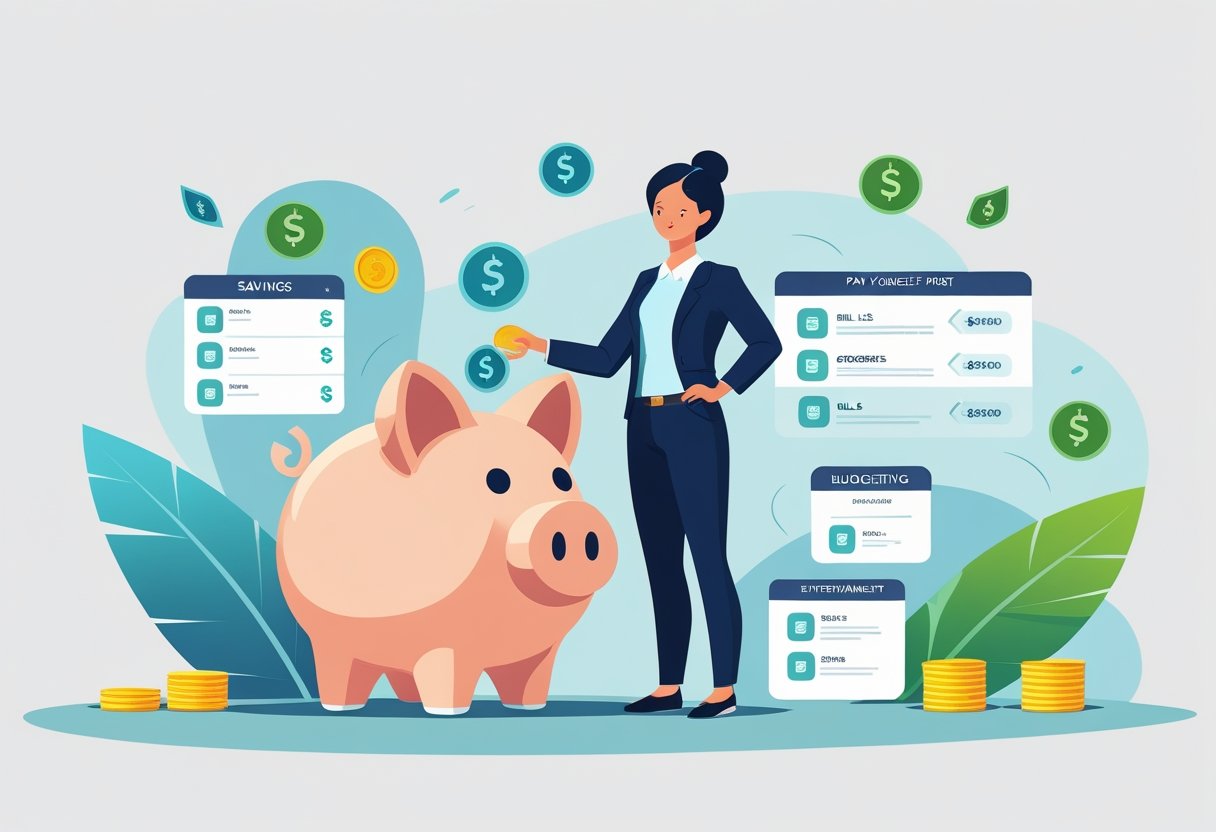
Reverse budgeting really shines because it puts savings first, lets you build wealth on autopilot, and ditches a lot of the complexity that comes with traditional budgets.
It helps you stay focused on long-term success and keeps your spending in check.
Building Wealth and Achieving Financial Goals
Reverse budgeting makes saving automatic—savings become a non-negotiable expense. When you save first, your financial goals get funded no matter what else pops up.
This is a game-changer for retirement planning. If you make $4,000 a month and save 15% right away, that's $600 stashed before you even think about spending.
Emergency funds grow faster with this method. Instead of hoping there's money left at the end of the month, you build your safety net step by step.
The 50/30/20 rule works well for figuring out how much to save. You put 20% of your income toward savings and debt before anything else.
Big dreams—like buying a house, taking a trip, or making a major purchase—become way more realistic. The momentum from saving consistently really does add up over time.
Greater Simplicity and Automation
Reverse budgeting is less work than tracking every expense. You don't have to micromanage or update spreadsheets constantly.
Automation is key. You can set up direct deposits to split your paycheck between checking and savings, or have retirement contributions come out before your paycheck even lands.
The whole thing reduces decision fatigue. You make the saving decision once, not every time you get paid.
Most banks and employers offer automatic transfers, so you can set it and forget it.
Honestly, you spend less time thinking about money but get better results. Once you set it up, the system just runs in the background.
Improved Spending Discipline
Having less cash available makes it harder to splurge. When savings come out first, you get more intentional with the money that’s left.
This creates forced prioritization—you focus on what really matters, not random stuff you don’t need.
It also helps break bad spending habits. Seeing a smaller checking account balance makes you think twice before buying something unnecessary.
People usually use their credit cards less, too. You start seeing your real limits instead of just relying on credit.
Over time, this discipline just becomes your new normal. What feels strict at first eventually turns into a comfortable routine that keeps your finances healthy.
How to Set Up a Pay Yourself First Budget
Getting started means three main things: set clear financial targets, pick how much to save from each check, and automate the whole process. The trick is to start with specific goals and make the system run itself.
Identify Savings and Financial Goals
Before you try any pay yourself first budgeting method, you need to know what you’re actually saving for. Having real, concrete goals makes it way easier to stay motivated when you want to spend.
Emergency Fund Goals:
- 3–6 months of living expenses
- Start with $1,000 as a first milestone
- Keep it in a high-yield savings account
Long-term Financial Goals:
- Retirement savings (401k, IRA, etc.)
- Down payment for a house
- Vacation or travel fund
- Car replacement fund
Each goal should have a dollar amount and a deadline. If you want $10,000 for a house in two years, that’s about $417 a month.
Writing down your goals makes them feel more real. Setting specific targets gives you a reason to pay yourself first, not just save whatever’s left over.
Determine Your Savings Rate
Most experts suggest saving 10–20% of your income with reverse budgeting, but the right number depends on your life and goals.
Common Savings Rate Approaches:
- 80/20 Rule: 20% to savings, 80% for expenses
- 50/30/20 Rule: 20% savings, 50% needs, 30% wants
- Beginner Rate: Start with 5–10% if things are tight
Look at your monthly numbers. If you make $4,000 and spend $3,200, you could save $800 (that’s 20%).
New to budgeting? Start lower and ramp up. Try 10% and bump it up by 1% every few months until you hit your goal.
Your savings rate should stretch you a bit but not feel impossible. If you go too hard, you might just give up.
Automate Transfers and Allocations
Automation is the secret sauce—it gets your money where it needs to go before you even see it. This one step makes a massive difference.
Direct Deposit Splits: Most employers can send your paycheck to multiple accounts. For example, $800 straight to savings and $3,200 to checking if you earn $4,000 a month.
Automatic Transfer Options:
- Weekly transfers on payday
- Monthly transfers on a set date
- Bi-weekly for those who get paid every two weeks
Account Setup Strategy: Set up separate accounts for each goal—one for emergencies, another for vacations, and so on. Use investment accounts for retirement.
?feature=shared">?feature=shared
Setting up auto-transfers from checking to savings makes it all hands-off. Most banks let you do this for free.
Timing matters, too. Schedule transfers right after payday, before you pay bills or spend on anything else. That way, savings actually happen.
Choosing Budget Categories and Managing Expenses
Once you've set aside money for your savings goals, the rest of your income covers essentials and a bit of fun. The trick is to make clear categories so you don't overspend but still meet all your needs.
Allocating Income After Savings
After you’ve set aside your savings, what’s left needs a little structure. A lot of folks end up using the 50/30/20 budgeting approach, splitting what’s left between needs and wants.
Essential needs typically include:
- Housing costs (rent, mortgage, utilities)
- Transportation expenses
- Insurance premiums
- Minimum debt payments
- Groceries and basic household items
Fixed expenses like rent or utilities usually take up the biggest chunk. Groceries and other variable essentials need realistic monthly caps that actually match how you spend.
Flexible spending categories cover:
- Entertainment and dining out
- Shopping for non-essentials
- Hobbies and subscriptions
- Personal care beyond basics
How much you allocate to needs versus wants really depends on your situation. If your rent is sky-high, maybe 60% goes to essentials and just 20% to fun stuff.
Handling Discretionary Spending and Monthly Expenses
Discretionary spending is where things can get messy in reverse budgeting. If you don’t set some guardrails, your “fun money” can easily eat into what you need for bills.
Monthly expense tracking helps identify problem areas:
- Check your bank statements from the last three months
- Label each purchase as a need or a want
- Figure out your average monthly spending in each group
- Set limits that fit your actual available funds
Automation makes expense management easier. When you set up automatic bill payments for rent and other must-pays, you can avoid accidentally blowing money on extras before the essentials are covered.
For stuff like groceries, try using cash or a separate debit card loaded with your monthly limit. Once that’s gone, you’re done until next month—simple as that.
Discretionary spending works best with:
- Weekly limits rather than monthly ones (it’s easier to track)
- Separate accounts for different spending buckets
- Quick check-ins to see what’s left before you swipe
Best Accounts and Tools for Pay Yourself First Budgeting
The right mix of retirement accounts, savings options, and digital tools can make pay yourself first budgeting way smoother. Tax perks from these accounts help, and budgeting apps keep you on track without a ton of effort.
Using 401(k)s, IRAs, and Savings Accounts
Your 401(k) is the backbone for most pay yourself first plans. You can set up automatic paycheck deductions so your savings happen before taxes ever touch your money.
Plenty of employers will match contributions up to a certain percent. That’s basically free money for retirement—you really don’t want to leave it on the table.
Individual Retirement Accounts (IRAs) give you another tax-friendly way to save. Traditional IRAs cut your tax bill now, while Roth IRAs give you tax-free withdrawals later on.
You can actually use both a 401(k) and an IRA in the same year. The combined limits let you sock away a pretty decent chunk automatically.
High-yield savings accounts are perfect for emergency funds or short-term goals. They usually pay better interest than your regular checking account.
Online banks tend to offer the best rates for these. Just link them to your checking account so you can set up auto-transfers on payday.
Leveraging Budgeting Apps and Digital Tools
Budgeting apps like Monarch or Empower can automate the whole pay yourself first process and track your savings progress. They sync up with your bank and investment accounts, so you don’t have to do much manual work.
Most apps will categorize your expenses for you. You can also set savings goals and get a little digital pat on the back when you hit them.
Direct deposit splitting lets you send parts of your paycheck to different accounts automatically. Most payroll systems can handle this without much hassle.
Round-up apps stash away your spare change from purchases. It’s a painless way to boost your savings without really thinking about it.
Automatic transfer features in banking apps let you schedule regular moves from checking to savings. That way, you don’t have to remember to do it each month—it just happens.
Tips, Common Pitfalls, and Who Should Use Reverse Budgeting
Reverse budgeting isn’t for everyone, but it really clicks for certain people and situations. Knowing where folks usually slip up can help you dodge those mistakes and actually hit your savings targets.
Who Benefits Most From the Reverse Budget
If you hate traditional budgets, this method might feel like a breath of fresh air. Budget haters who don’t want to track every penny can relax a bit—once you’ve hit your savings goal, you can spend what’s left without guilt.
It’s especially good for high earners with steady paychecks. They can set aside savings first and still have enough left for basics. Folks with unpredictable income might find it trickier since their monthly needs can swing a lot.
Best candidates include:
- People who want to automate their savings
- Anyone who overspends when money just sits in checking
- Those focused on big-picture goals like retirement or building an emergency fund
- People who’d rather keep budgeting simple
New grads starting out can build good habits from the jump. Parents saving for college also find it works well for hitting specific targets.
Common Mistakes and How to Adjust Your Budget
Setting savings amounts too high usually causes the biggest headaches. Financial experts recommend starting conservative to avoid overdrafts or bounced checks.
Lots of folks ignore high-interest debt and just focus on savings. Credit card debt with 20% interest rates? That should probably come before saving up for a vacation.
The fix? Treat debt payments as a kind of savings, at least for now.
Common adjustment strategies:
- Cut savings by 25% if you keep running out of money each month.
- Pick one big goal instead of juggling too many at once.
- Shift some cash from wants to needs if your expenses go up.
- Try the 50/30/20 rule as a loose starting point, but don't stress if you tweak it.
If you don’t automate transfers, it’s way too easy to forget or skip contributions. Setting up automatic deposits can help you avoid the temptation to spend what you meant to save.
Honestly, it’s smart to check in every few months and adjust your numbers as your income or bills change. Life rarely stays the same for long, right?

0 Comments Comments