
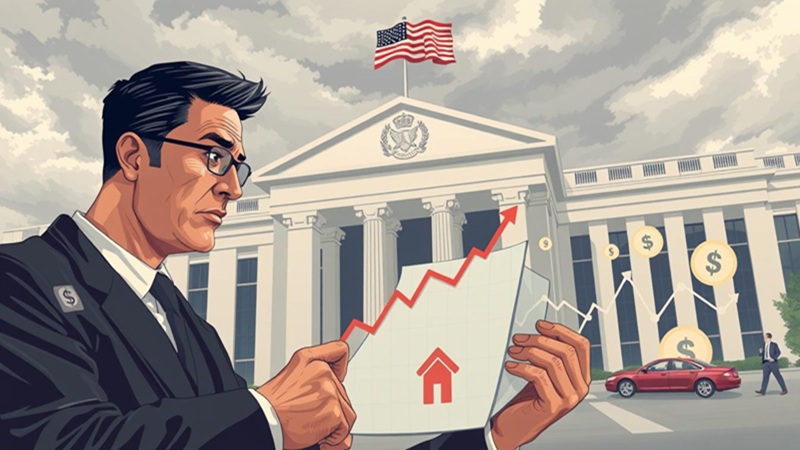
Soaring Personal Loan Interest Rates: Stay Informed

The lending landscape has transformed dramatically in recent years. Borrowing costs have climbed significantly, reshaping how consumers access credit. These changes reflect broader economic shifts that affect everyone seeking financing. Average borrowing costs increased from 9.87% in 2022 to 12.49% in early 2024. This nearly 3 percentage point jump followed Federal Reserve policy decisions. Current averages sit around 12.26% for qualified borrowers as of January 2026. Understanding these financial shifts is crucial for making smart money decisions. Whether you're consolidating debt or funding projects, knowing what influences costs matters. Your individual credit profile and broader economic policies both play significant roles.
Key Takeaways
- Borrowing costs have risen nearly 3 percentage points since 2022
- Federal Reserve policies directly influence consumer lending expenses
- Current averages reflect broader economic stabilization efforts
- Your credit profile significantly impacts the terms you receive
- Staying informed helps identify favorable financing opportunities
- Economic shifts continue to shape the lending environment
- Understanding these changes supports better financial decisions
The Impact of Fed Policies on Your Loans
The connection between Federal Reserve policies and consumer financing expenses may seem distant, but it's surprisingly direct. Central banking decisions create a chain reaction that eventually reaches your wallet. Understanding this process helps you anticipate changes in borrowing costs.
How Federal Funds Rate Moves Affect Borrowing Costs
The federal funds rate serves as the foundation for most lending in the economy. Banks use this benchmark for overnight lending to each other. When the Federal Reserve adjusts this rate, it triggers changes throughout the financial system. Financial institutions typically calculate the prime rate by adding 3 percentage points to the federal funds rate. This prime rate then becomes the basis for many consumer products. Between March 2022 and July 2023, the Fed increased rates eleven times, pushing the prime rate from 3.5% to 8.5%. This mathematical relationship means your financing expenses rise when the Fed tightens monetarypolicy. Lenders pass along their increased costs through higher rates on various credit products.
Open Market Operations and Securing Lower Rates
The Federal Reserve also influences markets through securities trading. These open market operations control money supply and affect yields across different financial instruments. When the Fed purchases long-term U.S. Treasurys, it reduces their yields. Since government bonds are considered risk-free, they set the baseline for all other rates. Lower Treasury yields often translate to more favorable terms for borrowers. Recent policy shifts show the Fed's cautious approach. After three consecutive cuts in late 2025, officials held rates steady in January 2026. This stability can create opportunities for those seeking financing.
Understanding Personal-loan interest-rate spikes
Unprecedented central banking decisions sent ripples through the entire financing ecosystem. The Federal Reserve implemented eleven consecutive increases between March 2022 and July 2023. This aggressive approach aimed to combat rising inflation pressures.
The Chain Reaction from Fed Rate Hikes
Each Federal Reserve adjustment created a direct pathway to your borrowing expenses. Financial institutions faced higher costs themselves. They passed these increases along to consumers through elevated charges on new credit products.
The progression was dramatic and systematic:
| Time Period | Average Financing Cost | Federal Reserve Action |
| 2022 | 9.87% | Pre-tightening cycle |
| Early 2024 | 12.49% | Post-11 hikes |
| January 2026 | 12.26% | Stabilization phase |
Variable vs. Fixed Rate Implications
Your existing fixed-term arrangements provide stability during market fluctuations. The agreed-upon cost remains unchanged for the entire duration. This protects your budget from unexpected payment increases. Variable options present different considerations. They typically begin with attractive initial terms. However, they carry uncertainty throughout the repayment period.
"The timing of your application matters enormously during periods of cost volatility."
Lenders adjust variable products based on benchmark movements. Your monthly obligation can rise substantially if underlying factors shift. Understanding thesedistinctions helps you make informed choices. Your credit profile significantly influences the offers you receive. Comparing options from different providers ensures you secure the most favorable terms available.
Fixed vs. Variable Rate Loans: What You Need to Know
When securing financing, one of the most important decisions involves selecting between predictable costs and potentially lower initial expenses. This choice affects your budget throughout the entire repayment period.
Benefits and Drawbacks of Fixed Principal Rates
Fixed arrangements provide consistent monthly obligations that never change. Your payment amount remains the same from start to finish. This stability protects your budget from unexpected increases. However, you might miss out on potential savings if costs decline later.
| Feature | Fixed Option | Variable Option |
| Monthly Payment | Stays constant | Can fluctuate |
| Risk Level | Low risk | Higher risk |
| Initial Cost | Typically higher | Usually lower |
| Long-term Predictability | High certainty | Uncertain future |
Understanding Variable Rate Adjustments
Variable products typically begin with attractive initial terms. Financial institutions adjust these based on benchmark movements. Your monthly obligation can change during the repayment period. This creates uncertainty about your total financing expense.
"The timing of your application matters enormously during periods of cost volatility."
Consider your risk tolerance and budget flexibility when choosing between options. Your decision should align with your financial goals and timeline.
Strategies to Secure More Favorable Interest Rates
Smart financial preparation can significantly reduce your borrowing expenses. Your approach should combine credit improvement with strategic shopping across different institutions.
Improving Your Credit Score and Lending Profiles
Your credit score remains one of the most important factors lenders evaluate. Even small improvements can translate into substantial savings over time. Focus on paying all bills promptly and reducing credit card balances. Review your reports regularly to identify areas needing attention. Disputing errors can quickly boost your standing.
Comparing Offers from Banks, Credit Unions, and Online Lenders
Different financial institutions offer varying terms based on their business models. Credit unions typically provide competitive options for qualified members. Online platforms present a wide range of possibilities from basic to premium tiers. Always compare multiple offers to find the best fit for your situation. Watch for additional charges that can affect your total cost. The annual percentage rate reflects the complete expense including these fees. Many institutions offer prequalification processes that don't impact your credit score. This allows you to shop confidently without worrying about multiple inquiries.
Tracking the Latest Trends in Average Loan Rates
Regular monitoring of financial market movements helps you identify optimal timing for credit applications. Current data shows average costs at 12.26% for qualified applicants. Understanding these patterns positions you for better financial decisions.
Interpreting APR and Additional Fees
The annual percentage rate gives you the complete picture of borrowing expenses. This figure includes not just the base cost but also origination fees and other charges. Some institutions deduct fees as high as 12% from your proceeds before disbursement. This makes the APR substantially higher than advertised rates. Always compare this metric across different providers.
Monitoring Rate Changes Over Time
Observing cost fluctuations reveals important patterns for timing your application. Recent data shows top-tier offers varying between 6.24% and 6.70%. The median lowest rate provides a realistic benchmark for excellent-credit applicants. Tracking these movements helps you secure substantial savings over your repayment term.
Conclusion
Successful borrowing in the current climate demands awareness of how broader economic policies intersect with your credit profile. You now understand the key factors driving financing costs, from Federal Reserve actions to lender competition. This knowledge empowers you to navigate the borrowing landscape with confidence. While current terms remain elevated, opportunities exist for favorable financing. Improving your credit score and comparing offers across different lenders can yield significant savings. Monitoring market trends helps you time applications strategically. Stay informed about economic developments and maintain financial health. Your proactive approach positions you for smart decisions that minimize costs over time. This comprehensive understanding supports your long-term financial goals in any lending environment.
0 Comments
Be the first to share your thoughts on this article.