
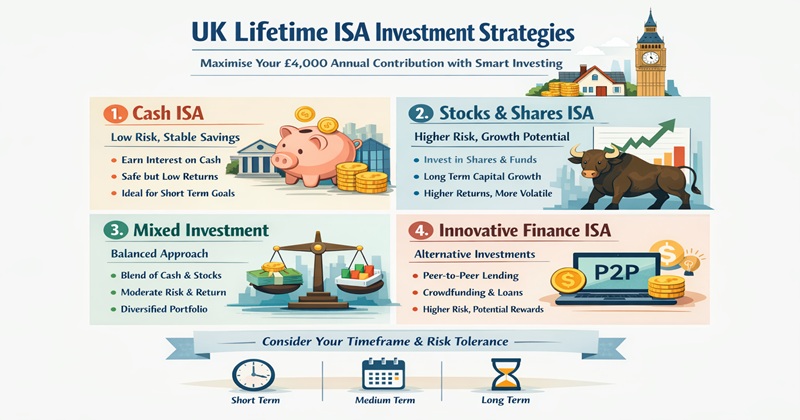
UK Lifetime ISA Investment Strategies: Maximize Returns

Are you looking for a smart way to build your savings with government support? The Lifetime ISA offers a powerful opportunity to grow your money while receiving valuable bonuses. This special savings account helps you work toward important financial goals like buying your first property or preparing for retirement. With this account, you can save up to £4,000 each year and receive a 25% government bonus on your contributions. That means for every £1,000 you save, you get an extra £250 added to your balance. Over time, this bonus can really add up and help your savings grow much faster. Since these accounts launched in 2017, they've become increasingly popular. Recent data shows around 1.3 million people currently maintain active accounts. In the last tax year alone, savers deposited £2.35 billion into their accounts, with nearly equal numbers using them for first-time home purchases and retirement planning.
Key Takeaways
- The government adds a 25% bonus to your annual savings up to £4,000
- You must be between 18-39 years old to open an account
- Funds can be used for your first home purchase or retirement savings
- There's a 12-month waiting period before using money for a home purchase
- Early withdrawals for non-qualified purposes come with significant penalties
- Both cash and investment-based account options are available
- Policy changes may affect these accounts in the coming years
Overview of Lifetime ISAs in the UK
This government-backed program offers unique advantages for long-term financial planning. It specifically helps you work toward two major objectives: purchasing your initial property or building retirement savings. The scheme operates within the broader Individual Savings Account framework. Your deposits count toward the annual £20,000 allowance. However, the state contribution sits on top of this limit. When you save the maximum £4,000 each tax year, you effectively accumulate £5,000. The extra £1,000 comes from the 25% state top-up. This bonus typically arrives in your account four to nine weeks after your monthly contribution. Since its 2017 launch, this savings vehicle has grown significantly in popularity. Many people appreciate the substantial government contribution. It provides flexibility for both short-term home acquisition and long-term retirement planning. Understanding the annual cycle from April 6 to April 5 helps you plan strategically. You can maximize the bonus without exceeding contribution limits. This timing ensures you make the most of this valuable financial tool.
Key Features of Lifetime ISAs
Several unique attributes set this savings option apart from traditional investment accounts. Understanding these core features helps you make informed decisions about your financial future.
Government Bonus Structure and Contribution Details
The government bonus represents the most valuable aspect of this account. You receive exactly £250 for every £1,000 you deposit, up to the annual maximum 4,000 limit. This bonus continues each tax year you make contributions until age 50. If you start at 18, you could accumulate up to £33,000 in free government money over 32 years. Once the bonus arrives in your account, it integrates seamlessly with your personal savings. The entire balance earns the same interest or participates in the same growth opportunities. Your deposits count towards your overall £20,000 annual allowance. This requires careful planning to optimize all your tax-free savings vehicles.
Tax Benefits and Security Protections
Cash versions of this account offer significant security through the Financial Services Compensation Scheme. This protects up to £120,000 of your savings per banking institution. All interest earned remains completely free from income tax. Any investment growth in stocks and shares versions is protected from Capital Gains Tax. While platform providers are covered by FSCS protection, this doesn't shield you from market fluctuations. Investment values can still decline based on asset performance.
Understanding the Two Types of Lifetime ISAs
Savvy savers face a fundamental choice between predictable growth and market-based opportunities. Your selection depends heavily on your timeline and comfort with risk.
Cash LISA vs Stocks & Shares LISA
A cash lifetime isa operates like a traditional savings account. Your provider pays variable interest on deposits and government bonuses. Current top cash lisa products offer rates from 3.80% to 4.50% AER. Some include introductory bonuses that boost returns temporarily. In contrast, stocks shares lisa options invest your money in market assets. This approach offers growth potential but carries volatility risks. The cash lifetime approach suits short-term goals like home purchases. Your money remains secure with predictable returns. Stocks shares lifetime investing works better for retirement planning. Market fluctuations matter less over decade-plus horizons. Platform fees and fund costs affect stocks shares account performance. Compare providers carefully before committing your savings. You can transfer between account types as circumstances change. Time these moves carefully to avoid market downturns.
Eligibility Criteria and Age Requirements
Age restrictions and property ownership history determine your access to this valuable savings vehicle. You can only open lifetime isa accounts if you're between 18 and 39 years old. This creates urgency for people approaching the upper age limit. Once you establish your account, you can continue contributions until age 50. This gives you up to 32 years of potential government bonuses. The table below shows the key age milestones:
| Age | Eligibility Action | Benefit Period |
| 18-39 | Can open account | Initial access window |
| 18-49 | Can make contributions | Bonus accumulation phase |
| 50+ | No new contributions | Funds continue growing |
Even if you've owned property before, you're still eligible to open lifetime isa products for retirement purposes. However, you won't be able use the funds for property purchases without penalties.
The definition of "first-time buyer" excludes anyone who has previously owned residential or commercial property anywhere in the world.
Special provisions exist for military personnel and crown servants stationed abroad. They can maintain accounts even when living outside the country. Your eligibility locks in once you open your lifetime isa, so acquiring property later doesn't affect contributions. If you've owned property but want retirement savings, this account still offers excellent tax advantages. The strict first-time buyer definition ensures the program serves its intended purpose.
How to Open a Lifetime ISA and Get Started
Getting your savings journey underway requires just a few straightforward steps. You'll need some basic documents ready before you begin the process. Gather your National Insurance number, photo identification, and proof of address. Most lisa provider companies require these for identity verification. The application method varies significantly between providers. Modern digital platforms offer instant account setup through mobile apps. Traditional institutions might need branch visits or postal applications.
Consider this comparison of application channels:
| Application Method | Typical Providers | Processing Time |
| Mobile App | Moneybox, Plum | Minutes |
| Online Portal | Major Banks | 1-2 Days |
| Branch Visit | Building Societies | Immediate |
| Postal Application | Specialist Providers | 1-2 Weeks |
There's a smart reason to open lisa accounts immediately. The 12-month waiting period for home purchases starts from your account opening date. Even a £1 deposit gets this clock ticking. Remember you can only pay into one lisa per tax year. Choose your provider carefully based on rates and fees. Minimum deposits range from £1 to £250 depending on the account type. You're able use transfer processes if you find better options later. This flexibility lets you optimize your savings as your needs evolve.
UK Lifetime ISA Investment Strategies
Your contribution method plays a crucial role in how effectively your money grows with government support. You can use lifetime isa accounts through lump-sum deposits, regular monthly payments, or flexible contributions that match your cash flow.
Monthly deposits of around £333 help you reach the annual limit steadily. This approach works well for stocks shares options through dollar-cost averaging. It reduces market timing risks.
Your timeline determines the best way to use lisa products. Cash accounts suit short-term home retirement goals within five years. They protect your capital from market swings.
For longer horizons, stocks shares investments become more attractive. Market volatility smooths out over decade-plus periods. Always maintain separate emergency funds alongside your lifetime isa.
Honestly assess your risk tolerance before choosing between account types. Consider employment stability and comfort with investment fluctuations. This ensures your strategy aligns with your financial personality.
Strategies for Maximizing Government Bonuses
Optimizing your contribution schedule unlocks the full potential of the bonus system available through this savings vehicle. Your timing decisions directly impact how much extra money you accumulate over time.
Monthly Contribution Tactics for Full Bonus Utilization
Depositing funds early in each tax year gives your money more time to grow. Both your personal savings and the government bonus earn returns throughout the year.
Reaching the maximum 4,000 annual limit should be your priority when possible. This unlocks the full £1,000 state contribution that would otherwise go unclaimed.
| Contribution Strategy | Monthly Amount | Bonus Timing | Compounding Benefit |
| Early Year Deposit | £4,000 lump sum | Bonus in 4-9 weeks | Maximum time for growth |
| Monthly Spread | £333.33 | Monthly bonuses | Regular compounding |
| Quarterly Deposits | £1,000 | Quarterly bonuses | Balanced approach |
Monthly deposits of £333.33 help you hit the maximum 4,000 threshold perfectly. This approach ensures you don't exceed limits that wouldn't receive the government bonus.
Remember you can only contribute to one lisa per tax year. Your deposits count towards your annual allowance, so choose your provider carefully based on rates and fees.
Starting early maximizes your lifetime potential. Opening an account at 18 and contributing fully until age 50 could net you £33,000 in bonuses alone.
Tips for First-Time Buyers Using a LISA
Planning your first property purchase requires understanding specific account rules. Proper timing and procedure knowledge help you avoid costly mistakes.
Using LISA Savings for a First Home Purchase
You must maintain your account for twelve months before accessing funds. This waiting period makes early account opening essential.
The property must cost £450,000 or less and require a mortgage. Cash purchases don't qualify for penalty-free withdrawals.
Your conveyancer must receive funds directly from the provider. Personal withdrawals trigger a 25% penalty charge.
Handling Withdrawal Rules and Avoiding Penalties
Complete your purchase within 90 days of fund transfer. This tight timeline requires careful coordination with legal professionals.
Both partners can use their accounts when buying first home together. The £450,000 limit applies to the total property value.
Compare this product with help buy isa options before deciding. You can only claim one government bonus for your purchase.
Sometimes you might need withdraw money despite penalties. Property value limits or changed circumstances may force this decision.
Investing in Stocks & Shares LISAs for Growth
Choosing a stocks shares lisa opens the door to potentially higher returns than cash savings. Historical data shows equities average 7-10% annual growth over long periods. This makes them ideal for retirement planning with 20+ year horizons.
Provider fees significantly impact your returns. Compare platforms carefully before committing your money.
| Provider | Minimum Deposit | Annual Platform Fee | Additional Costs |
| AJ Bell | £250 lump/£25 monthly | 0.25% | Fund charges apply |
| Hargreaves Lansdown | £100 lump/£25 monthly | 0.25% max | Investment fees vary |
| Moneybox | £1 | 0.45% + £1/month | Fund provider costs |
Diversification protects your shares lisa from market swings. Spread your money across different assets like index funds and bonds. This reduces risk while maintaining growth potential.
Your stocks shares isa needs regular check-ups. Rebalance your portfolio as you near your goal date. Shift from aggressive assets to safer options to protect gains.
Platforms offer thousands of investment choices. You can tailor your stocks shares lifetime portfolio to match your risk comfort and values.
Market downturns can seriously impact your deposit if you need to access funds for a home purchase during a low period.
Calculate all costs when choosing a stocks shares provider. Platform fees, fund charges, and transaction costs can reduce returns by 0.5-1.5% annually.
Plan your exit strategy if saving for a buy first home. Move funds to cash 12-24 months before your purchase date. This locks in gains and avoids last-minute market drops.
Strategies to Transfer and Manage Existing ISA Funds
Moving your savings between providers can significantly boost your returns without penalty. You can execute a transfer lifetime isa to chase better rates or lower fees. This process doesn't reset your 12-month waiting period for home purchases.
There's a key difference between transferring current versus previous year contributions. Current tax year funds must move in full to your new provider. Older savings can transfer partially while allowing new contributions.
You can strategically transfer help buy balances into your account. This gives you access to higher contribution limits. Remember these transfers count towards your £4,000 annual allowance.
Consolidating multiple lifetime isas simplifies management. Ensure your chosen provider accepts incoming transfers. Compare rates carefully before moving all funds to one location.
Age restrictions affect transfer options. Many providers only accept transfer lifetime requests from people under 40. Establish your preferred provider relationship early.
The process typically takes two to four weeks. Your money doesn't earn returns during this period. Time your moves strategically to minimize this gap.
You can only maintain one lisa per tax year. Transfers from standard accounts trigger the government bonus. This reduces how much new money you can add that year.
Comparing Help to Buy ISA and Lifetime ISA Options
For individuals planning their first property purchase, selecting the right savings instrument can significantly impact your financial timeline. While the help buy isa closed to new applicants in 2019, existing holders face important decisions about their savings strategy.
The programs differ substantially in their core features. Understanding these distinctions helps you maximize government support for your buy home goals.
| Feature | Help to Buy ISA | Lifetime ISA |
| Annual Contribution Limit | £2,400 (£3,400 first year) | £4,000 |
| Maximum Bonus | £3,000 lifetime | Up to £33,000 lifetime |
| Property Price Limit | £250,000 (£450,000 London) | £450,000 nationwide |
| Withdrawal Flexibility | Penalty-free (forfeit bonus) | 25% penalty charge |
| Bonus Payment Timing | At property completion | Monthly with contributions |
Existing help buy account holders can open a separate program if aged 18-39. This creates strategic opportunities for your first home retirement planning. You can maintain both accounts simultaneously.
The geographical advantage of isa lisa products makes them more suitable for buyers in high-cost areas across the country.
When purchasing your property, you can only claim one government bonus. This means careful planning between your buy isa and alternative options. The higher contribution limits of the buy isa lisa often benefit serious savers. Calculate which program delivers better value by considering your timeline, property target, and need for withdrawal flexibility.
Strategic Considerations Before Withdrawing Funds
Understanding the financial impact of taking money out prematurely can save you from significant losses. Careful planning ensures you maximize benefits while avoiding unnecessary costs.
Understanding Penalties and the 25% Withdrawal Charge
When you need to withdraw money for non-qualifying reasons, a 25% penalty applies. This doesn't simply cancel out the government bonus. If you saved £1,000 and received the £250 bonus, your total becomes £1,250. The 25% penalty on £1,250 is £312.50, leaving you with just £937.50. You actually lose 6.25% of your original contribution.
| Contribution | Bonus Added | Total Before Penalty | Penalty Amount | Final Amount |
| £1,000 | £250 | £1,250 | £312.50 | £937.50 |
| £4,000 | £1,000 | £5,000 | £1,250 | £3,750 |
| £2,000 | £500 | £2,500 | £625 | £1,875 |
Exceptions exist for terminal illness or death. In these cases, beneficiaries receive the money lifetime isa balance without penalty charges.
Balancing Home Purchase Needs with Retirement Savings
Think carefully about whether you want use lisa funds for property or long-term goals. The severe penalty makes this unsuitable for emergency needs.
If you've owned property before, penalty-free withdrawal isn't an option. You'll need pay the charge if accessing funds early.
After age 60, you can withdraw money penalty-free. This provides flexibility for your home retirement planning over time.
Tax Advantages and Drawbacks in LISA Investments
The tax advantages built into these accounts create substantial benefits that compound over decades. Your interest earnings in cash versions remain completely free from income tax. This protection becomes increasingly valuable as your balance grows. For investment-based options, you avoid Capital Gains Tax on all profits. The government bonus itself arrives tax-free and never creates future liabilities. This free money continues earning tax-sheltered returns throughout your holding period. Withdrawals for first home retirement purposes are completely tax-free regardless of account size. This contrasts favorably with pension withdrawals where only 25% escapes taxation.
Your lisa tax year contribution timing can optimize your tax position. Higher-rate taxpayers might balance contributions against pension options based on effective tax relief.
Potential implications arise if you move funds to standard savings accounts. Interest might push you above your Personal Savings Allowance, creating unexpected tax liabilities. Unlike pensions, withdrawals don't count as taxable income in retirement. This preserves your personal allowance and means-tested benefits across multiple tax year periods. These comprehensive advantages make your lifetime isa exceptionally valuable for long-term first home retirement planning. The tax-free growth environment maximizes your savings potential throughout each lisa tax year.
Tips for Changing Providers and Ongoing Account Management
Staying with your initial provider isn't mandatory once your account is established. Interest rates on savings accounts fluctuate regularly, requiring periodic review of your current arrangement.
Smart management involves comparing your returns against market competitors. This proactive approach can significantly boost your savings over time.
Monitoring Interest Rates, Bonuses, and Provider Options
Many cash lifetime isa products feature introductory bonus rates that drop after 12-18 months. Watch for these promotional periods ending, as standard rates often fall considerably. If you're approaching age 40, avoid locking into bonus-rate accounts. You could get stuck with lower returns once the promotional period concludes. Policy changes announced in january 2026 may affect all lifetime isas. The government consultation proposes a new first-time buyer product with different rules. The january 2026 changes would eliminate withdrawal penalties. This recognizes issues with the current isa lisa structure that traps savers. Set annual reminders to review your cash lisa performance. Compare rates across different lisa provider options to maximize returns. Transferring between cash lifetime accounts maintains your savings momentum. Ensure you understand the process timelines to avoid contribution gaps.
Conclusion
Making the most of this savings opportunity requires understanding both its generous benefits and important limitations. The 25% government bonus can significantly accelerate your progress toward major financial goals. When you use lisa funds for buying first home purchases, careful timing becomes essential. The 12-month waiting period and property price cap demand strategic planning. For home retirement goals, a longer-term approach works better. Choosing between cash and investment options depends on your timeline and comfort with risk. Regular account reviews ensure you maximize returns as market conditions change. While restrictions exist, the advantages outweigh limitations for those who want use the product as intended. This lifetime isa remains a powerful tool for building your financial future when aligned with appropriate goals.
0 Comments
Be the first to share your thoughts on this article.