


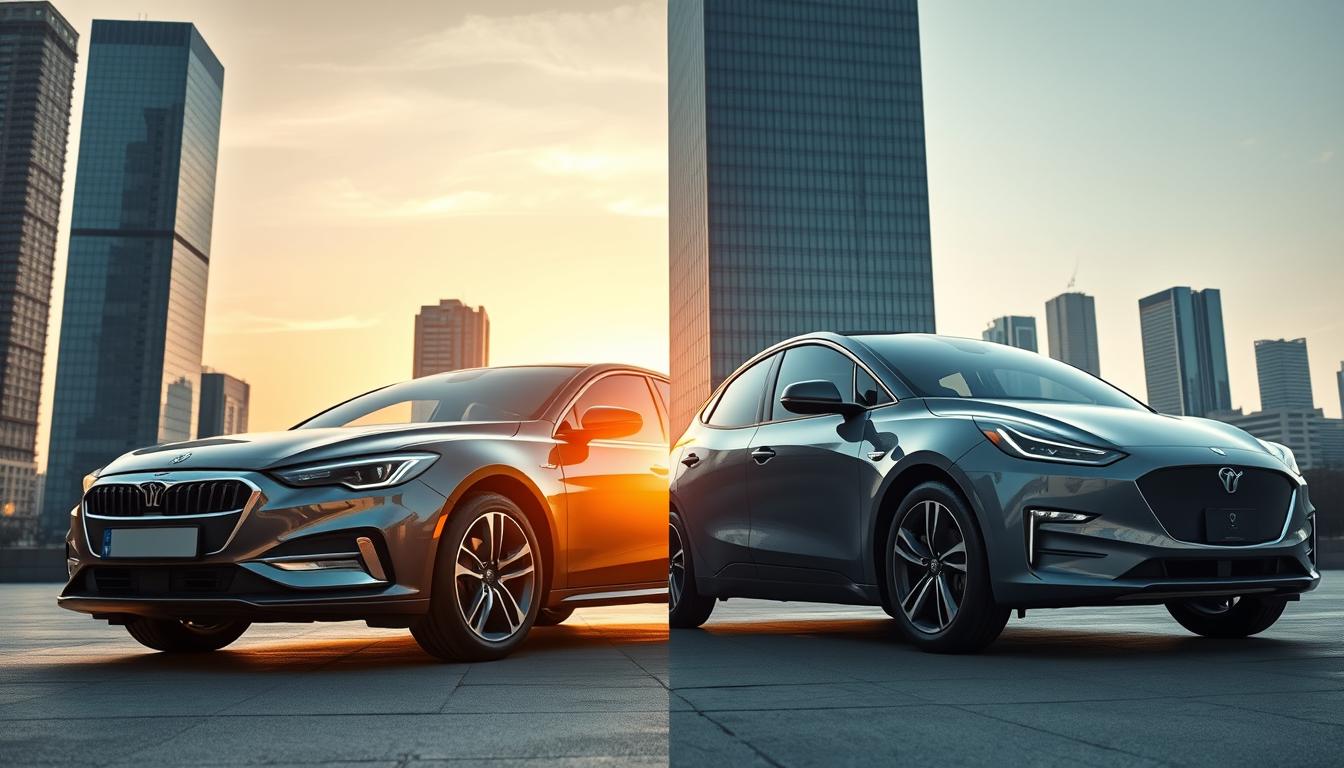
Deciding on a new ride is more than sticker shock. Upfront price tags for newer models often look higher, but total ownership tells a different story. Studies show many buyers recoup extra purchase cost through lower fueling and repair bills over the life of the vehicle.
If you charge at home, fuel savings typically reach about $800–$1,000 per year, adding up to nearly $4,700 over seven years for typical cars and more for larger models. Maintenance also cuts costs: EVs skip oil changes and use regenerative braking, trimming lifetime repair bills by roughly half.
Federal credits and state incentives can lower the effective purchase price by thousands. Combine that with improving resale for long-range models and more stable electricity prices, and many buyers find real dollars-and-cents reasons to consider switching.
Key Takeaways
- Compare total ownership, not just the sticker price, to see real savings.
- Fuel and charging differences often save about $800–$1,000 per year if you charge at home.
- Maintenance costs for electric drivetrains tend to be roughly half those of gasoline models.
- Federal credits up to $7,500 (new) and up to $4,000 (used) can cut your upfront cost.
- Match range and charging habits to your driving to maximize savings.
What you really want to know: which choice saves you money over the years?
When you look past the sticker, the long view shows where real savings appear.
Typical data show owners who charge at home save about $800–$1,000 per year on fueling versus similar gas cars. Over seven years that equals roughly $4,700 for a standard car, about $6,300 for an SUV and $8,800 for a pickup.
Lifetime cost comparisons often favor the alternative drivetrain by $6,000–$10,000 depending on model and region. Maintenance and repair savings add roughly $4,600 over the vehicle life because there are fewer moving parts and no oil changes.
- Total cost of ownership is where savings compound across years.
- Home charging typically delivers the biggest per year fuel advantage.
- Higher annual mileage and reliable home access shorten the break-even time.
- Local gas and electricity prices affect exact outcomes, so check regional data.
| Segment | Annual fueling savings | 7-year fuel savings | Typical lifetime TCO savings |
| Car | $800–$1,000 | $4,700 | $6,000–$10,000 |
| SUV | $900–$1,100 | $6,300 | $6,500–$10,000 |
| Pickup | $1,100–$1,400 | $8,800 | $7,000–$10,000+ |
"Electricity has been shown to be cheaper than gasoline across all states on average fueling costs."
Bottom line: If you drive a lot and can charge at home, the multi-year savings and lower upkeep often outweigh higher upfront prices.
How we’ll compare ownership costs and the data we use
A practical comparison balances sticker price against costs you’ll face over years of use. This keeps the focus on total ownership rather than a one-day price.
Lifetime total cost of ownership versus sticker price
Sticker gaps: EVs often list 10–40% higher at purchase than comparable gasoline models. Yet, lifetime ownership frequently favors evs by about $6,000–$10,000 after fuel, service, and incentives.
Example: Home charging cuts fueling costs roughly $800–$1,000 per year for cars, adding to a seven‑year fuel savings near $4,700. Routine maintenance is typically about half, saving another ~$4,600 over the lifespan.
U.S. market context, present-day energy prices, and sources
We use U.S.-relevant inputs: current electricity and gasoline prices, realistic charging patterns, and consumer data. A 250‑mile range model lets about 92% of charging happen at home. Models over 300 miles add ~20% to upfront price and weight while only trimming public charging needs by ~2%.
- Apples-to-apples comparisons by segment (car vs car, SUV vs SUV).
- Include MSRP, federal incentives, fuel/electricity, routine maintenance, and likely repairs.
- Factor DC fast charging as a premium: typically 2–3× Level 2 cost and affects total cost when used often.
| Metric | Typical difference | Impact over years |
| Sticker price | +10–40% for evs | Higher upfront, offset by incentives |
| Fuel / electricity | $800–$1,000/yr saved (home) | $4,700 over 7 years (car) |
| Maintenance | ~50% lower | ~$4,600 lifetime savings |
"We prioritize real-world use and market data so your decisions reflect current prices and technology trends."
Upfront purchase price and financing: higher EV MSRP vs potential savings
Initial MSRP gaps are visible at the dealer, yet loan terms and rebates change what you actually pay. EVs often list about 10–40% higher than comparable gasoline models. That gap stems largely from the battery pack and newer supply chains.
Financing matters: if you finance the full sticker, monthly payments reflect the higher price. But federal credits and updated point-of-sale rules can cut the effective balance immediately.
How price gaps and tax incentives interact
Expect higher MSRPs at purchase because battery costs push the numbers up today. Prices are trending down as production scales, narrowing gaps across segments.
- Compare like segments: match compact to compact to get a true price comparison between cars and cars.
- Federal tax help: qualifying new EVs may get up to $7,500 and qualifying used models up to $4,000, with point-of-sale options beginning in 2024 for eligible buyers.
- Longer view: typical fuel savings of $800–$1,000 per year plus roughly half the maintenance cost help recoup higher purchase prices over a few years.
"Battery pack costs are a major driver today, but declining costs are pushing prices closer to parity."
Fueling vs charging: your yearly energy costs in the U.S.
Your annual fueling bill often tells the clearest story about long-term ownership costs. In the U.S., electricity is cheaper than gasoline on a per‑fill basis for typical use. That makes a big difference when most charging happens at home.
Electricity and gasoline price dynamics
Electricity prices are generally steadier than gasoline. Spikes in pump prices quickly widen the gap. Regional differences matter, but the national pattern favors electricity for regular driving.
Home charging vs public fast charging
Home charging gives the lowest cost per mile. Public DC fast charging is handy on long trips but often costs two to three times more than Level 2. Frequent fast sessions will cut into annual savings.
Estimated savings per year and over seven years
If you mostly charge at home, expect about $800–$1,000 saved per year for the car segment. Over seven years that equals roughly $4,700 for cars, $6,300 for SUVs, and $8,800 for pickups.
Range sweet spots and charging mix
A ~250‑mile range hits a practical sweet spot: about 92% of charging can occur at home. Going past 300 miles often raises vehicle cost by ~20% but only trims public charging needs by ~2%.
| Category | Annual energy savings | 7‑year savings | Public fast charging cost |
| Car | $800–$1,000 | $4,700 | 2–3× Level 2 |
| SUV | $900–$1,100 | $6,300 | 2–3× Level 2 |
| Pickup | $1,100–$1,400 | $8,800 | 2–3× Level 2 |
"Nighttime charging and off-peak grid rates can further lower your effective cost per kWh."
Maintenance and repairs: fewer moving parts, fewer dollars
Routine service bills reveal one of the clearest long-term cost differences between drivetrains. Shorter service schedules and fewer fluids cut trips to the shop. That affects what you pay over the life of a car.
Oil changes, brakes, and routine service differences
EVs skip oil changes and use regenerative braking, which reduces brake wear. That shrinks routine service and the amount of time cars spend in the shop.
Per-mile maintenance comparisons and five-year savings
The U.S. Department of Energy shows BEV maintenance at about 6.1¢ per mile versus 10.1¢ for ICE cars. Over five years some analyses report just over $300 saved on repairs, while longer ownership reveals a roughly $4,600 lifetime advantage.
Battery longevity and replacement risk
Modern battery packs degrade slowly and many makers back them for 8–10 years or 100,000 miles. Full-pack replacements remain uncommon; partial fixes and module repairs are more typical.
- Lower routine costs: fewer fluids, simpler drivetrains.
- Watch tires: added weight can increase wear, so regular alignments help control total costs.
| Type | Maintenance¢/mile | Typical five-year note |
| BEV | 6.1 | Lower routine service |
| ICE | 10.1 | More fluids, more parts |
| Hybrid | 9.4 | Mid-range |
"EV owners often see steady, long-term maintenance savings thanks to fewer moving parts."
Incentives, taxes, and policy changes that affect your bottom line
Policy choices at federal and state levels can tilt months of ownership costs more than a single sticker price.
Federal credits and eligibility at purchase
Check federal rules first. Qualifying new evs may be eligible for up to $7,500 at point of sale, and qualifying used models up to $4,000.
Eligibility depends on income, assembly, and battery sourcing rules that the government enforces.
State rebates and utility programs
States such as California, Colorado, and Vermont offer extra rebates worth hundreds to several thousand dollars.
Many utilities also run off-peak rates and smart-charging plans that cut your nightly charging bill.
Registration fees and local surcharges
Some states add EV registration fees or surcharges that offset part of the incentive. Factor those into total ownership.
- Check federal eligibility and point-of-sale options for the purchase.
- Stack state and utility programs when possible to lower charging and maintenance costs.
- Include registration and local fees when modeling long-term fuel and service savings.
| Program | Typical benefit | Notes |
| Federal credit | Up to $7,500 (new) / $4,000 (used) | Point-of-sale options began in 2024; income and battery rules apply |
| State rebates | $200–$4,000+ | Varies by state (CA, CO, VT notable) |
| Utility programs | Reduced off-peak kWh rates | Can lower nightly charging costs substantially |
"Policy shifts can alter the economics quickly—stay updated for the best results."
Insurance, depreciation, and resale value: the often-overlooked costs
How insurers underwrite risk and how the market prices used models both matter to your wallet.
Insurance rates depend on repair costs, battery replacement risk, and theft exposure. For some models, premiums run higher; for others, rates are competitive with similar cars. Get quotes for the exact trim and options rather than assuming a blanket rule.
How insurers price EVs and gasoline models today
Insurers look at parts costs, repair times, and safety scores. Models with expensive battery repairs may see higher premiums, but growing experience and repair networks are reducing that gap.
Resale trends as ranges improve
Newer long-range evs (200+ miles) are holding value as well as many gasoline cars. Better charging access and the lower operating costs—about $800–$1,000 in annual fuel savings and roughly $4,600 in lifetime maintenance savings—support stronger resale.
- Compare quotes: premiums vary by trim and region.
- Depreciation: longer-range models retain value better.
- Market watch: track local prices; trends change as technology matures.
| Factor | Typical effect | Note |
| Insurance | Varies by model | Check specific quotes |
| Depreciation | Improving for long-range | 200+ mile models lead |
| Resale | Competitive with similar cars | Depends on demand and region |
"Models with proven reliability and popular segments tend to retain value better, just as with gasoline counterparts."
Charging access, time, and convenience: how your habits change costs
How you charge shapes both daily life and long-term costs. Your routine—where you plug in, how long it takes, and how often—affects spending and convenience. For many people, simple choices cut both minutes and bills.
Level 1, Level 2, and DC fast charging—time and price trade-offs
Level 1 runs on a standard outlet and often takes overnight or longer. It fits low daily miles and keeps charging costs minimal.
Level 2 typically refills in a few hours and balances cost with speed for most cars and commuters.
DC fast can add significant range in 30–45 minutes but costs about 2–3× more than Level 2, so reserve it for trips when time matters most.
Apartment living, workplace charging, and public network growth
If you live in an apartment, workplace charging and expanding networks bridge the gap. A 250‑mile range lets about 92% of charging happen at home for typical drivers, so public sessions are rare.
- Plan top-ups like errands—charge at home or work when parked.
- Frequent DC fast use reduces overall savings; balance cost and time.
- Interoperability and larger networks cut the number of stops you need.
- Improved grid rates and off‑peak programs can lower nightly charging costs.
"Top off at home or work; use fast charging mainly on long trips."
Petrol Car vs Electric Vehicle Which Saves You Money: side-by-side scenarios
Real-world patterns of miles and charging tell a clearer financial story than specs alone. Below are three concise scenarios that use current data and practical examples to highlight outcomes.
High-mileage commuter with home charging
Scenario: you drive about 15,000 miles per year and charge at home. A typical EV car charging mostly at home saves about $800–$1,000 per year in fuel costs versus a similar gas car. Lower routine maintenance further compounds savings over the loan term.
Road-trip traveler relying on public fast charging
Scenario: frequent long trips and many DC fast sessions. Public fast charging costs roughly 2–3× more than Level 2. That higher amount narrows overall savings, so plan Level 2 top-ups at home or work before long legs.
Urban driver with limited home charging options
Scenario: limited overnight access. Use workplace chargers and public Level 2 to keep costs down. If DC fast becomes the default, factor in higher energy prices and potential battery impacts on long-term ownership.
Example: a ~250-mile range model supports ~92% home charging for most drivers, keeping costly public charging to a few sessions per year.
Your decision framework: when a gas car makes sense—and when an EV wins
Your driving patterns and access to charging often determine which option pays off faster. Start by mapping typical miles, daily routines, and whether you can charge at home or work.
Break-even timelines by mileage, segment, and charging access
If you drive average to high miles and plug in at home or work, EV ownership usually reaches break-even sooner. Typical data show EVs commonly save $6,000–$10,000 over a vehicle’s life, with about $800–$1,000 per year saved on fueling for cars that charge mainly at home.
By contrast, gas models can make sense if you drive infrequently or lack reliable access to lower-cost charging, or if your trips lean heavily on DC fast charging at premium rates.
Future-proofing against fuel price spikes and technology shifts
Higher gas prices amplify the EV advantage. Rising battery energy density, faster charging, and smarter software further tilt economics toward EVs over time.
"Plan with sensitivity to fuel and electricity prices; off-peak home charging protects your costs."
| Factor | When EVs win | When gas fits |
| Mileage | High miles — faster payback | Low miles — slower payback |
| Charging access | Home/work available — best savings | No reliable charging — consider gas |
| Segment | Larger models — bigger absolute fuel savings | Small infrequent-use cars — gas may hold value |
Conclusion
Looking at total ownership over several years gives the clearest financial picture.
For most U.S. drivers who can charge at home, annual fuel savings run roughly $800–$1,000 for a car, adding up to about $4,700 across seven years. Combine that with roughly $4,600 in maintenance and repair savings, and lifetime totals commonly favor evs by $6,000–$10,000.
A right-sized 250-mile range helps keep public fast charging rare and costs predictable. Incentives and improving resale for long-range models further strengthen the economic case.
Bottom line: model your miles per year, charging access, and available incentives to estimate your true total cost. That simple exercise shows whether lower operating costs and reduced emissions match your priorities over time.

1
1