


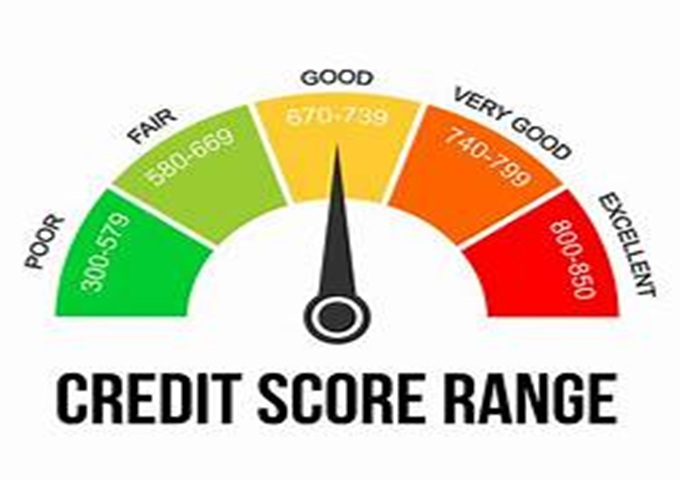
A credit score is a three-digit number, usually between 300 and 850, that lenders use to gauge risk and set loan pricing. Different models, like FICO and
VantageScore, read the same report data in slightly different ways. Lenders review reports from one or more credit bureaus when deciding rates and approval. A higher number often means lower interest and better terms, which saves money over time.
This guide previews the actions that lower a score fastest: late payments, high balances versus limits, and frequent new account inquiries. It also stresses why accurate information in reports matters and why routine monitoring through AnnualCreditReport.com helps catch issues early.
Key Takeaways
- Scores range from 300–850 and shape loan costs and access.
- FICO and VantageScore can show different numbers from the same data.
- Late payments, high utilization, and many applications damage ratings quickly.
- Accurate, current reports matter because models rely on filed information.
- Regular monitoring helps spot errors before applying for new credit.
Understanding credit scores today and why they matter
Numerical ratings translate trade-line details into decisions about loan terms and interest. These ratings come from models that parse a consumer's reported accounts, balances, limits, delinquencies, and inquiry activity.
How FICO Score and VantageScore use report data
The FICO model assigns known weights to categories so consumers can focus efforts where they matter most. Payment history has the largest share, followed by amounts owed and length of history.
| Factor | FICO Weight | How it shows on a report |
| Payment history | 35% | Late payments, public records, collections |
| Amounts owed | 30% | Card balances, loan balances, utilization |
| Length & mix | 25% (15% history, 10% mix) | Account age, variety of account types |
| New credit | 10% | Recent inquiries and opened accounts |
Why lenders and credit bureaus weigh risk and pricing differently
VantageScore reads the same credit report data but emphasizes elements differently. As a result, scores can vary across bureaus and model versions.
- Lenders may pull different reports or model versions for the same loan application.
- Timing matters: reports update on different cycles, so a recent payment might not appear everywhere at the same time.
- Higher scores usually unlock better interest and loan terms, which lowers long-term costs.
What hurts your credit score most
Certain events on a report explain the largest, fastest declines in a credit number. These items show lenders that repayment risk has risen and they often weigh heavily in models.
Late or missed payments that damage payment history
Even a single 30-day delinquency can lower a score and stays on an Equifax report for seven years. Payment history is the top factor, so on-time payments matter most.
High balances and rising amounts owed
High balances relative to limits push up utilization and signal risk. Keeping overall utilization under 30% helps prevent declines.
Severe derogatories and collections
Defaults, charge-offs, foreclosures, and bankruptcy depress a credit number far more than a single late payment and remain visible for years.
Multiple hard inquiries and new accounts
Opening several credit accounts at once adds inquiries and lowers average account age. For loans, focused rate shopping windows limit inquiry impact.
Closing or losing accounts through inactivity
Closing a credit card shrinks available credit and can raise utilization. Inactive accounts may be closed by a lender, producing the same effect.
After major events, consumers should review the report for accuracy and monitor recovery guidance from Equifax.
Payment history: the single biggest scoring factor
Because payment history accounts for 35% of a FICO score, regular on-time payments build the most reliable foundation for a healthy profile. Lenders and models weight this category more than any other, so missed due dates create outsized effects.
How a single 30-day late can drop scores and linger for seven years
A single 30-day late can reduce a score quickly and stays on an Equifax credit report for up to seven years, even after the balance is paid. Bringing an account current stops new late entries, but the original delinquency remains visible.
Escalating impact: 60/90+ day delinquencies and severe derogatories
As delinquencies move to 60 and 90+ days, the negative effect deepens. Collections, foreclosure, or bankruptcy produce larger, longer-lasting declines in credit scores and report entries.
Practical ways to protect on-time payments
Simple safeguards help prevent slips. Enroll eligible accounts in autopay set to at least the minimum payment. Enable text or email alerts and align due dates with pay cycles.
"Consistent on-time payments remain the most reliable way to sustain and rebuild a score."
| Event | Typical impact | Recommended action |
| 30-day late | Moderate, stays on report 7 years | Pay past due amount; set autopay |
| 60–90+ days | Large drop; higher chance of collections | Contact creditor; request hardship plan |
| Collections/Bankruptcy | Severe, long-term suppression | Dispute inaccuracies; pay if it improves standing |
Amounts owed and credit utilization: balancing limits and balances
Balances versus limits act like levers: small changes can produce noticeable rating movement. Amounts owed make up about 30% of a FICO score, so utilization is a core, day-to-day control point.
Target ratios: practical targets to aim for
Credit utilization means a balance divided by a credit limit. Keeping both per-card and overall ratios under 30% prevents larger drops. Consumers chasing top-tier results should aim below 10%.
Per-card vs. overall utilization and why both matter
Scoring models check each card and all revolving accounts together. One maxed card can still harm a score even if the total looks OK.
Example: balances of $1,600, $1,500, and $1,300 on limits of $6,500, $4,800, and $8,000 yield per-card ratios of 25%, 31%, and 16% and overall utilization of 23%. That 31% on a single card can weigh on results.
Tactics to lower utilization without risky behavior
- Pay mid-cycle or before the statement close to cut reported balances.
- Make multiple smaller payments each month rather than one large payment.
- Shift large purchases to debit or cash when possible to avoid added debt.
- Request a credit limit increase on well-managed cards—ask if it can be done without a hard pull.
- Avoid opening a new card solely to raise available limits; new accounts add inquiries and lower average age.
Paying down revolving debt often improves a score faster than reducing installment balances. Over time, steady payment habits and lower ratios help improve credit before major applications. For more on how amounts owed affect ratings, see amounts owed guidance.
Length of credit history, credit mix, and new credit signals
The age and variety of accounts shape long-term ratings and can buffer short-term swings.
Length credit history makes up about 15% of a FICO score. Models look at the oldest account, newest account, and the average age of all accounts. Closing a long-held card can shorten that average and shift the account mix.
How closing cards can shorten average age and affect mix
Closed accounts in good standing can remain on reports for up to 10 years, preserving positive history. Still, shutting an active revolving line may reduce available credit and change the balance of revolving versus installment accounts.
Rate shopping windows that count as one inquiry for loans
New credit counts about 10% of a FICO evaluation. Individual hard inquiries usually trim a score by only a few points. When shopping for mortgages, auto, or student loans, multiple pulls in a short window are usually treated as a single inquiry, so smart timing limits impact.
- Keep long-tenured accounts open when fees or misuse risks do not outweigh benefits.
- Space applications to avoid clustered inquiries and protect average age.
- Learn more about the length of credit history to time major loan events.
Conclusion
Targeted steps this month can start a chain reaction toward healthier credit results.
Focus on paying bills on time and reducing revolving balances. Keeping utilization under 30%—ideally below 10%—and using autopay are simple ways to improve credit fast.
Check each credit report regularly and get free credit checks at AnnualCreditReport.com. Plan loan searches inside rate-shopping windows to limit inquiry impact and save money on interest.
Keep long-tenured, low-fee cards active with small charges to preserve history and available credit. Small, steady behaviors add up: pick one or two actions now, such as setting autopay and lowering a card balance, to move a credit score in the right direction.

1
1