
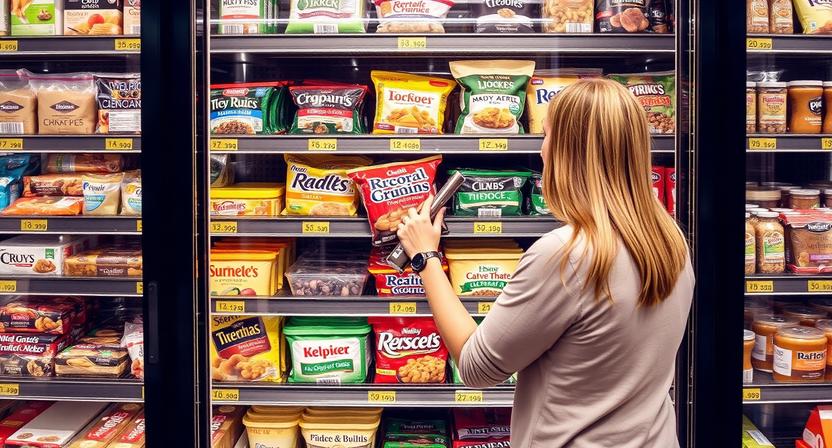
Always Buy the Cheapest Version of These 7 Foods, Frugal Shoppers Say

Stop Paying More for the Same Food in a Prettier Box
If you've ever stood in a grocery store aisle wondering whether the name-brand can of beans is really worth the extra $1.50, you're not alone.
Millions of budget-conscious shoppers have quietly cracked the grocery code — and their secret isn't clipping coupons or buying in bulk (though those help too). Their biggest money-saving move is knowing exactly which foods are always worth buying cheap.
The truth? For certain staple foods, the store-brand or generic version is nutritionally identical, often produced in the same facility, and sometimes even better quality than the premium label you've been loyal to for years.
In this guide, we reveal the 7 foods that frugal shoppers always buy at the lowest price — backed by food science, consumer research, and the wisdom of the personal finance community. Whether you're trying to cut your monthly grocery bill in half, stretch a tight food budget, or simply spend smarter, this list is your starting point.
Estimated Annual Savings: Switching to generic versions of these 7 foods alone can save the average household $400–$800 per year, according to data from theConsumer Reports National Research Center.
Why Frugal Shoppers Trust Generic Food Brands
Before we dive into the list, it's worth understanding why cheap often equals smart when it comes to certain foods.
TheFDA requires that store-brand and generic food products meet the same safety, quality, and labeling standards as national brands. Many store-brand products are manufactured by the same companies that make the name-brand versions — they're just sold under a different label at a lower price point.
The price difference you pay for name-brand products often comes down to:
- Marketing and advertising costs (which you subsidize through higher prices)
- Premium shelf placement fees paid to grocery stores
- Brand equity — paying for a logo, not better food
- Packaging design and influencer partnerships
Frugal shoppers understand this, which is why smart grocery shopping isn't about being cheap — it's about being strategically cost-conscious.
The 7 Foods You Should Always Buy at the Lowest Price
1. 🫘 Canned Beans
Average savings: $0.50–$1.20 per can
Canned beans are the poster child of the frugal shopping movement — and for good reason. Whether you're buying black beans, kidney beans, chickpeas, or pinto beans, the store-brand version is virtually indistinguishable from the premium national brands.
Canned beans are regulated products. They must contain the same core ingredients: beans, water, and sometimes salt. There's no proprietary recipe. No secret technique. No reason to pay extra.
The personal finance community on Reddit'sr/Frugal andr/personalfinance consistently ranks generic canned beans as one of the highest-value grocery swaps available.
Pro Tip: Buying dried beans is even cheaper and lets you control sodium content. A 1-lb bag of dried beans costs roughly $1.50 and yields the equivalent of 3 cans of beans, saving you up to $3.00 per "batch."
2. 🌾 Rice (White, Brown, and Jasmine)
Average savings: $1.00–$3.00 per bag
Rice is rice. Frugal shoppers have known this for decades. The store-brand 5-lb bag of long-grain white rice or brown rice contains the same grain as the branded competitors at a fraction of the cost.
In 2023, the average American household spent $12–$18 per month on rice and grains unnecessarily overpaying for name brands, according to data from theBureau of Labor Statistics Consumer Expenditure Survey.

What matters when buying rice is:
- Grain type (long-grain, short-grain, jasmine, basmati)
- Age of the rice (fresher is better)
- Packaging integrity (no moisture damage)
Brand name? Completely irrelevant.
Exception: Specialty rice varieties (sushi rice, aged basmati from specific regions) may have quality differences worth paying for — but for everyday cooking rice, always go generic.
3. 🥦 Frozen Vegetables
Average savings: $0.75–$2.00 per bag
Here's a fact that surprises many shoppers: frozen vegetables are often more nutritious than fresh produce found in the grocery store. That's because they're flash-frozen at peak ripeness, locking in vitamins and minerals that degrade during shipping and shelf time.
Whether you buy frozen broccoli, peas, corn, green beans, or spinach — the generic bag contains the exact same vegetables as the Birds Eye or Green Giant premium version. The difference? Up to $2 more per bag for the brand name.
TheHarvard T.H. Chan School of Public Health confirms that frozen vegetables retain comparable nutrient profiles to fresh, making them an excellent budget-friendly nutrition source.
Frugal Shopper Hack: Stock up on frozen vegetables when they go on sale and buy in bulk. A full freezer of generic frozen vegetables is one of the cheapest ways to maintain a nutritious, varied diet year-round.
4. 🥚 Eggs
Average savings: $1.50–$3.00 per dozen
Within the same egg grade and size category, store-brand eggs are identical to name-brand eggs. A Grade A large egg is a Grade A large egg — whether the carton has a rooster logo or a plain white label.
The USDA grades eggs on shell quality, white clarity, and yolk firmness — not on which farm produced them or which brand sells them. Store-brand Grade A large eggs pass the same grading standards as any premium brand.
Where you might consider paying more:
- Certified organic eggs (if pesticide-free feed matters to you)
- Pasture-raised eggs (if animal welfare is a priority)
- Omega-3 enriched eggs (if your diet specifically requires it)
For everyday scrambled eggs, baking, or omelets? Generic eggs are the unanimous frugal shopper recommendation.
5. 🍝 Pasta
Average savings: $0.75–$1.50 per box
Barilla. De Cecco. Ronzoni. These are beloved brands — but frugal shoppers know the store-brand pasta sitting right next to them on the shelf is made from the same semolina durum wheat and will cook to the same aldente perfection.
Pasta is a commodity product with a straightforward production process. Major grocery chains like Aldi, Costco (Kirkland), and Trader Joe's have built their reputations partly on private-label pasta that rivals or beats name brands in blind taste tests.
A 2022 blind taste test conducted byGood Housekeeping found that store-brand pasta was rated equally or higher in texture and taste by a majority of participants compared to national brands costing 40–60% more.
Annual Pasta Savings Example: A family eating pasta twice a week switching from $2.50 name-brand to $1.00 store-brand pasta saves $156 per year — on pasta alone.
6. 🫙 Cooking Oils (Vegetable, Canola, and Olive Oil)
Average savings: $1.00–$4.00 per bottle
Cooking oils present one of the most significant brand-premium traps in the grocery store. For standard vegetable oil and canola oil, generic is always the smarter buy. These are highly regulated commodity products with standardized extraction and refinement processes.
Olive oil is slightly more nuanced:
- For cooking and sautéing: Generic store-brand olive oil is perfectly suitable and cost-effective
- For finishing dishes and dressings: If you prefer extra-virgin single-origin olive oil with specific flavor profiles, a premium option may have merit
TheInternational Olive Council provides grading standards that all certified olive oils must meet — meaning a store-brand "extra virgin" olive oil meeting those standards is as legitimate as any pricier alternative.
Bottom line: For everyday cooking, generic oils deliver the same heat transfer, fat content, and cooking performance at a dramatically lower price.
7. 🧂 Spices and Dried Herbs
Average savings: $2.00–$6.00 per jar
This is arguably the biggest money-saving swap on this entire list — and the most overlooked.
McCormick garlic powder. Spice Islands cumin. The premium spice brands command jaw-dropping prices — often $5–$8 per small jar — when store-brand or bulk spices contain the exact same dried, ground herb or spice at a fraction of the price.
Spices are agricultural products that are dried and ground. There is no proprietary process that makes one brand of paprika superior to another at the same quality grade. The FDA and USDA regulate spice quality, and generic spices meet the same standards.
Best Ways to Buy Cheap Spices:
- Store-brand spice jars (typically 40–60% cheaper than name brands)
- International/ethnic grocery stores (often sell large bags of spices for $1–$3)
- Bulk bins at natural food stores (buy only what you need)
- Online retailers like Amazon or Penzeys (competitive pricing for bulk quantities)
According toThe Kitchn, buying spices from international grocery stores or in bulk can save a family $200–$300 per year compared to buying name-brand spice jars at major supermarkets.
How Much Can You Really Save? A Real-World Budget Breakdown
| Food Item | Name Brand (Annual) | Generic (Annual) | Annual Savings |
|---|---|---|---|
| Canned Beans | $156 | $78 | $78 |
| Rice | $144 | $72 | $72 |
| Frozen Vegetables | $312 | $156 | $156 |
| Eggs | $312 | $156 | $156 |
| Pasta | $260 | $104 | $156 |
| Cooking Oil | $96 | $48 | $48 |
| Spices | $240 | $60 | $180 |
| TOTAL | $1,520 | $674 | $846/year |
Based on average U.S. household consumption data and typical grocery store pricing.
Frequently Asked Questions (FAQ)
❓ Are store-brand foods really the same quality as name brands?
In most cases, yes — especially for commodity staple foods like the ones listed above. Many store-brand products are manufactured in the same facilities as national brands. The FDA and USDA enforce the same safety and quality standards regardless of the brand label on the package.
❓ Which foods are NOT worth buying cheap?
There are categories where quality differences are more notable. Consider paying for quality on:
- Meat and fish (freshness, sourcing, and cut quality vary significantly)
- Cheese (aged and artisan cheeses have genuine quality differences)
- Chocolate and coffee (flavor profiles vary widely by origin and processing)
- Probiotics and supplement-enhanced foods (active cultures and dosages matter)
❓ Is Aldi a good option for cheap generic food?
Absolutely. Aldi is one of the most celebrated stores in the frugal community precisely because it sells almost exclusively private-label products at significantly reduced prices. Consumer Reports and multiple independent taste tests have found Aldi store-brand products competitive with — and often superior to — national brands in many categories.
❓ How do I know if a generic product is actually cheaper per unit?
Always check the unit price (price per ounce, pound, or count) displayed on the shelf tag — not just the sticker price. A larger generic container might cost more upfront but delivers a lower cost per serving. Most grocery store shelf tags now include unit pricing to make this comparison easier.
❓ Can switching to generic food help me reach financial goals faster?
Yes — significantly. Saving $800+ per year on groceries compounds meaningfully over time. Redirected into a high-yield savings account or invested in an index fund, $800/year over 10 years at a 7% average return grows to approximately $11,000 — all from smarter grocery shopping.
The Frugal Shopper's Golden Rule
The most financially savvy shoppers don't buy cheap impulsively — they buy cheap strategically. They know which products are commodities (where brand name adds zero value) and which are worth a premium (where sourcing, craftsmanship, or ingredients genuinely matter).
For the 7 foods on this list, the cheapest version is almost always the smartest version. Start with one or two swaps this week, track your savings over a month, and let the results speak for themselves.
Your grocery budget is one of the most flexible line items in your personal finances. Small, consistent changes here create real, lasting financial freedom — one store-brand can of beans at a time.
Helpful Resources for Frugal Grocery Shopping
- 🔗Consumer Reports – Store Brands vs. Name Brands
- 🔗USDA Food Safety and Inspection Service
- 🔗FDA – Food Labeling & Nutrition
- 🔗BLS Consumer Expenditure Survey – Food at Home Data
- 🔗r/Frugal – Reddit Community for Budget Living
- 🔗Harvard Nutrition Source – Vegetables & Fruits
Did this article help you rethink your grocery habits? Share it with a friend who could use a budget boost — and drop a comment below with your favorite frugal food swap!
Tags: frugal grocery shopping, save money on groceries, generic vs name brand food, cheapest foods to buy, store brand vs name brand, budget grocery tips, frugal living, personal finance tips, how to save money on food, cheap healthy food
0 Comments
Be the first to share your thoughts on this article.