
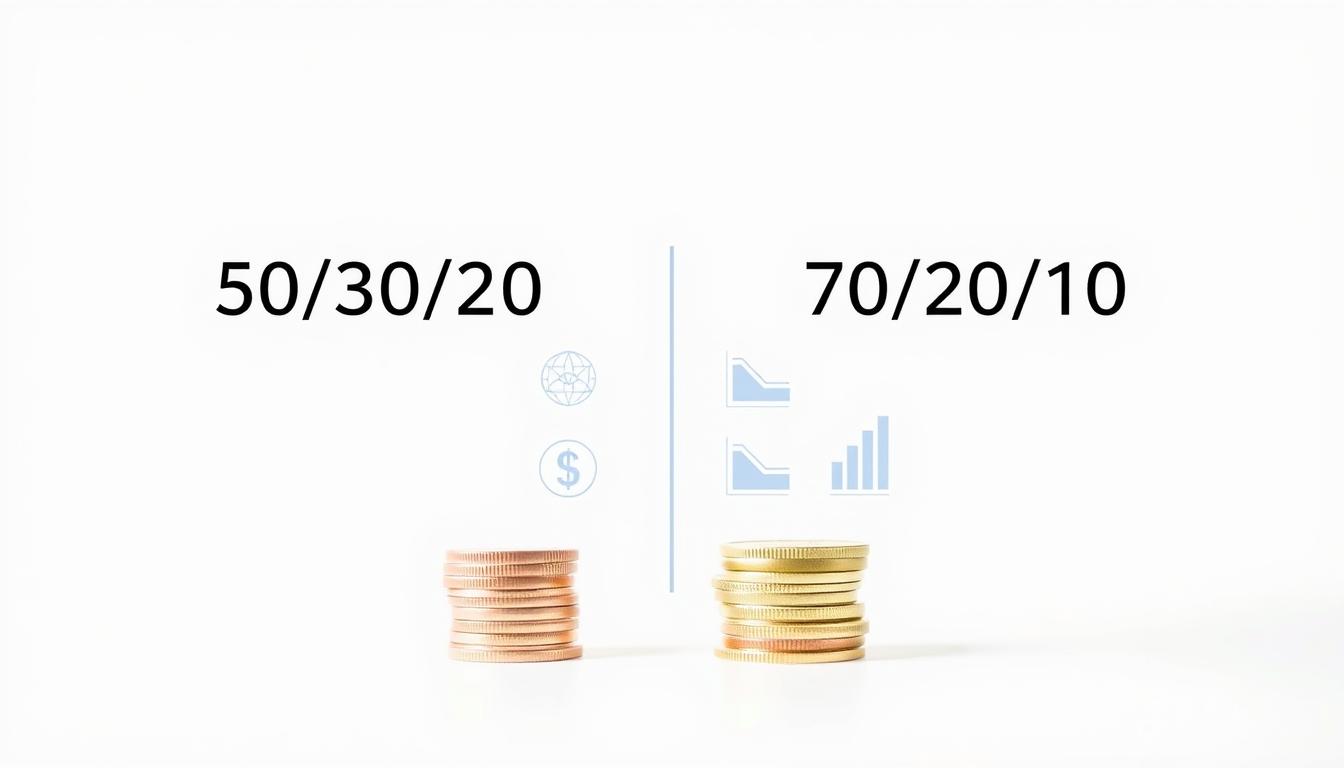
50/30/20 vs 70/20/10 Budget Rules: Which Fits Your Lifestyle?
You need a simple, workable plan to manage money so it matches real life. Two popular percentage systems claim to make budgeting easy by splitting after-tax income into clear buckets. The classic split — popularized by Elizabeth Warren in All Your Worth — suggests one balance of needs, wants, and savings and highlights automation and tracking to stay steady. A recent UK survey found many people could not follow that structure amid rising costs; large shares reported little or no saving and moved toward heavier allocation for essentials. The alternative approach gives more room for essentials while keeping savings and extra payments visible. Both methods aim to help you reach short- and long-term goals without complex spreadsheets.
Key Takeaways
- Both frameworks simplify budgeting so you can manage money without stress.
- The classic split stresses balance; the heavier-essentials split favors stability under pressure.
- Rising housing and energy costs can make classic targets hard to hit.
- Automation and clear categorization help you stick to any plan.
- Choose the structure that maps to your income, debt needs, and life goals.
Quick Overview: How These Budget Rules Help You Manage Money Today
A clear percent system helps you assign every dollar a job without guessing each month.
Both setups use your after-tax income as the working total so targets match what lands in your bank. That makes planning realistic and easier to follow.
Your search intent: choose a budgeting rule that matches your life, income, and goals
You’ll decide quickly between two simple approaches. One favors balance between needs, wants, and savings. The other gives more room for essentials while keeping savings visible.
After-tax income focus and the three categories you’ll use
You will divide money into three high-level categories: essentials, lifestyle, and savings/debt. Keeping these buckets broad cuts decision fatigue and helps you stay consistent.
- Use after-tax income so your plan reflects real cash flow.
- Automate transfers to save time and reduce monthly work.
- Estimate amounts in minutes and adjust without overhauling the whole plan.
| Approach | Primary focus | Best for |
| Balanced percent split | Equal focus on needs, wants, and savings | Beginners seeking steady progress |
| Essentials-first split | Higher essentials allocation with clear saving target | Those facing tight living costs or aiming to save faster |
| Shared traits | Use after-tax income; three categories; automation | Anyone who wants clearer monthly spending and better financial goals |
Understanding the 50/30/20 Rule: Needs, Wants, and Savings Explained
"You’ll find clarity when every dollar has a job." The 50/30/20 rule splits your after-tax income into three simple categories so you can cover essentials, enjoy life, and build future security.
What counts as needs
Needs are the non-negotiables that keep you afloat. Think rent, utilities, groceries, insurance, and minimum debt payments.
Labeling these correctly prevents essential bills from creeping into other parts of your plan.
What counts as wants
Wants include dining out, travel, upgrades, and subscriptions. These let you enjoy life but should not erode long-term goals.
What counts as savings
Savings covers your emergency fund, retirement accounts, investments, and extra debt payoff. Automating deposits makes progress predictable.
"Automate transfers and set auto-pay for bills to reduce decision fatigue."
- Define needs tightly so they don’t exceed their share.
- Separate wants to protect savings momentum.
- Map savings to high-impact uses and review monthly.
Understanding the 70/20/10 Rule: A Savings-First Approach
With a heavier tilt toward saving, this split pushes you to make future goals a priority today.
How the allocation works: You cap combined living costs and lifestyle spending at about 70% of your after-tax income. That forces clarity on trade-offs and keeps overall expenses lean.
Next, you treat 20% as a non-negotiable savings target. Use it for an emergency fund, retirement, and long-term investments.
The final 10% goes to extra debt repayment, giving, or a boost to savings. If you clear high-interest debt, redirect that portion to investments to speed net worth growth.
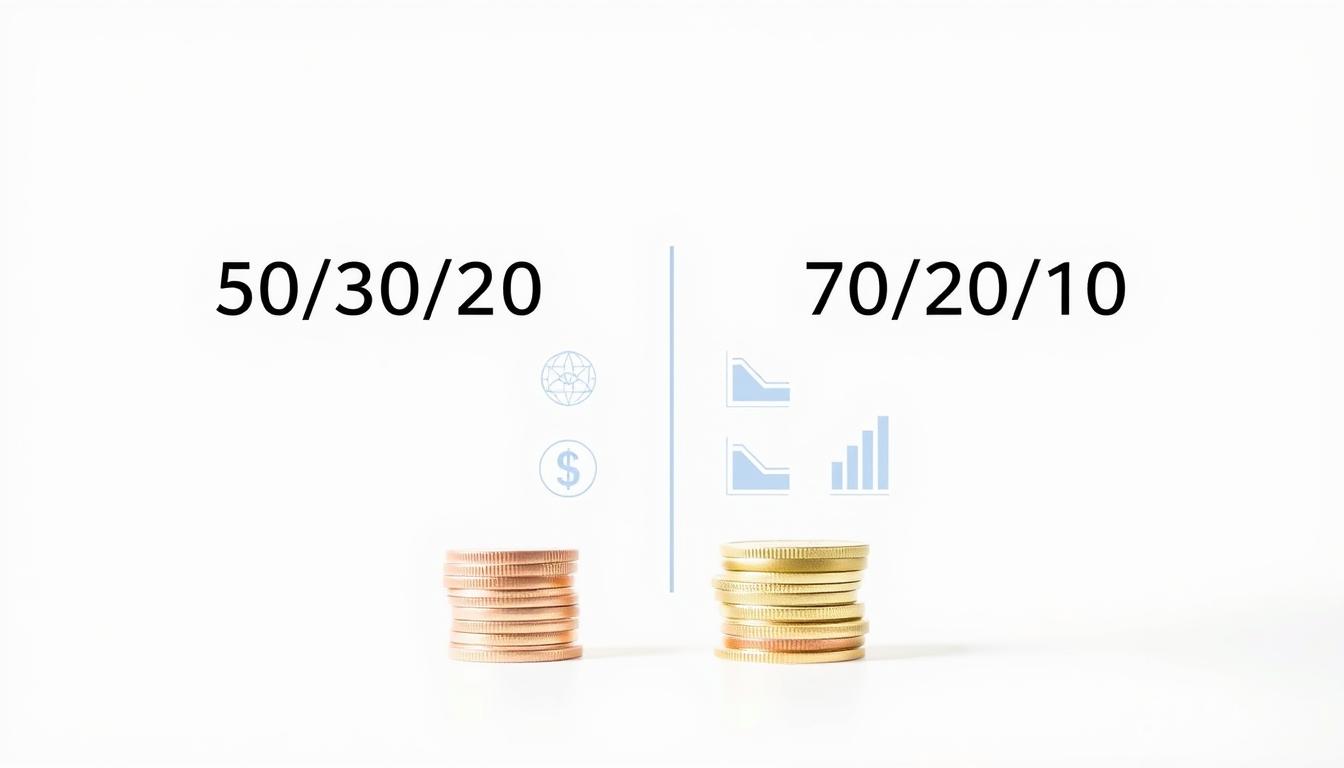
Tip: If discretionary and essential costs sit in one bucket, create small sub-budgets to stop wants from crowding out savings.
| Allocation | Primary use | When to change |
| ~70% | Combined needs and wants; daily spending | When essentials rise, tighten wants |
| ~20% | Savings for emergency and investments | Maintain as long-term target |
| ~10% | Extra debt paydown or giving; then redirect to savings | After high-interest balances clear |
50/30/20 vs 70/20/10: Which Budget Rule Fits Your Lifestyles?
Your mindset determines the best path. One method centers on steady balance between needs, wants, and savings. The other emphasizes strict saving and limits total spending so you hit long-term goals faster.
Philosophy head-to-head: balance versus discipline
The 50/30/20 rule gives clear categories and helps beginners label expenses and automate transfers. That reduces decision fatigue and protects your savings.
Clarity and simplicity for beginners vs. flexibility for savers
By contrast, the 70/20/10 approach caps combined spending and forces discipline. It suits savers who want to accelerate net worth and limit discretionary leaks.
How each rule adapts when your expenses fluctuate
- With the 50/30 rule, you trim wants first when needs grow.
- The stricter split keeps total spending inside a hard cap, so you adjust both wants and nonessential bills.
- Both rules act as guides — you can start balanced and move toward discipline as income and goals change.
Cost of Living Reality Check: When 50/30/20 Doesn’t Fit
Inflation and tight local markets push essential spending above neat targets, demanding practical changes.
Survey data show only seventeen percent of people could follow the 50/30/20 rule. Most respondents reported rising essentials, and thirty-eight percent said they couldn’t save at all.
How rising essentials reshape your monthly plan
Higher housing, groceries, and energy can push needs past half your take-home pay. When that happens, your budget must shift so bills get paid without wiping out savings.
Practical shifts people make
Many move toward splits between sixty/thirty/ten and seventy/twenty/ten as a bridge. Those adjustments keep basic costs covered while still directing some money to reserves.
- Use buckets for rent, bills, groceries, car, and insurance so each need stays visible.
- Keep a small automated deposit to savings — don’t stop saving entirely.
- Set discretionary caps and review quarterly to regain stronger saving as prices fall.
"If local rent markets are tight, consider house-sharing or negotiating renewals to reduce pressure."
Savings Power and Debt Strategy: Building Your Emergency Fund and Future
Build a practical safety net so short-term shocks don’t derail long-term plans. Start by setting a clear target for a three- to six-month emergency fund and treat that fund as your first priority.
Targeting three to six months of expenses
You’ll calculate monthly essentials and multiply by three to six to set a realistic emergency goal. Keep this cash in a liquid account you can access quickly in an emergency.
Boosting retirement and investments
Use the savings portion of your plan to fund retirement accounts and diversified investments while keeping a cash buffer. Automate contributions so savings and retirement happen without extra effort.
Redirecting extra payments after debt payoff
When you clear high-interest debt, redirect any extra payments into savings and investments. That change can lift your effective savings rate and speed compounding for the future.
"Prioritize high-interest balances first so more of your money compounds in investments rather than servicing interest."
- Set the emergency fund target first, then allocate ongoing savings to retirement and taxable investments.
- Automate deposits to make progress steady and frictionless.
- Phase goals: stabilize cash, then boost retirement and investment contributions as debt falls.
| Step | Action | Why it matters |
| 1 | Build 3–6 months emergency fund | Protects income and prevents high-cost borrowing in an emergency |
| 2 | Automate retirement and investment contributions | Ensures consistent savings and harnesses compounding |
| 3 | Pay high-interest debt, then redirect extra payments | Frees cash flow and accelerates wealth building |
Real-Life Fit by Lifestyle: Students, Families, and Freelancers
People at different points in life need practical tweaks to any percentage plan so it stays useful. Use a simple framework as a starting point, then bend it to match your monthly reality.
If you’re early in your career: protecting fun money while starting to save
If you are building a career, keep some discretionary funds so life feels livable. Protect a small amount for socializing and hobbies while automating one portion to savings each payday.
This preserves short-term enjoyment and builds steady savings habits without heavy sacrifice. It also helps manage student loan priorities and transport costs.
If you’re growing a family: prioritizing security, insurance, and cash buffers
When you add dependents, shift your priorities toward larger emergency buffers and proper insurance for home and car. Emphasize protection so shocks do not derail long-term goals.
Use automation to fund an emergency account and retirement consistently. That keeps essentials covered and gives you space to plan for childcare and education expenses.
If you’re self-employed: keeping a simple structure for variable income
If your income swings, choose a lightweight budgeting method you can scale up or down. Automate fixed savings on good months and use a lean spending cap when cash is thin.
Set aside a reserve for taxes, business bursts, and slow seasons. Clear priorities—business reserves, health insurance, and living costs—make money decisions fast and less stressful.
"Small, automatic habits beat perfect plans you never follow."
Revisit your setup twice a year to capture raises, adjust for big expenses, and keep momentum toward your goals. That habit keeps the plan useful as life changes.
Practical Setup: From After-Tax Income to Three Clear Categories
Begin with a single number: the cash that arrives in your bank after taxes and deductions. That clear figure keeps targets realistic and avoids guesswork.
Calculate your after-tax income and map essentials first
Count your regular pay after deductions and list essentials: rent, utilities, groceries, transportation, insurance, and minimum debt. Map these to the needs bucket first so bills get priority.
Automate transfers to savings and debt accounts
Open separate accounts or sub-accounts and schedule automatic transfers for savings, investments, and extra debt payments. Set auto-pay for recurring bills to avoid late fees and simplify money management.
Use “jars” or buckets to prevent overspending on wants
Create digital jars for rent, groceries, car, and insurance so card spending draws from the correct bucket. Keep a small wants jar with a fixed cap to enjoy discretionary spending without spillover.
- Review transactions for five minutes weekly to catch drift early.
- Refine targets quarterly as real spending patterns emerge.
| Step | Action | Why it matters |
| 1 | Confirm after-tax income | Ensures the percentages reflect real cash flow |
| 2 | Open separate accounts and automate transfers | Reduces friction and protects savings |
| 3 | Use jars for categories and cap wants | Prevents overspending and clarifies true spending |
Use this simple setup to manage money with less stress and clearer monthly results. Apply the same rule month to month and adjust as life changes.
Scenario Planning: Choose the Rule That Matches Your Goals
Scenario planning helps you pick a practical path when life changes. Start by listing your top goals and the timeline for each. This makes trade-offs easier when essentials climb or income shifts.
If rent and groceries exceed 50%: adjusting wants and redefining categories
First, trim wants and nonessential subscriptions so bills stay paid. Then review services and housing options to lower fixed costs.
If pressure remains, consider a temporary higher-spending cap that protects essentials while keeping a small saving deposit active.
If your goal is aggressive saving: shifting toward a higher savings split
Map a step-up plan to increase your saving share each quarter. Automate transfers so the change feels automatic, not painful.
If you’re paying down high-interest debt: prioritizing extra payments
Direct windfalls and freed cash to high-rate debt until balances drop. After payoff, redirect that cash to investments and your long-term financial goals.
- Set checkpoints and a review month to reallocate freed cash.
- Negotiate bills and consolidate where it lowers interest or fees.
- Test the plan against a stress case to keep slack for surprises.
| Trigger | Action | Outcome |
| Essentials rise above target | Cut wants; renegotiate bills; consider temporary higher cap | Stabilized expenses; small ongoing saving |
| Aggressive saving priority | Step-up savings; automate transfers each pay | Faster net worth growth; clear timeline for goals |
| High-interest debt | Prioritize extra payments; route windfalls to balances | Lower interest drag; then boost retirement and investments |
Keep a short written plan that links each trigger to a next move. That removes doubt and keeps your priorities aligned with measurable goals.
Common Mistakes to Avoid When You Budget by Percentages
Small classification errors can quietly drain your savings and derail a monthly plan. You need clear rules for how to label expenses, track changes in income, and keep simple habits that protect progress.
Mixing wants into needs and eroding your savings rate
Calling premium streaming, phone upgrades, or add-ons "needs" shrinks the money left for savings. Keep essentials tight so savings stays automatic.
Ignoring income changes and failing to rebalance your plan
When pay rises or falls, your percentages must move too. Recalibrate so the plan reflects current cash flow, not last year's numbers.
Skipping tracking and relying on guesswork
Guessing invites drift. Check balances weekly and audit subscriptions monthly to stop wants from slipping into regular spending.
- Automate transfers on payday to lock in savings and build steady habits.
- Set a short time-boxed review each month to catch leaks early.
- Document three cuts to make if essentials run hot, and set a date to restore targets.
| Common mistake | Impact | Quick fix |
| Mislabeling extras as needs | Lower savings; hidden overspend | Reclassify and cap discretionary jars |
| Not updating percentages after income changes | Outdated plan that misallocates money | Recalculate using after-tax income and adjust transfers |
| No regular tracking | Subscription creep and surprise shortfalls | Weekly check-ins and monthly audits |
Conclusion
A simple percentage plan can turn scattered paychecks into a reliable, goal-focused system. It helps you organize money, set automatic transfers, and keep essentials covered while you build steady savings.
Pick the rules that feel realistic today and plan to refine them over time. Make sure automation handles repeats so the heavy lifting happens without extra time from you. Small reviews let you shift toward higher savings when income grows.
In short, choose a clear path, set the transfers, and start. That way you protect bills, grow reserves, and move toward a stronger financial future with less stress in day-to-day life.

0 Comments Comments