
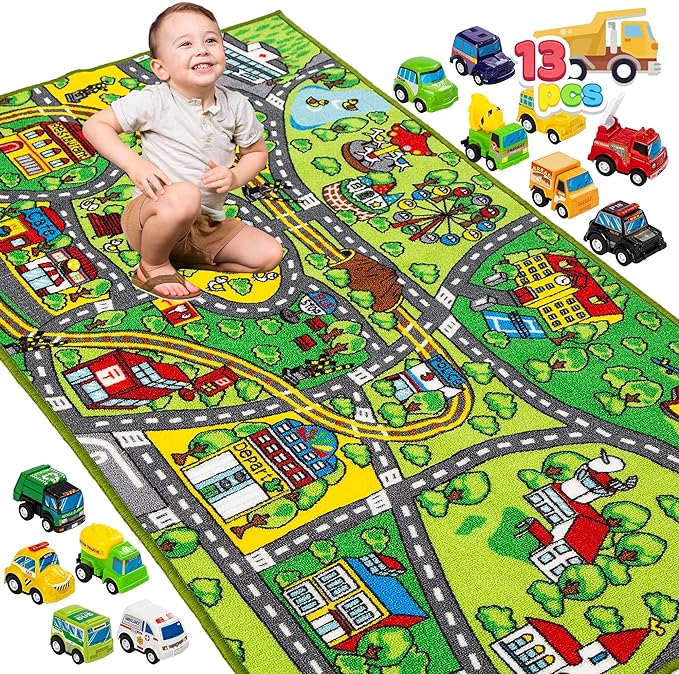
Creative and Functional Toddler Room Ideas
Creating a space for a toddler room ideal isnt just about making it look good; it's about crafting a safe, stimulating environment that caters to their growing needs. Why is it important to focus on both the functional and the fun when it comes to designing these spaces?
Importance of a Well-Designed Toddler Room
Creating a well-designed room for a toddler is far more than just a matter of aesthetics; it's about constructing a nurturing environment that supports their growth, ensures their safety, and stimulates their imagination. Here's why thoughtful design in a toddler's room is essential and the multifaceted benefits it offers.
Safety Considerations
For toddlers, the world is a playground, and their room is no exception. At this age, they are naturally curious and begin to explore their environment extensively. This exploratory behavior makes it critical to prioritize safety in every aspect of room design:
- Secure Furniture: Furniture in a toddler's room should be sturdy and anchored if possible, to prevent tipping if a child climbs on it. Rounded corners are preferable to sharp edges to protect against bumps and bruises.
- Non-toxic Materials: From the paint on the walls to the finish on the furniture and the toys they play with, everything should be non-toxic. Toddlers are prone to put things in their mouths, making it crucial to avoid lead-based paints and harmful plastics.
- Window and Door Safety: Windows should have locks, and any blind cords must be out of reach to avoid entanglement. Door stoppers can prevent little fingers from being pinched.
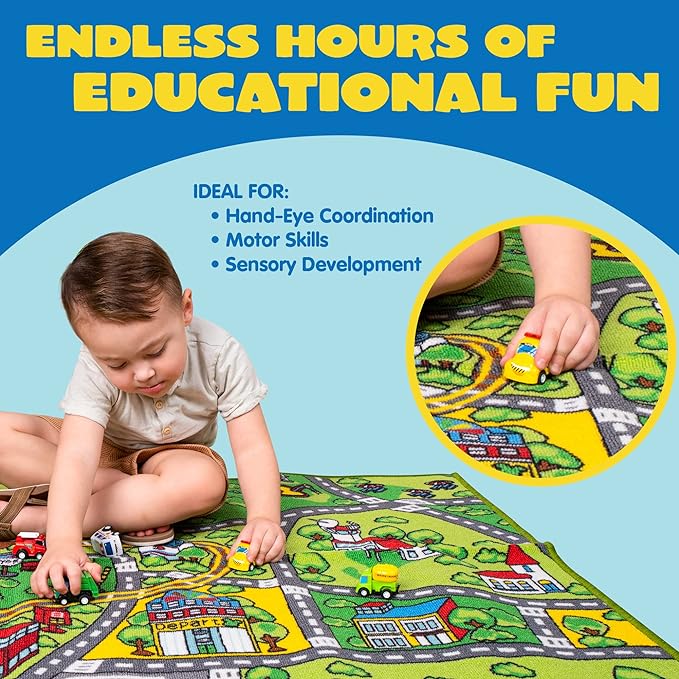
Encouraging Creativity and Learning
A toddlers room should be a space that not only keeps them safe but also encourages them to learn and grow. Heres how a well-designed room can stimulate creativity and development:
- Interactive Environment: Incorporate elements that a toddler can interact with, such as a low-hanging chalkboard, accessible bookshelves with a variety of books, or a small art station with safe supplies. These features invite them to engage and learn through play.
- Theme-Based Decor: Themes like oceans, forests, or space can ignite a toddler's imagination and curiosity about the world. Educational decorations, such as alphabet wall decals or animal prints, can also provide learning opportunities.
- Sensory Play Areas: Designate areas or include items that stimulate the sensesdifferent textures on rugs or pillows, colorful murals, or interactive wall panels. Sensory play enhances cognitive growth by encouraging 'hands-on' interaction with their environment.
Boosting Independence and Confidence
A well-designed toddler room can also play a crucial role in fostering independence and building confidence:
- Accessible Design: Ensure that toys, clothes, and other belongings are within easy reach. Use open shelves, low drawers, and child-sized furniture to allow toddlers to pick out their clothes, toys, and books themselves. This accessibility encourages them to make decisions and fosters a sense of independence.
- Safe Exploration Space: By providing a safe environment where toddlers feel secure, they are more likely to explore and try new things. This exploration is key in developing their problem-solving skills and self-esteem.
Adaptable Spaces
Finally, toddlers grow quickly, and their needs can change just as fast. A well-designed room is adaptable and can evolve with the child:
- Flexible Furniture: Investing in furniture that can grow with your child, such as convertible cribs that turn into toddler beds, ensures the room can adapt without requiring complete redesigns.
- Neutral Foundations with Changeable Accents: Start with neutral walls and flooring that can easily match new themes or interests. Changing out soft furnishings, curtains, and wall art can refresh the space as your toddler's tastes develop.
Essential Furniture for a Toddler's Room
When furnishing a toddler's room, selecting the right pieces is crucial not only for the room's functionality but also for promoting safety, comfort, and independence. Heres a detailed look at the essential furniture pieces every toddler's room should have and the key features to consider.
Choosing the Right Bed
A bed is perhaps the most critical piece of furniture in a toddler's room. As toddlers transition from cribs to their first beds, choosing the right one can significantly affect their sleep quality and safety.
Toddler Beds vs. Twin Beds
- Toddler Beds: These are ideal for small children transitioning from a crib. Toddler beds are low to the ground, which makes getting in and out easier and safer for little ones. They usually have built-in guardrails to prevent falls.
- Twin Beds: A twin bed can be a long-term investment, as it suits children well into their teenage years. When choosing a twin bed for a toddler, consider adding removable guardrails to provide the same security as a toddler bed.
Features to Look for in a Bed
- Safety Rails: Essential for preventing falls, especially if your toddler tosses and turns.
- Sturdy Construction: The bed should be robust and stable to withstand jumping and other robust toddler activities.
- Certified Materials: Look for certifications that guarantee the bed and its components are free from harmful chemicals and materials.

Storage Solutions
Toddlers come with lots of accessoriesclothes, toys, books, and more. Efficient storage solutions help keep the room organized and safe by minimizing clutter.
Types of Storage Furniture
- Dressers: Choose dressers with easy-to-pull drawers that have safety stops to prevent them from being pulled out entirely.
- Bookcases: Open front bookcases are great for toddlers as they allow little ones to pick out and put back their books and toys. Ensure they are anchored to the wall to prevent tipping.
- Toy Chests: Opt for toy chests without lids or with safety hinges to avoid pinching little fingers. Toy chests should be easy for toddlers to access and should encourage them to put toys away independently.
Organizing Toys and Books
- Bins and Baskets: Labelled bins and baskets can help toddlers learn where things belong and make clean-up easier.
- Shelves at Toddler Height: Shelves should be low and within a toddler's reach so they can easily access and return items.
Seating Options
Apart from beds and storage, seating is another essential element in a toddlers room. It should be comfortable and appropriately sized for small bodies.
Child-Sized Chairs and Tables
- Chairs: Small chairs that are sturdy and fit a toddlers height encourage good posture and provide a comfortable place for drawing, reading, or playing.
- Tables: A small table paired with chairs is perfect for snack time, crafts, or puzzles. Round tables without sharp edges are safer for active toddlers.
Reading Nooks
- Soft Seating: Soft bean bags, mini armchairs, or cushioned benches make ideal seating options for a cozy reading nook. Ensure they are low to the ground and have washable covers.
Multi-functional Furniture
To maximize the utility and longevity of furniture in a toddler's room, consider pieces that can serve multiple functions.
- Convertible Cribs: These cribs transform into toddler beds and sometimes even into full-sized beds, making them useful for many years.
- Desk Combos: Some storage units come with a built-in desk space that can be used for arts and crafts during the toddler years and homework as the child grows.
Selecting the right furniture for a toddlers room goes beyond simple decoration. It involves choosing safe, functional, and adaptable pieces that will grow with your child, foster their independence, and help keep their room organized and free of clutter. This thoughtful approach to selecting furniture can significantly enhance the usability and enjoyment of a toddler's personal space.
Creative Themes and Decorations
Popular Themes for Toddler Rooms
From jungle adventures to fairytale princesses, themes can turn a toddler room into a world of wonder. Which themes are not only fun but also gender-neutral and timeless?
DIY Decoration Ideas
Why buy when you can DIY? What are some simple yet creative DIY projects like wall art or murals that you can undertake to personalize your toddlers space?
Maximizing Space in a Toddler's Room
Designing a toddlers room often requires a thoughtful approach to space management, especially in smaller rooms or shared spaces. Here are practical strategies for maximizing space in a toddler's room, ensuring it is both functional and comfortable for little ones to play, learn, and rest.
Layout Tips for Small Rooms
Efficient use of space is crucial when dealing with smaller rooms. Heres how you can make the most of the available area:
Furniture Placement
- Corner Layouts: Positioning furniture like beds and storage units in corners can free up central floor space for play and movement. This layout keeps the room from feeling cramped and leaves more room for active play.
- Avoid Overcrowding: Select furniture that fits well without overcrowding the room. Multi-functional pieces can be particularly effective in saving space.
Using Vertical Space
- Wall-mounted Shelves: Utilize vertical space for storage by installing wall-mounted shelves where books, toys, and decorative items can be kept safely out of the way.
- Hanging Organizers: Use hanging organizers on doors or walls to store small items like accessories, art supplies, or toys. This keeps things organized and easily accessible while saving floor space.
Multipurpose Furniture
In a toddler's room, furniture that serves multiple functions can be a game-changer. Heres how you can use multipurpose furniture to maximize room utility:
Convertible Furniture Pieces
- Convertible Cribs: These cribs that transform into toddler beds and sometimes even into full-sized beds can save both space and money over the years.
- Bench Storage: Benches that open to reveal storage space can serve as both seating and a place to store toys, books, or bedding.
Benefits of Using Multipurpose Furniture
- Cost-Effective: Investing in furniture that grows with your child or serves various purposes can reduce the need to purchase new items as needs change.
- Space-Saving: Multipurpose furniture reduces the amount of floor space needed by combining several functions into a single piece, essential in small rooms.
Space-Saving Storage Solutions
Proper storage solutions are essential in maximizing space. Here are some storage ideas tailored for toddler rooms:
Under-Bed Storage
- Drawers and Bins: Utilize the space under the bed with storage bins or drawers on wheels. This hidden storage solution can hold seasonal clothing, extra bedding, or toys, keeping them out of sight yet accessible.
Closet Organizers
- Customizable Shelving: Adjustable shelving in closets can accommodate changing needs as your toddler grows. Adding extra rods at lower heights allows toddlers to reach their clothes, fostering independence.
- Vertical Dividers: These can help segment closet space more efficiently, allowing for better organization of clothes, shoes, and storage baskets.
Flexible Room Layouts
Keeping the room layout flexible can also help maximize space by allowing the room to be easily rearranged to suit different activities or stages of growth.
Furniture on Wheels
- Mobile Units: Consider furniture on wheels, like toy chests, chairs, or even desks. This flexibility allows the room to be rearranged quickly depending on the activity or to make cleaning easier.
Foldable Furniture
- Fold-away Desks: A fold-away desk mounted to the wall can provide a workspace when needed and fold down to free up space when not in use.
- Collapsible Play Tents: Instead of permanent large play structures, opt for collapsible play tents or tunnels that can be set up for playtime and easily stored away.
Maximizing space in a toddlers room requires creativity and flexibility. By strategically choosing the right furniture and layout, you can create a room that feels spacious, organized, and adaptable to the changing needs of your growing child. These strategies not only make the room more functional but also ensure it remains a safe, enjoyable space for toddlers to play, learn, and rest.
Incorporating Educational Elements
Creating an educational environment within a toddler's room can significantly enhance their learning and development. By thoughtfully integrating educational toys, tools, and spaces, you can stimulate your toddlers curiosity and foster a love for learning right from their own room. Heres how to effectively incorporate educational elements into a toddlers room setup.
