
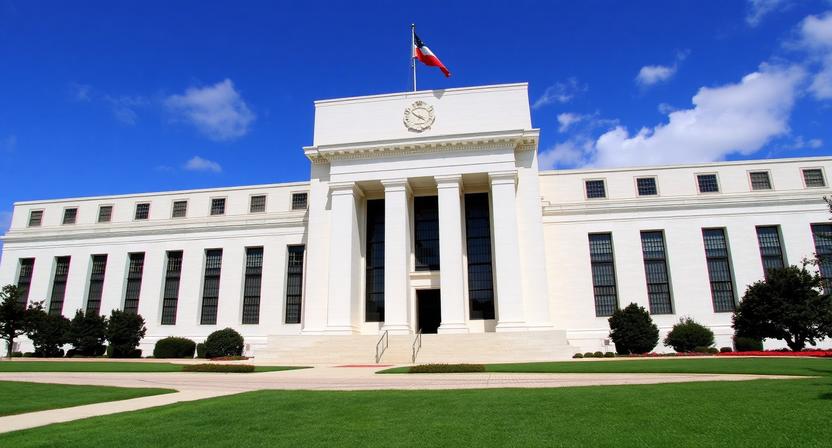
Credit-card Interest-rate Strategies as Borrowers Wait for Fed Cuts

You likely track headlines about the federal reserve and fed rate moves and wonder what they mean for your money. When the central bank cut its target range by 25 basis points to 3.50%–3.75%, some banks adjusted prime and variable APRs, but changes did not always flow straight to your monthly bill. That gap matters. If you carry a balance, a headline drop does not guarantee fast savings. Your best wins come from practical steps you can take now — payoff order, avoiding penalty APR triggers, and trimming utilization — while the broader rates landscape shifts. This guide lays out clear actions: how to compare issuer offers, when a 0% intro balance transfer helps, and when consolidating into a fixed-rate loan makes sense. It also flags the wider money impact: cuts tend to lower returns on savings and money market accounts, so protect both sides of your finances.
Key Takeaways
- Fed moves can change benchmarks, but your accounts may lag.
- Focus on payoff priority and utilization to save more than headlines do.
- Negotiate with your issuer or compare 0% transfer offers carefully.
- Consider fixed-rate consolidation when the math clearly favors it.
- Account for lower yields on savings when planning cash and debt moves.
How Fed rate cuts change your credit card APR and borrowing costs
A change in the federal funds target changes how banks price short-term funding, and that can ripple into what you pay on revolving balances.
What the federal funds rate is and why it matters.
What the federal funds target is
The federal funds rate is the Fed's target for overnight lending between banks. It sets a baseline cost of funds that influences bank decisions and retail pricing.
How the target range influences prime and variable pricing
Many variable products use a benchmark quoted as prime + margin. When the funds target falls, prime often follows and may lower variable APRs over time.
When changes actually appear on your statement
Issuers may update pricing quickly or after a statement cycle. Check the APR section, the "interest charge calculation" box, and any change-in-terms notice. "A headline move starts the process; actual billing changes depend on your issuer's timing and your account terms."
| Timing | Typical lag | What to check |
| Fast-moving issuers | 1 billing cycle | Statement APR line |
| Slow repricers | 2–3 cycles or review | Change-in-terms notice |
| Fixed products | No change | Loan agreement |
Note: Even a small decline in published benchmarks may not cut your finance charges much if balances remain large. Practical payoff actions usually matter more than watching each rate move.
Credit‑card interest‑rate strategies as borrowers wait for Fed cuts
Small benchmark moves often shave only pennies from your monthly finance charges, so acting now usually saves more than waiting.
Stop waiting: why a quarter-point cut may not meaningfully reduce your interest
A 0.25% benchmark change often produces only a modest APR shift. That tiny change rarely beats the dollars you cut by lowering principal faster.
Practical payoff steps typically outpace the savings from a small policy move, especially if your balances are large.
Build a payoff plan that targets high-interest balances first
Use the avalanche method: list accounts by APR, pay minimums on each, and direct extra funds to the highest-cost balance.
Set a monthly principal target and track two milestones: a 30‑day progress check and a 90‑day balance review.
Use autopay and due-date alignment to avoid late fees and penalty APR risk
Enable autopay at least for minimums so you never miss a payment. Then schedule a weekly or payday extra to lower your average daily balance. Align due dates when possible to simplify cash flow and cut the chance of late fees that can raise your costs sharply. "Missing a payment can trigger tougher terms and higher costs; on-time history is part of any effective plan."
Reduce utilization to protect your credit score while you pay down debt
Keep reported balances low, especially near statement close dates, to help your score. Lower utilization supports future refinancing options.
Combine a realistic timeline with monthly targets and quick check-ins so you control payoff time despite market uncertainty.
Negotiate, transfer, or refinance to lower interest rates on credit card debt
Picking the right path — negotiate, transfer, or consolidate — can trim monthly costs and shorten payoff time.
How to ask your issuer for better terms
Call the number on your account and be prepared. Start with a short script: state your request, cite on-time history, and ask for an APR reduction, hardship review, or fee waiver.
Script example: "I’ve been a customer X years. My payments are on time. Can you lower my current APR or review hardship options?"
How to use a 0% intro balance transfer without losing the promo
Move balances within the promotional window and set autopay for at least minimums. One late payment can void the offer. Watch transfer fees (commonly 3%–5% with minimums) and confirm the exact promo end date before initiating a switch.
When a fixed-rate consolidation loan beats revolving debt
If you can qualify for a personal loan with a materially lower fixed rate and you won't re-run balances, a fixed-term loan can reduce total costs and force discipline.
Hidden costs to compare
Look beyond headline APR. Compare balance transfer fees, loan origination fees, and the total interest paid over the payoff horizon.
| Option | Typical fees | Best when |
| Negotiate with issuer | No fee | You have strong payment history and want simplicity |
| 0% intro transfer | 3%–5% transfer fee (some with $5 min) | Can pay before promo ends and avoid late payments |
| Fixed-rate loan | Origination fee possible; fixed monthly payment | Qualify for lower fixed rate and need a set payoff timeline |
"You're not just chasing a lower number; choose the product and payoff plan that gets you debt-free with the fewest failure points."
Use Fed cuts to free up cash flow beyond credit cards
Not every loan reacts the same to monetary easing; knowing which one will change your monthly payment helps you act.
Student loans: fixed federal vs. private variable loans
Federal student loans have fixed terms and generally don’t change when the fed rate moves. That means your payment usually stays the same unless policy directly changes federal program rules. Private student loans with variable pricing may dip with broader market moves. Expect modest reductions and check your loan agreement to see how quickly adjustments apply.
Mortgage timing and when refinancing helps
Mortgage pricing often follows longer-term bond yields, so mortgage rates rarely shift in lockstep with short-term moves. A fixed-rate mortgage only drops if you refinance into a new loan with a lower locked rate. Before refinancing, compare APR, points, and closing costs. Estimate your break-even month and confirm you'll stay in the home long enough to realize savings.
"Stabilize high-cost revolving balances first, then evaluate longer-term loans with a clearer credit profile."
- Use any cash-flow relief to pay down the highest-cost debt, not expand spending.
- Sequence actions: tackle revolving balances, review private student loans, then consider mortgage moves.
- Check market trends and run the math on refinancing before you commit.
Protect your savings as deposit rates fall in money market and savings accounts
When market pressures shift, banks often cut what they pay on savings and money market accounts almost immediately. That means yields can drop before you notice.
Why high-yield accounts can change quickly
High-yield savings accounts typically have variable APYs. Your bank can adjust the payout with little notice, so a top APY today may not last long.
When a short-term CD makes sense
A short-term CD locks a fixed rate for the term. That protects a slice of your savings from falling yields. Be mindful: you trade liquidity and may face early withdrawal penalties if you need cash unexpectedly.
Choose liquidity vs. yield
Build a tiered emergency fund:
- Immediate cash in a checking or ultra-liquid account.
- Near-term reserves in a high-yield savings account to earn more while staying accessible.
- Optional laddered CDs for money you won’t need soon to lock fixed yields.
Protecting savings keeps you from using revolving balances when surprises hit. A stable emergency buffer helps you avoid high-cost borrowing.
| Option | Typical trade-off | Best use |
| High-yield savings | Variable APY, high liquidity | Near-term emergency funds |
| Money market | Variable payouts, check-writing in some accounts | Short-term parking with easy access |
| Short-term CDs | Fixed rate, limited access until maturity | Lock yield on funds you can set aside |
"Even if deposit payouts dip, disciplined savings and clear liquidity plans keep you resilient while you pay down debt."
Put it all together with a rate-cut-ready personal money plan
Before moving balances or switching products, pin down what you want to achieve and how long you need it to work. A short goal list—emergency cushion, payoff target, and timeline—keeps choices aligned with your priorities.
Review goals and timeline
Start with concrete targets: how much funds you need accessible, when you expect to be debt-free, and your tolerance for fees and fees drag. The federal reserve meets eight times a year; timing matters when you plan switches.
Track APRs, statements, and payments
Log your APR and statement figures each cycle. Compare interest charges, save PDFs or screenshots, and mark any change within 1–2 billing cycles for most variable products.
When to seek professional guidance
If you juggle multiple balances, consider refinancing a mortgage, or face market uncertainty, a planner or credit counselor can help align actions with risk limits.
Treat a rate cut as a helpful tailwind, not the engine of your plan.
| Step | Quick action | Why |
| Stabilize cash flow | Set autopay | Avoid late fees |
| Pay down revolving balances | Target highest-cost first | Save most dollars |
| Evaluate product moves | Run total-cost math | Reduce failure risk |
Conclusion
Market shifts can nudge borrowing costs, but action on your balances drives real savings. Lowering what you owe, avoiding fees, and speeding payoff beat small headline moves. Remember that your APR may adjust after federal funds changes, yet monthly costs still hinge on utilization, statement timing, and on-time payments. Keep statements and APR disclosures under review so you know what actually changed in your accounts. Next steps: build an avalanche payoff plan, call to negotiate or consider a 0% balance transfer only if you can meet the promo terms, and compare a consolidation loan when total cost clearly falls. Protect savings by keeping an accessible emergency fund so you don’t create new debt.
You can’t control the Fed, but you can control your exposure through smarter product choices, steady payment habits, and a clear payoff plan.
0 Comments
Be the first to share your thoughts on this article.