
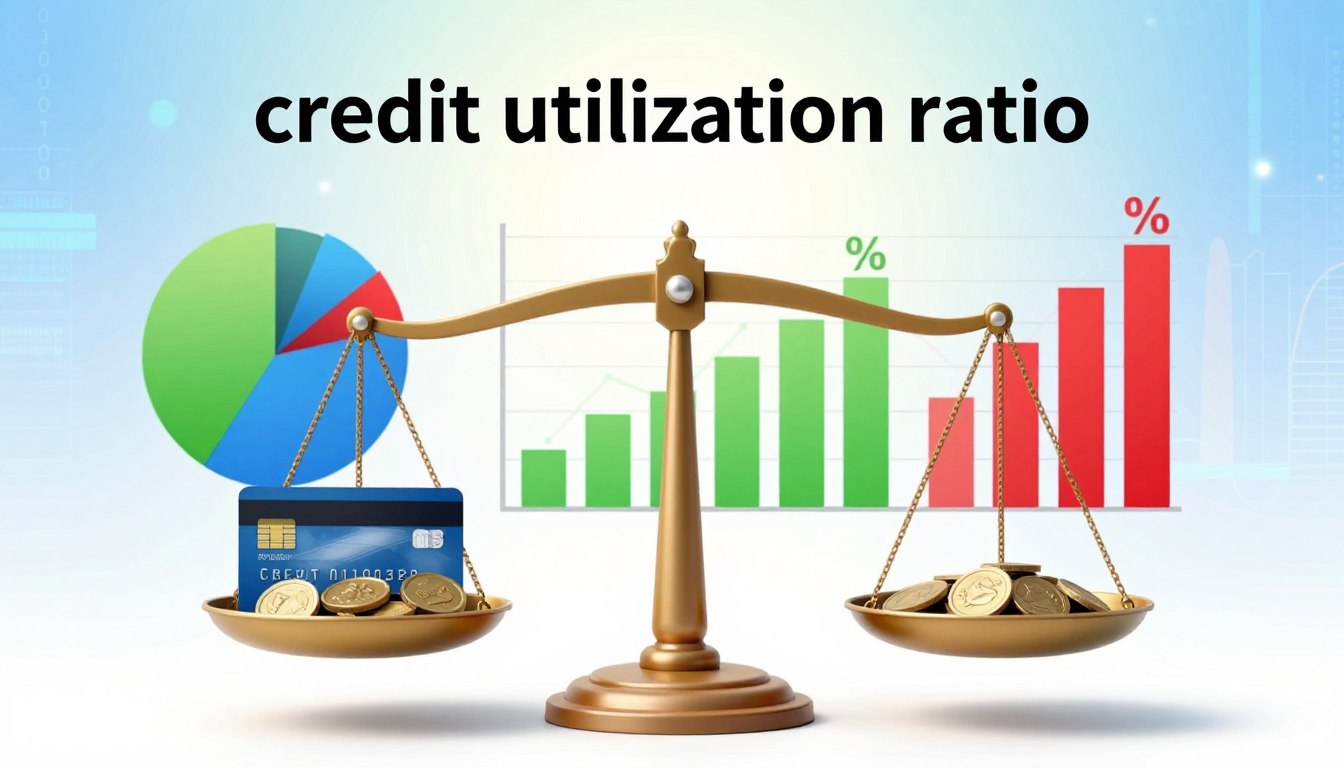
Credit Utilization and Score Impact: Improve Your Credit

This short guide explains how the percentage of revolving credit you use can change your credit score fast. Put simply: the ratio is your outstanding revolving balances divided by your total available revolving limits. A $300 balance on a $1,000 limit is 30%. Keeping that percentage low often boosts your credit scores because this factor commonly ranks just behind payment history. You can change it quickly by timing payments or lowering reported balances. The guide looks at two lenses: your overall utilization ratio and per-card figures. Track both if you want better terms from lenders. This article focuses on U.S. reporting systems and offers step-by-step math, target ranges, and practical steps to cut your ratio without extra strain. Learn which accounts count, how to calculate the ratio from your report, and next actions to lower it.
For a clear primer on how the percentage is measured, see what credit utilization means.
Key Takeaways
- Utilization is the percent of revolving limits you use; it can move scores quickly.
- Low overall ratio and low per-card use both matter for lending decisions.
- Timing payments and multiple monthly payments help keep reported balances low.
- Focus on U.S. reporting rules, simple math, and realistic target ranges.
- Next steps: identify counted accounts, calculate your ratio, then apply a reduction plan.
Credit utilization ratio basics you need to know
Knowing which accounts count toward your revolving ratio helps you control what shows on a lender's report.
What counts as revolving in the U.S.
- Open credit cards, including authorized-user cards
- Personal lines of credit and HELOCs
- Closed revolving accounts that still carry a balance
Why your report numbers can differ from your current balance
Issuers report on a schedule. Bureaus receive a snapshot, often at statement close, so the number on your report may lag behind your banking app.
You can pay in full by the due date yet still show a high percentage if the statement closed first. Lenders use the snapshot on file when they evaluate risk, not your balance at noon.
Review your report and limits for errors. The right way to compute your ratio uses the balances and limits on your report, not guesses or live-day totals—see the next section for step-by-step math.
How to calculate your utilization ratio the right way
Start by pulling the exact balances and limits that appear on your credit report—those figures determine the percentage lenders see.
Calculate total use with a simple formula
Use this formula every time: (total revolving balances ÷ total revolving credit limits) × 100 = your total credit utilization percentage.
Step-by-step checklist
- Pull reported balances from your report.
- Pull reported limits from your report.
- Sum the balances.
- Sum the limits (this is your total credit in this context).
- Divide total balances by total limits, then multiply by 100 to get the percentage.
- If you want a quick tool, try a calculator like this one: credit utilization calculator.
Define total credit: it is the sum of revolving limits across cards and lines that count toward this ratio. Your available credit is the unused portion of those limits.
Example sanity-check: two cards with $5,000 limits each. One card shows a $5,000 balance; the other shows $0. Totals: $5,000 balance ÷ $10,000 limits = 0.50 → 50% total.
Sanity check tip: if the math feels wrong, confirm you used reported balances not current-day bank balances, and that every card and limit from the report is included.
Next, you’ll compute per-card figures, because a single maxed card can hurt your profile even when the overall ratio looks acceptable.
Individual card utilization vs. total credit utilization
A single maxed card can signal risk even when your overall percentage looks healthy. You should watch both views: each card’s ratio and the sum across all revolving accounts.
Per-card use is simple to compute: divide a card’s balance by its credit limit. That gives you the percent for that card. Total ratio sums every balance and limit first, then divides.
How a maxed-out card can hurt
One card at or near its limit may flag concentrated risk to lenders and scoring models. Even with a modest total, a single high-percent card can lower your score.
Why models and lenders check both
Total use shows overall reliance on revolving credit, while per-card figures reveal stress on a single account. Different scoring models weigh these patterns differently; newer models may track trends over time.
- Compute per-card: balance ÷ limit for each card.
- Spot the highest: find the card with the largest percent; pay that first to often gain faster gains in scores.
For a clear primer on how these percentages are measured, learn how rates are measured.
Credit Utilization and Score Impact in today’s credit scoring models
How much of your available revolving credit you use can move scoring models more than you might expect.
How much this factor matters in FICO and VantageScore
FICO lists "amounts owed" as about 30% of a rating, while VantageScore gives "percentage used" roughly 20% weight. These numbers show why reported usage is a major factor when lenders review a file.
Practical target ranges
Stay below 30% to avoid sharper drops. Aim for single digits when you want top-tier results; Experian Q3 2024 averages show Exceptional profiles near 7.1%.
Why 0% can hurt
Reporting 0% across accounts can leave models without recent activity to judge. A small reported balance often reads as responsible use, which may help more than a flat zero.
Reporting cycles and trended models
Issuers commonly report near statement close, so changes appear after that update on your credit report. Newer scoring models such as VantageScore 4.0 and FICO 10 T look at trends over time, so consistent low use matters as much as a single low report.
- Action: lower reported balances now and keep them steady month to month to protect your scores and lender access.
How to lower credit utilization fast without hurting your finances
Timing matters. Timing payments around statement close dates is the fastest way to lower what shows on your credit report. Paying down balances before the issuer reports keeps the reported ratio lower without extra cost.
Pay down balances before your statement closes
Make a payment a few days before the billing cycle ends. That changes the snapshot the bureau receives.
Make multiple payments per month
Split your payment. Pay mid-cycle and again before close to keep reported balances low while you keep normal spending.
Request a credit limit increase strategically
Ask after several on-time payments or a documented income rise. Warning: some issuers may run a hard inquiry that can dip your record briefly.
Update your income with issuers
Updating income can help you qualify for a higher limit or automated reviews. Include household income if allowed.
Open a new card only when it fits your plan
New accounts can increase available credit and lower your percentage, but only use this tactic if you can manage another account responsibly.
Don’t close cards unless you have a clear reason
Closing reduces available credit and can raise your ratio overnight. Ask about a product change or downgrade instead.
Consider debt consolidation
Turning revolving balances into an installment loan can lower revolving percentages. Compare rates, fees, and the payoff timeframe before you move balances.
Set a sustainable available credit target
Estimate your typical monthly card spending and aim for roughly ten times that in available credit. This rule helps keep your percentage near 10% without constant timing tricks.
"A few strategic payments and a targeted limit increase often produce the fastest, least costly gains."
Conclusion
Acting on reported balances now can lead to measurable gains by the next reporting cycle. Your main takeaway: your credit utilization percentage is one of the fastest-moving parts of a credit score. Manage it consistently to improve borrowing outcomes. Keep use below 30% as a baseline and aim for single
digits when you want the best terms. Avoid letting any single card show near its limit, since that draws lender attention. The mechanics that matter are simple:
bureaus use what appears on your credit report, so time payments around statement close, lower reported balances, and consider a strategic limit increase rather than closing accounts. Quick action plan: calculate total and per-card metrics, pay down the highest account before the close date, and pick one change
you will make this month that lenders will see on the next report.
0 Comments
Be the first to share your thoughts on this article.