
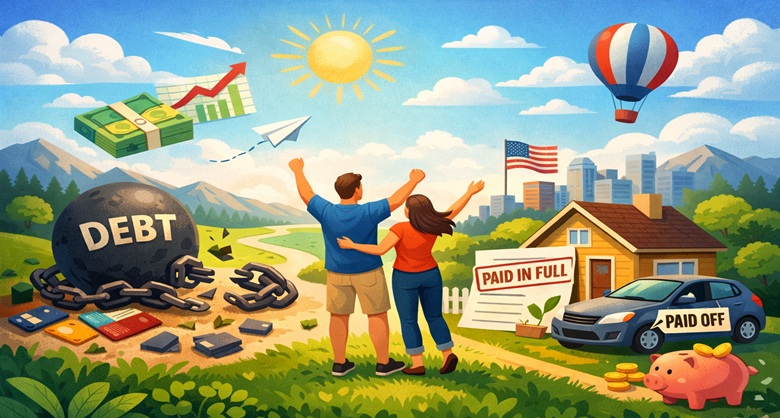
Debt‑free Living Becomes the New American Dream for 48%
What does success mean to you? For generations, the classic vision involved a house with a white picket fence. That picture is changing. A fundamental shift is happening in what many consider their most important life goal.
Recent polls show this change. A 2013 Credit.com survey found nearly one in four young adults defined their primary aspiration as being free from debt. This goal actually beat out owning a home. By 2025, a Kin Insurance poll revealed over half of homeowners said debt freedomhad replaced property ownership as their version of the American Dream.
Investopedia's research supports this trend. It found that 84% of respondents rated a life without financial obligations as part of their ideal future. This placed it among the top five most popular goals nationwide. The traditional markers of achievement are being redefined by economic realities and personal values.
This shift affects your financial planning. It reflects broader societal changes in how success is measured. Understanding this new priority helps explain why managing what you owe is such a central concern today.
Key Takeaways
- The definition of the American Dream is evolving, with freedom from debt now rivaling or surpassing homeownership for many.
- Multiple surveys from 2013 to 2025 show a consistent trend toward valuing financial security over asset accumulation.
- More than half of current homeowners prioritize eliminating their debt, a dramatic change from post-World War II ideals.
- This change reflects new economic pressures and different generational values.
- Your personal financial goals likely differ from those of your parents or grandparents.
- Recognizing this shift is crucial for setting relevant and achievable financial priorities.
Introduction: The Evolving American Dream
Surveys from the last twelve years trace a clear path away from traditional milestones. In 2013, a Credit.com poll showed nearly a quarter ofrespondents defined their primary aspiration as being free from debt. This goal already rivaled dreams of retiring at 65 or owning a home.
The Great Recession served as a powerful catalyst for this change. It reshaped perceptions of financial security for millions of people.
Survey Insights and Shifting Financial Realities
Contrast this with the pre-crisis mindset. At the height of the mortgage boom, a USA Today poll found most young adults prioritized getting rich or becoming famous.
Fast forward to 2025. A Kin Insurance survey reveals a dramatic shift. Now, 50% of homeowners say financial independence has replaced property ownership as their goal. Others prioritize travel, personal fulfillment, and family.
Most tellingly, 54% no longer consider homeownership an absolute requirement for the modern American Dream. This reflects a sobering reassessment of what's truly achievable.
Understanding Your New Priorities
Your focus on eliminating debt and seeking security isn't a personal failing. It's a rational response to today's economic landscape.
This broad cultural transformation validates your choices. Valuing flexibility and experiences over the fixed assets prized by previous generations is a smart, modern adaptation.
Understanding this shift helps you set goals that align with contemporary realities, not outdated ideals.

Shifting Priorities: From Homeownership to Financial Freedom
A decade ago, a survey revealed a surprising frontrunner in the race for financial aspirations. The 2013 Credit.com poll found being free of debt was the top priority for 33.4% of respondents.
This goal crushed others like retiring at 65 or buying a home. It shows a clear shift in what people value most.
Why Debt Freedom Matters to You
Your focus on eliminating debt makes perfect sense. Every dollar sent to a lender is money you cannot use to build wealth or enjoy life.
This burden also weighs on your mind. Studies link financial stress to anxiety, affecting your overall well-being.
Younger generations feel this most. For 68% of Gen Z homeowners, freedom from obligations defines their american dream. Your goals are part of a rational, modern reassessment of success.
Debt-free living becomes the new American dream for 48% of people
Recent studies confirm a seismic shift in priorities, placing freedom from obligations at the heart of personal success.
This isn't a fringe idea. The 2025 Kin Insurance survey found that 53% of current homeowners now say financial independence has replaced property ownership as their version of the American Dream.
More than two-thirds of people now view being free from debt as a requirement to be considered wealthy.
The data from multiple 2025 surveys provides a comprehensive snapshot of this new aspiration. The table below compares key findings.
| Study | Key Finding | Percentage of Respondents |
| Kin Insurance (2025) | Debt freedom replaces homeownership as the American Dream | 53% |
| Investopedia Survey | Consider living debt-free part of their dream | 84% |
| Investopedia Survey | See debt freedom as a requirement for wealth | 68% |
This transformation is mainstream. Your focus on eliminating what you owe aligns with the dominant goal for modern people.
Impact of Debt on Today's Financial Stability
Mounting financial obligations directly challenge your ability to achieve stability and security. The average consumer now carries over $105,000 in total debt. This heavy load makes saving for a home or retirement incredibly difficult.
Trends in Credit, Loans, and Student Debt
Different types of debt create unique hurdles. Many graduates begin their careers with an average of $27,000 in student loans. This burden delays other major life goals.
High-interest credit card balances are another trap. The compounding interest rates can cause your balance to grow, even with consistent payment. It feels like running on a treadmill.
Psychological and Lifestyle Implications for You
This financial strain isn't just about numbers. Studies confirm a strong link between debt and increased anxiety. It affects your mental health and relationships.
Your lifestyle choices become limited. You may postpone starting a family or avoid career risks. Achieving true financial stability requires addressing both the balance sheet and the stress it creates.
Generational Perspectives on the American Dream
Data uncovers a complex relationship between age, values, and the classic symbol of prosperity. Your view of a home as a marker of success depends heavily on your generation.
Gen Z Versus Gen X: Changing Views on Homeownership
Surveys reveal a fascinating paradox. While 29% of Gen Z homeowners see owning home as extremely important for success, only 19% of Gen X agree. Younger age groups place higher value on this milestone.
Despite this, 37% of Gen Z owners plan to switch to renting within five years. Just 18% of Gen X reports similar plans. This highlights a tension between ideal and reality.
The fact is, the market today is tougher. Price-to-income ratios are much higher than in past decades. Nearly half of all homeowners say starter homes are harder to find now.
For many in Gen Z, homeownership is prized precisely because it's hard to get. Yet, practical financial sense may lead you to rent. This pragmatic shift is a key part of the modern dream for younger generations.
Strategies for Achieving Debt Freedom and Financial Security
Your path to eliminating debt depends on your personality and the numbers. Several structured approaches can turn this goal into a reality.
Creating a Winning Debt Repayment Plan
Two popular strategies lead the way. The debt avalanche method targets obligations with the highest interest rates first. This saves you the most money over time.
The debt snowball focuses on your smallest balances. You get quick wins that build momentum. Some people also use debt consolidation to simplify multiple payments into one.
Balancing Budgeting, Saving, and Investing
A framework like the 50/30/20 rule helps. It allocates your income to needs, wants, and savings/debt repayment.
Use the "rule of 6%" as a guide. Prioritize paying off debt with interest above 6%. For lower-rate obligations, like some student loans, long-term investment may be smarter.
Younger generations often seek better budgeting skills. Older individuals may benefit more from professional advice. Tailoring your strategy is key to lasting freedom.
Conclusion
For a significant portion of the population, true prosperity means liberation from monthly payments. This redefines the traditional american dream.
Your focus on eliminating debt aligns with a major cultural shift. It validates your financial goals as both personal and widely shared.
The journey from valuing homeownership to seeking freedom from obligations reflects smarter priorities. It's about achieving real stability and life satisfaction.
With a clear plan and discipline, this dream is attainable. You can balance repayment with other important investments for long-term growth.
Ultimately, success today is measured by your freedom to choose, not by the price of your home. This new definition empowers millions.

0 Comments Comments