

Gamifying Your Budget: Unlock Financial Success
Turn routine money tasks into a motivating process that helps you meet clear goals and build lasting savings. This approach borrows game elements—badges, points, streaks—to make personal finance feel purposeful rather than painful.
You pair a solid budgeting framework with playful features so the experience stays structured and effective. Popular tools like Acorns, SavingsQuest, Twine, Digit, and Yotta show how users can track progress, earn rewards, and keep momentum in managing money.
Start today by setting simple categories, limits, and a few short-term goals. Small wins—visual progress, a badge, or a prize-linked deposit—trigger motivation and keep engagement high. Always vet apps through reviews and the Better Business Bureau before linking accounts to protect your data.
Key Takeaways
- Game mechanics make money management more motivating and less intimidating.
- Concrete goals and visible progress help you build savings and reduce debt.
- Tools like Acorns and Digit show how users sustain better habits.
- Pair structure with play so the process stays productive and clear.
- Vet apps and protect accounts before connecting bank data.
Why Gamifying Money Management Works Right Now
Tapping game mechanics into money tasks turns routine into quick wins you actually want to repeat. When the brain registers achievement, it releases dopamine. That chemical reward boosts motivation and makes small actions feel satisfying.
Gamification applies a simple PLB model—points, leaderboards, and badges—to personal finance. Those cues give users clear feedback and a visible sense of progress.
Dopamine, rewards, and why games keep you engaged
Small rewards trigger a loop: you act, you get feedback, and you feel driven to continue. Use micro-goals and level-ups to link short wins to bigger financial goals.
From dull to fun: turning financial habits into progress
Break tasks into bite-size missions and set focused time blocks for each session. This design makes chores feel like a game and helps you enter a flow state.
- You tap gamification to make personal finance feel like a rewarding game instead of a chore.
- Use dopamine-triggering rewards to keep moving toward goals with badges and level-ups.
- Make progress visible so users celebrate wins and stay engaged over time.
Lay a Solid Budget Foundation Before You Press Start
Track each expense for a billing cycle to reveal patterns and quick wins. Start by logging every monthly expense, no matter how small. Group items into categories like rent, groceries, hobbies, and savings.
Assign a necessity score (1–5) to each expense. This highlights low-need items you can trim. A $5 daily coffee adds up to $150 a month and is an easy target.
Track where your money goes with categories and necessity scores
Document where money goes so decisions are data-driven. You get started by noting each purchase and rating its importance.
Allocate a plan by spending category and set limits you’ll stick to
Assign monthly amounts per category and stop spending when a lane is depleted unless it’s an emergency. This creates clear boundaries that build good habits.
Create multiple accounts to organize spending and savings
Open at least one extra account to separate essentials from discretionary funds. Align accounts to categories to make adherence easier.
| Category | Monthly Limit | Necessity Score |
| Rent & Utilities | $1,200 | 5 |
| Groceries | $300 | 4 |
| Hobbies & Dining | $150 | 2 |
- Track progress weekly to adjust early.
- Flag impulse triggers and craft small challenges to curb them.
- Set limits from real data so the plan fits your personal finances and helps users keep consistent.
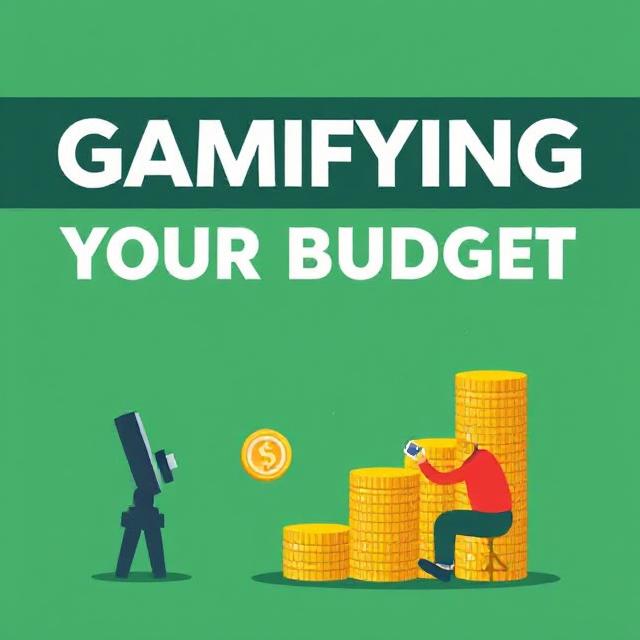
Gamifying Your Budget
Map simple financial tasks to rewards so action equals forward motion on your savings goals.
Translate the budgeting process into a clear game where each action moves you closer to measurable goals. Define point values for savings deposits, category under-spends, and on-time bill payments to develop healthier financial habits.
Create a simple scoreboard that displays weekly points, streaks, and badges users earn. Pair each milestone with a small reward to reinforce the behavior loop that keeps money actions consistent.
Mix quick wins and longer missions so momentum stays high without sacrificing long-term outcomes. Add weekly challenges—like a three-day no-spend sprint—so every period has a focused game to play.
- Keep rules simple so it's easy to get started and hard to abandon.
- Revisit the finance scoreboard monthly to calibrate difficulty and track progress.
- Combine points, badges, and small rewards to sustain engagement and build savings.
Build Your Game Mechanics: Points, Challenges, Rewards
Give each money action a clear point value so good choices add up fast. Define tasks that matter—transfers to savings, paying a bill on time, or staying under a category limit—and assign points for completion.
Use points, leaderboards, and badges to drive healthy habits. Award badges for streaks (7, 14, 30 days) and category wins so users feel progress and recognition.
Design weekly challenges like a no-spend weekend or a two-day latte skip. Log the money saved for each challenge and convert that into points or micro-rewards.
- Set milestone tiers ($250, $500, $1,000) with proportional rewards that reinforce goals without derailing finances.
- Visualize progress with bars, streak counters, and a simple scoreboard to show where you stand at a glance.
- Schedule a short Sunday review to tally points, refresh challenges, and adjust the next week’s plan.
Iterate based on what motivates you most—competition, streaks, or surprise rewards—to keep the games fresh and support lasting habits.
Apps That Turn Budgeting Into a Game
Several apps make saving and tracking money feel like a clear, goal-driven challenge. They mix visuals, rewards, and automation so you can track progress without constant effort.
Acorns and SavingsQuest
Acorns uses round-ups and goal visuals to nudge small, consistent contributions into investing. It helps users see progress toward concrete targets.
SavingsQuest adds badges and timed saving challenges. Its users saved about 25% more on average, according to Commonwealth, which shows how badges can boost regular deposits.
Twine
Twine lets couples or families collaborate or compete on shared goals. Split responsibility, celebrate wins, and compare progress to keep motivation high.
Digit, Yotta, and prize-linked options
Digit automates transfers and offers bonuses when money stays in a Digit savings account. Yotta and Save to Win add prize-linked entries for deposits, giving users sweepstakes-style excitement while they save.
Fortune City and VR-style simulations
Fortune City maps expenses into a city-building game. That visual approach turns raw transactions into an easy-to-read simulation you can learn from fast.
Round-ups and goal accounts
Many banks now offer goal accounts with round-ups and progress bars. These features automate micro-savings and make it simple to track progress at a glance.
| App | Key Feature | Best For |
| Acorns | Round-ups, goal visuals | Beginner savers, micro-investing |
| SavingsQuest | Badges, saving challenges | People motivated by milestones |
| Twine | Shared goals, collaboration | Couples & families |
| Digit | Automated transfers, bonuses | Passive savers |
- Compare apps by how well they apply gamification features like points and badges to help you save.
- Use round-ups and goal accounts to automate small, steady contributions toward money goals.
- Always check user reviews and BBB ratings before linking bank data to any app.
Compete With Yourself or Others to Boost Engagement
Challenge small habits with clear targets to turn routine choices into measurable wins. Friendly competition adds structure and makes steady progress easier to track. Use solo metrics when you need focus and group contests when you want accountability.
Solo streaks and personal bests to build consistency over time
Create short streaks like daily check-ins or weekly transfers so small actions compound. Track a personal best and try to beat it next week.
Use a simple scoreboard. Give points for saving and subtract for impulse buys. A visible tally helps habits stick and shows real progress toward your goals.
Friendly contests with family or partners to reach shared goals
Run weekend no-spend contests or split a target like a $1,000 emergency fund. Apps such as Twine let couples track contributions and stay accountable.
- Post weekly results in a family chat to encourage users and keep momentum.
- Time contests around risky periods, such as end-of-week takeout temptation.
- Rotate formats—streaks, savings sprints, and under-spend missions—to keep the game fresh and positive.
Offline Games to Gamify Savings and Spending Today
Treat month-end leftovers as a resource you can funnel into clear goals. Use simple offline games to make saving feel tangible and fun. These tactics work when you want low-tech, high-impact ways to change spending and grow savings.
The “money saver” account: sweep leftovers and set monthly targets
Open a dedicated savings account and sweep leftover funds from each spending category at month’s end. Set a target—like saving $500—and attach a modest reward when you hit it.
No-spend and envelope challenges that fit your lifestyle
Use envelopes to cap discretionary spending and turn each envelope into a clear mini game. Schedule a no-spend weekend and move unspent cash straight into the saver account.
Debt-payoff quests with milestone badges and meaningful prizes
Map debt reduction into a quest: set milestones every $500–$2,000, award badges, and give a small prize when you clear a level. Track progress in a simple log so you and other users can see cumulative wins.
- Open a “money saver” account today and sweep leftover funds monthly.
- Define targets and keep rewards modest to protect your money momentum.
- Log each game offline, reflect monthly, and iterate the ones that work best.
Stay Safe, Stay Aligned, and Iterate Your Plan
Keep security and goal-fit front and center so the system rewards progress, not risky behavior.
Vetting apps matters. Read user reviews, scan privacy policies, and check Better Business Bureau ratings before you connect bank accounts.
Look for clear data rules: what the app accesses, how it stores data, and whether it uses encryption. If access seems excessive, choose a safer option.
Match game rules to measurable goals
Make sure points, badges, and challenges map to real financial outcomes like emergency savings, debt payoff, or retirement targets.
If a rule rewards tiny wins that don’t affect long-term savings, rewrite it so effort equals impact.
Set SMART goals, automate, and review
Define SMART goals (Specific, Measurable, Achievable, Relevant, Time-bound) and link automation to them.
Automate transfers to savings and bill payments so you rely less on willpower. Schedule a monthly process review to tune difficulty and rewards.
"Vet apps, protect data, and align rules so every action improves your finances."
| Checklist | What to check | Why it matters |
| App reviews & BBB | Read user feedback and ratings | Shows trust and past issues |
| Data security | Privacy policy, encryption | Protects accounts and credit score |
| Goal alignment | Match rules to savings & retirement | Keeps rewards meaningful |
- Watch your credit score and limit app permissions to essentials.
- Keep a simple plan: goal status, savings automation, challenge calendar, and a monthly reward budget.
- Make financial decisions using clear thresholds and triggers so the process runs reliably for users.
Conclusion
Finish strong by linking small daily actions to clear milestones that add up fast. This approach uses gamification and visible progress so budgeting can feel like a simple game and a satisfying experience.
Start with a solid budget and then add points, badges, and modest rewards. That mix helps goals move from vague ideas into real financial goals and steady savings.
Choose the way to play that fits you today—apps or offline methods. Keep weekly challenges and visible trackers so saving money and smart spending become habits for users.
Align every rule with near-term wins and long-term targets like retirement. Iterate monthly, keep what works, and refine the rest to protect your finances and build momentum.

0 Comments Comments