
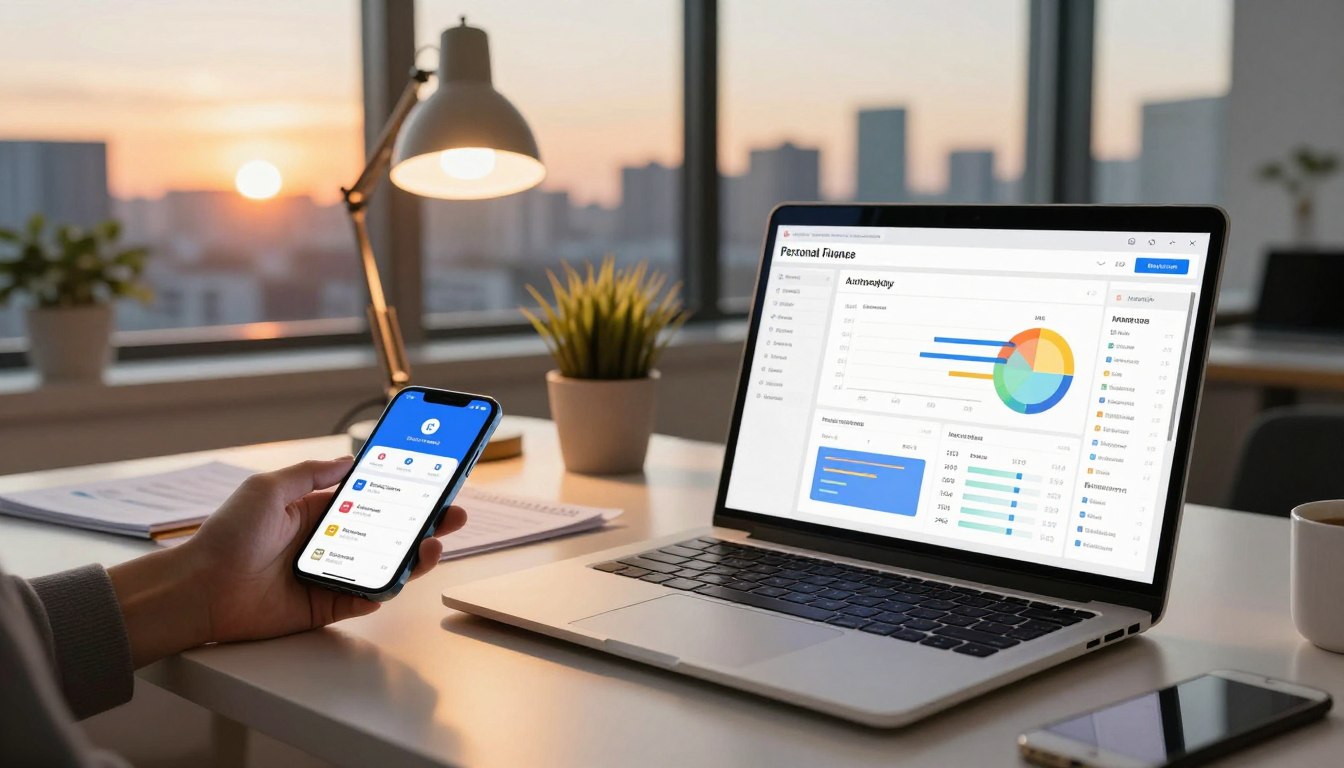
How to Automate Your Budget in 5 Easy Steps

Managing your money manually often leads to frustration and failure. Relying solely on willpower creates a constant psychological battle with your finances. Most people struggle to maintain consistent money management habits over time. Automating your finances transforms this struggle into a smooth, systematic process. It's not about being lazy or forgetful. You're working smarter by using technology to handle repetitive financial tasks. This approach eliminates decision fatigue and frees up mental energy. When you implement automated systems, you save precious hours each month. Your money works for you consistently, helping achieve financial goals without constant manual intervention. This method puts your personal finance on a path toward success.
The upcoming steps will guide you through setting up direct deposit, automating savings transfers, scheduling bill payments, syncing payment dates, and establishing automated investments. These practical strategies will transform how you manage your finances.
Key Takeaways
- Manual budgeting often fails due to reliance on willpower alone
- Automation eliminates the psychological battle of financial decisions
- Systems and technology handle repetitive money management tasks
- Automated processes save significant time each month
- Consistent financial progress happens without constant manual effort
- Automation increases mental bandwidth by reducing decision fatigue
- Five core steps will transform your approach to personal finance
Understanding the Benefits of Automating Your Finances
Embracing financial automation creates a powerful framework for achieving your monetary objectives with less effort. This approach transforms how you interact with your money, moving from constant decision-making to systematic progress.
Automation eliminates the daily mental burden of financial choices. You reclaim precious minutes that would otherwise be spent on bill payments and transfer decisions.
Save Time and Reduce Stress
Systematic processes save hours each month. You avoid the anxiety of missed deadlines and late fees.
This freed-up mental bandwidth allows focus on more important aspects of life. Your work and personal pursuits benefit from reduced financial stress.
Build Consistent Financial Habits
Automation creates reliable patterns for saving and debt reduction. Small, consistent actions build momentum toward larger goals.
As James Clear notes in "Atomic Habits," automated systems reinforce positive financial identities. You begin seeing yourself as someone who effectively manages money.
| Benefit Area | Manual Approach | Automated System |
| Time Investment | Hours monthly | Minutes monthly |
| Stress Level | High anxiety | Low maintenance |
| Consistency | Variable results | Steady progress |
These advantages create a virtuous cycle of financial success. For deeper insights, explore the comprehensive benefits of financial automation.
What Does Automation Mean in Personal Finance?
At its core, automation in money management involves establishing systems that operate independently of your daily attention. This approach to personal finance means creating predetermined arrangements that handle routine transactions without constant manual input.
Direct deposit serves as the perfect illustration. Instead of receiving paper checks and visiting the bank, your earnings flow directly into your designated account. The money moves automatically on payday without your intervention.
This concept extends well beyond paycheck deposits. Automatic transfers between savings and checking accounts, scheduled bill payments, and systematic retirement contributions all represent automation. These systems handle repetitive financial tasks efficiently.
However, automation doesn't mean adopting an "out of sight, out of mind" mentality. You must still monitor your accounts and review spending patterns. Think of it like cruise control in your car—the system maintains speed, but you remain in control.
Automation functions as a strategic tool for your finances. It handles the repetitive work while you maintain overall direction. The goal is creating systems that make positive financial behaviors consistent and nearly effortless.
The Role of Your Checking Account and Credit Cards in Automation
The success of any automated money management system depends heavily on how you structure your core transaction account. Your primary bank account becomes the central hub where all financial activities converge.
Streamlining Bill Payments
Your checking account serves as the command center for all automated financial obligations. When you link this account to your credit cards and recurring bills, you create a seamless payment ecosystem.
Scheduled payments for utilities, subscriptions, and loan obligations flow effortlessly from your account. This systematic approach ensures you never miss due dates or incur late charges. The automation handles the mechanics while you maintain oversight.
Avoiding Overdrafts and Late Fees
One significant risk involves multiple automated payments processing simultaneously. This can potentially overdraft your checking account if not properly managed.
Maintaining a cash cushion in your account provides essential protection. This buffer prevents overdraft fees when bills and transfers hit at once. Calculate this cushion based on your typical monthly payment schedule.
| Payment Method | Risk Level | Recommended Buffer |
| Manual Bill Payments | High (missed deadlines) | No specific buffer needed |
| Basic Automation | Medium (timing conflicts) | One week of expenses |
| Optimized Automation | Low (with cushion) | Two weeks of expenses |
While automation handles transactions, you remain responsible for monitoring account balances. Regular reviews ensure your system operates smoothly without unexpected interruptions.
Using Budgeting and Expense Tracking Apps
Budgeting apps represent the next evolution in financial control and awareness. These digital tools replace old notebook methods with powerful automation.
Modern applications like Empower and YNAB connect directly to your bank accounts and credit cards. They automatically import transactions throughout the month.
How Digital Tools Simplify Budget Management
These apps eliminate manual data entry completely. Your spending gets categorized automatically into clear budgets.
You see exactly where money goes without tedious tracking. Visual dashboards make your finances instantly understandable.
This automation reveals patterns in your spending habits. You identify areas for improvement with concrete data.
| Tracking Method | Time Required | Accuracy Level |
| Manual Notebook | Hours weekly | Often incomplete |
| Spreadsheet | 30+ minutes weekly | Moderate accuracy |
| Budgeting App | Minutes monthly | Near-perfect accuracy |
These tools work with other automated systems perfectly. They provide the oversight needed for successful financial management.
Your budgeting becomes more effective with less effort. Digital tracking motivates positive changes in your financial habits.
How to Automate Your Budget
The journey toward effortless money management starts with designing interconnected financial systems. This approach transforms budgeting from a constant chore into a seamless process that works for you.
Creating an automated budget isn't about one magic solution. It involves building multiple strategies that work together to handle different aspects of your finances. These systems handle the repetitive tasks that consume time and mental energy.
Successful automation requires a strategic combination of components. You'll set up direct deposits, automatic transfers, scheduled payments, and systematic investments. Each piece supports the others in managing your money efficiently.
The following sections provide detailed guidance on implementing these strategies. While initial setup requires attention, the long-term benefits make this investment worthwhile. Your finances will operate smoothly with minimal ongoing effort.
This framework creates consistent financial habits that overcome willpower limitations. Good money management becomes automatic rather than a constant battle. You're building a complete system for financial success.
Direct Deposit and Automatic Savings Transfers
Establishing direct deposit represents the cornerstone of any effective financial automation strategy. This approach transforms how you receive and allocate your earnings each month.
Moving beyond paper checks creates a seamless financial foundation. Your money flows directly into your designated account without manual intervention.
Setting Up Direct Deposit for Your Paycheck
Contact your employer's human resources department to initiate direct deposit. Provide your bank account and routing numbers for electronic fund transfers.
This eliminates the risk of lost or misplaced paper checks. You save valuable time previously spent on bank visits or mobile deposits.
Your paycheck arrives reliably in your checking account on scheduled paydays. The consistency supports better financial planning throughout the month.
Automate Transfers to Your Savings Account
Schedule automatic transfers from your checking to savings account immediately after payday. This ensures money moves before discretionary spending occurs.
The psychological benefit is significant. When savings happen automatically, you never face the temptation to spend those funds.
Consider using a high-yield savings account with an online bank. These often offer 3-4% APY, helping your savings grow faster while remaining accessible.
| Process Aspect | Manual Handling | Automated System |
| Paycheck Receipt | Paper check delivery | Electronic deposit |
| Time Required | 30+ minutes monthly | Zero ongoing time |
| Security Risk | Check loss/theft possible | Secure electronic transfer |
| Savings Consistency | Variable monthly results | Steady accumulation |
Work with your financial institution to set these transfers once. The system then operates continuously, moving a set amount automatically. This approach embodies the "pay yourself first" principle, prioritizing future security.
For detailed guidance on setting up automatic transfers, consult your bank's resources.
Scheduling Automatic Credit Card and Bill Payments
Setting up automatic payments for your recurring obligations transforms monthly financial chores into effortless processes. This approach ensures your essential bills get paid consistently without manual intervention.
Most creditors and service providers offer autopay options for mortgages, utilities, subscriptions, and credit cards. Linking your checking account creates a reliable system that handles payments automatically.
Benefits of Using Autopay for Consistent Payments
Automated systems guarantee timely payments, protecting your credit score from late marks. You eliminate the risk of forgetting due dates and incurring penalty fees.
Some providers even offer small discounts for enrolling in autopay programs. This creates additional savings beyond the convenience factor.
Your monthly financial review becomes more strategic rather than administrative. You focus on spending patterns instead of payment mechanics.
| Payment Approach | Late Fee Risk | Time Required Monthly |
| Manual Payments | High | 30+ minutes |
| Basic Autopay | Medium | 5-10 minutes |
| Strategic Autopay | Low | 2-5 minutes |
Remember that automated payments don't eliminate spending awareness. You must still monitor statements and maintain budget discipline.
Schedule payments strategically to avoid overdrafts when multiple bills process simultaneously. Maintain a cash cushion in your checking account for protection.
Syncing Your Bill Dates for a Streamlined Financial Routine
Aligning bill due dates transforms scattered payments into a cohesive financial system. This advanced strategy creates remarkable efficiency in your monthly money management.
When multiple bills hit at different times, tracking becomes challenging. Synchronizing dates eliminates this complexity completely.
Strategies to Align All Monthly Payments
Contact your utility and credit card companies directly. Many providers allow you to change your billing date upon request.
Choose a date that works best for your cash flow. Mid-month often provides optimal timing after your paycheck arrives.
Some services offer annual payment options. Insurance companies frequently provide discounts for prepaying the entire year.
Tips to Prevent Unwanted Fees
Consolidated billing dates improve cash flow awareness. You know exactly when major expenses will occur each month.
This prevents overdraft risks from unexpected payments. Plan your account balances around this predictable schedule.
Services like Mint Mobile demonstrate the benefits of prepayment. You secure lower rates while eliminating monthly bills for a full year.
This approach works perfectly for those cautious about full autopay. It maintains financial oversight while maximizing convenience.
Leveraging Automated Investing and Retirement Contributions
Building long-term wealth requires consistent action that automation makes effortless. Your retirement planning benefits tremendously from systematic approaches that remove emotional decision-making.
Implement the "pay yourself first" principle by directing retirement funds before they reach your checking account. Workplace plans like 401(k)s allow automatic paycheck deductions.
Adopting Target Date Funds for Long-Term Growth
Target date funds provide a hands-off approach to asset allocation. These investments automatically adjust their stock/bond mix as your retirement year approaches.
Always contribute enough to capture your full employer match. This represents free money that accelerates your financial goals. Set automatic annual increases to your contribution amount.
For those without workplace plans, Traditional or Roth IRAs offer excellent alternatives. Schedule monthly transfers to build your investments consistently.
| Investment Approach | Management Level | Ideal For |
| Manual Stock Picking | High involvement | Experienced investors |
| Target Date Funds | Automatic rebalancing | Hands-off approach |
| Robo-Advisors | Algorithm-based | Balanced control |
Low-cost providers like Vanguard and Fidelity minimize fees that erode returns over time. This systematic approach to retirement investing creates disciplined
wealth building regardless of market fluctuations.
Integrating Automation into Your Personal Finance Lifestyle
Financial automation becomes most powerful when integrated into your overall approach to money management. These systems handle routine tasks while you focus on strategic decisions.
Automation doesn't eliminate the need for financial awareness. You still need to monitor your progress and make adjustments as life changes.
Developing a Mindset for Financial Success
Think of automation like cruise control for your finances. The system maintains consistent progress while you steer toward your goals.
Regular check-ins ensure your money management aligns with your values. Schedule monthly reviews to examine spending patterns and goal progress.
This approach frees mental energy for bigger picture thinking. You can focus on long-term objectives rather than daily transactions.
Successful integration balances convenience with vigilance. Automated systems work best when paired with ongoing financial awareness.
Conclusion
By establishing interconnected financial systems, you create a framework that works consistently toward your monetary objectives. This approach to your budget delivers serious benefits for achieving money goals.
The systematic way you work with your finances transforms constant management into strategic oversight. You reclaim mental energy and create space for living in the moment.
Start with direct deposit and scheduled payments, then build toward more advanced strategies. The initial effort pays off in saved time, reduced stress, and consistent progress.
You now have the knowledge to implement these systems effectively. This transforms your personal finance approach, building the future you envision while enjoying present freedom.
0 Comments
Be the first to share your thoughts on this article.