
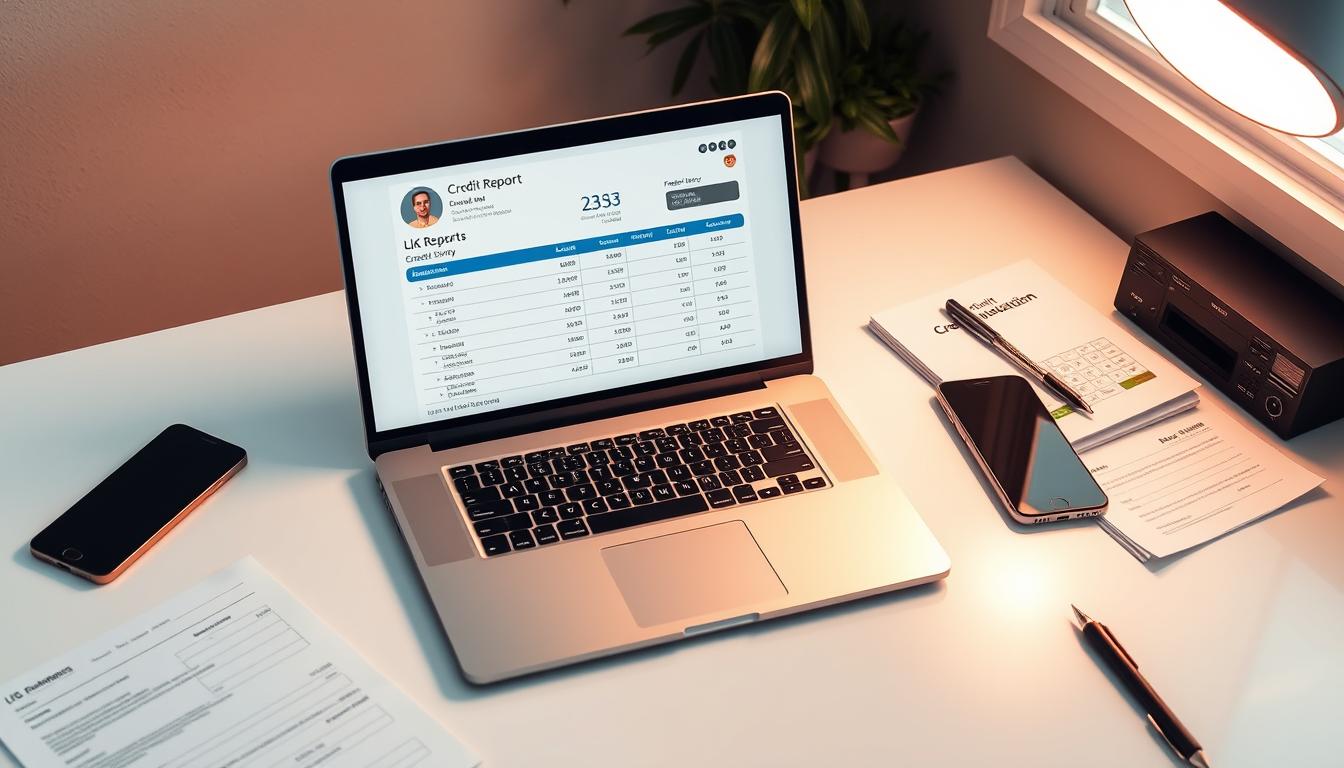
How to Rebuild Credit After a Financial Setback
You can recover. Start by knowing what changes first: payment history and balances move your score the fastest. Small wins—on-time payments and lower revolving balances—show results in weeks, with clearer gains in three to six months.
If your situation included severe events, recovery often needs consistent positive behavior for a year or more. One new card or account will not fix everything overnight. Instead, focus on steady actions that support your long-term goal.
Expect short, medium, and long time horizons. Track progress, avoid common mistakes, and use tools like secured cards or small installment loans that report to all three bureaus.
Key Takeaways
- Payment habits and utilization are the quickest levers you control.
- Small improvements often appear in 1–2 months; meaningful gains in 3–6 months.
- Severe events may take 12–24 months of consistent activity to improve.
- One new card won’t solve everything; treat each account strategically.
- Use automatic payments and reporting tools to protect your score while you heal.
Understanding What Moves Your Score Today: Payment History, Credit Utilization, and New Credit
Not every credit factor carries the same weight; some change your score faster. The five components are payment history (35%), credit utilization (30%), length of history (15%), credit mix (10%), and new credit (10%).
Payment history is the heaviest driver. One late payment can affect your profile for months, while steady on-time payments rebuild trust over time.
The utilization ratio and reporting realities
Your credit utilization ratio is total revolving balances divided by total limits. Keep overall utilization under 30% and aim under 10% on individual cards.
Most card issuers report the statement-ending balance to credit bureaus. Paying before the statement close lowers the balance that gets reported and can improve your score within months.
New accounts, inquiries, and practical tips
- Hard inquiries from lenders can shave a few points temporarily; avoid multiple applications in short time spans.
- High interest rates (average ~23.99% as of 2025) make carrying big balances costly and slow recovery.
- Keep older accounts open to preserve length of history unless closure is unavoidable.
Quick tip:Pay mid-cycle, watch reported balances, and prioritize on-time payments and low utilization for the fastest score gains.
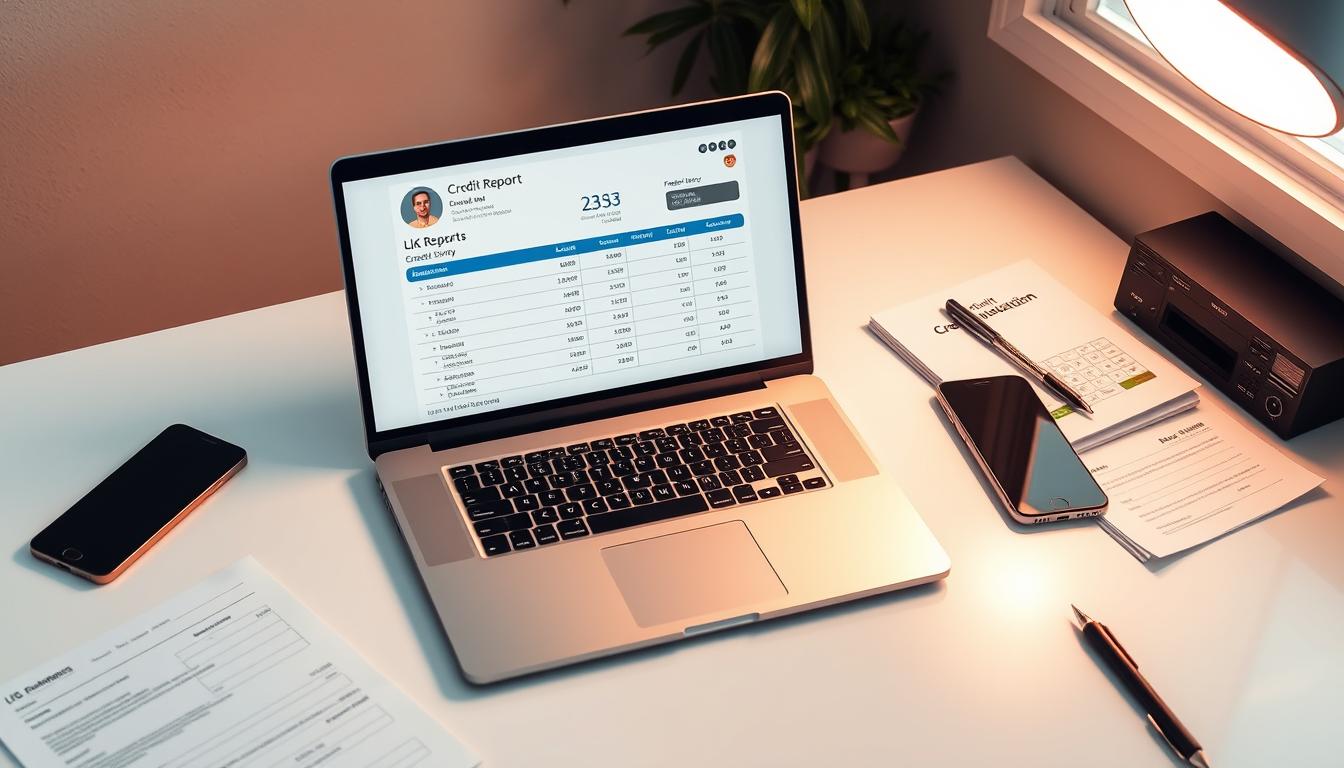
How to Rebuild Credit After a Financial Setback: Actionable Steps You Can Start Today
Start with clear, repeatable steps that protect your payment record and lower reported balances. Small, consistent actions move your score faster than big, risky changes.
Prioritize on-time payments. Set autopay and layered reminders so payments post before the due date. Pay a few days before the statement closing date when possible; that lowers the balance that gets reported and helps your credit utilization look better.
Lower your balances. Aim for under 30% utilization across cards and try for under 10% on each card. Shift extra dollars to the highest-interest balance first to reduce debt and speed score gains.
Avoid new inquiries and keep older accounts open. Resist multiple applications at once. Keep long-standing accounts active to preserve account age and available credit.
Dispute inaccurate items quickly. Pull reports from Equifax, Experian, and TransUnion via AnnualCreditReport.com and file disputes with the bureaus for errors that hurt your score.
- Automate payments and set reminders.
- Pay before statement close to lower reported balances.
- Target utilization under 30% (ideally under 10%).
- Limit new applications and keep old accounts open.
- Monitor reports and dispute mistakes with the credit bureaus.
Smart Tools and Strategies: From Debt Consolidation to Secured Cards and DMPs
Choose tools that match your timeline and make payments simpler while protecting your score. Evaluate trade-offs: consolidation can lower interest and simplify bills, but it often triggers a hard inquiry and opens a new account that briefly reduces average account age.
Debt consolidation impacts
Expect short dips and longer gains. A new loan or balance transfer may raise utilization if you max a card. Plan to make on-time payments in the first months so positive reporting outweighs the initial dip.
Credit-building tools
Use secured credit cards and small installment loans that report to all three credit bureaus. These tools add consistent on-time data without large balances when you keep utilization low.
When a DMP makes sense
Nonprofit counselors, such as GreenPath, can design a Debt Management Plan that lowers interest and centralizes payments. Work with lenders and set an auto-pay schedule to keep accounts current.
Avoid common mistakes
- Avoid serial balance transfers that add fees and delay principal paydown.
- Be cautious with debt settlement; “settled” may harm your score longer term.
Build Your Safety Net: Emergency Fund, Rainy Day Savings, and Planning for Life Events
Build a small cash buffer so minor surprises don’t force you onto high-cost credit.
Start with a realistic amount: aim for a $500–$1,500 rainy day fund. This covers small bills like a flat tire or a home repair so you won’t rely on credit cards with high interest.
Create a starter rainy day fund ($500–$1,500) to prevent high-interest credit use
Open a separate savings account and set a small weekly transfer. Even $10 each week adds up and keeps this money distinct from daily spending.
Automate transfers into a dedicated savings account and grow toward an emergency fund
Automating reduces decision fatigue and keeps contributions steady during tight months. As the fund grows, you lower dependence on revolving debt and protect your utilization ratio.
- Short-term goal: $500–$1,500 for minor life events.
- Long-term goal: build toward 3–6 months of essential bills for job loss or major repairs.
- Practical ways: small weekly deposits, trimming subscriptions, or redirecting bonus pay.
| Goal | Target Amount | Why it helps |
| Starter rainy day fund | $500–$1,500 | Prevents short-term reliance on credit cards and costly interest. |
| Short emergency cushion | $1,500–$5,000 | Handles larger bills and reduces need for emergency loans. |
| Extended reserve | 3–6 months of bills | Protects income during job loss and stabilizes credit over time. |
| Support options | Nonprofit counseling, FPA/NAPFA | Get budgeting help and long-term planning if your situation grows complex. |
Protect your future: separate emergency savings from everyday accounts. If major life events occur—job loss, medical bills, divorce—pull your reports from the major bureaus and act quickly. Keeping cash for true emergencies helps you rebuild credit more steadily and avoids costly credit reliance.
Conclusion
Small, reliable actions build lasting improvement in your credit score.
Focus on consistent on-time payments and lower reported balances. That simple discipline improves payment history and helps your score over months, not days.
Keep seasoned accounts open, avoid unnecessary inquiries, and use one or two credit card tools with care so utilization stays low.
Review your report regularly and dispute errors quickly. If overwhelmed, consider reputable nonprofit help or secured products that report to all three bureaus.
Stick with the plan: steady payments, low balances, and patience yield a stronger score and fewer costs over time.

0 Comments Comments