
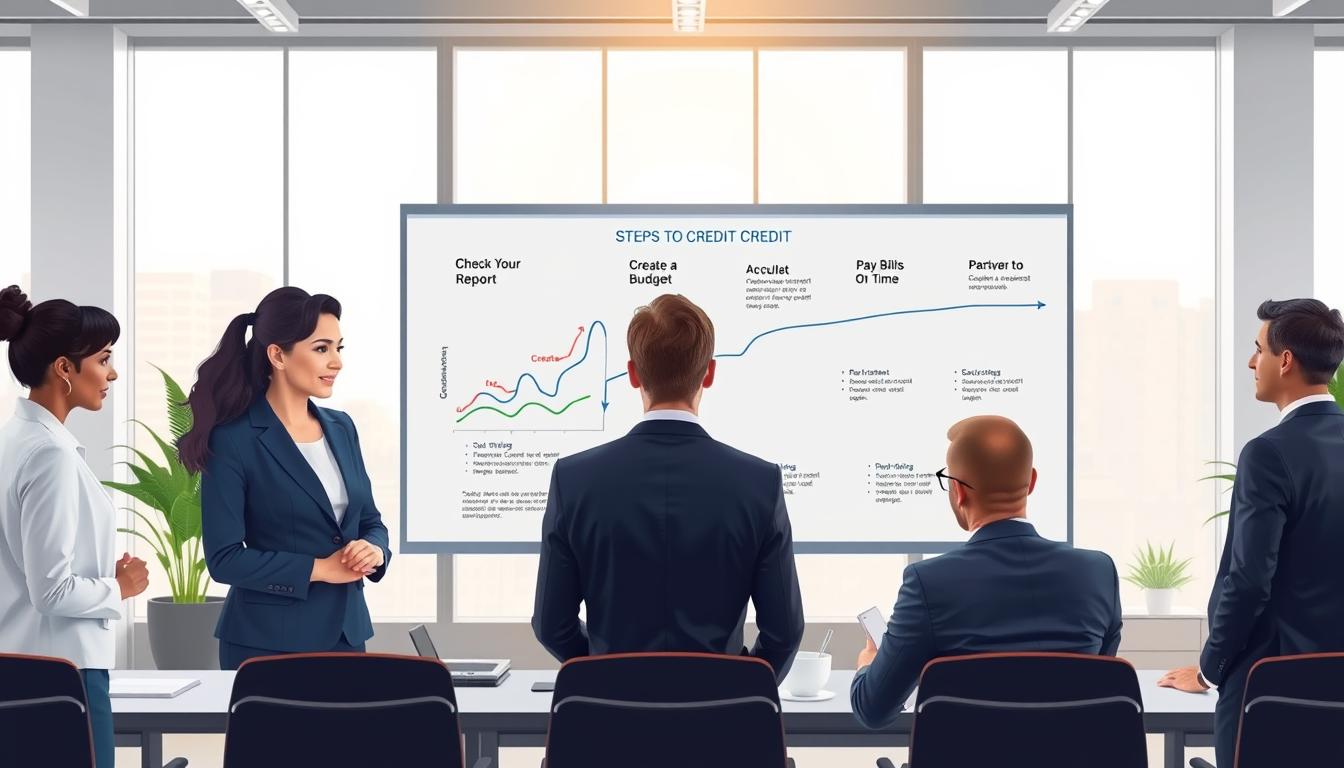
How to Rebuild Credit After Mistakes: A Step-by-Step Guide

A strong credit score opens doors to financial opportunities. It helps you secure apartments, get better loan rates, and achieve your goals. Conversely, a low score creates significant hurdles. Past financial missteps can feel overwhelming. However, these marks on your credit report are not permanent. You have the power to improve your financial standing. Many companies charge high fees for services you can do yourself. By understanding your credit and taking specific actions, you can restore your good credit for free. This process requires patience and consistent effort.
This guide provides a clear path forward. You will learn to analyze your credit report, manage your accounts, and implement strategies that raise your credit score over time. Taking control leads to long-term financial health.
Key Takeaways
- A good credit score provides access to better financial products and lower interest rates.
- Negative information on your credit report can be overcome with a disciplined approach.
- You can repair your credit yourself without paying expensive companies.
- Improving your credit is a gradual process that requires consistency and patience.
- Understanding your credit report is the essential first step in the journey.
- Small, positive financial habits compound into significant credit score improvements.
- Taking control of your credit rebuilds your financial reputation and empowers your future.
Understanding Your Credit Report
Before taking any action, you must first examine your credit report thoroughly. This document contains your complete financial history from the three major credit reporting agencies.
You can obtain free copies from AnnualCreditReport.com. Reviewing this information annually helps maintain your financial health.
Key Credit Report Components
Your credit report contains several critical sections. Each piece of information contributes to your overall financial picture.
| Component | Details Included | Impact Duration |
| Account History | Open and closed accounts | Up to 10 years after closure |
| Personal Information | Name variations, addresses, employment | Current and historical data |
| Credit Inquiries | Applications for new credit | Typically 2 years |
Recognizing Report Errors
While uncommon, errors can negatively affect your credit score. Look for accounts you don't recognize or incorrect payment status.
You have the legal right to dispute inaccurate information with the credit bureaus.
The major credit bureaus—Experian, TransUnion, and Equifax—each have dispute processes. They will investigate and correct verified errors on your report.
How to rebuild credit after mistakes
Taking control of your financial recovery begins with understanding what led to previous difficulties. Your financial habits directly shape your three-digit score.
Identifying Root Causes
Lenders evaluate your reliability through this number. Creditors report your activity to agencies that compile your financial profile.
Common issues include late payments, high balances, or multiple credit applications. Honest assessment helps target improvement efforts effectively.
| Common Issue | Root Cause | Initial Recovery Step |
| Late Payments | Poor payment tracking | Set up payment reminders |
| High Credit Utilization | Overspending relative to limits | Reduce balances below 30% |
| Multiple Hard Inquiries | Frequent credit applications | Space out new credit requests |
Actionable Strategies for Recovery
Positive changes require consistency over time. You won't see dramatic improvements overnight, but healthy habits accumulate.
Focus on establishing reliable payment patterns and reducing debt. If you find errors on your report, you can dispute inaccurate information with credit bureaus. Each positive action signals to lenders your growing reliability.
Improving Payment History for Better Credit
Your payment patterns create the foundation of your financial reputation. This component determines 35% of your FICO credit score, making it the most influential factor.
Creditors can report late payments once they reach 30 days overdue. These marks remain on your credit report for seven years. The damage escalates with longer delays.
Setting Up Autopay for Consistency
Automated payment systems prevent missed due dates. You can arrange autopay through lenders or your bank account. This ensures at least the minimum payment arrives on time.
Always maintain sufficient funds to cover scheduled transactions. This avoids failed payments and potential fees. Consistency builds positive payment history over time.
The Benefits of On-Time Payments
On-time payments demonstrate financial responsibility to lenders. Each timely payment strengthens your credit history. This directly improves your three-digit score.
Paying balances in full saves interest charges. It also helps manage credit utilization. These habits create lasting financial health.
Managing Your Credit Utilization and Limits
Your available credit lines play a crucial role in your financial profile. This factor, known as credit utilization, contributes up to 30% of your overall score calculation.
Understanding your credit utilization ratio helps you manage this critical component effectively.
Calculating Your Credit Utilization Ratio
To find your utilization ratio, divide your total credit card balances by your total credit limit. Multiply this number by 100 to get a percentage.
Calculate this for each individual card and for all your accounts combined. This gives you a complete picture of your utilization across all revolving credit.
Most experts recommend keeping your overall utilization below 30%. For optimal results, aim for 20-25% or lower. Maintaining under 10% demonstrates excellent credit management.
Your credit report typically shows balances from your statement closing date. Paying your bill before this date lowers the reported balance. This simple timing adjustment can improve your utilization ratio significantly.
Effective Debt Reduction and Credit Consolidation
Carrying significant debt balances creates a dual burden of high costs and credit score damage. The average credit card interest rate reaches 23.99%, with some cards charging 29% or more. This makes meaningful progress difficult.
Strategies to Pay Off High-Interest Debt
Creating a concrete plan is essential for reducing your financial burden. Consider the debt snowball or avalanche methods for systematic payoff.
The snowball approach targets smallest balances first for quick wins. The avalanche method focuses on highest interest accounts to save money over time. Both strategies require consistent monthly payment discipline.
| Method | Approach | Best For |
| Debt Snowball | Pay smallest balances first | Psychological motivation |
| Debt Avalanche | Target highest interest rates | Maximum interest savings |
| Consolidation | Combine multiple debts | Simplified payments |
Debt consolidation offers another path forward. A consolidation loan pays off multiple credit cards at once. You then make one fixed payment each month at typically lower interest rates.
Consolidating high-interest debt can provide breathing room to focus on principal reduction.
Balance transfer cards also consolidate debt under one account with introductory low rates. This approach gives you time to pay down balances without accumulating interest. Explore the best ways to consolidate debt for your situation.
Additional income from side hustles can accelerate your debt reduction timeline. Every extra dollar applied to principal brings you closer to financial freedom.
Avoiding Pitfalls and Missteps in Credit Restoration
Navigating the path to financial recovery requires avoiding common traps. Some well-intentioned actions can actually slow your progress.
Understanding these subtle dynamics protects your hard-earned improvements.
Minimizing the Impact of Hard Inquiries
Whenever you apply for new credit, lenders perform a hard inquiry on your credit report. Each inquiry can temporarily lower your score by a few points.
The "new credit" component makes up about 10% of your total score. It evaluates recent applications and opened accounts.
Multiple applications in a short period signal higher risk to credit bureaus. This can hurt credit even if you get approved.
Space out your applications over several months. Use pre-qualification tools that perform soft inquiries instead. These don't affect your report.
Keeping Unused Credit Accounts Open
After paying off a balance, closing the account might seem logical. However, this action can hurt credit by reducing your available credit.
Your utilization ratio may instantly increase. This affects 30% of your score calculation.
Closed accounts in good standing stay on your credit report for ten years. But closing old credit cards reduces your average account age.
This negatively impacts your credit history length. For more guidance, explore how to repair your credit effectively.
| Account Strategy | Potential Impact | Better Alternative |
| Closing unused cards | Raises utilization ratio | Keep account open, use minimally |
| Multiple new applications | Triggers several hard inquiries | Space applications over 6 months |
| Ignoring old accounts | Risk of issuer closing them | Make small charges periodically |
Manage unused credit accounts responsibly. Remove card details from shopping sites to avoid temptation. Make occasional small purchases you pay off immediately.
This keeps accounts active without accumulating debt. Your financial discipline will show positive results over time.
Leveraging Secured Credit and Credit-Builder Tools
Two powerful instruments can accelerate your journey toward better financial health: secured cards and credit-builder loans. These specialized options provide accessible pathways when traditional lending proves challenging.
Using Secured Credit Cards
A secured credit card functions like a regular card but requires a refundable security deposit. This deposit typically determines your credit limit and protects the issuer's risk.
Use the card for small purchases to stay well below your limit. Paying balances on time establishes positive payment patterns. Responsible usage may qualify you for an unsecured card upgrade.
Exploring Credit-Builder Loans
Credit-builder loans work differently than traditional financing. The borrowed amount (usually under $1,000) stays in a savings account while you make fixed monthly payments.
Your consistent payments get reported to all three major bureaus. This builds positive credit history that improves your score. When the loan completes, you receive the saved funds.
Verify your lender reports to Experian, TransUnion, and Equifax. Comprehensive reporting maximizes your credit improvement across all bureaus lenders check.
Conclusion
The most powerful credit restoration tool remains your own disciplined financial management. Companies cannot accomplish anything you cannot achieve yourself, often for free. This puts you in complete control of your financial recovery.
Rebuilding your financial standing requires patience. Negative marks may stay on your credit report for seven years, but their impact fades with consistent positive behavior. Each on-time payment strengthens your profile over time.
Leverage free resources like Experian's credit monitoring to track what affects your score. Their Boost feature can improve credit scores by recognizing bill payments not typically reported. Consider consulting certified counselors through the National Foundation for Credit Counseling for personalized guidance.
Regularly review reports from all three major bureaus to monitor progress. For additional support, consult this comprehensive guide to financial recovery. Your consistent efforts will create lasting financial health.
0 Comments
Be the first to share your thoughts on this article.