
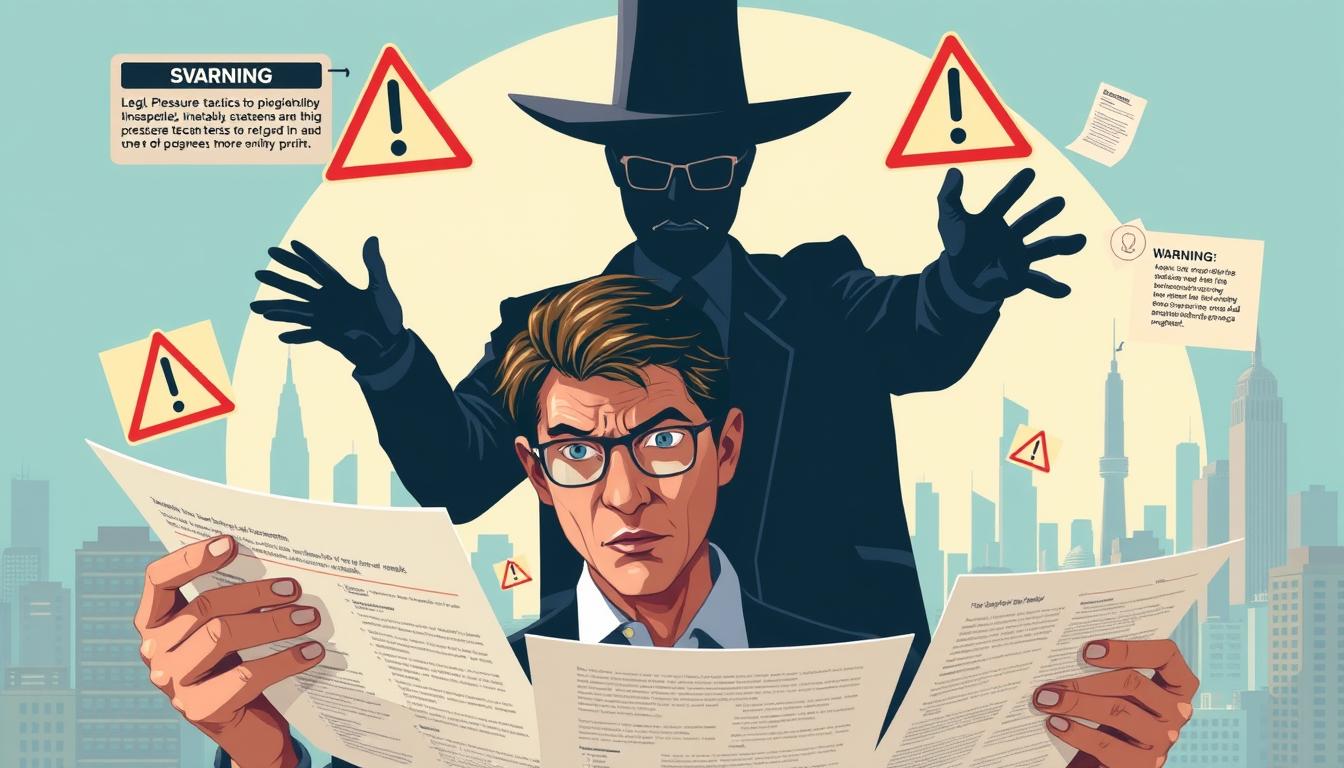
How to Steer Clear of Financial Scams
You face real risk when cybersecurity slips. Scammers aim to steal your money and identity using phone calls, email, text, and fake websites. Impostor schemes topped FTC reports in 2024, so staying alert matters now.
Simple defenses make a big difference. Keep devices and software updated, use strong passwords and multi-factor authentication, and run antivirus with firewalls and email filters. Verify any claim by contacting banks or agencies through official sites rather than links in messages.
Know where to get help. Use CISA alerts for threat updates, check FDIC Consumer News, consult FINRA’s BrokerCheck for investment sellers, and report online fraud to the FBI IC3. Slow down, verify independently, and document anything suspicious so you can act with confidence.
Key Takeaways
- Recognize impostor signs and don’t rush decisions.
- Keep software current and enable multi-factor protection.
- Verify claims through official government or banking channels.
- Use FDIC, FINRA BrokerCheck, CISA, and FBI IC3 for guidance and reporting.
- Document incidents and contact your bank or agency for help fast.
Recognize the Red Flags: Spot Scammers Before They Access Your Money
Spotting early warning signs can stop fraudsters before they touch your accounts. Quick pressure, promises of guaranteed returns, or offers that sound too good are classic traps. FINRA calls these "phantom riches" and notes scammers use urgency to force fast decisions.
Watch for impersonation. Impostors may pose as a government agent, bank, or FDIC staff and ask for personal information. A caller who demands payment by gift card, wire, or crypto is almost certainly a fraudster.
Unsolicited messages—by phone, email, or social media—often demand secrecy. Do not click links in tech support alerts or "fraud" texts that push you to approve transactions or give remote access.
- Question source credibility: verify a company or rep by looking up the number yourself.
- Spot money mule pitches: requests to move funds, buy cards, or open accounts for someone else can make you liable.
- Be skeptical of social consensus: investment clubs on social media often hype returns to manipulate newcomers.
Treat any unsolicited request for Social Security, account, or card data as a red flag. If a name or number looks familiar but the tone feels off, verify through official channels before you share information.
Build Your Defenses: Practical Security Steps to Protect Your Accounts and Information
A few simple changes can make it far harder for someone to steal your account access.
Lock down devices and accounts. Keep your operating system, browser, and apps updated. Run reputable antivirus, a firewall, and email filters on every computer and phone you use for banking.
Use strong, unique passwords. A password manager reduces reuse across accounts and protects your credit and bank credentials. Never share logins in messages or emails.
Enable multi-factor authentication and biometrics. Turn on MFA on key accounts and add face or voice recognition where offered. A verbal password or biometric step adds a second layer of trust.

Verify sites and emails before sharing personal information. Check URLs for misspellings, inspect email headers, and call a company using a publicly listed number if something seems off.
"Place your number on the National Do Not Call Registry and let unknown calls go to voicemail."
- Limit what you share on social profiles that could defeat authentication.
- Monitor credit reports and set alerts for unusual transactions and sign-ins.
- Keep a written response plan so you act fast if an account is breached.
How To Avoid Financial Scam in Real-Life Situations
When you face a pressure-filled offer, pause and collect the facts. Write down names, phone numbers, and any card or account prompts. End the call or chat if you feel rushed.
When you get an investment pitch
Say "No, thanks," then verify. Check the seller on FINRA BrokerCheck and discuss the investment with someone you trust before you move money from any account.
When contact claims to be a bank, FDIC, or government
Hang up if asked for Social Security, card numbers, or online codes. Use a published phone number you find yourself and call the institution to confirm any claim.
When social media promotes “can’t-miss” crypto or stock tips
Treat hype as manipulation. Scammers often pose as professionals in groups and chats. Walk away and research the company or investment independently.
When dating apps turn to money requests
Stop transfers when requests shift to cards or wire moves. Contact your bank immediately, freeze payments, and save messages for your report.
If your computer or phone is “locked” or flagged
Disconnect from the internet, do not pay, and contact law enforcement or the FBI IC3. Power down and seek professional remediation.
Report and get help: file a complaint with the Federal Trade Commission, alert the FBI’s IC3 for cyber-enabled fraud, and notify your bank and regulators like FINRA for brokerage issues.
- Never rely on a provided number or link; verify independently.
- Do not share one-time passcodes or grant remote access to unknown parties.
- If you moved funds at someone else's request, stop and inform your bank and the Department of Justice guidance for money mule concerns.
Conclusion
Finish strong: simple routines can block most attempts to steal your information.
Keep layered security—update devices, use unique passwords, enable multi-factor on key accounts, and watch emails and messages for odd links. Verify any outreach through a public company or agency number and consult CISA alerts, FDIC Consumer News, FINRA BrokerCheck, or the FBI IC3 when you need guidance.
If someone targets your account or card, document details, contact your bank, and report the incident. Protect your credit with alerts, recover access quickly, and share these tips with people you trust so your community faces fewer scams and less risk of losing money.

0 Comments Comments