
How to Time Your Purchases to Save Money Every Single Month

Shift when you buy, not just what you buy. You can stretch your money by planning purchase moments. This guide shows a repeatable system that makes savings predictable and stress free. Start with a baseline for spending, set a clear target, and automate transfers so saving happens without thinking. Then use simple timing rules to cut impulse buys and reduce rushed expenses. Preview the idea of a monthly purchase calendar for groceries, bills, gifts, and replacements. If you want more control of your budget and fewer surprise costs, this method fits. It also adds guardrails like no-spend days and quick impulse checks so timing stays on track. End result: steadier savings, fewer rushed buys, less credit reliance, and a clear plan that runs on autopilot each month.
Key Takeaways
- Small timing shifts can boost overall savings and ease budget pressure.
- Automate transfers to build a consistent savings base.
- Use a monthly purchase calendar to avoid last-minute spending.
- Set simple guardrails for impulse control and no-spend days.
- The method repeats every month for predictable financial habits.
Why Timing Your Spending Matters More Than Cutting Everything
Small shifts in when you spend often beat sweeping bans on fun purchases. Changing timing protects your lifestyle while trimming waste. That approach makes steady progress easier than strict cuts that rarely last.
How small monthly wins add up when you repeat them
Improving by just a few percent each month compounds into real annual results. A 2–5% drop in routine expenses, repeated, frees cash without pain. Examples: buy seasonal items on clearance, batch errands to cut extra stops, and schedule planned repair weeks instead of emergency fixes.
Where most people underestimate where their money is going
Many people miss slow leaks: food, shopping, and recurring charges blend into the background. Those items hide the true cost of daily spending. Shift your focus from banning treats to tracking patterns and setting timing levers like subscription audits and clearance windows. This reduces late fees, impulse buys, and pricey emergency purchases.
- Timing levers: clearance windows, planned repair weeks, subscription audit dates.
- Real outcomes: fewer late fees, fewer impulse purchases, lower overall expenses.
Start small, aim for consistent progress, and use simple rules. If you need a budgeting guide, consider this resource on how to make a budget.
Know Your Baseline Before You Change Anything
Begin with a one-month audit of every receipt so you know where your money flows. This baseline stops guessing and gives a clear map of your usual expenses.
Track every receipt for a full month
Keep digital and paper receipts. Log each purchase daily. Small charges add up and often hide in plain sight.
Group purchases into clear categories
Sort items into groceries, restaurants, shopping, personal care, transportation, and subscriptions.
- Why: categories show which areas are timing opportunities.
- Missed items: delivery fees, app renewals, convenience-store stops, and extra grocery trips.
Use bank and credit union tools to confirm totals
Check statements and alerts from your bank or credit accounts. Spot recurring charges and small leaks that receipts miss. Tip: If you need a simple guide on budgets, see this short resource on make a budget.
Set a Realistic Monthly Savings Target You Can Maintain
Pick a savings target that fits your bank balance and your life. A modest percent you can keep each month builds habit and prevents burnout.
Aim for steady progress: why 2–5% of income matters
Saving 2–5% of your income each month is a practical start. Small amounts protect you from surprise costs and create momentum.
Work toward 20% over time without breaking your budget
Think of 20% as a long-term benchmark, not a sudden rule. Increase your percent gradually as your baseline improves and expenses fall.
Choose a short-term goal that’s easier to stick with
Pick a 6–12 week goal first. Make it specific: a dollar amount or percentage tied to an emergency fund, debt payoff, or planned purchase.
"Consistency beats intensity: steady saving over years wins."
- Match target to income and expenses so it actually works every month.
- Start small and raise the amount once the habit is in place.
- Make the goal time-bound and link it to a clear purpose.
Tip: Automate transfers after you pick the goal so savings happen on time, not only when you remember. This is one of the easiest ways to keep progress steady.
Pay Yourself First So Your Savings Happens on Time
Move a slice of each paycheck into savings first, then budget with what is left. This simple timing trick makes saving automatic and prevents spending from absorbing your income before you build a buffer.
Automate a percentage from each paycheck
Set an automatic transfer for a fixed percentage — for example, 5% per paycheck — into a separate savings account. Use employer direct deposit or a recurring transfer from your checking bank. Adjust the percentage up or down based on your baseline and income.
Why a credit union may pay better
Credit union accounts often offer higher interest rates than large banks. That extra interest helps your savings grow faster without extra effort. Compare rates and fees before you move funds.
Keep a second rarely touched emergency fund
Split savings into two accounts: a general savings account for goals and a second, rarely touched emergency fund. That separation stops you from treating savings like extra checking and improves decision making.
| Action | Example | Why it helps |
| Auto-transfer | 5% per paycheck | Guarantees savings before spending |
| Credit union account | Higher interest rate | More growth with the same balance |
| Second account | Emergency fund | Reduces temptation to spend |
Build Your Starter Emergency Fund to Stop Surprise Spending
Begin with a realistic $500 goal that keeps small crises from forcing rushed purchases. This starter emergency fund is your first line of defense against surprise spending that wrecks a budget.
Set a reachable first milestone
Start small: aim for $500. That amount covers many urgent repairs or short medical bills and feels achievable even on a tight budget. Hitting this milestone builds confidence and momentum.
When cash beats plastic
Use emergency cash for urgent car repairs, essential home fixes, or unexpected medical needs. Avoid using a credit card unless the situation is truly large or you can pay the balance quickly.
- Why cash first: it stops new debt and interest from piling up.
- When a credit card helps: short-term flexibility for big bills when you have a repayment plan.
- Watch outs: credit cards can convert small emergencies into long-term debt via interest.
| Scenario | Best choice | Why |
| Flat tire or urgent car repair | Emergency fund cash | Quick fix without interest or new debt |
| Large unexpected hospital bill | Combination: fund + credit card | Cash reduces balance; card gives short-term coverage if needed |
| Non-essential replacement (new phone for convenience) | Delay and plan | Not an emergency; scheduling saves money |
Tip: keeping a starter fund lets you schedule many repairs rather than buy at peak prices. That timing reduces impulse spending and brings steady peace of mind for your money.
How to Time Your Purchases to Save Money Every Single Month
Map a simple monthly calendar that assigns specific days for bills, groceries, and planned shopping so spending stops feeling random.
Create a monthly purchase calendar for bills, groceries, and planned shopping
Set fixed dates for recurring bills and one main grocery run each week. Add one optional top-up trip for perishables.
This small plan reduces last-minute trips and cuts delivery fees and impulse add-ons.
Batch purchases to avoid multiple shopping trips
Group errands into a single outing each week. Buy household items in one order rather than several small ones.
Batching trims micro-spending like snacks, gas detours, and extra convenience buys.
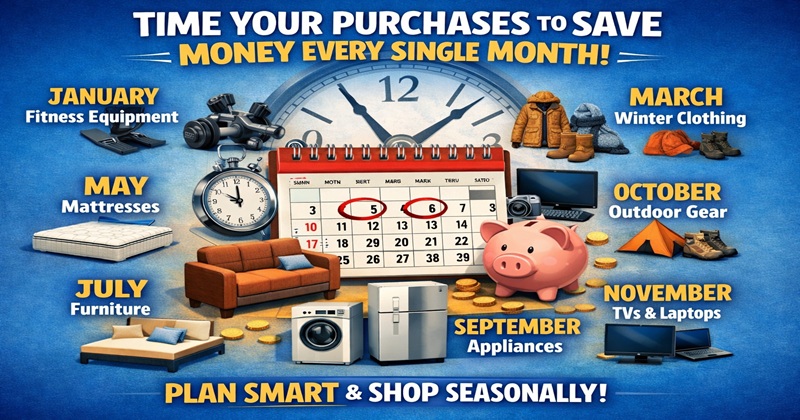
Use seasonal clearance windows for clothes, shoes, bedding, and home items
Buy off-season when items drop in price. Track clearance windows and set alerts for brands you trust.
Plan gift-giving early so you can wait for sales and stack discounts instead of paying full price.
Schedule “replace and repair” weeks
Each month, scan what’s wearing out: filters, running shoes, small appliances. Order parts, book service, and fix issues before they become emergencies.
These scheduled repairs save time and help you avoid rushed, expensive buys.
- Assign days for bills, one main grocery trip, and one shopping slot.
- Batch orders for household items and schedule repairs on a set week.
- Plan gifts ahead and buy during clearance windows.
"A brief calendar makes intentional spending repeatable and less stressful."
Repeat this simple system each month and you will notice steady savings. These practical ways help you save money while keeping life running smoothly.
Use Rules That Prevent Impulse Buys in the Moment
Guardrails at checkout make timing strategies stick when you're most tempted to buy. Without simple rules, a monthly plan collapses the instant you see a tempting offer.
Use the 24-hour rule for non-essential items
For non-essential items, wait a full day before completing the order. This pause breaks emotional reactions and lets price checks or reviews confirm value.
Unsubscribe from marketing emails and texts
Fewer promotions means fewer triggers. Open a promo email, click the unsubscribe link, or set a filter that archives newsletters. Do the same for texts by replying with the standard STOP command.
Put a savings reminder on your card before you tap or swipe
Stick a small note on your card with masking tape or washi tape. That visible prompt pauses the motion of tapping a card and gives you a moment to ask if this buy helps your savings goal.
Calculate purchases by hours worked instead of sticker price
Convert cost into work time. A $60 impulse buy might equal two hours of pay. That mental math makes the choice real and often halts unnecessary spending.
"A single pause at checkout keeps your calendar and savings target on track."
- Rules like these protect your plan from last-minute detours.
- They reduce impulse buys, trim casual shopping, and preserve both savings and time.
Add No-Spend Days to Reset Your Monthly Spending Habits
A single scheduled no-spend day can break routine checkout habits and give your budget breathing room. Pick one fixed day each week and protect it like an appointment.
Pick a weekly no-spend day and protect it like an appointment
Decide which day fits your rhythm and mark it on your calendar. Treat that day as non-negotiable so it becomes routine, not a vague aim.
Make online shopping off-limits for one day
Turn off notifications and close shopping apps for that day. The small barrier reduces frictionless checkouts and cuts impulse buys.
- What no-spend covers: coffee runs, convenience picks, app extras.
- Reasonable exceptions: true emergencies and essential bills.
- Try free alternatives: use pantry meals, borrow a book, or take a walk.
Use a simple tracker and note which day you slip. Over a few weeks, patterns in spending habits appear and guide better rules. These no-spend days give you space each month to keep planned purchases on schedule and protect cash for priorities.
Time Your Food and Grocery Spending for the Biggest Monthly Impact
Food timing has one of the fastest effects on your monthly budget because you buy it so often.
Plan a weekly menu and buy groceries once. A single grocery trip cuts impulse add-ons and saves both time and expenses.
Meal plan for the week so you buy groceries once
Pick five dinners, reuse ingredients, and set one day for shopping. This reduces extra runs and keeps your budget steady.
Shop with a list and never shop when you’re hungry
Write a list before you leave. Stick to it. Shopping hungry raises the chance of impulse buys and higher expenses.
Choose discount grocery stores and prioritize store brands
Visit discount chains like Grocery Outlet and favor store brands for staples. You keep quality while improving savings.
Double recipes and freeze leftovers to cut future expenses
Cook once, eat twice. Freeze half for a later night. This lowers the need for last-minute takeout that hurts your budget.
Brown bag your lunch and keep the savings consistent
Packing lunch often costs about $2.50 vs $5 for bought meals. Consistent packed lunches stack into real savings and help reach emergency goals.
| Action | Typical cost | Benefit |
| Weekly meal plan | Varies | Fewer trips, fewer impulse buys |
| Shop with a list | $0 | Lower unplanned spending |
| Buy store brands | 10–30% less | Same staples, better savings |
| Double & freeze | Minor prep time | Less takeout, lower monthly expenses |
"Fewer trips, planned meals, and freezer backups reduce the need to buy at peak convenience pricing."
Replace High-Cost Habits With Cheaper Routines You Can Keep
Swap pricey daily habits for cheaper rituals that still make you feel treated. Small, repeatable swaps protect your budget and bring steady wins each month.
Make coffee at home and track the monthly total you avoid
Brewing at home often saves a surprising amount. If you spend about $5 per shop, avoiding that daily run saves roughly $150 per month.
Tip: track the avoided total in your phone or notebook. Seeing the number keeps the habit sticky.
Reduce restaurant spending without eliminating it entirely
Keep dining out in your plan, but set a simple limit. Pick one planned night each month and stick to it.
Choose water over expensive drinks, share plates, or start with a shared appetizer. These small moves lower the bill while keeping the experience.
Choose free entertainment using the library and local events
Your library offers books, audiobooks, classes, and sometimes tool lending. Local event listings often include free concerts and community markets.
Use these anchors so fun doesn’t break your budget. These options give regular, no-cost alternatives for weekends and evenings.
"Quiet wins — small habit swaps that repeat — are the easiest way to grow savings without feeling deprived."
Bottom line: swap rather than cut. These practical ways help you reduce spending and keep a lifestyle you can maintain while you build stronger money habits.
Time Big Purchases and Home Expenses to Avoid Paying Peak Prices
Timing major work and policy reviews can shave hundreds from your bills across months and years. When large costs are scheduled rather than urgent, even a small percent change delivers real savings.
Weatherproofing and thermostat tweaks
Seal drafts by caulking gaps, adding weatherstrips, and insulating attic access. These quick fixes cut heating and cooling expenses month after month.
Adjust thermostats with modest setbacks at night and when you're away. A few degrees lower or higher trims seasonal energy use without harming comfort.
Request an energy audit from your utility
Many utilities offer free or low-cost audits that reveal low-cost fixes with fast payback. An audit often points out insulation gaps, inefficient equipment, or simple behavior changes that reduce bills.
Shop homeowners insurance before renewal
Don’t renew automatically. Compare multiple quotes, check discounts, and adjust coverage where appropriate. Small policy savings can add up and protect your home without overpaying for inertia.
Consider refinancing as a timing decision
Refinancing can cut long-term interest if the new interest rate justifies closing costs. For example, lowering a 15-year $100,000 loan from 7% to 6.5% can save more than $5,000 in interest over the loan’s life.
"Plan these reviews on your purchase calendar so deadlines arrive before costs spike."
Lower Monthly Bills by Shopping Plans, Not Products
Shopping the plan means you compare service contracts and monthly fees instead of chasing product discounts. That shift often trims fixed bills faster and creates space in your budget.
Negotiate or switch your cell phone plan at the right time
Review your usage, check competitors, and call retention before a contract renewal or a promotion ends. Ask for a lower monthly price, extra data for the same rate, or removal of unused add-ons.
Cut cable and pick a streaming mix you actually use
List must-have channels, then build a lean streaming bundle. Fewer subscriptions usually beats recreating a full cable package.
- When: add bill reviews to a monthly or quarterly calendar so they happen regularly.
- Goals: lower price, better data, remove extras you never use.
- Result: lower fixed expenses free cash for goals and reduce pressure on your budget.
"Small plan changes compound into real savings over a year."
Make Your Credit Cards Work for You, Not Against You
Treat cards as a timing tool: when you pay matters as much as what you charge. Use a clear payment rhythm so rewards add value rather than turning into costly interest.
Pay in full so rewards don’t become a cost
Always aim to clear the statement balance each month. Rewards only help when you avoid carrying balances. Interest can erase cashback or points in a single billing cycle.
Reduce debt to cut long-term interest damage
Lowering debt shrinks the portion of your budget eaten by interest and frees cash for planned spending. A smaller balance also reduces the chance of missed payments harming your credit profile.
Use auto-pay and align due dates with paychecks
Set auto-pay for at least the statement balance or a safe minimum. This avoids late fees, protects credit, and many issuers give a small rate break for enrollment.
- Align due dates with payday so funds are available.
- Schedule reminders and review statements for errors monthly.
- Keep cards for planned buys only, not unplanned credit.
| Action | Why it helps | Quick result |
| Pay full balance | Prevents interest charges | Rewards keep value |
| Reduce outstanding debt | Lowers interest paid over time | More cash each month |
| Enroll in auto-pay | Avoids late fees; some rate perks | Stable payment history |
For more on using cards wisely and understanding terms, read a short guide about how credit cards work.
Use Cash, Round-Ups, and Automation to Lock In Your Timing
Lock small habits into systems that move funds for you. Combining cash methods with automated round-ups and transfers keeps savings steady even when motivation dips.
Try the cash envelope method for categories you overspend in
Withdraw a set amount of cash for a spending category and place it in an envelope. When the envelope is empty, spending stops. That clear boundary limits impulse buys and lowers monthly expenses.
Use round-up apps that save spare change without notice
Link a card and let purchases round up. For example, a $2.50 buy rounds to $3.00 and saves $0.50 automatically. Over weeks those small transfers add meaningful savings without feeling painful.
Tip: send round-ups into a separate savings account so the funds don’t blend back into spending.
Direct windfalls and refunds into savings first
When you get a bonus or refund, move a set percent into the same account immediately. This removes a decision point and prevents windfalls from being spent on impulse. Automation is one of the easiest ways to keep timing consistent.
"Automate small moves and you lock in good habits."
Audit Subscriptions and Recurring Charges on a Set Monthly Date
A simple monthly sweep of bank and card activity can cut silent expenses you never noticed. Make this a brief, scheduled habit so tiny charges do not accumulate over time.
Scan bank and credit card statements for charges you no longer use
Open each account statement and highlight recurring lines. Look for streaming, cloud storage, apps, and trial conversions.
Cancel unused subscriptions and document the action
When you find an unused service, cancel it immediately and save confirmation. Keep a screenshot or confirmation email so you can verify the charge does not return next month.
Use loyalty programs carefully so points don’t drive extra purchases
Points are useful, but chasing them can increase expenses. Only earn rewards on buys already planned in your calendar.
- Process: scan statements, flag recurring items, confirm use, cancel unused services.
- Schedule: set a calendar reminder the same day you run a budget check.
- Rule: do not create purchases just for points.
"Removing small recurring charges raises savings without changing daily life."
| Action | Why | Quick result |
| Monthly scan | Find hidden charges | Lower monthly expenses |
| Cancel & document | Stops reprints | Fewer surprise debits |
| Rewards rule | Avoids extra buys | Points without overspending |
Stay Accountable So Your Plan Works Every Month
Accountability turns a hopeful budget into a plan you actually follow each month. Owning small check-ins prevents drift and keeps purchases aligned with your calendar.
Shop with a trusted companion
Bring a friend or family member when you know impulse buys are likely. A partner helps you stick to lists, compare options calmly, and avoid quick decisions that harm your budget.
Talk about money calmly with your partner
Use a simple script: "I want to share our goals, hear your view, stay calm, and work it out together." Follow the four rules: be honest, listen, stay calm, and show grace. That keeps credit and spending talks constructive instead of confrontational.
When free debt counseling makes sense
Consider non-profit counseling if you are overwhelmed, missing payments, or unclear on prioritizing debt versus savings. Services like CCCS-style counseling often offer a 45–90 minute, confidential session that includes a budget review, options for repayment, and possible creditor negotiation.
"Accountability stops last-minute decisions that break a monthly system."
- Set short weekly or biweekly check-ins to review bills, purchases, and progress.
- Make adjustments quickly so small slips don't become ongoing problems.
Conclusion
Close the loop with a simple, repeatable system: track a baseline, pick a realistic savings target, pay yourself first, and schedule buys on a monthly calendar. This structure beats willpower alone by using automation, clear rules, and planned timing. Focus on high-impact ways: batch shopping, plan groceries, run subscription audits each month, and add no-spend days to protect your budget. These small moves free cash and build steady savings. Start with one change this week — set an automated transfer, pick a grocery day, or mark a no-spend day. When you control timing, you control money, and your savings grow on schedule.
0 Comments
Be the first to share your thoughts on this article.