
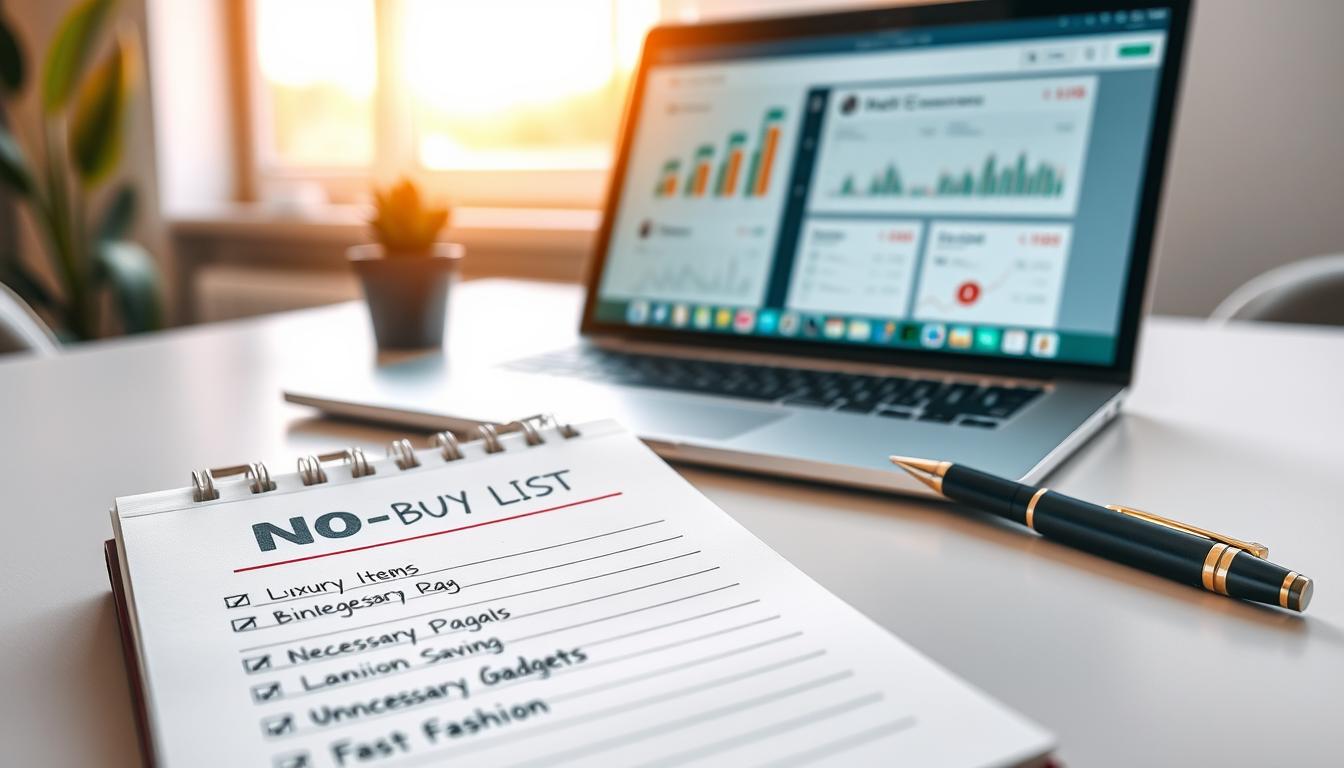
I am No Longer BROKE Since I stopped Buying These 25 Things
Promise: Stop feeling broke by cutting repeat “leak” spending and keeping clutter out of your home. This approach targets small, frequent drains on your money and creates room for real priorities. No-buy list, not punishment: The goal is practical change, not perfection. Avoid purchases that add little value. Focus on fewer, better choices and clearer daily life. The full guide groups the 25 items into clear categories: paper and office, groceries and delivery, drinks and reusables, kitchen and cleaning, bathroom and beauty, clothes, subscriptions, and big-ticket upgrades. This will fit a typical U.S. routine and a busy shopping year.
What “broke” often looks like: many small buys, duplicates, and hidden fees. Use the list this way: copy it, circle five top money drains, and try a short trial window before expanding changes.
Key Takeaways
- Small repeat purchases add up; stop the leaks to reclaim funds.
- A targeted no-buy list is practical and flexible, not extreme.
- Categories make the 25-item list easy to scan and apply.
- Focus on habits that match your lifestyle, not one-size-fits-all rules.
- Try a short trial period: circle five drains and see real results.
Why a “no-buy” list works when you’re tired of being broke
Start by treating clutter as a ledger: every unused item marks a past purchase that cost time and money.
Decluttering exposes regrets and resets habits
Decluttering acts like an audit. You can see what you own, what never got used, and what became costly clutter. Handling that stuff links regret to smarter choices.
Online shopping makes clutter creep back in
One-click purchases, targeted ads, and late-night scrolling lead to duplicate buys. That pattern quietly restocks clutter in your home and drains small amounts that add up.
Putting your plan on paper increases follow-through
Writing a clear list turns a wish into a commitment. Keep the list on your phone and also on paper where you see it before any non-essential purchase.
"A visible plan removes decision fatigue by pre-deciding what you won't buy."
- Use the list as a boundary, not punishment.
- Check it before any non-essential shopping.
- Customize the list for the triggers that affect most people.
For a simple start, write the list, review it weekly, and read more about how a focused no-buy strategy works here: no-buy year lessons.
How to choose what to stop buying without feeling deprived
A simple audit helps you stop repeat buys without feeling deprived or missing essentials. Use a short checklist to tell which items to pause and which to stop.
Separate "already have enough" from "never truly used"
Look for duplicates and unopened boxes. If a product sat unused for months, mark it as a stop candidate. For things you already have in usable condition, place them on a pause list. That gives breathing room without guilt.
Audit your home: pantry, bathroom, closet, and subscriptions
Walk each zone for ten minutes. Check expiry dates, count similar items, and log recurring charges. Quick audit table below shows a simple way to decide.
| Area | Findings | Action |
| Pantry | Multiple unopened bags of rice, pre-cut produce rarely used | Pause bulk buys; stop pre-cut produce |
| Bathroom | Extra skincare samples and duplicate soaps | Use what exists first; stop duplicate products |
| Closet | Clothes never worn, high-maintenance pieces | Donate or sell; pause impulse fashion |
| Subscriptions | Unused apps, overlapping streaming services | Cancel or rotate to one; set a review date |
Use "does this fit your lifestyle?" as a decision filter
Ask whether a product matches daily routine. Meal kits, complex planners, or high-maintenance clothing often fail this test. Adopt simple guardrails: wait 72 hours, price-check, and confirm a storage spot before buying. This preserves choices and prevents regret. "Pause purchases where supply exists; stop buys that never supported your real routine." For more quick saving ideas and practical steps, see ways to save $5 a day.
I am No Longer BROKE Since I stopped Buying These 25 Things
This section explains how the list is set up so you can copy it into your own life with little fuss.
How the list is organized
The items are grouped by real spending zones: home, food, personal care, entertainment, and big-ticket choices. Use these headings as a shell. Swap specific items to match your household and habits.
How to prioritize your one-person list
Score each entry with a quick tag to focus on high impact:
- High spend — costs add up fast.
- High clutter — creates waste or storage pain.
- High regret — bought but rarely used.
Why your list should look different (and how to keep it flexible)
Your budget leaks are unique; that is the main point. Customize freely and set clear exceptions.
Allow essentials, replace only when truly needed, and review planned purchases monthly.
"Track results: log the money not spent and the clutter avoided."
Practical tracking helps you see real change. Keep the list visible and update it as habits shift.
Paper and office supplies you can stop rebuying
Paper and basic office supplies often pile up while quietly draining your budget.
Notebooks, journals, and pens you already own
Do a quick inventory of notebooks, journals, and pens before shopping. Use what exists first and mark extras as pause candidates.
Rule: keep only one active notebook. This stops half-used items from collecting dust.
A yearly paper planner that never matches how you plan
Yearly planners often fail because routines change. A mix of Google Calendar and a running checklist usually works better than a bulky planner.
Refillable options that reduce repeat purchases
Choose refillable pens, fountain pens with ink, and durable notebooks to lower repeat buys. These products cost more up front but save money over years.
- Inventory what exists and commit to using it before buying more.
- Set visible storage so you make sure duplicates don’t sneak in.
- Treat small office buys as a quiet yearly expense that adds up.
"One visible rule beats many promises: use what is on hand before adding new supplies."
Sales and “good deals” that quietly drain your money
Discounts can disguise wants as bargains and quietly empty your wallet. Shiny sale tags create urgency and a sense of loss if a purchase is missed.
Why sale prices convince you to buy items you don’t need or love
Retail tactics—countdowns, low-stock alerts, and suggested add-ons—make shopping feel like a smart move, not impulse buying. That pressure leads to extra items that often sit unused. Discounted purchases still cost money and create clutter.
How to shop discounts only for true essentials
Essentials-only discount rule: buy on sale only if the item was already on your list and you would buy it this month anyway.
Practical filter: if a clear use or date for the item cannot be named, the deal is not a deal.
"I'm not saving money; I'm spending money—unless it replaces an essential I will purchase regardless."
- Resist urgency: wait 48–72 hours before checkout on non-essentials.
- Track deal spending for one month to see how much disappears through impulse discounts.
- Prioritize discounts that replace a needed item, not add another duplicate.
Grocery store extras that add up fast
Every trip to the store hides tiny line items that add up by month's end. Small choices—checkout bags, delivery fees, and pre-cut produce—raise the total without obvious benefit.
Store checkout bags and reusable-bag overload
Paying per checkout bag creates a recurring cost. Many states charge for bags, and extra reusable bags often pile up as clutter.
Quick habit: keep a set of reusable bags in your trunk or by the door so you stop paying for bags at checkout.
Delivery and pickup fees that require more planning
Grocery delivery and pickup save time but add fees and substitutions. Missing items and odd substitutes can force extra trips or unwanted purchases. Tip: weigh the convenience against the fee and only use delivery when planning is realistic for your routine.
Excess food and pre-cut produce
Organizing your pantry reduces food waste by showing what already exists. That prevents duplicated items and spoiled products. Pre-cut produce costs more and uses more plastic. For example, pre-sliced peppers can be substantially pricier than whole ones.
Alternative: buy whole produce and chop once after shopping to keep weekday prep easy without the premium.
"Small grocery extras look harmless until they become a steady monthly expense."
Food delivery and takeout habits that sabotage your budget
A delivery habit can inflate spending and lower meal quality without obvious signs.
Delivery adds fees, tips, and higher menu prices. Those extras quietly drain your money over weeks.
Why delivery costs more and still risks cold food or wrong orders
Third-party apps often mark up menu prices and add service fees. Drivers and busy kitchens can cause cold or incorrect orders.
That means spending extra money and still getting poor-quality food.
When pickup directly from the restaurant makes more sense
Pickup avoids third-party markups and lets you confirm the order at the counter. It is a simple, reliable way to save.
- Pickup night: plan one planned night to skip cooking without losing control.
- Order direct: call or use the restaurant’s site to avoid app fees and support local places.
- Quick checklist: decide before hunger, set a spending cap, and make sure pickup fits your schedule.
| Option | Cost factors | Quality risk | Best use |
| Third-party delivery | Fees, tips, marked-up menu | Higher risk of cold/wrong items | Occasional convenience |
| Restaurant pickup | No app fees, standard menu price | Low — verify at pickup | Planned nights out of cooking |
| Ordering direct | Lowest fees, supports local | Very low — confirm during order | Best regular strategy |
"Reduce frequency rather than eliminate it so takeout becomes intentional instead of automatic."
Drinks you can stop paying for every week
Weekly drink purchases add up faster than most people notice, turning small comforts into steady costs that drain your budget.
Single-use coffee pods and coffee “on the go”
Single-use coffee pods cost more per cup and force constant repurchasing. Brewing at home with a French press or a reusable pod cuts the per-cup cost and saves time.
K-cup waste and low-recycle reality
K-cup trash could wrap the planet ten times, making pods a high-waste convenience. Most plastic is rarely recycled; only about 5–6% gets processed.
Bottled water facts and tap alternatives
About one million plastic bottles are sold every minute worldwide. Many bottles take roughly 450–1,000 years to break down. Most U.S. tap water is drinkable. If taste is an issue, compare monthly bottled spend to a one-time filter purchase (Berkey or Brita-style) and a reusable bottle.
"Swap convenience for a simple routine: brew, fill, and go."
- Use a French press or reusable pod for coffee.
- Carry a reusable bottle and install a home filter if needed.
- Calculate savings: bottled water costs add up to much money over a month.
Stop buying more “reusables” you already own
Many kitchens hide a growing collection of reusable bottles and mugs that never see daily use.
That trend creates a clutter problem and a quiet drain on your budget. Buying eco-friendly options is smart when they replace disposable waste. It becomes wasteful when duplicates sit unused.
Reusable water bottles and travel mugs that multiply in your cabinets
Water bottles and travel mugs are the usual culprits. They stack up after promotions, gifts, or trendy designs. Soon cabinets overflow with stuff you forget about.
How to set a one-in, one-out rule for reusable items
Try this simple rule: if you add one new reusable, donate or recycle one existing item immediately. Keep a practical cap: one bottle per person plus one spare for guests.
- Store kept bottles in one visible spot so you remember what you own.
- Choose durable pieces that fit daily life, not just aesthetics.
- Track savings: the most sustainable item is the one already in use.
"The easiest sustainable win is using what already exists."
Kitchen storage and gadgets that create clutter
Buying storage feels productive until lids, mismatched containers, and odd tools crowd drawers.
Before purchasing another set, audit what already exists in your kitchen. Count jars, lids, and containers. Note which items are used weekly and which sit unused.
Glass jars and containers you already have enough of
Reuse sauce, pickles, and jam jars instead of buying new matching containers. That saves money and cuts waste.
Don’t discard serviceable containers just to “upgrade.” Keep functional pieces for staples like oil and dry goods.
Single-purpose gadgets that don’t fit your routine
If a gadget only does one thing and will not sit on the counter or be used weekly, it becomes a drawer-stuffer.
Rule: if a thing can’t earn a visible spot or weekly use, skip it.
"Choose tools that match how cooking really happens in your life, not how it might on a perfect weekend."
- Audit before buying matching sets.
- Reuse glass jars as free storage.
- Prioritize multi-use, durable items that reduce clutter.
Cleaning and household consumables you can replace with longer-lasting options
Small, single-use cleaning choices quietly add up to a sizable yearly expense and more waste in your home.
Paper towels: cost and recycling limits
Using about two rolls per week can approach $200 per year for an average family. Paper towels are usually soiled and cannot be recycled, so cutting use reduces trash immediately.
Resource impact per ton
Making one ton of paper towels uses roughly 12 trees and about 20,000 gallons of water. That scale shows how small choices add up to real resource costs.
Durable cloths and safer scrub tools
Wide-weave cotton bar rags absorb better than microfiber, which sheds microplastics. Swap grimy plastic sponges for wooden dish brushes with replaceable
compostable heads, copper scrubs, loofahs, or sturdy rags.
Trim unnecessary cleaning products
Skip duplicate sprays, scent beads, and extra add-ons. Use up what exists, then replace with fewer, longer-lasting products that truly fit your routine.
"Replace single-use habits with durable options to save money and cut plastic waste."
Bathroom and period products that can save you hundreds over time
Small monthly buys for period care add up fast and often show up as both waste and cost. In the U.S., roughly 12 billion pads and about 7 billion tampons are discarded annually. That scale becomes visible in both trash and spending.
Disposable pads and tampons: waste and annual cost estimates
Average disposable spending runs near $28 per month, or about $336 per year. Those small buys become a steady line item that can total hundreds over a few years.
Reusable options: cups, cloth pads, and period underwear
Reusable products include menstrual cups, cloth pads, and period underwear. A cup replaces many disposable pads and tampons and reduces both waste and long-term cost.
Why a menstrual cup can end emergency runs for years
A cup often lasts for years with proper care. Real-life proof: a user reports buying an OG DivaCup at 23 and expecting it to last through menopause. That reliability removes last-minute store trips and spare-pad purchases.
"Having a cup removed emergency runs and gave steady savings."
Adoption tip: start with one reusable option, practice at home, and keep a single backup while you learn what fits. Choose what works for your body and routine—no one-size-fits-all rule.
Beauty and salon spending that doesn’t have to be monthly
Routine visits for hair, nails, and brows can slip from occasional treats into automatic monthly costs. That pattern raises bills and fills cabinets with items that rarely get used.
Salon services you can reduce without giving up self-care
Evaluate which services truly boost confidence and which became a default habit. Consider fewer haircuts per year, skipping dye touch-ups, and cutting back on facials or lash fills if they aren’t essential. Try a realistic plan: two hair appointments a year if that fits your style, and pause monthly nail or brow appointments to see how much ease and money return.
Trending makeup and “miracle” products that become clutter
New launches and influencer hype push duplicate items into your kit. That creates waste and makes it harder to finish products you already like.
- Build a capsule makeup bag: keep core items you use daily.
- No “miracle” buys unless the product solves a specific problem you will use consistently.
- Finish what exists before adding replacements to avoid clutter.
"Reduce the cadence of salon visits and trim trendy buys; self-respect stays, while unnecessary expense goes."
Practical tip: mark one service as a monthly priority and rotate others by season. This frees budget while keeping the beauty routine that matters.
Clothes, jewelry, and shoes that don’t earn their keep
Buying clothes that need special care can cost more in time and services than the initial price suggests. Skip fabrics that demand dry cleaning or daily ironing if that care does not fit your routine. Those upkeep costs add up and make the piece hard to wear often.
High-maintenance fabrics and real-life cost
Choose easy-care pieces that match your schedule and climate. If an item needs frequent professional care, it should justify that expense with clear, frequent use.
Fast fashion reality and garment waste
Mass production creates huge landfill pressure — most garments are discarded. Donating helps, but many donated pieces still end up as waste.
Jewelry and shoes bought for one outfit
Jewelry and shoes purchased for a single event often become clutter. Use this simple rule: if it does not replace an existing piece or fill a frequent-use gap, skip it.
- Replacement rule: buy new only if it replaces an item you already own or meets a real, repeated need.
- Define what you actually wear by season and routine to avoid impulse buys.
- If a regretted fast fashion buy happened years ago, use that memory to tighten future choices.
- Wear test: if you cannot picture using an item at least 30 times, it likely does not earn closet space.
"Keep wardrobe choices aligned with daily life, not a hypothetical event."
Subscription traps and entertainment costs that balloon over a year
Subscriptions start as tiny conveniences and then quietly stack up into a serious annual expense. Small monthly charges hide in app stores and bank statements, and by the end of the year the total surprises many people.
Apps and monthly memberships that quietly stack up
Run a quick audit: check your app store subscriptions and recent bank statements. Cancel trials that rolled into paid plans and note services you never open.
Cable and extra streaming services that can cost hundreds per month
Cable bundles and multiple streaming services may run into hundreds per month for some households. That level of recurring spending inflates the yearly budget fast.
How to keep one service and rotate intentionally
Adopt a one-service rule: keep the platform you use weekly, cancel the rest, and rotate subscriptions each season for variety. This frees both money and
time spent browsing.
"Trim to what fits your routine: keep what is used often, pause what is rarely opened, and skip 'maybe someday' services."
| Service Type | Typical Monthly Charge | Best Use |
| Streaming (one) | $8–$15 | Daily or weekly viewing; rotate quarterly |
| Cable bundle | $80–$200 | Live sports/news needs; compare to antenna options |
| App memberships | $3–$15 | Keep only used apps; cancel trials |
- Audit monthly bills to spot hidden charges.
- Keep one go-to stream and rotate others for variety.
- Decide by weekly use, not by FOMO.
Big-ticket “life upgrades” you can pause to protect your finances
Pausing large purchases moves the needle on your budget faster than skipping a weekly treat. Big-ticket categories change your balance sheet in one decision, so a single pause can free more cash than many small cuts.
Furniture buying: why “we’re happy with what we have” is a strategy
Keeping functional furniture prevents impulse upgrades that add clutter and drain savings. When comfort and safety are fine, not replacing things is a deliberate choice, not deprivation. Buy secondhand only when a real need exists. Often, “not buying” is the biggest win.
Fitness gimmicks vs. free habits
New-year marketing sells gear like quick fixes; much of that is snake oil dressed as innovation. Simple habits—walking, bodyweight routines, and consistent stretches—deliver results at no extra cost and with fewer returns.
Home buying math: when renting can cost far less than purchasing
In many markets, renting can be roughly half the monthly cost of owning a similar home. If buying would raise your monthly outlay a lot, waiting can protect savings and give time to plan.
"Only upgrade when it solves a real problem—comfort, safety, or function—not boredom or comparison."
Practical tactic: create a small "future upgrades" sinking fund. Save intentionally for planned purchases so upgrades happen on your terms, not on impulse.
Conclusion
A smart finish is simple: take paper, a pen, and write five items you will not buy for 30 days. That small list protects your money and cuts the habit of buying repeat stuff. Put the same list in your phone so it is easy to check before you spend. Use a weekly 10-minute reset: review subscriptions, glance at pantry and bathroom, and make sure you are using what you already have. Track what changes in your bank account and in your home. As a side win, less shopping usually means less plastic and fewer paper items in the trash. When you do replace an item, pick one durable option—not another one to hoard. Allow one planned treat night. Keep the list aligned with your real schedule and priorities so this way truly lasts and saves you much money.

0 Comments Comments