
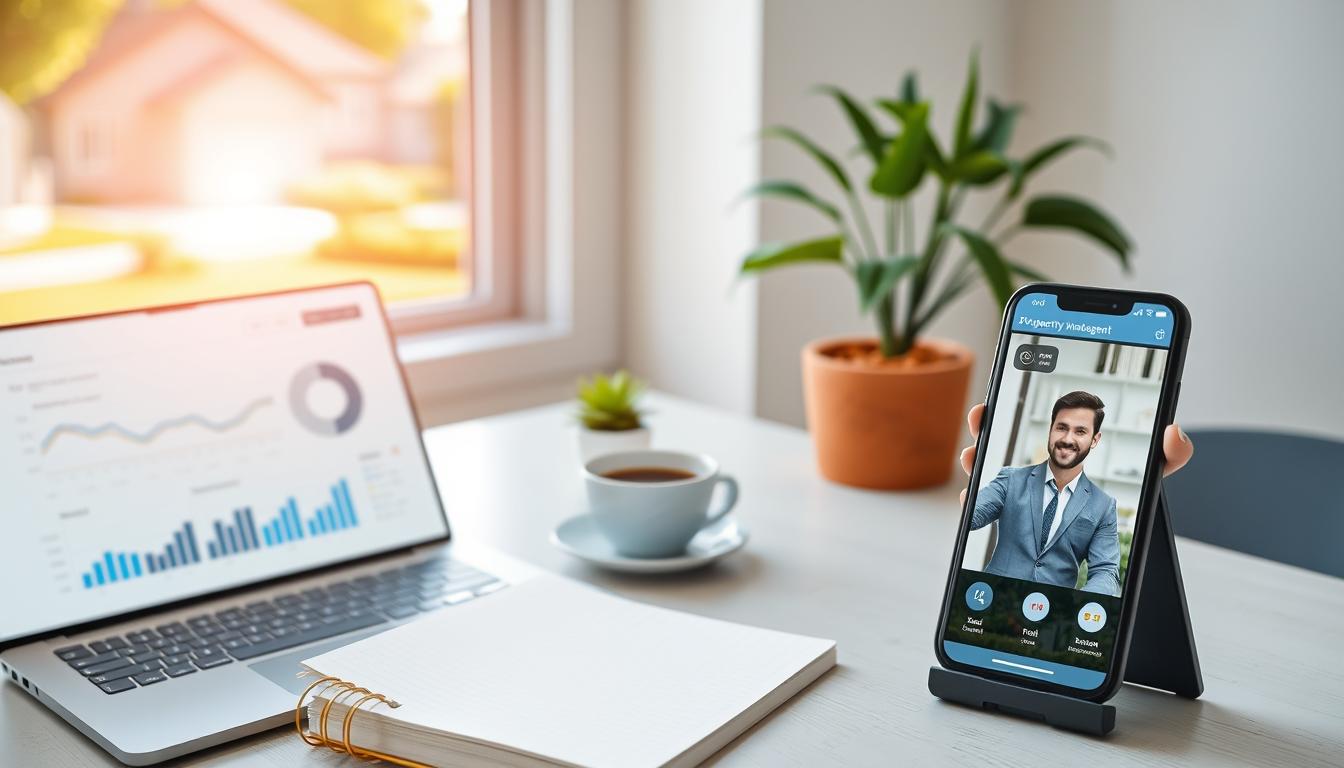
Manage Rental Properties Remotely: Tips for Success
Owning a rental property in a different city or state is a powerful investment strategy. Many investors target growing markets with affordable prices. A remote property might be a family home you've inherited or a strategic purchase in a booming area. This type of real estate ownership comes with unique challenges. You need to coordinate repairs, understand local laws, and communicate with tenants effectively. Distance does not have to be a barrier to success.
With the right approach, your property can perform like a well- run business. This involves using modern technology and building a trusted local
team. Successful long-distance landlords create strong systems for accountability.
This guide provides the essential strategies for landlords. You will learn to leverage tools and professional partnerships. The goal is to achieve peace of mind and strong returns, no matter where you live.
Key Takeaways
- Remote property investment is a common strategy for building a real estate portfolio.
- Effective management relies on technology, systems, and a reliable local network.
- Understanding and complying with local regulations is critical for success.
- Proactive oversight and clear communication are essential for tenant satisfaction.
- Strategic planning turns geographical distance into a manageable factor.
Understanding the Dynamics of Remote Property Management
Operating a real estate investment from a distance introduces a unique set of operational dynamics. Your physical separation from the asset requires a more structured and proactive approach. Success hinges on anticipating potential hurdles before they arise.
Assessing Investment Opportunities in Diverse Markets
Geographic distance can create significant communication barriers. Building a strong rapport with your tenant is more challenging without occasional face-to-face interaction. Misunderstandings can affect satisfaction and retention rates.
Another critical concern is maintenance. A small leak or electrical issue can quickly become a major, costly repair if not addressed promptly. You cannot personally inspect the property or easily coordinate with local contractors in real-time.
Navigating Local Market Challenges and Remote Oversight
Legal compliance becomes more complex when your asset is in another state. Staying current with local ordinances, tax requirements, and landlord-tenant laws demands extra diligence. These regulations can differ greatly from those in your home jurisdiction.
Time zone differences add another layer of complexity. Urgent requests or emergencies may occur outside your normal business hours, delaying critical decisions. Understanding these realities empowers landlords to build systems that mitigate risk.
Acknowledging these challenges is the first step toward effective oversight of your properties. It allows you to establish the partnerships and processes needed for a profitable rental property.
How to manage rental properties from afar: Tools and Techniques
Successfully overseeing investment properties in different locations demands careful selection of digital management tools. Your technological infrastructure becomes the backbone of your operation when physical presence isn't possible.
Utilizing Property Management Software and Digital Tools
Modern platforms streamline every aspect of oversight. They handle rent collection, maintenance requests, and document storage in one centralized system.
These solutions automate repetitive tasks, saving you valuable time. You can track property performance and financial metrics from anywhere.
Leveraging Communication Platforms for Tenant Interaction
Establish clear channels before your tenant moves in. A dedicated portal for maintenance and payment requests creates structure.
Set expectations for response frames and emergency protocols. Proactive communication makes tenants feel supported and valued.
"The right technology transforms geographical distance from a liability into an advantage for property investors."
| Communication Method | Best Use Case | Response Time Expectation | Professional Boundary |
| Tenant Portal | Maintenance requests & payments | 24-48 hours | High (structured platform) |
| Dedicated Business Phone | Urgent emergencies | 2-4 hours | Medium (separate number) |
| Professional Email | Non-urgent inquiries | 48-72 hours | High (formal communication) |
Regular check-ins and seasonal reminders build trust with your tenants. This approach often leads to longer leases and better property care.
Building Your Local and Virtual Support Team
The geographical gap between you and your investment can be bridged through strategic partnerships and technological integration. Your success depends on creating a reliable network that combines local expertise with digital oversight tools.
Identifying Trusted Local Representatives and Vendors
A dependable local property manager becomes your eyes and ears on the ground. They handle day-to-day operations and emergency situations. This professional coordinates maintenance and ensures your property meets local standards.
Building relationships with reliable contractors is equally important. Your local team should include plumbers, electricians, and general repair specialists. These partnerships ensure quick response times for any issues that arise.
| Team Member | Primary Responsibility | Communication Frequency | Key Qualifications |
| Property Manager | Overall oversight & tenant relations | Weekly updates | Local experience, references |
| Maintenance Contractor | Repairs & preventative care | As needed | Licensed, insured, responsive |
| Virtual Assistant | Administrative tasks & scheduling | Daily coordination | Tech-savvy, organized |
"Technology doesn't replace human judgment, but it amplifies our ability to manage assets across any distance."
Integrating Virtual Inspections and Remote Assistance
Modern technology enables thorough virtual inspection capabilities. Prospective tenants can tour your space using 3D models and floor plans. This reduces unnecessary physical showings while attracting serious applicants.
Programmable smart locks grant temporary access for showings or repairs. Doorbell cameras and leak sensors provide real-time monitoring. These tools help detect issues early and verify vendor visits.
Combining virtual tools with local professionals creates comprehensive oversight. This approach protects your investment while maintaining tenant accountability.
Effective Tenant Screening and Lease Management
The tenant selection and lease administration process becomes particularly critical when managing assets from another location. Digital tools provide the structure needed for consistent, compliant operations.
Employing Digital Tenant Screening Methods
Leading screening platforms offer comprehensive background checks. They verify credit history, employment, and rental references. This thorough vetting process helps identify reliable occupants for your property.
Many services provide state-approved lease templates. You can also upload custom documents with specific addendums. This ensures your agreements meet local legal requirements.
Implementing Online Lease Agreement Solutions
Platforms like DocuSign Agreement Cloud for Real Estate streamline the signing process. According to the company, 80% of documents are completed within one day. This reduces turnaround time by 25% compared to traditional methods.
Always review the entire lease agreement with new tenants before move-in. This ensures they understand all rules and responsibilities. Clear communication establishes expectations from the beginning.
| Screening Platform | Key Features | Document Storage | State Compliance |
| Platform A | Credit checks, eviction history | Cloud-based secure storage | All 50 states |
| Platform B | Income verification, criminal background | Encrypted digital vault | Custom state forms |
| Platform C | Rental history, reference checks | Automated renewal tracking | Local law updates |
Digital systems securely store signed agreements and track renewal dates. They automatically send notices for lease terminations or extensions. This organized approach supports successful long-term tenant relationships.
Streamlining Maintenance and Repairs Remotely
Proactive maintenance systems are the cornerstone of preserving your property's value when you are not physically present. A structured approach prevents minor issues from escalating into costly emergencies.
This requires clear communication channels and a reliable schedule. Establishing these protocols saves you time and protects your investment.
Coordinating with Local Contractors for Timely Repairs
Your local property manager is vital for coordinating repairs. They vet and manage relationships with trusted plumbers, electricians, and general contractors.
Provide them with a written maintenance policy outlining response time expectations for different issues. This ensures consistent service quality for your tenants.
Scheduling Regular Property Inspections and Updates
Schedule semi-annual inspections to assess your property's condition. These check-ups identify wear and tear early.
They also verify tenant compliance with lease terms. This proactive way of operating maintains your rental property's appeal and justifies rent increases.
Even with a great manager, an annual visit is a smart way to build rapport. You can personally inspect the premises and discuss long-term plans.
| Inspection Type | Frequency | Primary Focus | Follow-Up Action |
| Virtual Check-in | Quarterly | Tenant satisfaction, minor issues | Email summary, schedule repairs |
| Formal Inspection | Semi-Annually | Property condition, lease compliance | Detailed report, maintenance plan |
| In-Person Visit | Annually | Major systems, manager assessment | Strategic planning, capital improvements |
Business travel for these visits is typically tax-deductible. Consult a tax advisor to ensure compliance with IRS rules. Combining virtual and in-person checks creates a robust system for effective remote oversight strategies.
Ensuring Compliance with Local Regulations and Safety Standards
Navigating the complex web of local regulations is essential for remote investors to avoid costly penalties. Your physical distance increases the importance of systematic legal oversight.
Staying Informed About State and Local Laws
Regulatory requirements vary significantly across jurisdictions. Each city and state has unique landlord-tenant laws that demand careful attention.
Many municipalities now require property registration or rental licensing. These local regulations frequently change, making consistent monitoring essential. A practical guide to local government regulations can provide valuable insights.
Creating and Maintaining a Compliance Checklist
Develop a comprehensive checklist tailored to your property's location. This should include mandatory safety inspections and lease disclosures.
Key items for your 2025 checklist:
- Annual smoke detector and carbon monoxide alarm testing
- Required disclosures for lead paint, mold, and flood zones
- Current rent control ordinances and deposit limits
- Non-resident tax filing obligations
Maintain this checklist in a spreadsheet or property management software. Regular quarterly reviews ensure you adapt quickly to changing laws.
Maximizing Revenue and Minimizing Risk from a Distance
Achieving strong returns on your real estate investment requires precise financial oversight. This task is made simpler with today's digital tools. The right software provides the clarity needed for confident decision-making.
Automating rental payments eliminates delays and manual tracking. Tenants appreciate the convenience of online portals. You gain immediate visibility into your cash flow.
Automating Rent Collection and Payment Management
Platforms like Stessa automatically update income and expenses. They replace outdated spreadsheets with real-time dashboards. This saves you valuable time and reduces errors.
Tracking Income and Managing Investment Returns with Technology
Comprehensive dashboards show performance at both portfolio and individual property levels. You can assess net cash flow and return on investment instantly. Detailed monthly reports simplify financial analysis.
Cloud-based systems securely store all documents. Mobile apps let you track expenses and upload receipts on the go. Integrated tax centers automatically categorize deductible expenses.
| Financial Feature | Stessa | Belong | Key Benefit for Investors |
| Automated Income Tracking | Yes | Yes | Real-time revenue visibility |
| Expense Categorization | Automatic | Manual & Automated | Simplifies tax preparation |
| Mobile Receipt Capture | Yes (iOS/Android) | Dashboard Focus | On-the-go expense logging |
| Portfolio-Level Dashboards | Yes | Yes | Holistic performance view |
This transparent financial tracking gives investors complete control. It turns complex data into a clear path for maximizing your property's profit potential.
Conclusion
Distance should never compromise the quality of your investment oversight or tenant relationships. Geographic separation becomes manageable when you establish strong systems and clear communication channels. This approach protects your asset value and ensures consistent cash flow.
The right combination of technology and professional partnerships creates comprehensive oversight. Property management software, reliable local teams, and regular inspections work together seamlessly. These tools give you the control needed for successful long-distance ownership.
With proper planning, your remote real estate investment can deliver strong returns and peace of mind. Modern landlords leverage these strategies to build profitable portfolios across different markets. Your commitment to systematic oversight turns distance into an advantage rather than a limitation.

0 Comments Comments