
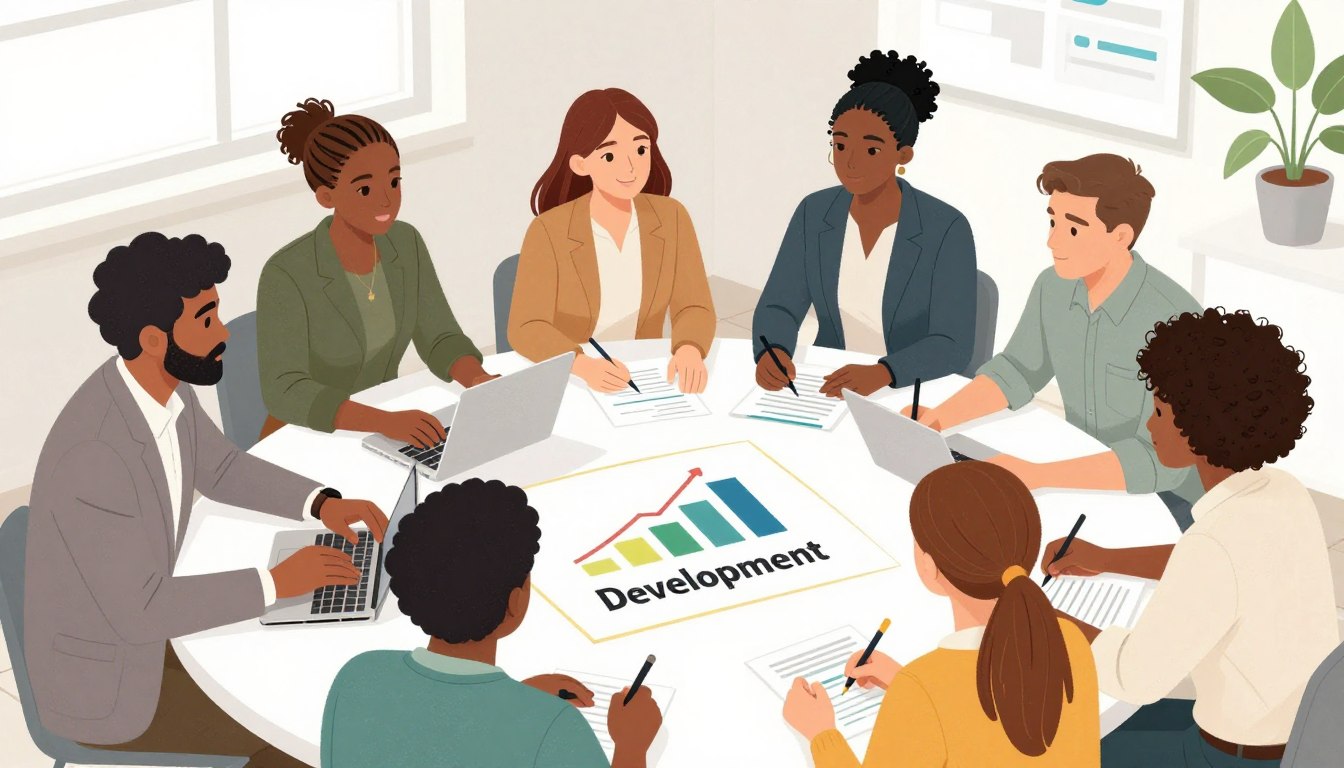
Meaningful Personal Development Goals to Transform Your Life
This guide helps you pick clear, high-impact aims — not vague self-improvement intentions that linger in a notebook. You’ll learn how to turn a wish into a dated, measured plan with first steps you can act on now. Meaningful here means goals tied to your values, tracked with simple metrics, and backed by habits you can sustain. The Oxford Reference definition (via Reclaim.ai) frames this as growing skills, competence, attributes, and personality through education and practice. You’ll get a quick preview of goal categories: time and focus, learning, mindset, emotional intelligence, communication, public speaking, leadership, career growth, well-being, and life admin. The article shows frameworks to make aims specific and measurable — not just “be better.”
Expect a process: pick one goal, set a plan, track progress, and adjust without quitting. Small, steady changes create ripple effects across work and life.
Key Takeaways
- Choose high-impact aims tied to your values and habits.
- Make each aim specific, measurable, and time-bound.
- Use simple metrics and first steps to start immediately.
- Track progress, review, and adjust rather than quit.
- One well-crafted aim can improve both work and life.
What personal development goals are and why they matter
A focused aim acts like a roadmap for how you spend time, energy, and attention. In plain terms, these aims improve your capabilities, well-being, and performance across multiple areas of life. They target skills, habits, and mindset so growth becomes visible and repeatable.
Personal and professional aims overlap often. Professional development tends to be job-focused: certifications, promotions, or new responsibilities. In contrast, personal professional aims may include emotional intelligence, habits, or resilience that boost both career and relationships. Why set aims? Without them, progress feels random. With clear aims you get a roadmap that shapes daily decisions and priorities. Small, repeated actions — reading, practice, reflection — build new skills and stronger habits over months.
How goals support skills, habits, and lifelong learning
Goals link learning to practice. You choose a skill, break it into steps, and schedule short reps. Over time, competence rises and you stay adaptable at work and in life.
Where growth shows up in your life and career
You'll notice better performance at work, calmer emotional reactions, healthier routines, and stronger relationships. Pick aims that match your season of life rather than copying a generic list.
Benefits you can expect when you commit to real growth
Committing to practical aims reshapes how you spend every hour and where you invest your energy. Clear targets stop guesswork so you use time and work with purpose.
Clarity and direction for your time, work, and priorities
When you map out specific aims, priorities fall into place. You stop juggling tasks and start choosing actions that move you forward.
Motivation, resilience, and confidence you can measure
Track small wins to build motivation. Each completed milestone proves you can follow through and raises confidence.
Resilience is planning for setbacks so you recover faster when things go off plan.
Better relationships, communication, and emotional control
Practicing intentional behaviors improves communication and emotional intelligence. You listen better, write clearer, and manage emotions under pressure.
The result is stronger relationships and more reliable progress at work.
"Attainable aims correlate more with well‑being than vague ambitions."
European Journal of Personality summary
| Benefit | What it changes | Practical sign |
| Clarity | Focused use of time | Fewer ad‑hoc tasks |
| Motivation | Consistent action | Daily small wins logged |
| Resilience | Faster recovery | Predefined backup plans |
| Confidence | Evidence of progress | Milestones completed |
How to choose the right goals for you
Start with clarity, not a long to-do list. Spend a few minutes on a quick self-audit to find the highest-return targets. This keeps your plan focused and easier to start.
Start with self-assessment: values, strengths, and growth areas
Ask four simple questions: what do you value, what strengths do you have, what limitations hold you back, and what growth areas would change things most? Write brief answers — one line each.
Pick high-impact areas that match your season of life
Match aims to your current role: new job, family care, recovery, or leadership. Choosing an aim aligned to your season reduces friction and makes the effort feel worthwhile.
Focus on one or two goals to avoid burnout
Use impact vs. effort logic: prioritize items that move the needle but require reasonable effort. This prevents busywork and protects your ability to keep steady progress.
- Choose aims that expand your ability and open future opportunities.
- Limit active aims to one or two so habits can form reliably.
- Pick measures you can track weekly to spot progress or challenges early.
"Prioritize less to achieve more; depth beats breadth in lasting change."
Next: once you have the right target, use a proven framework to turn intent into a step-by-step plan.
How to set goals you’ll actually achieve using proven frameworks
Turn vague intentions into clear targets you can act on this week. Use a framework to make the plan simple, measurable, and time-bound. Writing the target and tracking weekly progress raises your chance of success.
Write SMART goals that are specific, measurable, and time-bound
SMART stands for Specific, Measurable, Attainable, Relevant, Time-bound. Rewrite a fuzzy aim into one sentence with a metric and deadline.
Example: "Read four industry books and summarize key takeaways by Sept 30." That gives a clear metric and finish date.
When to use OKRs for bigger objectives
OKRs fit when you have large objectives that need alignment and ongoing measurement. Use an objective plus 2–4 measurable key results to track progress across teams.
Break goals into manageable steps and milestones
Split the plan into weekly tasks and monthly milestones. Small wins make the work feel doable and keep momentum.
Set realistic deadlines and build accountability
Choose deadlines that are ambitious but realistic. Add accountability: a check-in partner, manager, coach, or a weekly written report.
Monitor progress, adjust the plan, and celebrate wins
Review results weekly, adjust tasks if needed, and celebrate milestones to reinforce habits. Gail Matthews found written goals plus weekly reports increase likelihood of success.
"Writing goals and sharing weekly progress boosts follow-through and success rates."
| Framework | Best for | Core feature | When to use |
| SMART | Single, time-bound goal | Clear metric + deadline | Individual learning or skill |
| OKR | Company or cross-team objectives | Objective + measurable results | Longer-term, aligned work |
| Milestone plan | Complex projects | Weekly tasks + checkpoints | Progress you can track weekly |
| Accountability loop | Behavioral change | Written reports + check-ins | When consistency matters |
Personal Development Goals That Matter for time, focus, and productivity
Mastering how you spend time unlocks steady progress across work and life. Control of your calendar and attention is the foundation for other development goals. Without it, plans stall and stress rises.
Improve time management with prioritization and time-blocking
Use the Eisenhower Matrix to sort urgent from important. Then reserve deep work blocks on your calendar. Time-blocking turns vague intentions into protected focus sessions.
Stop procrastinating by shrinking tasks and lowering friction
Break big tasks into a single "next tiny step." Prep materials in advance so starting is easier than avoiding. Small starts defeat the urge to delay.
Increase productivity by minimizing distractions and multitasking
Silence notifications, close unused tabs, and protect focus blocks. Multitasking reduces quality; finish one focus block before switching.
Create a balanced work-life routine that protects recovery time
Schedule breaks, set firm end times, and take regular days off to prevent burnout. Track progress with fewer overdue tasks, more completed focus blocks, and reduced last-minute stress.
Consistency beats intensity: small daily habits compound into real progress.
Personal growth goals for learning new skills and staying adaptable
Choose one practical skill that aligns with your job or a strong interest. This makes progress visible and prevents overcommitment.
Learn a new skill that boosts your job performance or personal interests
Pick one skill with high return: analytics, project management, a language, or a craft. Aim for one clear result you can measure in weeks, not years.
Build a habit of continuous learning through courses, books, and practice
Enroll in a single course or choose one book. Schedule short practice sessions each week and apply what you learn in a real project fast.
Become more adaptable by seeking stretch opportunities
Volunteer for unfamiliar tasks, join cross-functional projects, or take a temporary role that pushes your limits. Stretch work is the fastest way to increase your ability and confidence.
Measurement ideas: track hours practiced, modules completed, or a before/after work metric. Small, regular reps build competence far faster than waiting until you "feel ready."
"New skills act like insurance for change — they keep you flexible as tools and roles shift."
Mindset goals that build confidence and long-term progress
Mindset shapes how you begin, persist, and bounce back when plans hit roadblocks. Treat mental habits as the engine behind execution: your thoughts decide if you attempt, keep going, and recover.
Boost confidence by challenging negative self-talk
Notice a harsh inner line and test it. Replace extremes with a fact-based counterstatement, then run a small experiment to prove the new view.
Cultivate a growth mindset by reframing mistakes
See errors as feedback. After a setback, write one lesson and one next step. This turns blame into learning and keeps progress steady.
Increase self-awareness through reflection and input
Use short daily check-ins and a two-question journal: "What worked?" and "What I can try next?" Ask one trusted colleague for specific feedback each month.
"Small mindset practices improve decisions, calm, and willingness to use your potential."
| Technique | How to use | Expected result |
| Thought record | Note negative thought, counter with evidence | Higher confidence |
| Mistake debrief | List lesson + next action | Faster learning |
| Feedback loop | Ask for one specific input monthly | Greater self-awareness |
Emotional intelligence goals to strengthen relationships at work and at home
Emotional intelligence means you notice feelings early, name them, and choose a response instead of reacting. This makes your interactions clearer and steadier in pressure moments.
Enhance self-awareness and regulation
Start by tracking the feelings you notice each day. Write the trigger, the emotion, and one small action you took. Over time you spot patterns and lower defensive reactions.
Boundaries and asking for help are simple supports. They reduce overload and let you respond instead of snapping under stress.
Practice mindfulness to reduce reactivity
Use short breathing breaks, a two-minute meditation, or a one-line journal when a moment gets tense. These practices calm your nervous system and
cut impulsive replies.
Build empathy to improve trust and psychological safety
Listen to understand, validate feelings, and ask clarifying questions. When others feel heard, trust grows and teams contribute more freely.
- Actionable step: Before responding, name the emotion out loud for yourself: "I feel frustrated."
- Outcome: Fewer misunderstandings and faster conflict recovery across relationships and team work.
"People take risks and share ideas when they feel seen and respected."
Communication skills goals that improve how you connect with others
Clear communication acts like leverage: a small change can reduce rework and help your ideas land. These skills improve relationships, speed decisions, and make your time more productive. Better exchange also helps in non‑work settings, so the payoff is broad.
Improve active listening to understand instead of respond
Active listening is measurable. Maintain eye contact, avoid interruptions, restate what you heard, and ask open‑ended questions. Track this with a simple checklist during meetings for one week.
Boost how you tailor messages for each audience
Before you speak or send a message, ask: what will this person decide? Use fewer details for executives and more context for teammates who will execute. Record practice runs to refine tone and timing.
Strengthen professional writing by editing for clarity and tone
Edit business messages for one clear outcome and a call to action. Use short paragraphs, bold the request, and remove jargon. Measure progress by noting fewer follow‑up questions and faster approvals.
- Why this pays off: improved relationships, reduced rework, and stronger buy‑in for your ideas.
- Trackable signs of progress: fewer clarifying emails, shorter decision cycles, and clearer meeting notes.
For a practical checklist and templates, review a short guide on communication goals to set simple, weekly targets that boost your professional development and everyday connections.
Public speaking goals that elevate your influence and career
Public speaking can amplify your influence and speed career growth when you practice with purpose. Treat speaking as a high-return development aim: it raises visibility, builds transferable skills, and creates new opportunities.
Practice consistently with low-stakes reps and real feedback
Start small. Speak up in brief team updates, lead a short demo, or rehearse a two-minute pitch. These low-pressure reps let you build confidence and track progress.
Engage your audience with structure, stories, and presence
Use a clear opening, two main points, and a concise close. Add a short story that connects to the listener. Pause for effect and keep eye contact to increase comprehension.
Build confidence with recordings, coaching, or groups like Toastmasters
Record practice runs and review for pacing and filler words. Seek a coach or join Toastmasters for targeted feedback on clarity and delivery.
- Metrics: lower anxiety score, tighter time control, and higher audience comprehension.
- Ask for: specific notes on structure, pacing, and clarity—not vague praise.
"Consistent, measured practice turns nervous speakers into persuasive communicators."
Leadership and management goals for real-world impact
Your influence grows fastest when you define the behaviors you expect, not just the titles you hold. Treat leadership as repeatable actions: ownership, clarity, and steady follow-through that make the team stronger.
Enhance decision-making and ownership
Make decisions visible. Assess tradeoffs, write the rationale, and set a review date so work moves forward without second-guessing.
Coach through feedback and recognition
Hold regular one-on-ones, give timely constructive feedback, and publicly recognize effort. These habits build trust and raise performance.
Handle conflict with a solution focus
Prepare for tough conversations. Use a simple formula: facts + impact + request. Aim for durable solutions, not quick wins.
Be a better team player
Collaborate openly, invite others’ ideas, and deliver reliably under pressure. Strong teamwork amplifies leadership and improves outcomes.
"Leadership is influence, shaped by daily choices and clear follow-through."
Measure success by fewer escalations, clearer priorities, and higher engagement. For sample objectives and an action plan, see leadership action plan examples.
Professional development goals to grow your career and opportunities
Create a simple system to turn stretch tasks and new contacts into measurable progress. Frame professional development as a way to increase options: more capability, stronger relationships, and clearer visibility of your impact.
Expand your professional network through events and intentional follow-ups
Attend industry events with a clear aim: meet three new people and record one follow-up action per contact. After each event, send a short note with context and a next step.
Take on complex tasks to increase visibility and capability
Select work that stretches you and produces visible outcomes. Break the task into milestones and share progress updates so your job contributions are obvious.
Schedule quarterly growth conversations to align expectations and progress
Use a 30‑minute meeting each quarter to review objectives, wins, and next steps. Bring a short doc with metrics, lessons learned, and one ask for support.
Quick tracking table
| Action | How to track | Frequency |
| Networking follow-ups | Contact log with context + next step | After every event |
| Stretch tasks | Milestone checklist + outcome metric | Weekly updates |
| Growth convo | Quarterly note with wins & requests | Quarterly |
"Frame progress as a system: record wins, ask for alignment, and repeat."
Well-being goals that protect your energy, health, and focus
Protecting energy and sleep is the silent engine behind everything you try to improve. When you treat well‑being as a performance tool, your ability to learn, work, and stay calm improves. Small, repeatable routines make a big difference in daily focus and overall life balance.
Adopt an exercise routine that fits your schedule
Start with short sessions you can actually keep. Schedule workouts like meetings and pick variety so you don’t burn out.
Tip: begin with two 20‑minute sessions per week and increase slowly as the habit sticks.
Learn same‑day stress tools you can use immediately
Have quick practices ready: box breathing, a five‑minute walk, or two minutes of stretching. These cut reactivity and lower stress fast.
Use a simple before/after check: rate your stress, try a technique, then rate again to see the benefit.
Practice self-care as routines for sleep and recovery
Set a consistent sleep window and protect recovery time. Boundaries are not indulgence — they preserve your capacity for work and growth.
Exercise supports coping, self‑control, and sleep hygiene, which together boost decision quality and mood stability.
- Why this helps: energy and recovery make other development plans easier to sustain.
- How to track: workouts completed, sleep consistency, and stress ratings pre/post technique.
"Small, regular health practices multiply into better focus and longer term growth."
| Area | Simple marker | Frequency | What to watch for |
| Exercise routine | Workouts completed | Weekly | Rising consistency, lower fatigue |
| Stress tools | Stress rating before/after | Daily as needed | Faster recovery after technique |
| Sleep & recovery | Sleep duration consistency | Nightly | Improved mood and decision clarity |
| Boundaries | Protected downtime hours | Weekly | Fewer interruptions, steady focus |
Life admin goals that reduce stress and expand your freedom
Tidy life admin frees hours and reduces recurring stress so you can focus on real progress.
Improve financial literacy with practical steps
Start with a working budget you update monthly. Reclaim.ai recommends building an emergency fund of 3–6 months of living expenses and prioritizing high‑interest debt payoff.
Simple plan: list income and fixed costs, set a small monthly saving target, and direct extra cash to the highest‑interest balance first.
Limit social media to reclaim time and attention
McLean Hospital notes social media can raise anxiety, loneliness, and disrupt sleep. Treat app use as a focus and mental health action.
Practical constraints: set daily time windows for apps, remove nonessential notifications, and replace one scrolling session with a specific alternative, like a 10‑minute walk.
Start a short journaling habit to track emotions and progress
Journaling clarifies feelings, records small wins, and reveals patterns in habits and stress. Reclaim.ai recommends a simple log to make adjustments faster.
Try this: one sentence for emotions, one line for what you did, and one action for tomorrow. Over weeks you’ll spot trends and protect relationships and potential by reducing surprises.
"Fewer financial surprises and reclaimed time create space for steady growth and calmer relationships."
Conclusion
Conclude with a simple plan: pick one measurable aim, write it down, and act within 24 hours. Meaningful targets link to your values, fit your
current life, and become clear with a metric and deadline. When a goal is specific, you measure progress and see real growth in skills, work, and relationships. Choose one aim, use SMART or OKR to set a metric, break it into weekly steps, and schedule them on your calendar. Writing the plan and reporting weekly raises the chance of success—Gail Matthews' research shows written goals plus check‑ins improve follow‑through.
Monitor progress, adjust when needed, and keep moving rather than restarting. Pick a category from this guide and commit to a first step in the next 24 hours to turn intention into opportunity.

0 Comments Comments