
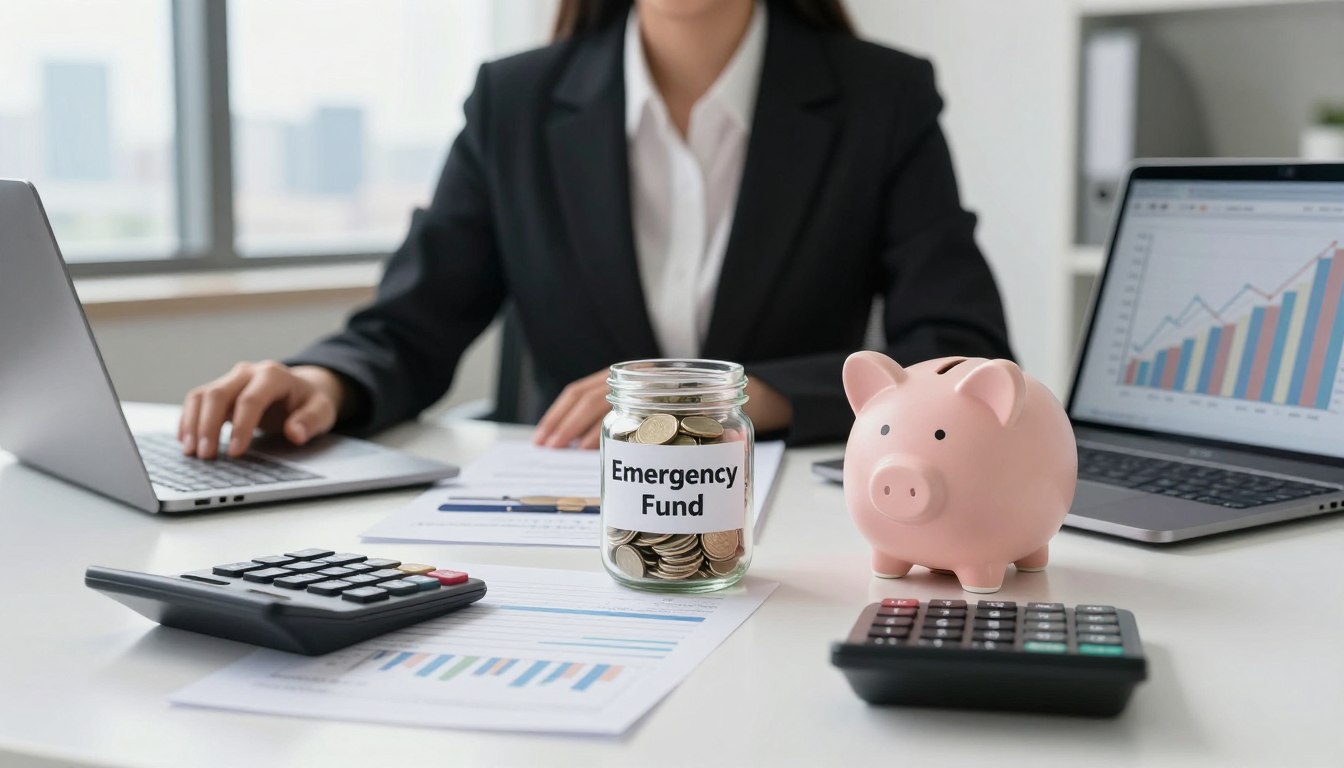
Smart Saving Strategies for Financial Peace
Building a solid financial foundation starts with smart approaches to managing your money. Many people feel uncertain about their economic future, especially during unpredictable times. Having a clear plan can transform this uncertainty into confidence. This guide explores practical methods that help you create lasting stability. You'll discover how thoughtful money management protects against unexpected expenses. These approaches balance your immediate needs with future security. Traditional money habits often leave gaps in your protection. Modern techniques offer stronger safeguards for your economic well-being. You'll learn how to build a system that grows with you through different life stages.
The right methods connect your daily choices with long-term objectives. They help you achieve both short-term targets and bigger dreams. This creates comprehensive wellness that reduces stress about money matters.
Key Takeaways
- Smart money management creates a foundation for long-term stability
- Modern approaches offer better protection than traditional habits
- Your savings serve as primary defense against financial emergencies
- Balancing immediate needs with future security is essential
- Strategic planning connects daily choices with long-term objectives
- Comprehensive methods reduce stress about economic uncertainty
- These techniques adapt to different stages of your life journey
Understanding Your Financial Security Needs
Achieving peace of mind requires a deep understanding of the two pillars that support your economic well-being. Your true financial security hinges on your dedicated cash reserves and the flexibility of your monthly income.
The Role of Emergency Funds in Financial Stability
An emergency fund is cash you set aside specifically for unexpected expenses. This could be a medical bill, a car repair, or a sudden job loss. It provides immediate access to funds when a crisis hits.
Research clearly shows its power. Among households with similar total available cash, those with the smallest savings reserves missed nearly 20% of payments. Those with the largest cash cushions missed only 7%.
Discretionary Income Versus Savings: What You Need to Know
Your discretionary income is the money left after essential bills. It might seem like a safety net, but it's far less reliable than dedicated savings.
Unexpected expenses often arise when your discretionary funds are already spoken for. Relying on your regular income stream can create a false sense of security, especially if your hours vary.
The data is stark. For low-income households, the amount of cash savings held is the main differentiator between low and high credit scores. Understanding this distinction changes how you prepare for life's uncertainties.
Saving Strategies for Financial Security
Building lasting economic stability involves selecting approaches that work specifically for your situation. The right plan transforms your daily habits into long-term growth.
Begin by tracking where your money goes each month. This reveals opportunities to redirect funds toward your savings goals. Understanding your spending patterns is the foundation for effective strategies.
Implementing Efficient Saving Methods
The "pay yourself first" approach ensures consistent progress. Automatically allocate funds to your savings before covering other expenses. This method removes the temptation to spend what you intended to save.
Research supports starting with 10-20% of your net income. Adjust this percentage based on your current circumstances and the time you have to reach targets. Financial education programs show this systematic approach significantly increases emergency funds.
Different situations require tailored methods. Those beginning their journey need different ways than those with established reserves. Combine expense reduction with income optimization for maximum impact.
The most successful approaches use behavioral insights to make saving money easier. Willpower alone rarely creates lasting change. Automated systems reduce decision fatigue while building your economic foundation.
Building an Emergency Fund: Why It Matters
Life's unpredictable events make a dedicated cash buffer not just helpful, but essential. This specific pool of money acts as your primary shield against sudden costs that could otherwise disrupt your stability.
Data reveals a stark reality. While most households can handle a $400 surprise, how they manage it varies greatly. Higher-income families typically use cash savings alone. Lower-income households often lack this immediate access.
Assessing Your Current Savings Levels
Start by calculating your true available cash. Look beyond total account balances. Subtract money already committed to upcoming bills.
This reveals your genuine reserve for an emergency. Experts suggest a minimum of $400 for basic security. This is your initial target.
Preparing for Unexpected Expenses
A well-sized emergency fund should cover three to six months of essential living expenses. This cushion protects you during job loss or major repairs.
Without it, you risk severe consequences like high-interest loans. For a detailed roadmap, consult this essential guide to building an emergency.
- Start small, aiming for $400 or two weeks of expenses.
- Gradually increase your reserve over time.
- Keep the fund in a readily accessible account.
Mapping Your Budget: Taking a Closer Look at Income and Expenses
Before you can optimize your financial situation, you need to map out your complete income and expense landscape. This process reveals your true cash flow patterns and identifies opportunities for improvement.
Tracking Your Spending Accurately
Start by recording every transaction for at least one full month. Capture everything from major bills to small daily purchases like coffee or snacks. This comprehensive approach ensures you see your complete spending picture.
Choose a tracking method you'll maintain consistently. Options include budgeting apps, spreadsheets, or simple pen and paper. The goal is accurate data collection without overwhelming complexity.
You'll often discover surprising patterns. Small, frequent purchases can accumulate to significant amounts over time. Regular tracking establishes baseline data for measuring progress.
Categorizing Expenses for Better Insights
Organize your spending into clear categories like housing, transportation, and groceries. This reveals exactly where your money goes each month. You'll identify areas consuming disproportionate amounts of your income.
Compare your categorized expenses against all sources of income. Include salary, freelance work, and investment returns calculated monthly. This comparison shows your true discretionary income available for saving.
For detailed guidance on this process, consult resources to make a budget that works for your situation. Review your data monthly to ensure accuracy and celebrate progress.
Optimizing Discretionary Spending to Boost Savings
Transforming how you allocate discretionary funds can rapidly build your financial reserves. Your everyday choices about nonessential purchases directly impact your ability to accumulate wealth.
Identifying Nonessential Expenses
Begin by honestly assessing your regular spending patterns. Separate true necessities from discretionary purchases that offer temporary enjoyment but limited long-term value.
Common areas for reduction include dining out, entertainment, and impulse shopping. Research shows consumers underestimate subscription costs by $133 monthly, representing significant savings potential.
Rerouting Leisure Spending into Savings
Redirecting leisure expenses creates immediate progress toward your goals. Cutting back by 75% on restaurants and entertainment can help typical households double their emergency funds in just 48 days.
Implement practical changes like meal planning and using free community events. The 30-day waiting rule helps avoid impulse purchases by requiring a
cooling-off period before nonessential buying decisions.
| Expense Category | Monthly Average | 50% Reduction | Annual Savings |
| Dining Out | $300 | $150 | $1,800 |
| Entertainment | $200 | $100 | $1,200 |
| Subscriptions | $133 | $67 | $804 |
| Impulse Purchases | $150 | $75 | $900 |
These adjustments free up substantial money without eliminating enjoyment. You make conscious choices about where your spending provides the most value.
Utilizing Automation and Financial Tools
Leveraging automation systems transforms saving from a conscious effort into a seamless background process. These tools work continuously without requiring your daily attention.
Most financial institutions offer built-in features that make consistent progress effortless. You can set up systems that operate independently of your willpower.
Setting Up Automatic Transfers
Your bank provides simple options to automate money movement between accounts. Schedule recurring transfers from checking to your savings account on payday.
This approach ensures funds move before you have spending temptation. Many banks allow you to split direct deposits between multiple accounts.
You can also set triggers based on account balances. When your checking exceeds a certain amount, extra funds transfer automatically. This system builds reserves without constant decision-making.
Taking Advantage of Employer-Sponsored Programs
Many companies offer valuable benefits that automate your financial growth. Workplace retirement programs provide significant advantages.
401(k) plans allow automatic contributions from each paycheck. These deductions occur before tax withholding, reducing your current tax burden.
Employer matching represents free money toward your retirement goals. Always contribute enough to capture your full company match.
Health Savings Accounts offer triple tax benefits for medical expenses. Flexible Spending Accounts use pre-tax dollars for predictable healthcare costs.
Strategies for Overcoming Financial Insecurity
Eliminating expensive borrowing costs can accelerate your journey to economic independence. High-interest obligations often work against your progress,
creating barriers that demand strategic attention.
Reducing High-Interest Debt
Credit card balances with 20%-25% interest rates can rapidly accumulate, making repayment increasingly difficult. Each dollar paid toward this debt reduces future interest charges, effectively earning you a return equal to that debt's rate.
Consider two proven approaches for tackling your obligations. The snowball method focuses on eliminating smaller balances first, building psychological momentum. The avalanche method targets debt with the highest interest rates first, saving more money overall.
Your monthly payment obligations represent funds trapped in past purchases. By reducing your credit card balance, you free up income that can work toward future stability. This approach is particularly important during uncertain times when managing your economic health becomes crucial.
The true cost of carrying high-interest obligations extends beyond the interest charges themselves. It affects your credit score and access to favorable loan rates. Calculating your total interest expense reveals how minimum payment plans can result in paying multiple times the original amount.
Developing a Realistic Savings Timeline
Establishing clear time horizons transforms abstract financial wishes into achievable targets. Your approach should categorize objectives by their completion dates.
Creating Short-Term and Long-Term Savings Goals
Short-term goals cover one to three years. These include building your emergency fund and saving for immediate needs like vacations or home improvements.
Long-term objectives span more than ten years. They address major life events like retirement or education funding. This requires sustained effort over time.
Your strategy should balance both horizons simultaneously. Allocate funds to quick wins while building long-term security.
Calculating Time Frames for Building an Emergency Fund
Determine your target amount first. Most experts recommend three to six months of living expenses.
Divide this total by your monthly savings capacity. For example, reaching $1,000 with $100 monthly contributions requires ten months of consistent effort.
Break large goals into smaller milestones. If saving $40,000 for a home down payment over four years, celebrate at $5,000 and $10,000 marks.
Writing down specific goals with concrete timelines significantly increases achievement rates. Regularly reassess your plan as circumstances change over months and years.
Leveraging Credit Responsibly for Financial Stability
Your credit score acts as a financial passport to better opportunities. When used wisely, credit becomes a strategic tool rather than a burden. It works alongside your cash savings to create comprehensive protection.
Understanding the Benefits of a Good Credit Score
A strong credit score opens doors to lower interest rates on major purchases. This can save you thousands on mortgages, auto loans, and credit cards over time. Your rating reflects payment history and account management.
Higher scores mean better terms when you need financing. They also affect insurance premiums and rental applications. Maintaining good credit requires consistent attention to balance levels and payment deadlines.
Balancing Credit Use With Cash Savings
Credit should complement your savings, not replace them. Use it as a short-term bridge during emergencies when cash reserves are temporarily insufficient. The goal is to avoid interest charges by paying balances quickly.
Data shows households with strong scores rely primarily on savings for emergencies. They use credit strategically while maintaining adequate cash buffers. Learning to use credit responsibly prevents debt accumulation.
Keep credit utilization below 30% of limits. Pay statements in full monthly. This approach protects your score while preserving your fundamental financial security.
Role of Financial Literacy and Education
Educational resources provide the foundation for making informed economic choices. Many people lack core money management skills that affect their long-term stability.
Quality programs teach evidence-based approaches for building wealth. They help you create a solid plan for your future security.
Improving Your Risk Management Skills
Risk management represents the area where most people need improvement. It involves preparing for uncertainties that could impact your funds.
Learning to assess threats helps you build appropriate protective reserves. This skill balances competing priorities across different time horizons.
Learning from Proven Financial Research
Studies show that education creates lasting behavioral changes. Randomized trials prove these programs significantly increase emergency funds.
For example, research found that even substantial income increases without education failed to improve net worth. Knowledge enables strategic choices that protect resources over time.
These educational approaches prove highly cost-effective. They produce benefits that compound over years, unlike temporary assistance.
Conclusion
With the comprehensive knowledge you've gained, you're now equipped to build a resilient financial future. Your success depends on balancing multiple priorities for lasting stability. Focus on maintaining adequate emergency savings while reducing high-interest debt. Automate transfers to your accounts to make progress effortless. Take advantage of employer programs for retirement and tax benefits.
Set specific goals with realistic timelines. Track your spending to identify opportunities. Small changes today create significant results over time.
The evidence is clear: consistent action builds true security. Start implementing these approaches now for the peace of mind you deserve.

0 Comments Comments