
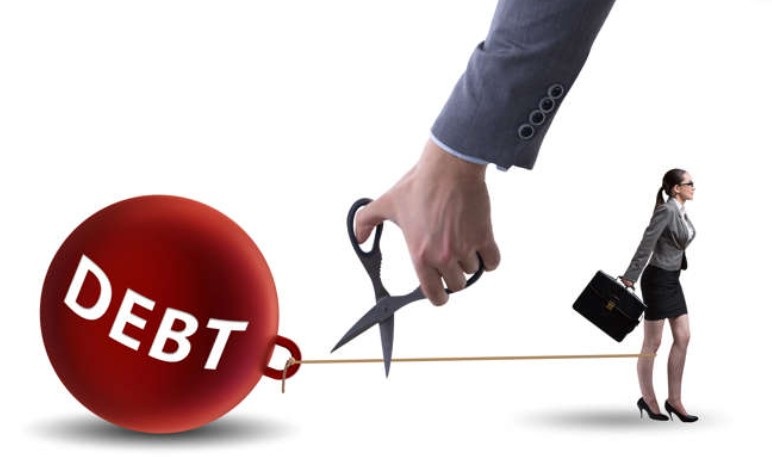
Smart Ways to Handle High-Interest Debt

High-interest debt feels like running on a treadmill that keeps speeding up. You make payments every month, but the balance barely budges.
The interest piles up faster than you can knock it down. You have more options than you think. Some strategies work better depending on your situation, your credit score, and how much debt you’re dealing with. It's important you prioritise using your savings
The key is finding the approach that fits and sticking with it.
This strategy goes by the fancy name “debt avalanche,” but the concept is simple. You list all your debts by interest rate, highest to lowest.
Then you throw every extra dollar at the one charging you the most interest while making minimum payments on everything else. The math is hard to argue with.
Paying off that 24% card before the 16% one saves you more money over time. The downside? It can take a while to see progress if your highest-rate debt is also your biggest balance.
But you’ll pay less interest overall than with almost any other method.
The debt snowball flips the script. You pay off your smallest debt first, regardless of the rate.
Once that’s gone, you roll that payment into the next smallest debt. This approach wins on psychology.
Seeing an entire debt disappear creates momentum. You’ll pay more in interest compared to the avalanche method, but if staying motivated is your biggest challenge, the snowball might actually get you to the finish line.
Credit card companies offer promotional periods with zero interest on balance transfers for 6 to 21 months. You move your high-interest debt to one of these cards and get a breather from interest charges while you pay down the balance.
Most cards charge a balance transfer fee of 3-5%. You need decent credit to qualify.
And if you don’t pay off the balance before the promotional period ends, you’re back to paying high interest. This works best when you can realistically pay off the transferred balance during the zero-interest window.
Debt consolidation means taking out a new loan to pay off multiple debts. You’re left with one monthly payment instead of juggling several, and if you get a lower interest rate, you save money every month.
Personal loans from banks or credit unions often come with lower rates than credit cards. The real benefit is simplification—one due date, one payment, one interest rate.
But consolidation only works if you don’t rack up new debt on those credit cards you just paid off.
Negotiate directly with your creditorsMost people don’t realise that creditors will negotiate. They’d rather get some of their money than none of it.
If you’re struggling to make payments, a phone call might get you a lower interest rate, a reduced balance, or a modified payment plan.
This works especially well if you’ve been a customer for a while. Be honest about your situation and ask specifically for a lower rate or a hardship program.
The worst they can say is no.
Use a home equity line of credit
If you own a home and have built up equity, you can borrow against that equity at rates much lower than credit cards charge. Home equity lines of credit often come with rates in the single digits.
This strategy comes with serious risk. You’re converting unsecured debt into secured debt. If you can’t make the payments, you could lose your house.
Only consider this option if you’re certain you can make the payments and you’re committed to not running up new credit card debt.
Try a debt management plan
Credit counselling agencies offer debt management plans where they negotiate with your creditors on your behalf. You make one monthly payment to the agency, and they distribute it to your creditors.
Often, they can get your interest rates reduced or fees waived. These programs typically take 3-5 years to complete.
You’ll probably have to close your credit card accounts during the program. The upside is structure and support.
Just make sure you’re working with a nonprofit agency accredited by the National Foundation for Credit Counselling.
Pick up a side job specifically for debt payments
Sometimes the problem isn’t your strategy but your income. If your current earnings barely cover your minimum payments, adding income changes the game entirely.
A temporary side hustle with all earnings going directly to debt can dramatically speed up your timeline. Drive for a rideshare service on weekends, freelance using skills you already have, or pick up seasonal work.
When you’re throwing an extra $500 or $1000 a month at debt from side work, those balances shrink noticeably.
Stop adding to the debt pile
You can’t bail water out of a boat while someone’s still drilling gaps in the bottom. Any strategy you choose fails if you keep charging new purchases on cards you’re trying to pay off.
Cut up the cards if you need to. Freeze them in a block of ice.
Delete the saved payment information from your online shopping accounts. While you’re in debt-payoff mode, switching to cash or a debit card keeps you from making the gap deeper.
Build a bare-bones budget
You need to know exactly where your money goes. Track every dollar for at least a month.
Then figure out what you can cut without making yourself miserable. A good budget isn’t about deprivation. It’s about being intentional with your money.
You might discover you’re spending $200 a month on takeout you don’t even enjoy. The money you free up from cutting unnecessary expenses goes straight to debt payments.
Consider settling for less than you owe
Debt settlement means negotiating with creditors to accept less than the full amount you owe. If you’re behind on payments and facing potential collections or bankruptcy, creditors sometimes agree to settle for a percentage of the balance.
This damages your credit significantly. Settled accounts show up on your credit report for seven years.
Debt settlement makes sense as a last resort when you genuinely can’t pay what you owe, and bankruptcy seems like the only alternative.
Look into bankruptcy as an absolute last resort
Bankruptcy gets treated like a dirty word, but it exists for a reason. Chapter 7 bankruptcy wipes out most unsecured debts completely.
Chapter 13 sets up a court-supervised repayment plan. The consequences are real.
Bankruptcy tanks your credit score and stays on your report for 7-10 years. But if your debt is genuinely unmanageable and other options have failed, bankruptcy provides a legal way to start over.
Talk to a bankruptcy attorney before ruling it out completely.
Automate your payments
Once you’ve chosen your strategy, set up automatic payments so you never miss them. Late payments add fees, tank your credit score, and can trigger penalty interest rates.
Most banks and lenders let you schedule automatic payments. Set them up for a few days after your paycheck hits.
This removes the mental energy of remembering due dates and ensures steady progress toward being debt-free.
Track your progress visually
A single image on screen can feel far away. Each day, start by facing what you owe.
Boxes filled in one by one show money shrinking when taped to the wall. A paper fixed to the fridge tracks drops in numbers.
Lines drawn across old totals make change visible. Something shifts when progress becomes visible.
Update the tracker weekly, or just after payments go out. Most people keep going more easily if they see things moving.
A quick look can lift mood, since the distance covered often surprises.
When the weight finally lifts
Some days drag by while chipping away at steep interest charges – weeks blur, then months. Progress often hides behind routine steps that seem too small. Questions grow louder each morning without clear signs of change.
Value stays out of reach even as work stacks higher. That Tuesday dawned quiet, then suddenly the final charge went through.
The display blinked: nothing there. Bills stopped showing up, and monthly figures went silent.
Half your income used to disappear into it; now the space feels hollow, unused. Money you watched drain returns, slipping quietly into reach again.
Struggling day after day, movement changed – each dollar watched closely, refusal spoken at times, patience slowly taught. These patterns stick around long after debt fades away.
0 Comments
Be the first to share your thoughts on this article.