
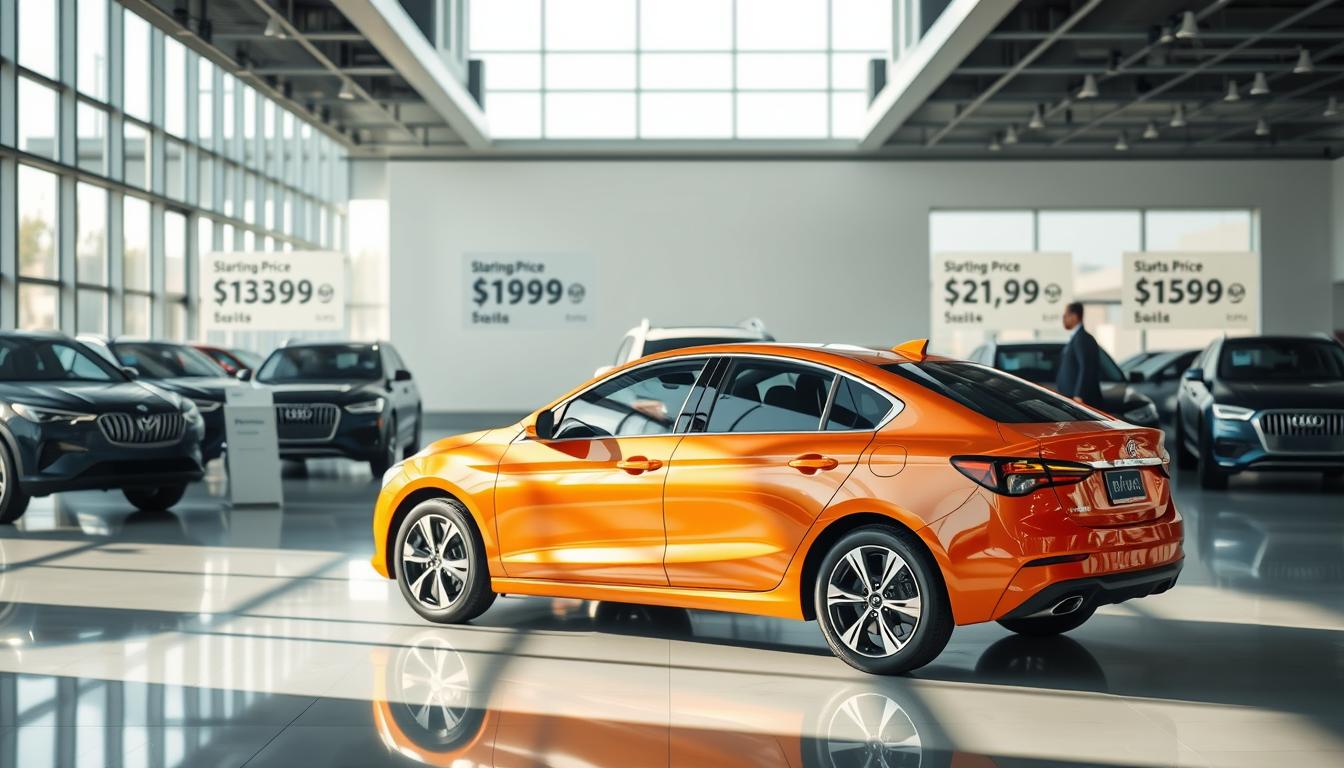
The Cheapest New Cars of 2026 to Buy
Good news: you can still buy a modern, well-equipped vehicle without overspending. New-car prices stayed high into the year, but several entry-level models keep base MSRPs under $28,000 if you shop trims wisely. You want smart safety tech, smartphone connectivity, and a cabin you can live with—without paying for extras you never use. This guide targets buyers who value practical features and low ownership costs. How this roundup works: we rank 2026 model-year offerings within an affordable price band. First you'll get a quick snapshot, then a model-by-model breakdown that compares drivetrains, transmissions, and key features that matter for commuting and family use.
Note: most strong deals come from subcompact and compact entries and small crossovers. For a quick reference on pricing examples and top picks, see this roundup with MSRP notes of popular models.
Key Takeaways
- You can still find new models under $28,000 by choosing base trims.
- Look for useful driver assists and modern connectivity over luxury add-ons.
- Small cars and crossovers offer the best value in today’s market.
- Compare front-wheel vs all-wheel drive and CVT vs automatic for priorities like fuel economy and traction.
- The guide ranks vehicles by starting MSRP and practical daily value.
How This List of the Cheapest New Cars Was Built for 2026 U.S. Buyers
This guide explains how we compare starting numbers so you can make an apples-to-apples choice. We used base MSRPs as the baseline and then flagged common add-ons that change your final cost.
What “starting price” means
Starting price here equals the base MSRP. It excludes destination fees, taxes, registration, and dealer add-ons. That fact matters because your out-the-door price often differs from the sticker.
Ranking approach
Vehicles are ordered from most to least expensive within the affordable set so you can spot the value breakpoint fast.
What we prioritized
- Value: real-world features you use every day.
- Safety tech: AEB, lane assist, and blind-spot systems.
- Efficiency and comfort: fuel use, ride quality, cabin layout.
- Utility: cargo and passenger space, plus usable options.
Why compact and subcompact models lead
These segments still see fierce MSRP competition. That means more standard gear for less money. Use this content as a starting point, then verify local incentives and inventory for current time-based deals.
For a quick price comparison of similar sedans, see this cheap sedan rankings.
The Cheapest New Cars of 2026: Quick Price Snapshot and What You Get
Start here for a short price map that shows what base trims really offer under $28,000. This quick guide gives you a tight shortlist so you can focus test drives on a few promising models and save time.
Base trims and price bands under $28,000
Most models on this list are the entry-level trim with starting MSRPs below the cutoff. Expect simple seats, an efficient engine, and a modern touchscreen as standard.
Car types you’ll see most: sedan, hatchback, and small crossover
You’ll mostly find compact sedan and small-crossover shapes in this price band. Hatchback options exist but appear less often. Choose based on cargo need and rear-seat room.
Must-have tech at this price: wireless Apple CarPlay/Android Auto
Wireless Apple CarPlay and related apple carplay android auto support are now common on base offerings. Make that a test-drive check; it cuts the urge to upgrade trims for convenience alone.
- Shopping shortlist: focus on a few base trims to compare real-world value.
- Feature expectations: phone integration, a usable touchscreen, and basic active safety—not luxury finishes.
- Watch out: base does not always mean safe; confirm driver assists before you sign.
2026 Subaru Crosstrek Base: The Budget-Friendly AWD Pick
If you need reliable traction year-round without breaking your budget, this Subaru Crosstrek base trim is a top pick.
Starting price, drivetrain, and transmission
Starting MSRP is $26,995. Standard all-wheel drive comes paired with a CVT transmission tuned for smooth city and highway use. You get traction confidence without paying for an upsized drivetrain.
Performance basics
The 2.5L four‑cylinder delivers useful power for everyday driving. With 180 horsepower and 178 lb‑ft of torque, acceleration feels stronger than older base engines. X‑Mode and 8.7 inches of ground clearance help on winter roads and light trails.
Cabin and utility
StarTex-style water‑repellent cloth keeps seats durable for active use. The simple interior and 7‑inch touchscreen with wireless Apple CarPlay/Android Auto keep things practical. Cargo measures 19.9 cubic feet, and EyeSight adds adaptive cruise, lane‑keep, and automatic emergency steering for solid safety value.
- Why pick it: AWD as standard under $28k.
- Use case: daily driving, winter traction, weekend gear runs.
2026 Mazda3 Sedan 2.5 S: A Premium-Feeling Compact for the Money
If you value cabin quality and a connected driving feel, this Mazda3 sedan 2.5 S targets that sweet spot. It pairs a refined presentation with everyday usability so you get more than a basic commuter car.
Starting price and power, plus transmission
Starting MSRP is $24,550. Under the hood sits a 2.5L four‑cylinder that makes 186 hp and 186 lb‑ft, helping merging and passing feel easy on highways. Front‑wheel drive is standard and a traditional 6‑speed automatic gives a direct, connected shift feel. Cylinder deactivation helps efficiency without fuss.
Interior details that matter
You’ll notice soft-touch materials and a leather‑wrapped steering wheel right away. An 8.8‑inch display with wireless Apple CarPlay/Android Auto and push‑button start add polish without moving you up trims.
Practical notes: cargo and rear headroom
Trunk space measures 13.2 cubic feet, useful for daily bags and weekend gear. Be honest about rear headroom: taller passengers may find the back seat snug. i‑Activsense tech covers radar cruise, blind‑spot monitoring, and rear cross‑traffic alert for strong standard safety value.
2026 Buick Envista Preferred: Style-First Value in a Small Crossover
A compact crossover can make a bold style statement while keeping monthly payments modest.
The Envista Preferred starts at a price of $24,600 and pairs a 1.2L turbo three‑cylinder with a 6‑speed automatic. That 137 hp engine delivers 162 lb‑ft of torque, giving you usable low‑end pull for city merges and light highway passing.
Starting price and turbo power
This front‑wheel‑drive setup favors efficiency and predictable handling. You get responsive power without stepping up to a larger engine or a heavy drivetrain.
Tech layout and driver displays
The modern dual‑screen layout pairs an 11‑inch center touchscreen with an 8‑inch driver display. Wireless apple carplay android auto and wireless carplay android auto mean no cords during commutes.
| Feature | Spec | Why it matters |
| Starting MSRP | $24,600 | Affordable value with upscale design cues |
| Engine / Torque | 1.2L turbo / 162 lb‑ft | Good low‑end pull for city driving |
| Displays & Connectivity | 11" touchscreen + 8" driver display | Modern interface with wireless phone mirroring |
| Style & lighting | Fastback silhouette, LED lighting, 18" alloys | Design presence that looks pricier than the vehicle |
- Interior feels upscale for its segment.
- Safety baseline: AEB, lane‑keep assist, rear park sensors for everyday peace of mind.
2026 Honda Civic Sedan LX: The Safe, Reliable Compact Sedan Play
For buyers who favor reliability and low running costs over flash, the Civic Sedan LX makes a sensible case. It’s a conservative choice you can live with for years.
Base trim breakdown: engine, CVT, and front-wheel-drive setup
The Civic LX has a starting MSRP of $24,595 and uses a 2.0L four‑cylinder that makes 150 hp and 133 lb‑ft of torque. Front‑wheel drive pairs with a CVT tuned for efficient daily driving.
Honda Sensing highlights
Honda Sensing is standard and gives you adaptive cruise with low‑speed follow, lane‑keeping assist, collision mitigation, and traffic‑sign recognition. That package means you get strong active safety without buying higher trims.
What to know before you buy
Expect modest low‑end torque, so launches can feel softer than some turbo rivals. On the plus side, the cabin offers supportive cloth seats, automatic climate control, and a 7‑inch screen with wireless Apple CarPlay/Android Auto. Why pick this car: predictable ownership, strong resale, and a sensible safety kit. If you value long‑term reliability and a comfortable, uncomplicated ride, the Civic LX remains a top compact sedan choice for many buyers.
2026 Volkswagen Jetta S: Affordable Euro Comfort with Big Rear Legroom
If you want a grown-up compact that balances Euro poise with room for rear passengers, the Jetta S fits that bill.
Starting price and drivetrain
Starting MSRP sits at $23,995. Under the hood is a 1.5L turbo four‑cylinder making 158 hp and 184 lb‑ft, paired to an 8‑speed automatic transmission. That setup gives a more natural feel than many CVTs and a willing surge when you need passing power.
Space and utility
Rear legroom measures a roomy 38.1 inches, so adults and child seats fit without constant compromise. Cargo capacity is 14.1 cu‑ft, useful for weekly errands, weekend bags, or airport runs.
Trim strategy and ride value
Focus on lower-rung trim levels—S, SE, or Sport—to keep prices down and retain a compliant ride. Higher trims add firmer suspensions, which can sharpen handling but may cost more and change the ride quality you liked in base models.
Cabin tech and safety note
The cabin includes an 8‑inch digital cockpit and an 8‑inch touchscreen with wireless App‑Connect for daily usability. IQ.DRIVE brings adaptive cruise, blind‑spot monitoring, lane assist, and front assist. Important: confirm whether automatic emergency braking is standard on the S you test, as some base vehicles omit it.
- Why pick it: Euro feel, adult-friendly rear headroom, and sensible cabin tech.
- What to verify: exact trim feature lists before you sign.
2026 Kia Seltos LX: High-Seating Practicality with Optional All-Wheel Drive
If you prefer a taller driving position and practical layout, the Seltos LX deserves a look. Its boxy silhouette gives real benefit in daily use: easier loading, upright seats, and clear sightlines for city traffic.
Value formula: price, features, and boxy cabin usability
Starting MSRP is $23,690. Under the hood is a 2.0L four with 146 hp and 132 lb‑ft, matched to a CVT for smooth, efficient shifts. The cabin layout favors cargo practicality and simple storage cubbies you actually use.
AWD option cost: when it’s worth paying more
Front‑wheel drive is standard, with an all‑wheel drive option that adds about $1,200. Choose AWD if you face regular snow, steep driveways, or unpaved access roads. For occasional wet weather, FWD saves cash without much sacrifice. Tech you need: an 8‑inch touchscreen with wireless Apple CarPlay and Android Auto, and Kia Drive Wise active safety. That suite includes forward‑collision avoidance, lane‑keeping, and driver‑attention warning on base trim. Who should buy it? Urban commuters who want crossover flexibility and a sensible feature set. For practical buyers, the Seltos LX strikes a good balance between everyday usability and option choices you can justify.
2026 Toyota Corolla Sedan LE: The Default Choice for Risk-Averse Buyers
For buyers who want a low-stress ownership path, this Corolla LE is a reliable, predictable pick.
The Corolla Sedan LE starts at $22,725. It pairs a 2.0L four‑cylinder (169 hp, 151 lb‑ft) with front‑wheel drive and a CVT. That combo favors smooth commuting and fuel economy over sporty performance.
Why it stays cheap to own over time
Reliability and resale are the big reasons. Over 50 million Corollas have sold globally since 1966, and that history means fewer surprise repairs and broad dealer support. Strong resale also limits long‑term ownership cost. In practice, you save on maintenance, and trade‑in values stay healthy.
Safety and driver assist basics
Toyota Safety Sense 3.0 comes standard. You get adaptive cruise with stop‑and‑go, lane‑tracing assistance, and road‑sign assist for long commutes.
Blind‑spot monitoring and rear cross‑traffic alert arrive on the LE, so you won’t need to uptrim for those safety features.
Everyday tech and comfort
The cabin includes an 8‑inch touchscreen with wireless Apple CarPlay Android Auto and a new 7‑inch digital gauge cluster. Automatic climate control and clear layouts make daily driving simple.
| Item | Spec | Why it matters |
| Starting MSRP | $22,725 | One of the most accessible compact sedan price anchors |
| Powertrain | 2.0L / 169 hp, 151 lb‑ft / CVT / FWD | Balanced for efficiency and everyday use |
| Safety suite | TSS 3.0, blind‑spot monitor, rear cross‑traffic alert | Strong standard active safety without higher trim |
| Infotainment | 8" touchscreen + wireless Apple CarPlay Android Auto | Modern phone mirroring you actually use |
Warranty and ownership note: Toyota coverage helps, but the main advantage is long‑term durability and wide service access. If you want low drama and predictable costs, this Corolla LE is the default compact sedan choice to consider.
2026 Nissan Kicks S: One of the Cheapest New Vehicles You Can Buy
Compact, light, and value-focused, this Nissan Kicks S is built for urban life.
starting price and why light weight helps city driving
Starting MSRP is $22,430. The 2.0L four‑cylinder (141 hp, 140 lb‑ft) pairs with a CVT and front‑wheel drive.
Because the Kicks is light, that 2.0L feels peppier in stop‑and‑go traffic than the numbers suggest. You get responsive throttle and easy maneuvering for tight urban streets.
Safety Shield 360: active safety baseline
Safety Shield 360 includes automatic emergency braking with pedestrian detection, blind‑spot warning, rear cross‑traffic alert, and lane‑departure warning. This package gives a solid safety baseline for city and highway driving.
cargo and comfort: usable space and cabin features
The Kicks offers 25.3 cubic feet of cargo behind the rear seats, which is handy for groceries, strollers, and weekend bags.
Inside you'll find a 7‑inch touchscreen with Apple CarPlay/Android Auto, push‑button start, automatic climate control, and practical seating ergonomics. Expect value‑forward interior materials; priority is comfort and visibility rather than upscale finishes.
- Why pick it: one of the lowest price points for a reliable new vehicle.
- Practical note: good cargo volume and city-friendly driving manners make this car a smart everyday option.
2026 Chevrolet Trax LS: A Cheap Crossover with a Traditional Automatic
A near-entry price and a conventional automatic gearbox make the Trax LS stand out in its segment. It gives small-crossover practicality at a value that often beats comparable sedans.
Pricing and powertrain
The Trax LS starts at $21,600 (excluding destination). Under the hood sits a 1.2L turbo three‑cylinder that makes 137 hp and pairs with a 6‑speed automatic — not a CVT — for a more familiar feel.
Features you actually use
EPA fuel ratings are 28/31/29 mpg (city/highway/combined), so efficient driving is realistic. Standard tech includes an 8‑inch touchscreen, wireless Apple CarPlay/carplay android auto, Bluetooth audio, and cruise control.
Safety comes via Chevrolet Safety Assist, which adds modern driver aids without forcing an upgrade. That improves value per dollar for everyday commuting.
How to shop it
Expect modest acceleration; the focus is comfortable daily driving and low operating cost. When you compare options, check out‑the‑door price and confirm destination fees so you know the real difference versus similar vehicles.
2026 Hyundai Venue SE: The Ultra-Affordable Entry Point with a Big Warranty
If you want a small SUV that feels nimble in traffic while giving strong warranty coverage, meet Venue SE.
Budget basics: starting MSRP sits at $20,550. A 1.6L four makes 121 hp and 113 lb‑ft, front‑wheel drive pairs with a CVT transmission for smooth city shifts.
City-friendly formula
Compact dimensions and light curb weight make brisk urban driving easy despite modest power. You’ll find tight turning, easy parking, and snappy low‑speed response that fits daily needs.
Standard safety and cabin tech
Standard active systems include automatic emergency braking, lane‑keep assist, and driver‑attention warning. An 8‑inch touchscreen with wireless Apple CarPlay/Android Auto keeps smartphone mirroring simple.
Why pick it: price and warranty combine to reduce ownership risk. If you plan to keep a vehicle for years, that warranty protects service costs and gives peace of mind.
- Positioning: a warranty‑backed, low‑price entry for tight parking and low running costs.
- Practical note: cabin is straightforward and user‑focused rather than upscale.
Affordable Alternatives You’ll See in the Market (TrueCar Picks)
Local inventory and dealer deals often make these budget models better buys than headline listings. TrueCar’s cheapest list highlights entries that compete on raw price, comfort, and practical features.
Mitsubishi Mirage: the price-first option
Mitsubishi Mirage starts at $17,840. It fits buyers who want the lowest purchase price and are willing to accept modest power and pared-back comfort.
When to pick it: you need a low monthly payment and minimal options. Expect frugal running costs, but lower performance than most rivals.
Nissan Versa: budget sedan shopping considerations
Nissan Versa lists at $18,585. Check which safety and infotainment features are standard at each trim so you don’t overpay for packages.
Verify AEB, blind‑spot monitoring, and wireless phone mirroring before you sign.
Kia Soul: boxy utility at an entry-level price
Kia Soul begins near $21,935. Its boxy shape gives easy loading, roomy rear seats, and practical cargo space without paying crossover premiums.
Kia K4 and Nissan Sentra: what to watch as trim and pricing shake out
MSRPs on TrueCar range up to $29,745, so some models can overlap with higher trims. Watch for deleted features or bundled options as dealers shift inventory.
Specifically, the K4 hatchback is about 11 inches shorter than the sedan, adds roughly 1 inch of rear headroom, and boosts cargo nearly 50% to about 413 liters. Expect a 2.0L 147 hp CVT option and a 1.6T 190 hp/195 lb‑ft pairing with an 8‑speed automatic on higher trims.
| Model | Starting MSRP | Why it matters |
| Mitsubishi Mirage | $17,840 | Lowest entry price for buyers focused on purchase cost |
| Nissan Versa | $18,585 | Good value if you confirm standard safety tech by trim |
| Kia Soul | $21,935 | Boxy utility and easy cargo access without crossover cost |
| Kia K4 (hatch) | Varies | More rear headroom and ~50% more cargo than sedan; engine choices affect ride and efficiency |
Why these alternatives appear: incentives and local stock levels can make a TrueCar pick cheaper than the roundup models. Use these hard price references to sanity‑check offers and confirm that the trim you test actually includes the features you need.
Sedan vs Hatchback vs Small Crossover: Which Cheap New Car Fits Your Life?
Think practical first—how you park, what you haul, and where you drive decide whether a sedan, hatchback, or small crossover fits best.
Commuter value: ride comfort, visibility, and easy parking
For daily commuting, prioritize a smooth ride, clear sightlines, and tight turning for urban parking. Sedans often deliver the quietest ride and best fuel economy for long commutes.
Space math: rear headroom, seats, and cargo flexibility
Measure rear legroom and rear headroom if adults ride in back. Check how seats fold and whether a hatch or crossover opening helps when you load bulky items.
Weather and traction: when all-wheel drive matters (and when FWD is enough)
Choose all-wheel drive if you face regular snow, steep driveways, or gravel access. If roads stay clear most of the year, front-wheel drive keeps cost and complexity down. Remember: Crosstrek includes all-wheel drive as standard and Seltos offers it as an option.
Interior priorities: cabin materials, lighting, and controls you touch every day
Inspect the cabin for durable materials, usable controls, and good lighting at night. A neat interior layout matters more to daily satisfaction than a small bump in power.
Features to Prioritize So You Don’t Waste Money on the Wrong Trim
Pick trims that deliver safety and daily usability first. Cosmetic upgrades can wait, but missing a standard safety suite or reliable phone mirroring will cost you in real life.
Safety tech that pays off: AEB, blind-spot monitoring, and lane-keep assist
Confirm which active systems are standard on the trim you plan to buy. Automatic emergency braking, blind‑spot monitoring, and lane‑keep assist reduce crash risk and insurance claims.
Note: brands bundle these differently. Subaru EyeSight, Honda Sensing, Toyota Safety Sense 3.0, Nissan Safety Shield 360, Kia Drive Wise, and Chevrolet Safety Assist often appear on base trims, but verify before you sign.
Infotainment must-haves: wireless Apple CarPlay/Android Auto and screen size
Wireless Apple CarPlay cuts cords and daily friction. Insist on a readable screen; size and clarity matter more than animated graphics.
Check for apple carplay android auto support and whether mirror latency or button access is clumsy. Poor infotainment can make a low-cost trim feel dated fast.
Powertrain feel: horsepower vs torque, and why transmission tuning matters
Ask to test how horsepower and torque show up in real driving. Horsepower helps at highway speeds; torque matters for city starts and merging.
Try both CVT and traditional automatics. A CVT often saves fuel but can feel drone‑like; a 6‑ or 8‑speed auto may feel smoother under load. Confirm transmission response on the trim you choose.
Comfort details: steering wheel feel, seat support, and noise levels
Steering and seats shape long‑term satisfaction. Check steering weight and whether the wheel feels precise.
Evaluate seat support and cabin noise on a highway run. If ride and comfort fail your test drive, a higher trim’s leather or chassis tweaks might be the only fix—so weigh that cost carefully.
| Priority | Why it matters | What to confirm on your trim |
| Active safety | Reduces crash risk and repair costs | AEB, blind‑spot, lane‑keep standard |
| Infotainment | Daily usability and connectivity | Wireless Apple CarPlay + readable screen |
| Powertrain & transmission | Real-world responsiveness and comfort | Feel of horsepower/torque and gearbox tuning |
| Comfort | Long drives become tolerable or tiring | Steering wheel feel, seat support, cabin noise |
Practical rule: prioritize safety and usability, then comfort. Treat trim upgrades for style as optional if they push you out of budget.
Smart Shopping Tips for Getting the Best Price on a New 2026 Model
Timing your purchase can unlock meaningful savings when incentives align with dealer goals. Watch for model-year changeovers and end-of-quarter windows. During those periods, manufacturers and dealers often offer rebates that save you real money.
Timing purchases and incentive windows
Shop toward model-year turnover or late in the month when dealers need sales. Incentives shift with supply and demand, so patience and good timing cut cost without changing the car you want.
Compare true out-the-door costs
MSRP is only part of the story. Ask for an itemized out-the-door quote that lists destination, taxes, registration, dealer fees, and add-ons.
Compare financing terms and check whether dealer add-ons are optional. A low sticker can become expensive once hidden fees appear.
Negotiation framework and test-drive checklist
- Request itemized quotes from multiple dealers and compare line by line.
- Be ready to walk away if add-ons are non-removable.
- On a test drive, focus on ride quality over broken pavement, braking feel, and acceleration in traffic.
- Validate cabin usability: screen glare, control placement, rear-seat comfort, and cargo access for the things you haul.
Pay attention to tire noise, seat comfort after 20 minutes, and transmission behavior at low speeds. These small checks separate a cheap sticker from true value for buyers who plan to keep their vehicle long term.
Conclusion
The Cheapest New Cars of 2026 show you can still buy a well‑equipped vehicle at a modest starting MSRP if you pick trims that match real needs. Focus on safety, wireless CarPlay Android Auto, and a usable cabin before chasing cosmetic upgrades. Small sedans and compact crossovers give the best value per dollar; choose AWD like Crosstrek when traction matters, or an efficient sedan when simplicity wins. Reliability and resale—seen in models such as the Toyota Corolla—lower long‑term cost and give ownership confidence. Before you sign, verify interior comfort, base tech, and active safety on your trim. Next step: make a short list, get itemized out‑the‑door quotes, and test drive back‑to‑back so the best match is obvious.

0 Comments Comments