
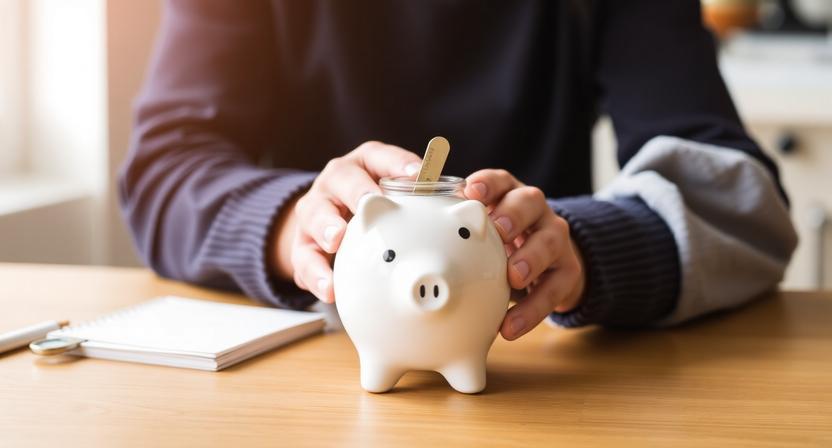
The Quiet Power of Small Savings

In a world obsessed with dramatic financial transformations, viral investment success stories, and get-rich-quick schemes, there's something profoundly underrated quietly working in the background of every wealth-building journey: small savings. These are the modest, seemingly insignificant amounts that many people dismiss as "not worth the effort"—the £3 saved by making coffee at home, the £5 kept by choosing the store brand, the £10 preserved by skipping an unnecessary purchase. We live in a culture that celebrates big wins and dramatic changes. We're drawn to stories of people who bought Bitcoin early, flipped houses for massive profits, or turned startup equity into millions. These stories are exciting, but they're also rare, risky, and often unrepeatable. Meanwhile, the quiet power of small savings—consistent, accessible, and available to everyone regardless of income level—gets overlooked despite being one of the most reliable paths to financial security.
Small savings don't generate headlines. They don't provide the dopamine rush of a big windfall. They don't impress people at dinner parties. But over time, with consistency and discipline, small savings compound into life-changing amounts of money. Even more importantly, the habit of saving small amounts develops the financial discipline, awareness, and mindset that separate those who build wealth from those who perpetually struggle financially. This comprehensive exploration will reveal why small savings matter far more than most people realize, how to harness their power effectively, and how these modest amounts can genuinely transform your financial life.
The Mathematics of Small Savings: Why Tiny Amounts Matter
Let's start by demolishing the most common objection to small savings: "It's only a few pounds—it doesn't really matter." The mathematics tell a very different story.
The Daily Coffee Example Revisited
This example has become almost cliché in personal finance discussions, but it persists because the numbers are genuinely striking. A £3.50 daily coffee from a café costs approximately £24.50 weekly, £105 monthly, and £1,260 annually. That's significant, but the real power emerges when you consider opportunity cost. If instead of spending that £3.50 daily, you invested it in a diversified portfolio averaging 7% annual returns, after 10 years you'd have approximately £18,000. After 20 years? About £52,000. After 30 years? Nearly £120,000. That single small daily decision, repeated consistently, represents the difference between a comfortable retirement supplement and decades of unnecessary spending.
The Lunch Savings Scenario
Consider someone who spends £8 buying lunch at work daily versus bringing lunch from home for approximately £2.50. That £5.50 daily difference equals £27.50 weekly or roughly £1,430 annually. Invested over 25 years at 7% returns, that small daily choice becomes approximately £91,000—enough to pay off a significant portion of a mortgage, fund a child's education, or provide substantial retirement security.
The Subscription Audit
Many households have multiple subscriptions they rarely use: streaming services, gym memberships, app subscriptions, magazine deliveries, and subscription boxes. Three unused subscriptions at £10 each monthly equal £360 annually. Over 15 years invested at 7%, that's nearly £9,000—from services you weren't even using. These examples illustrate a fundamental truth: small amounts multiplied by frequency and time create substantial sums. The power isn't in any single £3 or £5 saving—it's in the accumulation of hundreds or thousands of these decisions over years and decades.
The Psychology of Small Savings: Building the Wealth Mindset
Beyond the pure mathematics, small savings develop something even more valuable: the mindset and habits that characterize financially successful people.
Awareness and Intentionality
The practice of seeking small savings creates financial awareness. When you notice that switching to a generic brand saves £2, buying seasonal produce saves £5, or bundling insurance saves £15 monthly, you become conscious of where money goes. This awareness is the foundation of all financial improvement. People who don't track small amounts often don't notice large ones either. Conversely, those who pay attention to pounds typically pay attention to hundreds and thousands as well. Small savings practice trains your brain to think financially, making you naturally more conscious about all spending decisions.
Delayed Gratification Muscle
Every time you choose to save rather than spend—even small amounts—you strengthen your delayed gratification capacity. This psychological muscle is one of the strongest predictors of financial success. Research consistently shows that people who can delay immediate pleasure for future gain accumulate significantly more wealth over their lifetimes. Starting with small savings is like training for a marathon by first running short distances. You're building the mental and emotional capacity for larger financial decisions. The discipline to skip a £4 impulse purchase today develops the discipline to resist a £1,000 impulse purchase tomorrow.
Sense of Control and Empowerment
Financial stress often stems from feeling powerless—like money controls you rather than you controlling it. Small savings, because they're accessible regardless of income level, restore a sense of control. Anyone can choose to bring coffee from home, anyone can wait 24 hours before purchasing, anyone can comparison shop. This empowerment is psychologically significant. It shifts your self-perception from financial victim to financial agent. You're not helplessly watching money disappear—you're making conscious choices that shape your financial future.
Practical Strategies for Capturing Small Savings
Understanding the power of small savings is one thing; actually capturing them consistently is another. Here are practical, actionable strategies for making small savings a regular part of your financial life.
The Rounding-Up Method
Use apps or manual systems that round up purchases to the nearest pound and transfer the difference to savings. A £3.60 coffee becomes £4, with £0.40 going to savings. A £27.15 grocery shop becomes £28, with £0.85 saved. These tiny amounts are completely painless but accumulate surprisingly quickly—potentially £50-£100 monthly depending on your transaction frequency.
The One-Week Challenge
Choose one category of spending (eating out, entertainment, personal care, etc.) and challenge yourself to spend nothing in that category for one week. Take the amount you would have spent and transfer it to savings. This creates awareness of habitual spending while generating both savings and proof that you can live without certain expenses.
The Substitute Strategy
Rather than eliminating expenses entirely, find lower-cost alternatives that provide similar satisfaction. Make restaurant-quality meals at home instead of dining out. Host movie nights instead of going to cinemas. Have picnics in parks instead of expensive outings. The savings from substitution feel less like deprivation and more like creativity.
The 30-Day List
When you want to buy something non-essential, add it to a 30-day list instead of purchasing immediately. If after 30 days you still want it, consider buying it. Most items lose their appeal, and you've saved money while also decluttering your life from purchases that would have eventually become regret or waste.
The Visible Savings Tracker
Keep a running tally of small savings. When you skip the coffee, note "£3.50 saved." When you use a coupon, record it. When you choose the generic brand, track the difference. Watching these small amounts accumulate into hundreds of pounds monthly reinforces the behavior and proves that small savings are significant.
Automate Small Transfers
Set up automatic transfers of small amounts to savings—perhaps £5 daily or £35 weekly. These amounts are small enough that you barely notice them missing from your checking account, but they accumulate to over £1,800 annually.
The Percentage Approach
Save a percentage of every pound that enters your life. Whether it's your paycheck, a tax refund, birthday money, or freelance earnings, immediately save 10-20% before it enters your regular spending stream. This scales with your income and ensures consistent saving regardless of earnings fluctuations.
Small Savings Across Different Life Areas
Small savings opportunities exist in every category of spending. Let's explore specific areas where modest changes create meaningful impact.
Food and Groceries
Meal planning prevents food waste and impulse purchases. Generic brands often match quality at lower prices. Seasonal produce costs less than out-of-season items. Batch cooking creates multiple meals from single cooking sessions. These small, practical choices can reduce grocery costs by 20-30% without sacrificing nutrition or satisfaction.
Transportation
Carpooling even one day weekly saves fuel and vehicle wear. Combining errands into single trips reduces fuel consumption. Maintaining proper tire pressure improves fuel efficiency by 3%. Walking or cycling for nearby errands eliminates small trips that disproportionately consume fuel. These tiny adjustments accumulate to hundreds of pounds annually.
Utilities and Home Expenses
Turning off lights in unused rooms, adjusting the thermostat by one degree, taking shorter showers, running full loads of laundry and dishes, unplugging devices not in use—individually these actions save pence. Collectively and consistently, they reduce utility bills by 10-15%.
Entertainment and Leisure
Library cards provide free access to books, films, and digital content. Free community events replace paid entertainment. Discount days and matinee showings reduce costs. Annual subscriptions cost less than monthly ones. Strategic timing of vacations during off-peak periods saves significantly. None of these sacrifices enjoyment—they simply find smarter ways to fund it.
Shopping and Clothing
Shopping secondhand, waiting for sales, using cashback apps, comparing prices before purchasing, buying quality items that last longer—these habits require minimal effort but preserve substantial money over time.
Scaling Up: When Small Savings Become Big Savings
The beautiful evolution of small savings is that they naturally develop into larger ones. As you become more financially aware and disciplined through small savings practices, you begin noticing and acting on larger opportunities.
From Daily Choices to Monthly Subscriptions
Once you're conscious of daily spending, you start examining monthly obligations. That £40 gym membership you're not using becomes visible. The £15 monthly subscription service you forgot about gets cancelled. Insurance policies get reviewed and shopped for better rates.
From Monthly Expenses to Annual Decisions
Financial awareness expands further to annual decisions. You negotiate salary more effectively because you understand your true needs and value. You reconsider expensive holidays in favor of alternative experiences. You make housing decisions based on total cost of ownership rather than maximum budget.
From Savings to Optimization
Eventually, small savings practice evolves into comprehensive financial optimization. You're not just saving on coffee—you're structuring your entire financial life for efficiency, minimizing taxes, maximizing investment returns, and making strategic choices across all areas.
The Compounding Effect Beyond Money
While the financial returns of small savings are significant, the broader life impacts extend even further.
Reduced Stress and Increased Peace
Financial margin, even modest amounts, dramatically reduces stress. Knowing you have £500, £1,000, or £2,000 saved from accumulated small savings provides genuine psychological relief when unexpected expenses arise.
Increased Confidence
Successfully saving through small, consistent actions builds confidence that transfers to other life areas. If you can discipline yourself financially, what else might you accomplish?
Improved Relationships
Financial stress is a leading cause of relationship tension. Small savings that create breathing room reduce money-related conflicts and create space for couples and families to focus on what truly matters.
Environmental Benefits
Many small savings habits—reducing consumption, minimizing waste, choosing quality over quantity, repairing rather than replacing—align with environmental sustainability. Your wallet and the planet both benefit.
Enhanced Creativity and Resourcefulness
Finding ways to save money stimulates creativity. You discover new recipes, free activities, DIY solutions, and resourceful approaches to challenges. These skills enrich life beyond their financial benefits.
Addressing Objections: When Small Savings Get Dismissed
Despite their power, small savings often face criticism. Let's address common objections.
"My Time Is Worth More Than That"
This argument suggests that spending 10 minutes to save £2 isn't worthwhile for someone earning £30 hourly. But this misunderstands the nature of small savings. Most small savings don't require additional time—they're simply choosing option A instead of option B in moments you're already spending. Grabbing home-brewed coffee versus stopping at a café doesn't add time; it saves it.
"You Can't Save Your Way to Wealth"
This is partially true—unlimited wealth requires income growth and investment. However, you absolutely can save your way to security, and security is the foundation for wealth building. Moreover, small savings create the capital you invest to build wealth. Every pound saved is a pound available for investment.
"Life Is Short—Enjoy It Now"
This objection presents a false choice between enjoying life and saving money. Small savings don't eliminate enjoyment—they simply make it more intentional and sustainable. The person who saves £2,000 annually through small choices can use that money for a truly meaningful experience rather than letting it dissipate through unconsidered spending.
"I Don't Earn Enough for Savings to Matter"
Small savings matter most for those with limited incomes. When money is tight, every pound counts even more. The person earning £25,000 annually who saves £1,500 through small choices has increased their effective income by 6%—significant and achievable.
Creating Your Small Savings Practice
Ready to harness the quiet power of small savings? Here's how to begin.
Start With Awareness
Before changing anything, simply track spending for two weeks. Notice where money goes, especially small amounts. This awareness alone often changes behavior.
Choose Three Small Changes
Don't overhaul everything simultaneously. Select three specific small savings actions you'll commit to for 30 days. Maybe it's bringing coffee from home, packing lunch twice weekly, and cancelling one unused subscription. Make them specific and achievable.
Track the Savings
Keep a visible record of money saved through your small changes. This could be a note in your phone, a spreadsheet, or a jar where you physically deposit cash equivalent to digital savings. Watching the total grow provides motivation to continue.
Gradually Expand
After 30 days, your initial changes will feel more habitual. Add two or three additional small savings practices. Continue this gradual expansion, building a comprehensive small savings lifestyle without overwhelming yourself.
Automate When Possible
Set up automatic transfers that move small amounts to savings before you can spend them. Automation removes willpower from the equation, making small savings effortless.
Celebrate Progress
When you reach savings milestones—£100, £500, £1,000—acknowledge your achievement. These celebrations reinforce positive behavior and remind you that your small actions are creating real results.
Small Savings Success Stories
Emma's Emergency Fund
Emma felt like she'd never afford an emergency fund on her modest salary. Then she started tracking small savings—£3 here, £5 there, £10 from choosing a cheaper option. She transferred each saving immediately to a separate account. Eighteen months later, she had £2,400 saved entirely from small amounts she previously thought "didn't matter." When her car needed unexpected repairs, she paid cash without stress or debt.
The Martinez Family's Holiday Fund
This family of four wanted annual holidays but couldn't find room in their budget. They implemented small savings across multiple areas: packed lunches for work, DIY coffee, reduced streaming subscriptions from four to two, shopped sales for clothing, and meal planned to reduce waste. These changes saved approximately £220 monthly—£2,640 annually—enough for a lovely family holiday each year without debt or financial stress.
James's Investment Portfolio
James used a rounding-up app that invested spare change from purchases. He also manually transferred small amounts whenever he avoided unnecessary purchases. These tiny sums—often £1-£5 at a time—accumulated to approximately £150 monthly. After five years, his "insignificant" small savings had grown to over £11,000 through consistent investment and market returns. He now has a legitimate investment portfolio built entirely from amounts he previously would have spent thoughtlessly.
The Ripple Effects: How Small Savings Transform Everything
The impact of small savings extends far beyond the money itself. These practices create ripple effects throughout your entire financial life.
Increased Awareness Prevents Large Mistakes
People who practice small savings develop heightened financial awareness that prevents costly mistakes. They notice when insurance auto-renewals increase and shop for better rates. They catch subscription charges for services they cancelled. They review contracts before signing. This awareness saves thousands on major financial decisions.
Reduced Lifestyle Inflation
As income increases through career progression, raises, or bonuses, most people proportionally increase spending—a phenomenon called lifestyle inflation. People practiced in small savings resist this tendency, instead maintaining reasonable lifestyles while directing income increases toward savings and investments. Over a career, this restraint creates wealth gaps of hundreds of thousands of pounds between those who inflate their lifestyle and those who don't.
Emergency Resilience
Small savings, accumulated consistently, create emergency funds that protect against life's inevitable surprises. This financial buffer prevents debt accumulation when unexpected expenses arise, breaking the paycheck-to-paycheck cycle that traps so many households.
Investment Capital
You can't invest money you don't have. Small savings create the surplus needed to begin investing. Once invested, that money compounds, and suddenly your small savings are generating additional money through returns—money making money.
Flexibility and Options
Financial margin from small savings creates life options. The ability to take unpaid leave for family reasons, switch careers, start a business, or relocate becomes possible when you're not trapped by zero financial margin.
Small Savings Challenges: Making It Engaging
Gamifying small savings makes the practice more engaging and sustainable.
The No-Spend Challenge
Commit to spending nothing except absolute essentials for a defined period—perhaps one week monthly. Every pound not spent during no-spend periods goes to savings. This challenge creates awareness, breaks habitual spending patterns, and generates significant savings.
The Spare Change Challenge
Use only cash for a week or month, and at day's end, save all coins. Alternatively, use digital equivalent by transferring £1-£2 to savings each evening. The amounts feel insignificant daily but accumulate to £50-£100 monthly.
The Match and Save Challenge
Every time you spend on a non-essential item, match that spending with an equal amount to savings. Bought a £15 takeaway? Transfer £15 to savings. This creates conscious awareness of discretionary spending while simultaneously building savings.
The Savings Multiplier
Choose a number (say, 5), and each week save that multiple in pounds / dolars. Week one: £5. Week two: £10. Week three: £15. Continue for one year, and you'll have saved £1,378 with manageable incremental increases.
The Weather-Based Savings
Save an amount based on daily temperature, steps walked, or another metric. If it's 12 degrees, save £12. Walked 8,000 steps? Save £8. This approach makes saving dynamic and connected to daily life.
Addressing the Privilege Question
It's important to acknowledge that financial advice, including small savings strategies, exists within contexts of privilege. Some people face genuine survival challenges where every pound is already allocated to absolute necessities. For those in this situation, small savings advice can feel tone-deaf or inapplicable.
However, research shows that small savings strategies apply across income levels, though the specific tactics and amounts vary. Someone earning £20,000 annually has different opportunities than someone earning £60,000, but the principle remains: awareness, intentionality, and small optimizations create financial improvement regardless of starting point.
For those with extremely limited resources, small savings might look like choosing the absolute cheapest options, utilizing community resources, preventing waste, or finding free alternatives. The goal isn't judgment but improvement—being slightly better off financially than you would be without these practices.
When Small Savings Aren't Enough: The Income Question
While small savings are powerful, they have limits. At certain points, the focus must shift from saving to earning.
If you've optimized spending, eliminated waste, and implemented small savings across all life areas but still struggle to meet basic needs or make progress toward goals, the problem isn't spending—it's income. In these situations, energy should redirect toward income growth: developing new skills, pursuing promotions, changing careers, starting side hustles, or creating additional income streams.
Small savings and income growth aren't opposing strategies—they're complementary. The discipline and awareness developed through small savings practice makes you better equipped to maximize and wisely deploy increased income when it arrives.
The Long Game: Small Savings as Lifetime Practice
The most successful approach to small savings isn't viewing it as a temporary sacrifice but as a permanent lifestyle philosophy.
Sustainable Over Extreme
Extreme frugality that eliminates all enjoyment isn't sustainable. Eventually, you'll burn out and rebound into overspending. Small savings should fit comfortably within a balanced life. You're optimizing, not deprivating.
Values-Aligned Spending
Small savings shouldn't mean cutting everything equally. Instead, reduce spending on things that don't genuinely matter to you, preserving resources for what does. If travel feeds your soul, save small amounts in other areas to fund meaningful trips. If dining out with friends provides deep connection, protect that budget while finding savings elsewhere.
Teaching the Next Generation
Perhaps the most profound long-term impact of small savings is modeling these behaviors for children. Kids who grow up seeing parents make conscious, small financial choices develop healthy money habits themselves. The generational wealth gap often stems not from income differences but from habits—habits demonstrated and taught through examples like small savings.
Your Small Savings Journey Starts Now
The quiet power of small savings doesn't announce itself with fanfare. It works modestly, consistently, and accumulates gradually. There are no viral moments, no dramatic transformations, no exciting stories to share. Just steady, reliable progress toward financial security and freedom.
This unassuming nature is precisely why small savings get overlooked—and why those who recognize and harness their power gain such significant advantages. While others chase dramatic financial wins that rarely materialize, you can build genuine wealth through humble, accessible, repeatable actions available to you every single day.
Start today. Not with dramatic lifestyle overhaul or impossible goals, but with one small savings decision. Bring coffee from home. Transfer £5 to savings. Choose the store brand. Skip one unnecessary purchase. That single small action might seem insignificant, but it's the beginning of something much larger.
The quiet power of small savings is waiting for you to activate it. All it requires is beginning—and then continuing, day after day, choice after choice, pound after pound. The results will speak for themselves, quietly accumulating in the background until one day you look up and realize something remarkable: those small savings you once dismissed as meaningless have transformed your entire financial life.
The journey of a thousand miles begins with a single step. The journey to financial freedom begins with a single pound saved. What small saving will you make today?
0 Comments
Be the first to share your thoughts on this article.