
Investing
The Role of Emotion in Trading

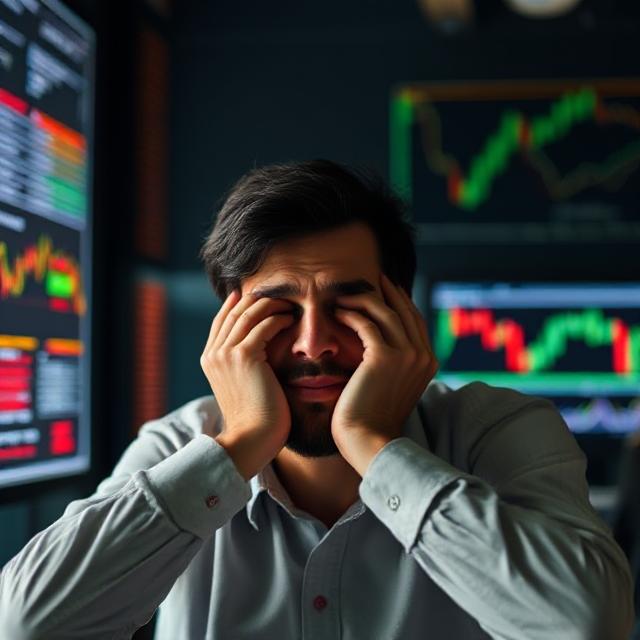
In trading, emotion plays a pivotal role and can significantly influence decision-making processes. Many traders enter the market with a solid strategy but fail to adhere to it due to emotional responses. Fear and greed are the two primary emotions that can derail even the most disciplined traders, leading them to make impulsive decisions that often result in significant losses. Recognising the impact of these emotions is essential for anyone serious about trading.
Fear can manifest in various ways during trading, often causing traders to hesitate or exit positions prematurely. This fear of loss can be crippling, prompting traders to make choices that are not aligned with their trading plan. Conversely, the fear of missing out (FOMO) can lead to entering trades impulsively, without proper analysis. Understanding these emotional triggers is crucial for developing a resilient trading mindset.
?si=SmLAXh-x3wsKepjg">?si=SmLAXh-x3wsKepjg
On the other hand, greed can also undermine a trader’s success. It can tempt individuals to hold onto winning positions for too long, hoping for even greater profits, or to take on excessive risk in pursuit of larger gains. This can create a dangerous cycle where the thrill of potential profit overshadows rational decision-making. Acknowledging and managing greed is just as important as combating fear in trading.
Traders who learn to regulate their emotions often find themselves better equipped to stick to their strategies and manage risks effectively. Developing emotional intelligence allows traders to assess their feelings and reactions objectively, leading to more thoughtful and calculated decisions. Techniques such as mindfulness, journaling, and self-reflection can aid in understanding one’s emotional responses to the market.
Ultimately, recognising the role of emotion in trading is vital for long-term success. By accepting that emotions will inevitably arise, traders can work towards mitigating their negative effects and harnessing the positive aspects of emotional engagement. Successful trading is not solely about strategy or analysis; it is equally about mastering one’s emotions and maintaining a balanced mindset in the face of market volatility.

Overcoming Fear and Greed
Fear and greed are two powerful emotions that can significantly impact a trader's decision-making process. Many traders enter the market with a solid strategy, but when faced with the volatility of the market, these emotions can override rational thinking. Fear can cause traders to sell positions at a loss, while greed can lead them to hold onto winning trades for too long, hoping for even greater returns. Understanding how these emotions influence trading behaviour is crucial for long-term success.
To overcome fear, traders need to develop a disciplined approach to their trading. This involves setting clear goals and adhering to a well-defined trading plan. By creating a structured environment, traders can minimise the impact of fear on their decisions. Regularly reviewing past trades can also help individuals recognise patterns in their behaviour, enabling them to address and mitigate fear-driven mistakes.
Greed, on the other hand, is often rooted in the desire for quick profits. Traders must learn to manage their expectations and understand that consistent, incremental gains are more sustainable than chasing after large, unrealistic profits. Implementing risk management strategies, such as setting stop-loss orders and taking profits at predetermined levels, can help keep greed in check and foster a more balanced trading mindset.
Another effective strategy for overcoming these emotions is to cultivate a mindset of acceptance. Traders should accept that losses are a natural part of the trading process. Instead of allowing fear of loss to dictate their actions, traders can focus on the lessons learned from each experience. This shift in perspective can empower individuals to approach the market with greater confidence and resilience.
Ultimately, overcoming fear and greed requires continuous self-reflection and discipline. By acknowledging these emotions and implementing strategies to manage them, traders can improve their decision-making processes and increase their chances of success. As they become more attuned to their emotional responses, they will be better equipped to navigate the complexities of the trading landscape and avoid the pitfalls that lead to failure.
?si=SmLAXh-x3wsKepjg">?si=SmLAXh-x3wsKepjg
The impact of stress on a trader's mental state cannot be understated. When faced with high-stress situations, traders may experience anxiety and fear, which can cloud their judgment. This emotional turmoil can cause them to deviate from their trading strategies, leading to impulsive decisions. As a result, what could have been a calculated risk becomes a gamble, further exacerbating their situation.
Moreover, the pressure to succeed can create a cycle of stress that is difficult to escape. Traders might feel compelled to chase losses or overtrade in an attempt to recover lost capital, which only increases their stress levels. This cycle can lead to burnout, where traders become mentally exhausted and lose their ability to think critically about their trades. In such a state, even the most experienced traders may struggle to maintain their composure and make rational decisions.
In addition to psychological effects, stress can have physical consequences that impact a trader's performance. Prolonged periods of stress can lead to health issues such as insomnia, headaches, and even cardiovascular problems. A trader who is not physically well is unlikely to perform optimally in the market. Their ability to focus, analyse trends, and execute trades effectively diminishes, further contributing to their likelihood of failure.
Ultimately, understanding the impact of stress and pressure is crucial for traders who wish to succeed. By recognising these factors, traders can develop strategies to manage stress effectively. This may involve implementing self-care routines, seeking support from peers, or employing mindfulness techniques. Addressing stress proactively can help traders maintain their composure, make informed decisions, and increase their chances of long-term success in the trading arena.
Fear can manifest in various ways during trading, often causing traders to hesitate or exit positions prematurely. This fear of loss can be crippling, prompting traders to make choices that are not aligned with their trading plan. Conversely, the fear of missing out (FOMO) can lead to entering trades impulsively, without proper analysis. Understanding these emotional triggers is crucial for developing a resilient trading mindset.
?si=SmLAXh-x3wsKepjg">?si=SmLAXh-x3wsKepjg
On the other hand, greed can also undermine a trader’s success. It can tempt individuals to hold onto winning positions for too long, hoping for even greater profits, or to take on excessive risk in pursuit of larger gains. This can create a dangerous cycle where the thrill of potential profit overshadows rational decision-making. Acknowledging and managing greed is just as important as combating fear in trading.
Traders who learn to regulate their emotions often find themselves better equipped to stick to their strategies and manage risks effectively. Developing emotional intelligence allows traders to assess their feelings and reactions objectively, leading to more thoughtful and calculated decisions. Techniques such as mindfulness, journaling, and self-reflection can aid in understanding one’s emotional responses to the market.
Ultimately, recognising the role of emotion in trading is vital for long-term success. By accepting that emotions will inevitably arise, traders can work towards mitigating their negative effects and harnessing the positive aspects of emotional engagement. Successful trading is not solely about strategy or analysis; it is equally about mastering one’s emotions and maintaining a balanced mindset in the face of market volatility.
Overcoming Fear and Greed
Fear and greed are two powerful emotions that can significantly impact a trader's decision-making process. Many traders enter the market with a solid strategy, but when faced with the volatility of the market, these emotions can override rational thinking. Fear can cause traders to sell positions at a loss, while greed can lead them to hold onto winning trades for too long, hoping for even greater returns. Understanding how these emotions influence trading behaviour is crucial for long-term success.To overcome fear, traders need to develop a disciplined approach to their trading. This involves setting clear goals and adhering to a well-defined trading plan. By creating a structured environment, traders can minimise the impact of fear on their decisions. Regularly reviewing past trades can also help individuals recognise patterns in their behaviour, enabling them to address and mitigate fear-driven mistakes.
Greed, on the other hand, is often rooted in the desire for quick profits. Traders must learn to manage their expectations and understand that consistent, incremental gains are more sustainable than chasing after large, unrealistic profits. Implementing risk management strategies, such as setting stop-loss orders and taking profits at predetermined levels, can help keep greed in check and foster a more balanced trading mindset.
Another effective strategy for overcoming these emotions is to cultivate a mindset of acceptance. Traders should accept that losses are a natural part of the trading process. Instead of allowing fear of loss to dictate their actions, traders can focus on the lessons learned from each experience. This shift in perspective can empower individuals to approach the market with greater confidence and resilience.
Ultimately, overcoming fear and greed requires continuous self-reflection and discipline. By acknowledging these emotions and implementing strategies to manage them, traders can improve their decision-making processes and increase their chances of success. As they become more attuned to their emotional responses, they will be better equipped to navigate the complexities of the trading landscape and avoid the pitfalls that lead to failure.
?si=SmLAXh-x3wsKepjg">?si=SmLAXh-x3wsKepjg
The Impact of Stress and Pressure
Stress and pressure are two significant factors that contribute to the high failure rate among traders. In the fast-paced world of trading, individuals often find themselves under immense pressure to perform. This pressure can stem from various sources, including expectations from oneself and external influences such as market volatility. The psychological toll of this pressure can lead to poor decision-making and ultimately result in financial losses.The impact of stress on a trader's mental state cannot be understated. When faced with high-stress situations, traders may experience anxiety and fear, which can cloud their judgment. This emotional turmoil can cause them to deviate from their trading strategies, leading to impulsive decisions. As a result, what could have been a calculated risk becomes a gamble, further exacerbating their situation.
Moreover, the pressure to succeed can create a cycle of stress that is difficult to escape. Traders might feel compelled to chase losses or overtrade in an attempt to recover lost capital, which only increases their stress levels. This cycle can lead to burnout, where traders become mentally exhausted and lose their ability to think critically about their trades. In such a state, even the most experienced traders may struggle to maintain their composure and make rational decisions.
In addition to psychological effects, stress can have physical consequences that impact a trader's performance. Prolonged periods of stress can lead to health issues such as insomnia, headaches, and even cardiovascular problems. A trader who is not physically well is unlikely to perform optimally in the market. Their ability to focus, analyse trends, and execute trades effectively diminishes, further contributing to their likelihood of failure.
Ultimately, understanding the impact of stress and pressure is crucial for traders who wish to succeed. By recognising these factors, traders can develop strategies to manage stress effectively. This may involve implementing self-care routines, seeking support from peers, or employing mindfulness techniques. Addressing stress proactively can help traders maintain their composure, make informed decisions, and increase their chances of long-term success in the trading arena.
0 Comments
Be the first to share your thoughts on this article.