
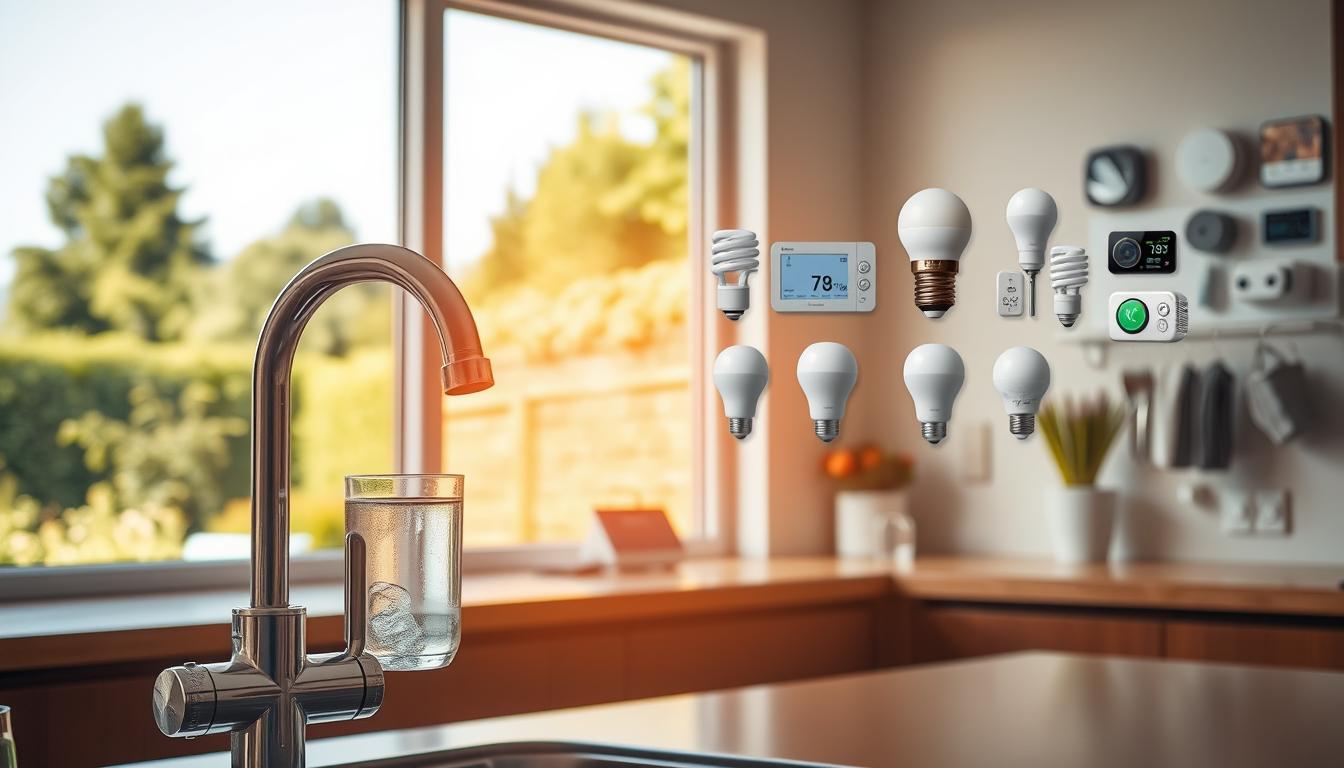
Tiny Lifestyle Upgrades That Save Big Money Long-Term
Start small, gain more: You can reframe your daily choices so small purchases and smart swaps cut recurring costs and improve your life. Simple fixes under $50 stack up over months and years.
Real examples show the power of tiny moves. One person dropped cable to stream and trimmed $35 per month. Others avoided big repairs by fixing leaky faucets and loose handles early. A $12 paper planner stopped late fees. Rechargeable AAs and a vacuum sealer cut repeated costs.
Practical items like LED bulbs, renter-friendly bidets, showerhead shutoff valves, bathroom fan timers, and over-the-air antennas deliver immediate wins. Home coffee gear—French press or Aeropress—and a SodaStream also lowered daily spending on drinks.
Key Takeaways
- Focus on easy, low-cost changes that reduce monthly bills and chores.
- Fix small maintenance issues early to avoid larger repairs.
- Replace recurring purchases with reusable solutions (batteries, coffee gear).
- Cut subscription costs—one change can free up $30–40 each month.
- Track quick wins and reinvest savings into the next smart choice.
Home and utilities: small upgrades that cut energy, water, and repair costs
Start with low-cost moves you can do today. You can lower utility bills and avoid a handful of common repair bills by making a few practical swaps and fixes around your home.
Switch lighting and trim electricity use
Swap to LED bulbs to cut energy immediately. LEDs use about one-sixth the electricity of incandescents and last up to ten times longer, so you replace bulbs less over years.
Reduce paper and water waste
Add a renter-friendly bidet to cut paper consumption — a simple example of items that pay back fast. Install a showerhead shutoff or flow valve to halve flow and extend hot water across more showers, which trims both water and energy.
Stop recurring fees and stop tiny problems early
Buy your own modem/router to remove a monthly price from your bill. Fit a timer on bathroom fans so they don’t run for hours. Tighten loose handles, fix leaky faucets, and clear the AC drip line now to avoid a pricier repair later.
| Action | Impact | Typical Result |
| LED bulbs | Lower energy use | Less frequent replacements; lower electric bill for years |
| Renter bidet | Cut paper use | Fewer toilet paper purchases; quick payback |
| Shower shutoff valve | Reduce hot water use | Extended hot water supply; lower water and energy |
| Buy modem/router | Eliminate rental fee | One purchase replaces ongoing monthly price |
Track results in your utility dashboard after each change to see real reductions and reinforce the habit.
Kitchen and food: tiny lifestyle upgrades that save big money long term
Small cooking and storage choices make weekly routines simpler and more economical. With the right gear you turn bulk buys into planned meals and avoid tossing freezer-burned leftovers.
Start with portioning: a vacuum sealer keeps meals fresh and converts bulk purchases into ready-to-cook packs. Use a $9 rice cooker or a second-hand slow cooker to make low-cost dinners. An Instant Pot or crockpot can feed a family for roughly $15, often under restaurant per-person price.
Choose coffee gear like a French press, Aeropress, or pour-over to skip daily runs. A SodaStream with homemade simple syrups costs about $0.40 per serving and cuts packaged soda spending. Clear glass containers make leftovers visible and reduce takeout temptation.
| Tool | Benefit | Typical Result |
| Vacuum sealer | Portioning; less waste | Ready meals; fewer tossed items |
| Rice/slow cooker | Hands-off meals | Low-cost dinners; saved time |
| French press / Aeropress | Better home coffee | Drop daily café spending |
| SodaStream | DIY fizzy drinks | Lower per-can price |
Tip: shop farmers markets for seasonal produce and plan two anchor meals weekly. Track grocery versus restaurant spend to see how these purchases help you save money and guide your next purchase.
Tech and streaming swaps that pay for themselves
Small changes in how you access shows and manage devices can cut recurring bills without disrupting daily routines.
Cut cable and layer services
Keep your home internet, drop cable, and pick two streaming services you actually watch. One household switched to Netflix and Disney+ and added an over‑the‑air antenna, which freed up about $35 per month with almost no change in viewing.
Protect devices with a durable case
Buying a sturdy phone case for $20–$50 is a small purchase that can avoid a costly screen repair on an $800 device. The case acts as insurance and reduces replacement headaches.
Switch to rechargeable AA batteries
For remotes, controllers, and flashes, rechargeable AAs cut recurring buys and waste. They pay back in a few months in high‑use homes and keep your drawers full of single‑use cells from piling up.
Consolidate with Apple TV and audit regularly
Consider Apple TV if you use iPhone or Mac; it centralizes apps, AirPlay, music, and photos so you manage fewer logins. Twice a year, review subscriptions with everyone in your household and cancel unused services.
| Action | Impact | Typical Result | Estimated First‑Year Cost |
| Cut cable + antenna | Lower monthly bill | About $35/month saved in the example | $30–$80 (antenna) + streaming fees |
| Buy durable phone case | Protects device | Fewer repairs or replacements | $20–$50 one‑time |
| Rechargeable AA batteries | Eliminate constant rebuys | Savings and less waste | $20–$40 starter kit |
| Apple TV or consolidation | Simpler setup | Fewer duplicate subscriptions | $100–$200 device + subscription changes |
Tip: compare the total price of your old bundle versus a trimmed mix. Set a calendar reminder for a streaming audit so these purchases keep delivering a lot of value over time.
Wardrobe and personal care on a budget-friendly path
Begin by defining a handful of go-to outfits and see how your closet already covers most needs.
Shop your closet first
Build a capsule wardrobe by listing core outfits you wear. Shop your closet before any new shopping trip. Use a simple paper note or app to track gaps and avoid impulse buys.
Fix and extend favorite pieces
Repair worn hems and shoes. Replacing a heel often costs about $9 per pair and keeps a beloved pair in play.
Keep a basic sewing kit—needles, thread, and sharp scissors—for quick mends that add months to bags and coats.
Buy smarter and groom at home
Buy secondhand or wait for a real sale to lower cost per wear. Follow a 48‑hour rule to prevent duplicate purchases.
Try DIY haircuts with quality clippers or at‑home nail care to replace select salon visits and fit your lifestyle more cheaply.
"Good style is less about new things and more about how you use what you already own."
| Action | Benefit | Typical Cost |
| Replace heels | Extends shoes life | $8–$12 per shoe repair |
| Basic sewing kit | Quick mends; longer garment life | $10–$20 one‑time |
| Secondhand shopping | Lower cost per wear | Varies; often 30–70% off new |
| DIY grooming | Fewer salon visits | $20–$80 equipment |
Time and habit upgrades that prevent fees and impulse buys
A few simple habits around scheduling and tracking keep fees away and give you better control of each day. Small, repeatable actions reduce stress and protect your money with very little effort.
Use a yearly paper planner to avoid late fees and missed appointments
Buy a yearly paper planner for about $12. Writing due dates and renewals down helps you show up on time and avoid late fees.
Keeping a visible planner also makes it easy for people in your household to see upcoming bills and appointments.
Set daily and weekly spending goals with a simple spreadsheet
Pick a target monthly credit card amount, divide by 30, and make that your daily goal. Track each day in a plain spreadsheet for motivation and control.
- You schedule a weekly 15-minute review to reconcile receipts and plan the week ahead.
- Make bill pay automatic where possible and save confirmations in one place.
- Treat time as a budget: block slots to cook, fix small repairs, or prep food.
- Keep a short list of the top three ways you currently save and review it weekly.
| Action | Benefit | Result |
| Paper planner | Reduce missed dates | Fewer late fees; calmer life |
| Daily spreadsheet | Track day spending | Less month-end surprise |
| Weekly review | Clear priorities | Better decisions; save money |
Travel and shopping tactics that stretch your money
You can protect your budget during trips by carrying the right gear and running a short pre-trip routine. A few quick choices reduce fees, avoid impulse buys, and keep basic needs covered on the road.
Use a multipocket vest or personal-item strategy
Convert a multipocket vest or checked-bag passthrough into your carry-on. One user fitted interior "passthrough" storage and boarded with more gear, avoiding baggage fees and the slow line at budget carriers.
Top up tires at home
Keep a $35 inflator that plugs into your car outlet. Regularly inflating tires improves mileage and extends tire life, lowering long‑term cost per mile.
Bring reusable bottles and cups
Carry an insulated cup and a refillable water bottle to skip bottled drinks. This reduces spend and trash while keeping you hydrated during travel.
Try delivery memberships and plan shopping
Test services like Walmart+ as an option to cut wandering through stores. A membership can mean fewer impulse buys and more intentional shopping for essentials.
Choose happy hours and pack snacks
Hit fancy happy hours to get the place and vibe at a lower price. Pack a snack kit and refillable bottle to avoid premium airport and convenience-store purchases.
- Vest/personal item: fewer fees, less line stress.
- Tire inflator: better mileage and longer tire life.
- Reusable bottle: cheaper drinks, less waste.
- Delivery membership: targeted shopping, fewer impulse buys.
- Happy hours + snacks: experience without high cost.
| Action | Impact | Result |
| Personal-item vest | Carry more on flights | Avoids checked-bag fees |
| Tire inflator | Maintain pressure | Improve mpg; extend tires |
| Reusable bottle | Replace bottled water | Lower on-the-go spend |
Tip: use a short pre-trip checklist—tires, bottles, downloads, transit cards—to keep travel smooth and save money by avoiding last-minute purchases.
Conclusion
Start with three practical items and watch monthly costs shift in your favor. Pick LEDs for energy, a shower flow valve for water, and a vacuum sealer for food. Each choice delivers quick wins and lasts for years.
Focus on moves that free up cash and remove friction. Replace daily coffee runs with a French press or Aeropress, trade cable for streaming and an antenna to reclaim about $35 per month, and use a $12 planner to avoid late fees.
Redirect the amount you cut from bills into repairs, shoes, or one thing your wardrobe really needs. Set a day this week to install three items, then do a 30‑day review—small, steady actions change your life and home for the better.

0 Comments Comments