
UK Autumn Budget Changes: Impacts on ISAs, Pensions, Savings Allowances

Recent fiscal announcements have introduced significant modifications to how you plan for your financial future. The government's latest economic statement brings both expected and surprising adjustments that will reshape retirement planning approaches. These policy shifts affect various aspects of wealth accumulation. They touch on retirement vehicles, investment accounts, and tax frameworks. Understanding these alterations is essential for optimizing your long-term financial strategy. Some modifications take effect immediately,others will phase in over several years through 2031. This gives you time to adjust your plansaccordingly. The comprehensive guide that follows breaks down complex policy changes into clear, actionable insights. You'll learn what each adjustment means for your personal financial situation and future security.
Key Takeaways
- The state pension will increase by 4.8% starting April 2026
- Cash ISA limits will reduce for most people from April 2027
- Salary sacrifice pension contributions face new National Insurance rules from 2029
- Income tax thresholds remain frozen until 2031
- Private pension rules stay unchanged for tax relief and withdrawals
- The triple lock guarantee for state pensions continues
- These modifications require reviewing your current financial strategies
Overview of the UK Autumn Budget Changes Affecting ISAs, Pensions, and Savings Allowances
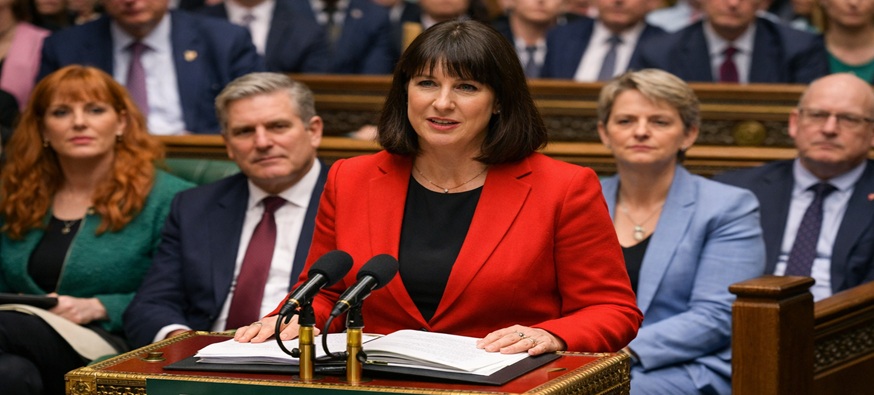
The Chancellor's recent address to Parliament laid out a multi-year fiscal roadmap with immediate and long-term consequences for your money. This single major fiscal event of the year sets the tone for economic policy.
Key Highlights from the Chancellor's Speech
You should understand that the announced measures are not immediate. They are scheduled to roll out between 2026 and 2029. This gives you time to plan.
The government pledged to avoid raising headline rates like Income Tax. Instead, it will adjust allowances and thresholds. This is a significant detail for your planning.
Understanding the New Budget Measures
A core philosophy shifts how income is treated. The goal is to align tax on assets more closely with tax on work. This encourages longer-term investment over simple cash holdings. Market response has been positive. The commitment to fiscal restraint boosted government bonds. This indicates confidence in the new strategy. Looking beyond headlines is crucial. Freezes and reductions will interact with your finances uniquely over the coming years.
Implications for the State Pension and Private Pensions
Your retirement income strategy faces meaningful adjustments based on the government's new fiscal direction. These updates provide clarity for planning your financial future.
State Pension Increases and the Triple Lock Commitment
The government confirmed a significant boost to the state pension starting April 2026. You'll see a 4.8% increase if you receive the full new state pension amount. This translates to a weekly rise from £230.25 to £241.30. The exact amount depends on your national insurance history.
| Pension Type | Current Weekly Amount | New Amount (April 2026) | Increase Percentage |
| Full New State Pension | £230.25 | £241.30 | 4.8% |
| Basic State Pension | £156.20 | £163.70 | 4.8% |
The triple lock mechanism remains in place throughout this parliamentary term. Your state pension will increase annually by the highest of price inflation, wage inflation, or 2.5%.
Continued Stability in Private Pensions
Private pensions maintain their current rules and benefits. Tax relief on contributions stays unchanged at your marginal income tax rate. The tax-free withdrawal amount remains at 25% of your pot. Annual allowance rules also continue without modification. This stability ensures your retirement planning assumptions remain valid. You can continue building your private pension with confidence.
Salary Sacrifice Adjustments and Their Impact on Your Retirement Savings
The way you optimize retirement contributions through your employer is set for significant adjustments starting in 2029. These modifications will affect how you build your nest egg through workplace arrangements. Salary sacrifice arrangements allow you to exchange part of your earnings for enhanced pension benefits. This strategy has been popular for maximizing retirement savings efficiently.
New NICs Cap Details for Salary Sacrifice
Starting April 2029, a £2,000 annual cap will apply to National Insurance relief through salary sacrifice. You can still contribute more, but amounts above this limit face insurance charges. This change affects how much you save on National Insurance through these arrangements. The cap represents a shift in workplace pension incentives. You have several years to maximize current benefits before the new rules take effect. This gives you time to work with your employer on optimal contribution strategies. Standard tax relief on pension contributions remains unchanged. You'll continue receiving income tax benefits regardless of contribution method. Higher earners using extensive salary sacrifice may feel the greatest impact. Workplace pensions remain the most popular retirement savings method despite these adjustments.
Revised Individual Savings Accounts (ISAs) Limits and Opportunities
Starting in April 2027, your approach to tax-efficient savings will see important adjustments to contribution limits. The government aims to encourage longer-term investment growth through these modifications. Previously, you could save up to £20,000 annually across different types of accounts. The new structure creates distinct caps for various investment vehicles.
Cash ISA vs. Stocks & Shares ISA Changes
Your annual cash ISA allowance drops from £20,000 to £12,000 beginning April 2027. This reduction represents a significant policy shift toward equity-based investments. The stocks & shares ISA limit remains unchanged at £20,000 per year. You can still invest the full amount in funds and securities within this tax-efficient wrapper. If you're over 65, you maintain the full £20,000 allowance for both account types. This protects older savers who may prefer cash for security and accessibility. Existing holdings in cash ISAs remain unaffected by these new limits. The adjustments only apply to contributions made from April 2027 onward. Financial experts suggest balancing short-term cash needs with longer-term equity investments. Finding the right allocation helps achieve your financial objectives.
Changes in Income Tax on Savings, Property, and Dividends
A fundamental restructuring of investment income taxation is underway, with different rates applying to savings, property, and dividend earnings. This policy shift aims to create more equitable treatment across various income sources.
New Tax Rates and Their Implications
The government introduced separate tax bands for different income types. These adjustments will phase in starting April 2026 for dividends and April 2027 for other categories.
| Income Type | Current Basic Rate | New Basic Rate | Effective Date |
| Dividend Income | 8.75% | 10.75% | April 2026 |
| Savings Income | 20% | 22% | April 2027 |
| Property Income | 20% | 22% | April 2027 |
Higher and additional rates will see similar increases across all categories. The property sector receives special treatment with finance cost relief at the new basic rate.
How These Changes Affect Your Investments
Your investment strategy may require adjustment as these new rates take effect. Tax-efficient wrappers like retirement accounts and investment shelters become increasingly valuable. Portfolio restructuring before implementation dates could optimize your tax position. Consider shifting taxable investments into protected accounts where possible. The widening gap between taxed and tax-sheltered returns emphasizes strategic planning. Higher earners with significant dividend or property income face the greatest impact.
Impact of the Income Tax Threshold Freeze and National Insurance Adjustments
The government's decision to extend the freeze on income tax thresholds until 2031 represents a significant shift in fiscal policy that will directly impact your take-home pay. This extension creates a full decade without inflationary adjustments to these critical financial boundaries. Your personal allowance stays at £12,570 through 2031. The basic rate band remains £12,571 to £50,270, while the higher rate threshold holds at £50,271 to £125,140. The additional rate threshold continues above £125,140.
Freeze Extended Until 2031
This prolonged freeze means you might experience "fiscal drag" as your wages increase over the coming years. While your salary grows, the tax thresholds remain stagnant. This can push you into higher tax bands without a real increase in purchasing power. If you earn near the £50,270 boundary, you're particularly vulnerable. Even modest pay raises could subject additional earnings to the 40% higher rate. Pensioners receiving the state pension increase may also find themselves crossing into new tax thresholds.
Historically, these thresholds increased with inflation to maintain their real value. The current ten-year freeze represents a departure from this principle. The government technically maintains its pledge not to raise income tax rates, but the outcome increases revenue through bracket creep. You should consider strategies like maximizing pension contributions to manage your taxable income. Timing income recognition can help minimize the impact of crossing into higher bands. Scottish taxpayers should note their thresholds will be set separately.
Market Reactions and Expert Opinions on the Autumn Budget
Financial markets have responded with cautious optimism to the latest fiscal announcements. Initial volatility gave way to positive momentum as investors digested the full implications of the government's economic strategy. Scott Gardner, Investment Strategist at J.P. Morgan Personal Investing, noted the broader context. "The fiscal watchdog has clearly been spooked by the UK's weakened productivity this year," he observed regarding the growth forecast revisions.
Analyst Insights on Fiscal Policy Shifts
Investment professionals express some skepticism about the sequencing of the government's tax and spending plans. Spending increases occur immediately while revenue measures phase in later. Market indicators show positive trends despite these concerns. Government bond prices strengthened following the chancellor's commitment to fiscal restraint. Sterling also edged higher, signaling currency market confidence.
| Economic Indicator | Previous Forecast | New Forecast | Timeframe |
| GDP Growth | 1.0% (2025), 1.9% (2026) | 1.5% (2025), 1.4% (2026) | 2025-2026 |
| Productivity Growth | 0.8% annually | 0.6% annually | 2025-2027 |
| Government Borrowing | 3.2% of GDP | 2.8% of GDP | 2026-2027 |
Implications for Savers and Investors
The budget's effect varies significantly across different asset classes. Tax-sheltered investments become increasingly attractive compared to taxable accounts. For savers, the changes create both challenges and opportunities. Reduced cash allowances may disadvantage those preferring liquid savings. Meanwhile, equity-based options offer potential for higher returns. Experts emphasize that increased investment and productivity growth represent essential building blocks for economic recovery. The coming year will reveal whether these measures achieve their intended effect.
Conclusion
Navigating the upcoming years requires a proactive approach to your savings and investment plans. The staggered implementation dates give you valuable time to adjust your strategy effectively. Your optimal path involves maximizing tax-advantaged vehicles where growth remains protected. Pension contributions maintain their full tax relief, making them increasingly valuable. Review your portfolio allocation between sheltered and general accounts. The widening tax differential makes strategic placement crucial for long-term growth. Consider professional advice to understand how these measures specifically impact your financial situation across multiple years.
0 Comments
Be the first to share your thoughts on this article.