
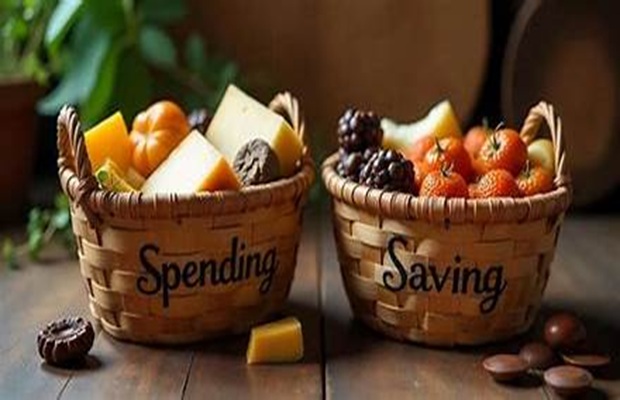
Understanding The Psychology of Spending and Saving
You can learn how brain rewards, emotions, and environment shape your money choices. Buying often feels thrilling because reward circuits light up before a purchase, which can push you toward quick decisions. Stress or sadness raises the chance of nonessential buys, while social feeds create pressure to keep up. That mix of cues makes habits hard to break without simple, repeatable controls.
Practical steps—like short cooling-off windows, paying with cash for discretionary items, and clear personal goals—help you act in line with long-term plans. Research shows tailored personal strategies cut spending more than one-size-fits-all tips. For a deeper look at evidence and tools, see this guide on managing money behaviors.
Key Takeaways
- Reward signals drive impulse buys; spotting them helps you pause.
- Emotions and social cues raise nonessential spending risk.
- Simple rules—cooling-off periods and cash use—reduce impulsive buys.
- Personal money strategies beat generic advice for lasting change.
- Set clear goals to align short-term choices with future priorities.
Inside Your Spending Mindset: What Your Brain and Emotions Do When You Buy
Before any purchase lands at your door, your brain often simulates the reward. Anticipation activates dopamine-linked areas, which is why a full cart can feel thrilling even before payment.
Dopamine, reward, and the thrill of shopping
Research shows those reward signals push quick decisions. That surge helps explain impulse buys and why credit reduces the "pain of paying."
"Impulse buying boosts mood temporarily, making immediate purchase urges hard to resist."
— Ian Zimmerman, consumer psychologist
Mood and money: How stress, sadness, and boredom shape your choices
When you feel low or stressed, willingness to pay rises and nonessential purchases increase. Simple checks help interrupt this loop.
- Micro reset: name the emotion, breathe ten seconds, then recheck your plan.
- Receipt test: would you explain this purchase to your future self tomorrow?
- Cooling-off: use a 24–72 hour delay for nonessentials to let urges fade.
| Trigger | Effect on behavior | Quick counter |
| Cart anticipation | Increased dopamine, faster yes | Pause 10 seconds; reassess |
| Negative mood | Higher nonessential spending | Micro reset routine |
| Card or credit use | Higher ticket size vs cash | Prefer cash for discretionary buys |
For deeper reading on emotional triggers and practical tactics, see this piece on emotional spending.
Social, Cultural, and Language Forces That Nudge You to Spend or Save
Social cues shape what you buy more than you might expect. Online feeds, friends, and cultural scripts make many choices feel public. That pressure turns everyday purchases into performances for others.
Social media, FOMO, and keeping up pressures in the United States
Charles Schwab’s 2019 survey found 35% of Americans overspend to impress others, showing how fear and FOMO push quick buys. You can cut that impulse by curating feeds and unfollowing accounts that fuel comparison.
Cultural norms: high-saving versus high-spending countries
Dr. Peter Collett notes some nations favor saving while others reward instant consumption. You watch people around you and learn local rules: when debt looks normal, spending feels safer. Try an at-paycheck transfer and cash envelopes to emulate high-saving habits.
Future vs. futureless languages: time perception and behaviour
Keith Chen’s work links language to long-term choices, yet Japan’s drop in savings shows culture and history can override linguistic effects. Use calendar cues and visuals to make your future feel near. That simple shift changes choices across the world.
- Quick map: list the main factors and influencers that nudge you.
- Two metrics: one public win, one private savings rate to guide action.
The Psychology of Spending and Saving: Barriers, Biases, and Your Future Self
Each small purchase is a decision between a present boost and a future benefit, and bias tilts many toward the now. Behavioral economists call this intertemporal choice: you trade consumption today for value later.
Classic examples show steep discounting. Many accept £120 in a year over £100 today, yet resist £102 in a year, revealing how you heavily favor immediate rewards.
False optimism and a "Peter Pan" reluctance to accept adult responsibility make saving harder. When you think things will just improve, action slips down the list.
Practical shifts that help
- Reframe daily buys as clear trades: what does your future self lose if you buy now?
- Use small automatic transfers so savings grow without relying on willpower.
- Build vivid future-self profiles — age, needs, goals — so contributions feel personal.
- Set implementation intentions like, "If I feel an urge, then I wait 10 minutes."
"Seeing your future life vividly makes saving feel like giving to yourself, not a stranger."
For guidance on confronting biases and practical tools, see this overcoming financial biases.
From Insight to Action: Practical Ways You Can Spend Less and Save More Today
Small routines shift how you handle money without heavy willpower. Start with a personal playbook that matches your schedule and goals. Personal strategies beat one-size-fits-all plans for cutting spending, so build rules you will follow.
Create a budget that fits your life
Set a simple budget that covers fixed needs first. Automate transfers to goals and give clear limits for wants. Review this plan today and tweak what does not work.
Use cash and add a cooling-off window
Paying with cash makes tradeoffs feel real: studies show much lower average spends with cash vs card. For nonessentials, apply a 24–72 hour cooling-off rule to reduce shopping urges.
Investment basics for steady progress
Automate investments on payday using dollar-cost averaging to ignore market noise. Keep diversification simple with one broad ETF or mutual fund. Use a rule like “10% down and out” to limit downside and avoid herd moves.
Timing rules and low-cost happiness
Apply a timing heuristic—for example, prefer Monday for buys when possible—to reduce stress. Also, build a list of free joys: walks, library events,
DIY projects, or music playlists. Those things replace impulse purchases and support your finances over years.
- Today: remove saved cards from online stores and turn off one-click to add an extra pause.
- Quarterly: check your budget, rebalance investments, and re-anchor goals like emergency funds or retirement targets.
- Simple guardrail: cash for wants + 24–72 hour wait for nonessentials.
"Design rules that match your life; small frictions work better than big promises."
Conclusion
You can turn insight into steady progress by building small habits that nudge better choices. Reward wiring, mood, and social factors shape how you spend, yet simple rules tilt decisions toward long-term gain.
Use a short cooling-off window, pay cash for wants, and automate transfers so savings grow without constant willpower. That combination matches research on reward drives and mood-linked purchases.
Keep it practical: design one rule you will follow, track two metrics (savings rate and emergency cushion), and reset quarterly. For a useful summary on these ideas and plan options, see this NC 529 plan summary.

0 Comments Comments