
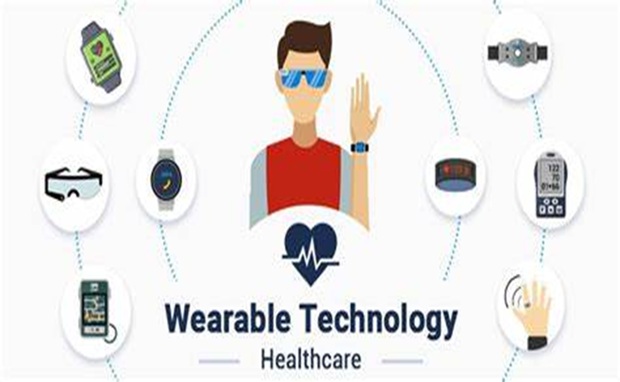
You're Witnessing The Rise of Wearable Tech: Here's Why
Right now, you stand at the edge of a major shift. Everyday life is blending with advanced technology in a deeply personal way. This movement is powered by wearable technology. These devices have moved far beyond counting steps. They now track your heart rhythms, sleep quality, and stress levels. This gives you powerful insights into your own health and body. Market growth tells a powerful story. Valued around $61 billion in 2022, this sector is projected to surpass $142 billion by 2030. This explosive growth highlights a major global innovation.
What makes this time so exciting? Modern devices are sleek and integrated. They work as seamless extensions of you, offering
continuous health monitoring without interrupting your day.
Key Takeaways
- Wearable technology provides deep, real-time insights into personal health metrics.
- The global market is experiencing rapid, multi-billion dollar growth.
- Modern devices are designed for seamless integration into daily life.
- This technology is a key tool for managing wellness and chronic conditions.
- Continuous innovation is making these devices more powerful and accessible.
Exploring the Evolution of Wearable Technology
Wearable devices have undergone a dramatic evolution that directly impacts your daily health monitoring. This journey from simple gadgets to sophisticated systems reveals how innovation has transformed personal wellness tracking.
Defining Wearable Tech and Its Origins
Wearable technology refers to electronic devices you wear on your body. These gadgets use advanced sensors to collect data about your health and activity levels.
The origins trace back to basic pedometers and early fitness trackers. These simple tools focused mainly on step counting and calorie estimation.
How Innovations Have Shaped Today's Devices
Modern innovations have revolutionized what wearable devices can accomplish. Today's technology provides comprehensive health monitoring capabilities.
Smart watches now offer electrocardiogram functions and blood oxygen tracking. This gives you real-time information about your body's vital signs.
Continuous improvements in sensor technology enable more accurate data collection. Your wearable devices now serve as personal health assistants.
Innovations Shaping the Future of Wearable Devices
The next wave of personal technology is taking shape through revolutionary materials and designs. These advancements make devices more intuitive and integrated with your lifestyle.
Future wearables will feel like natural extensions of your body rather than separate gadgets. This seamless integration comes from breakthroughs in materials science and creative engineering.
Next-Gen Materials and Flexible Electronics
New materials are transforming what wearable devices can achieve. Gallium-based liquid metals create flexible, highly conductive platforms that conform to your body's contours.
Two-dimensional materials enable electronics that bend and stretch with your movements. Some systems can even dissolve safely after completing their medical purpose.
These developments eliminate the need for surgical removal of implanted devices. They represent significant advancement in medical technology.
Creative Form Factors: E-Tattoos, Smart Clothing, and More
Innovative form factors are making technology nearly invisible. E-tattoos provide continuous health monitoring without compromising comfort.
Smart clothing like Nadi X yoga pants offers haptic feedback through vibrations. This guides you into proper positions during exercise.
Augmented reality glasses overlay digital information onto your physical environment. Specialized wearables serve diverse needs from workplace safety to medical monitoring.
The Rise of Wearable Tech: Transforming Healthcare
Healthcare delivery is undergoing a fundamental transformation, and wearable technology sits at its core. These devices are shifting the focus from occasional clinic visits to continuous, personalized health monitoring at home.
This change empowers you and provides your healthcare providers with a constant stream of actionable data.
Real-Time Health Monitoring and Data Collection
Modern wearables offer sophisticated tracking capabilities. A continuous glucose monitor provides real-time glucose level alerts for diabetes management.
Smartwatches with ECG functions can detect irregular heart rate patterns. Fitness trackers log your steps taken, sleep quality, and overall activity.
This constant monitoring helps users spot potential diseases early.
Enhancing Patient-Centric Care and Preventive Measures
This wealth of information enables truly personalized care. Your doctor can develop treatment plans based on your unique health patterns.
Remote monitoring reduces hospital visits while ensuring timely intervention. This proactive approach is a significant advancement in exploring wearable technology in healthcare.
By identifying subtle changes in your heart or sleep rate, these devices support preventive healthcare.
Market Growth and Consumer Adoption Trends
Global market forecasts paint a compelling picture of sustained growth in the wearable technology sector. This expansion reflects how deeply these devices are integrating into daily life across diverse demographics.
Insights from Research and Global Market Forecasts
The wearable technology market reached $61.30 billion in 2022. Experts project it will expand to at least $142 billion by 2030. This represents a robust 14.6% compound annual growth rate.
Regional markets show strong momentum. North America anticipates 12.9% growth through 2030. The UK market has already reached £1,219 million. These numbers confirm widespread consumer acceptance.
How User Engagement Is Evolving
Consumer behavior reveals deepening engagement with wearable devices. One-third of users increased their usage in 2023 compared to the previous year. This trend indicates lasting value perception.
An impressive 75% of surveyed consumers expressed openness to future adoption. Smart watches dominate, but innovation continues. New form factors like smart garments gain traction.
Manufacturers respond to consumer demand for comfort. They develop thinner, softer devices that maintain reliable skin contact. This development enhances continuous monitoring capabilities.
Overcoming Challenges in Wearable Technology
While wearable innovation continues, several barriers prevent these devices from reaching their full potential. These challenges affect both consumers and healthcare systems.
Data Privacy, Accuracy, and Interoperability Issues
Data privacy represents a major concern for users. Your personal health information collected by wearables could be vulnerable. A 2021 breach exposed 61 million fitness tracker records.
Many manufacturers share your data with third parties without clear consent. Current regulations like HIPAA don't cover all devices. This leaves gaps in protection for your sensitive information.
Accuracy challenges affect the reliability of your device data. Sensor calibration and placement impact measurement quality. Algorithm limitations can lead to incorrect health insights.
Interoperability problems prevent seamless data transfer between systems. Different devices use proprietary formats. This fragmentation limits integration with healthcare systems.
User engagement declines with bulky designs and short battery life. Cost barriers make advanced devices inaccessible to many consumers. Healthcare systems struggle with data influx from continuous monitoring.
Addressing these challenges requires better standards and transparency. Manufacturers must prioritize your privacy and device reliability. Solving these issues will unlock the full potential of wearable technology.
Conclusion
Personal health management is undergoing a revolution, driven by devices that stay with you throughout your day. This wearable technology provides continuous insights into your body's functions.
Modern innovation brings remarkable advancement in monitoring capabilities. You can track glucose levels and detect potential diseases early. These wearables empower you with real-time data about your health.
Research shows that wearables can drive behavior change and improve outcomes. However, challenges around data privacy and accuracy remain important considerations.
As this technology evolves, expect more personalized health insights. Your wearable device will become an even smarter partner in managing chronic conditions like diabetes and heart diseases. This represents a fundamental shift toward proactive health care.

0 Comments Comments