
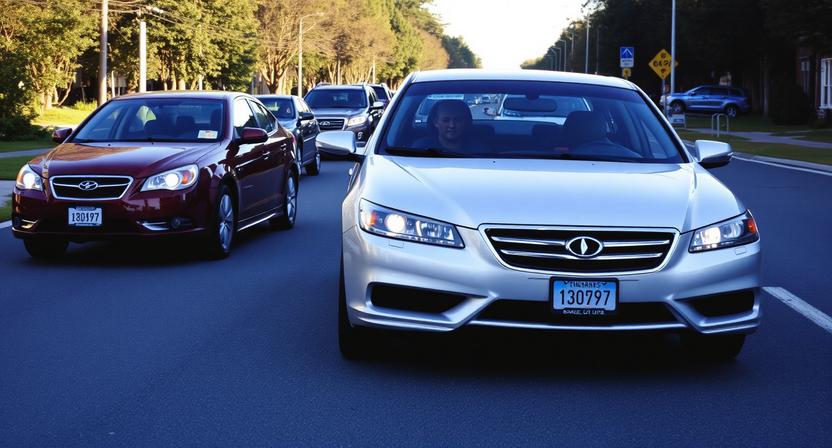
Why U.S Car Insurance Rates Are Increasing The 2026 Guide to Rising Auto Insurance Costs

Table of Contents
- Introduction
- The Shocking Numbers: How Much Rates Have Increased
- Reason #1: Skyrocketing Vehicle Repair Costs
- Reason #2: Advanced Technology and Expensive Parts
- Reason #3: Rising Medical and Healthcare Costs
- Reason #4: Increased Frequency and Severity of Accidents
- Reason #5: Natural Disasters and Climate Change Impact
- Reason #6: Supply Chain Disruptions and Inflation
- Reason #7: Insurance Fraud and Rising Claim Costs
- Reason #8: State-Specific Factors and Regulations
- How to Lower Your Car Insurance Despite Rate Increases
- Frequently Asked Questions
- Conclusion
Introduction
American drivers are experiencing sticker shock when their car insurance renewals arrive. According to recent data fromBankrate, auto insurance rates have surged by an average of 26% nationally since 2022, with some states seeing increases exceeding 40%. For the typical driver, this translates to an additional $400-$600 annually in insurance costs—a significant burden on household budgets already strained by inflation.
If you've been asking yourself, "Why is my car insurance so high?" or "Why did my car insurance go up when nothing changed?"—you're not alone. Millions of Americans face the same frustration, and the reasons behind these increases are more complex than simple corporate greed. A perfect storm of economic, technological, and environmental factors has created an unprecedented spike in auto insurance costs that shows little sign of slowing.
The current state of auto insurance:
- Average annual premium: $2,150 (full coverage) as of 2025
- Average increase from 2022-2025: 26%
- States with highest increases: Florida (+57%), Nevada (+47%), California (+39%)
- Projected 2026 increases: Additional 5-12% in most states
Understanding why car insurance rates are increasing is the first step toward protecting your budget. This comprehensive guide breaks down the eight primary factors driving insurance costs higher, examines how these forces interact, and provides actionable strategies to reduce your premiums despite the challenging rate environment.
Whether you're a longtime policyholder seeing dramatic increases or a new driver shocked by initial quotes, this analysis will help you understand the economics behind rising rates and empower you to take control of your insurance costs.
The Shocking Numbers: How Much Rates Have Increased
National Average Increases
The data paints a stark picture of how dramatically auto insurance costs have risen:
Annual Premium Increases by Year:
- 2020: Average $1,565 (pandemic low due to reduced driving)
- 2021: Average $1,650 (+5.4%)
- 2022: Average $1,700 (+3.0%)
- 2023: Average $1,895 (+11.5%)
- 2024: Average $2,070 (+9.2%)
- 2025: Average $2,150 (+3.9%)
Cumulative increase from 2020-2025: 37.4%
By comparison, general inflation over the same period was approximately 20%, meaning auto insurance increased nearly twice as fast as overall inflation.
State-by-State Breakdown
Insurance rate increases vary dramatically by location:
Top 10 States with Largest Increases (2022-2025):
- Florida: +57% (now averaging $3,400/year)
- Nevada: +47% (now averaging $2,650/year)
- California: +39% (now averaging $2,450/year)
- Louisiana: +38% (now averaging $3,200/year)
- Texas: +35% (now averaging $2,350/year)
- Colorado: +33% (now averaging $2,280/year)
- Arizona: +31% (now averaging $2,150/year)
- Georgia: +30% (now averaging $2,100/year)
- North Carolina: +28% (now averaging $1,850/year)
- Tennessee: +27% (now averaging $1,920/year)
States with Smallest Increases:
- Vermont: +8% (averaging $1,420/year)
- Maine: +9% (averaging $1,350/year)
- Idaho: +11% (averaging $1,480/year)
Demographic Impact
Rate increases haven't affected all drivers equally:

By Age Group:
- Teen drivers (16-19): +42% (average now $5,800/year)
- Young adults (20-24): +35% (average now $3,200/year)
- Middle-age (35-54): +24% (average now $1,950/year)
- Seniors (65+): +19% (average now $1,680/year)
By Vehicle Type:
- Luxury vehicles: +45% (high repair costs)
- Electric vehicles: +38% (expensive battery repairs)
- SUVs/Trucks: +28% (larger, heavier vehicles cause more damage)
- Sedans: +22% (smaller, less expensive to repair)
By Coverage Type:
- Full coverage: +26% average
- Liability only: +18% average
- Collision coverage: +32% (highest increase)
- Comprehensive coverage: +28%
According to theInsurance Information Institute, these increases represent the steepest sustained rate growth since the 1970s, far outpacing wage growth and creating genuine financial hardship for millions of households.
Reason #1: Skyrocketing Vehicle Repair Costs
The Repair Cost Explosion
One of the single largest drivers of insurance rate increases is the dramatic surge in vehicle repair costs. What once cost $2,000 to fix now regularly exceeds $5,000-$7,000, fundamentally changing the economics of auto insurance.
The Numbers:
According toAAA research, average repair costs have increased:
- Overall repair costs: +36% since 2020
- Collision repair: +42% since 2020
- Parts costs: +51% since 2020
- Labor rates: +28% since 2020
Why Repairs Cost More
1. Parts Shortages and Price Increases
The global semiconductor shortage that began during COVID-19 created cascading effects:
- Electronic component shortages delaying repairs
- Increased demand driving up parts prices
- Supply chain disruptions limiting part availability
- Manufacturers prioritizing new vehicle production over replacement parts
Example: A replacement side mirror for a 2022 Toyota Camry:
- 2019 cost: $350
- 2025 cost: $625
- Increase: 79%
2. Labor Shortages in Auto Body Shops
The collision repair industry faces severe technician shortages:
- 15-20% fewer certified technicians than needed
- Aging workforce (average age 55+) with insufficient new entrants
- Technical skills required for modern vehicles limiting candidate pool
- Higher wages necessary to attract talent (now $65-95/hour shop rates)
3. Longer Repair Times
Modern vehicles take significantly longer to repair:
- 2010 average repair time: 8.5 days
- 2025 average repair time: 14.2 days
Longer repair times mean:
- Higher rental car costs (insurance pays)
- More storage fees
- Additional labor charges
- Greater inconvenience claims
4. Total Loss Thresholds Reached Faster
When repair costs exceed 70-80% of vehicle value, insurers declare vehicles "totaled":
Example scenario:
- Vehicle value: $18,000
- Total loss threshold: $13,500 (75%)
- Moderate accident repair estimate: $14,200
- Result: Total loss, full payout required
More vehicles crossing total loss thresholds means higher claim payouts, directly increasing insurance costs.
The Ripple Effect
These repair cost increases create a vicious cycle:
- Higher repair costs → Higher claim payouts
- Higher claim payouts → Increased insurance rates
- Increased insurance rates → More uninsured drivers (can't afford coverage)
- More uninsured drivers → Higher uninsured motorist claims
- Higher uninsured claims → Further rate increases
Reason #2: Advanced Technology and Expensive Parts
The Technology Premium
Modern vehicles are essentially computers on wheels, packed with sophisticated safety and convenience features. While these technologies make driving safer, they've dramatically increased repair costs when accidents occur.
Advanced Driver Assistance Systems (ADAS)
Most new vehicles include ADAS features:
- Forward collision warning
- Automatic emergency braking
- Lane departure warning
- Adaptive cruise control
- Blind spot monitoring
- Parking sensors and cameras
The repair challenge:
Windshield replacement example:
- Traditional windshield (2010 vehicle): $250-400 installed
- ADAS-equipped windshield (2023 vehicle): $1,200-2,500 installed
Why the difference?
- ADAS camera systems mounted in windshield
- Cameras must be recalibrated after replacement ($300-800)
- Specialized equipment required for calibration
- Only certified technicians can perform work
Sensor and Camera Systems
Modern vehicles bristle with sensors:
- Average new vehicle: 12-20 sensors
- Luxury vehicles: 30+ sensors
- Electric vehicles: 40+ sensors (including battery management)
Damage to any of these triggers:
- Sensor replacement ($200-600 each)
- System recalibration ($150-400)
- Software updates ($100-250)
- Diagnostic testing ($150-300)
Bumper Replacement Example:
2012 Honda Accord bumper replacement:
- Bumper: $300
- Paint/labor: $400
- Total: $700
2024 Honda Accord bumper replacement:
- Bumper with sensor mounts: $850
- Parking sensors (4): $800
- Radar sensor: $1,200
- Paint/labor: $650
- Sensor calibration: $450
- Total: $3,950
The same repair costs 5.6x more due to technology integration.
Electric Vehicle Complexities
Electric vehicles present unique repair challenges:
Battery damage:
- Minor damage often requires full battery replacement
- Battery cost: $5,000-$20,000+
- Safety concerns prevent repairs to damaged batteries
- Limited technician expertise
Specialized parts:
- EV-specific components with limited suppliers
- Higher costs due to lower production volumes
- Longer wait times for parts availability
According toConsumer Reports, EVs cost an average of 38% more to repair than comparable gas vehicles, directly translating to higher insurance premiums.
Luxury Vehicle Technology
High-end vehicles incorporate even more expensive technology:
- Matrix LED headlights: $2,000-5,000 each
- Advanced suspension systems: $3,000-8,000
- Premium audio systems: $2,000-6,000
- Panoramic glass roofs: $3,000-7,000
The Insurance Impact
Technology-driven repair costs force insurers to:
- Increase premiums across all vehicle types (technology spreads to economy cars)
- Apply higher rates to technology-heavy vehicles
- Factor in calibration and diagnostic costs
- Account for specialized labor requirements
This technological evolution, while improving safety, has fundamentally restructured auto insurance economics.
Reason #3: Rising Medical and Healthcare Costs
The Medical Cost Connection
Auto insurance includes bodily injury liability coverage, paying medical expenses for people injured in accidents you cause. As healthcare costs have skyrocketed, so have insurance claim payouts for injuries.
Healthcare Inflation Outpaces General Inflation
Medical cost increases (2020-2025):
- Hospital services: +38%
- Emergency room visits: +42%
- Ambulance services: +35%
- Surgical procedures: +31%
- Physical therapy: +29%
- Prescription medications: +26%
General inflation (same period): 20%
Healthcare costs increased nearly double the general inflation rate.
Common Accident Injury Costs
Minor whiplash/soft tissue injury:
- 2019: Average medical costs $8,500
- 2025: Average medical costs $14,200
- Increase: 67%
Moderate injury with surgery:
- 2019: Average medical costs $45,000
- 2025: Average medical costs $72,000
- Increase: 60%
Severe injury requiring extended care:
- 2019: Average medical costs $180,000
- 2025: Average medical costs $305,000
- Increase: 69%
The Personal Injury Protection (PIP) Impact
States with no-fault insurance requiring PIP coverage face particularly steep increases:
Florida PIP crisis:
- Required PIP coverage: $10,000 minimum
- Average PIP claim: Now exceeds $6,500
- Fraudulent PIP claims: Estimated 15-20% of all claims
- Result: Florida rates increased 57% (2022-2025)
Medical Billing Practices
Factors amplifying medical costs in auto insurance:
1. Balance Billing: Out-of-network providers charging full rates rather than negotiated insurance rates
3. Unnecessary Treatment: Some medical providers recommend excessive treatment when auto insurance is paying
4. Delayed Symptom Reporting: Injuries reported weeks/months after accidents, complicating claims and increasing costs
Long-Term Care Costs
Severe accidents requiring long-term care create catastrophic claim costs:
- Long-term nursing care: $90,000-$150,000 annually
- In-home nursing: $65,000-$100,000 annually
- Medical equipment and medications: $15,000-$40,000 annually
A severe accident requiring 10 years of care can cost insurers $1 million+, requiring higher premiums across all policyholders to maintain reserves.
The Multiplier Effect
Medical cost increases affect multiple insurance coverage types:
- Bodily injury liability
- Personal injury protection (PIP)
- Medical payments coverage
- Uninsured/underinsured motorist coverage
This comprehensive impact explains why medical costs are among the top three drivers of rate increases.
Reason #4: Increased Frequency and Severity of Accidents
The Post-Pandemic Driving Behavior Shift
While COVID-19 initially reduced driving and accidents (2020-early 2021), the return to normal brought dangerous driving behaviors that persist today.
Accident Frequency Trends
According to theNational Highway Traffic Safety Administration (NHTSA):
Fatal accidents:
- 2019: 36,096 deaths
- 2020: 38,824 deaths (+7.6%)
- 2021: 42,939 deaths (+10.6%)
- 2022: 42,795 deaths (-0.3%)
- 2023: 40,990 deaths (-4.2%)
- 2024: 41,300 deaths (estimated, +0.8%)
Despite reduced traffic during early pandemic, deaths increased, indicating more dangerous driving behaviors per mile traveled.
Contributing Factors to Increased Accidents
1. Distracted Driving Epidemic
Smartphone use while driving continues escalating:
- 52% of drivers admit to phone use while driving (up from 41% in 2019)
- Texting while driving increases accident risk 23x
- Even hands-free phone conversations increase accident risk 4x
Insurance impact: Distracted driving accidents often involve higher speeds and more severe injuries, increasing claim costs.
2. Speeding and Aggressive Driving
Emptier pandemic roads created speeding habits that persisted:
- Average highway speeds increased 8-12 mph (2020-2025)
- Aggressive driving incidents up 42% since 2019
- Road rage incidents up 35% since 2019
Physics of higher-speed crashes:
- Crash at 35 mph: Survivable with modern safety systems
- Crash at 50 mph: 2x the kinetic energy, significantly higher injury severity
- Crash at 65 mph: 3.5x the kinetic energy, often fatal
Higher speeds = more severe accidents = larger insurance payouts = higher premiums.
3. Impaired Driving Resurgence
After decreasing for decades, impaired driving is rising:
- Alcohol-related fatalities up 14% (2019-2023)
- Marijuana-related crashes up 48% in legal states
- Prescription drug impairment up 22%
4. Larger, Heavier Vehicles
The shift toward SUVs and trucks increases accident severity:
- 2010: 50% of new vehicles were SUVs/trucks
- 2025: 78% of new vehicles are SUVs/trucks
Consequences:
- Heavier vehicles cause more damage in collisions
- Higher ride height increases pedestrian fatality risk
- Larger blind spots contribute to accidents
- More kinetic energy in crashes
Example:
- Sedan-to-sedan collision: Average damage $8,500 per vehicle
- SUV-to-SUV collision: Average damage $14,200 per vehicle
- 67% higher repair costs for same-speed impact
5. Increase in Total Miles Driven
After pandemic lows, driving has rebounded strongly:
- 2020: 2.8 trillion miles driven (down 13% from 2019)
- 2025: 3.35 trillion miles driven (up 4% from 2019)
More miles driven = more accident exposure = more claims = higher rates.
Accident Severity Trends
Not just more accidents—but more expensive accidents:
Average property damage claim:
- 2019: $4,650
- 2025: $6,890
- Increase: 48%
Average bodily injury claim:
- 2019: $18,200
- 2025: $29,800
- Increase: 64%
These severity increases directly translate to premium increases as insurers must collect enough premiums to cover larger average payouts.
Reason #5: Natural Disasters and Climate Change Impact
The Climate Cost of Insurance
Climate change has dramatically increased the frequency and severity of natural disasters affecting vehicles, creating unprecedented comprehensive coverage claim costs.
Natural Disaster Impact on Auto Insurance
Hurricanes and Flooding:
Recent major events:
- Hurricane Ian (2022): $7.8 billion in auto insurance claims
- Hurricane Idalia (2023): $2.1 billion in auto claims
- East Coast flooding (2024): $1.9 billion in auto claims
The flood damage problem:
- Vehicles submerged in floodwaters are typically total losses
- Saltwater flooding (coastal) causes irreparable damage
- Even minor water intrusion creates electrical system failures
Example:
- Vehicle value: $22,000
- Flood submersion: Total loss
- Insurance payout: $22,000
- Frequency: 300,000+ vehicles totaled annually from flooding
Hailstorms:
Hail damage has intensified:
- 2019: Average hail event caused $4,800 per vehicle damage
- 2025: Average hail event causes $8,200 per vehicle damage
- Increase: 71%
Contributing factors:
- Larger hail sizes (climate change correlation)
- More severe hailstorms in populated areas
- Modern vehicle panels more susceptible to damage
- Extensive use of aluminum (dents more easily than steel)
Wildfires:
Western U.S. wildfire seasons now extend year-round:
- Vehicles destroyed in wildfires (annual):
- 2015-2019 average: 4,200 vehicles
- 2020-2024 average: 18,500 vehicles
- Increase: 340%
California and Colorado particularly affected:
- California comprehensive claims up 52% (2020-2025)
- Colorado comprehensive claims up 41%
Heat and Extreme Weather:
Excessive heat creates vehicle damage:
- Paint degradation and fading
- Interior component failure
- Battery failure rates increase 25% in extreme heat
- Tire blowouts from overheating
The Geographic Concentration Problem
Natural disasters concentrate claims in specific regions:
- Florida: Hurricanes, flooding
- Texas: Hail, flooding, hurricanes
- California: Wildfires, earthquakes
- Midwest: Tornadoes, hail
- Colorado: Hail, wildfires
This geographic concentration forces higher rates in affected states:
- Florida average rate: $3,400 (highest in nation)
- Louisiana average rate: $3,200
- Texas average rate: $2,350
The Reinsurance Impact
Insurance companies buy reinsurance to protect against catastrophic losses. As natural disaster costs have soared:
- Reinsurance premiums increased 35-50% (2020-2025)
- Insurers pass these costs to policyholders
- Some insurers exiting high-risk states entirely
State Market Disruptions:
Florida, California, and Louisiana face insurance market crises:
- Multiple insurers have exited these markets
- Remaining insurers raising rates 40-60%
- State-run insurance programs of last resort growing rapidly
According toClimate Central research, climate-related insurance losses are projected to increase another 50-75% by 2030, suggesting further rate increases ahead.
Reason #6: Supply Chain Disruptions and Inflation
The Global Supply Chain Crisis
The COVID-19 pandemic triggered supply chain disruptions that continue affecting auto insurance costs years later.
The Semiconductor Shortage
Microchip shortages created cascading effects:
New vehicle market impact:
- Reduced new vehicle production (25% below 2019 levels through 2023)
- New vehicle inventory shortages
- New vehicle prices increased 30-40%
Used vehicle market impact:
- Used vehicle demand surge (new vehicles unavailable)
- Used vehicle values increased 45-60% (2020-2022)
- Values remain 25-35% above pre-pandemic levels
Insurance implications:
- Higher vehicle values = higher replacement costs
- Higher comprehensive coverage costs (based on vehicle value)
- Higher collision coverage costs
- More total loss declarations (repair costs exceed inflated vehicle values)
Parts Availability Crisis
Replacement parts shortages persist:
- Critical parts backordered 8-16 weeks
- Some parts completely unavailable (discontinued models)
- Alternative parts (aftermarket) quality concerns
Consequences:
- Extended rental car periods while awaiting parts ($40-70 daily)
- Storage fees for vehicles awaiting repair
- Diminished value claims (vehicle worth less after extensive repairs)
- Higher labor costs (disassembly/reassembly when parts arrive later)
Example claim scenario:
- Accident damage estimate: $6,500
- Parts on backorder: 10 weeks
- Rental car cost (70 days × $55): $3,850
- Storage fees: $1,200
- Total claim cost: $11,550 (78% higher than repair alone)
General Inflation Impact
Broad inflation affects all insurance cost components:
Labor costs:
- Auto technician wages: +28% (2020-2025)
- Body shop labor rates: Now $65-95/hour (from $50-70)
- Insurance adjuster salaries: +22%
- Administrative costs: +18%
Material costs:
- Steel: +45%
- Aluminum: +52%
- Plastics: +38%
- Paint and finishing materials: +41%
- Glass: +35%
Business operating costs:
- Shop rent: +25%
- Equipment costs: +30%
- Insurance (business liability): +40%
- Energy costs: +35%
The Rental Car Crisis
Rental car companies sold off inventory during pandemic:
- Rental fleets reduced 40% (2020-2021)
- Fleet replenishment limited by chip shortages
- Rental rates increased 80-120%
Insurance impact:
- Loss-of-use coverage costs soared
- Rental reimbursement claims doubled in cost
- Extended rental periods due to parts delays
These factors combine to create 15-25% cost increases unrelated to accident frequency—pure inflation and supply disruption effects.
Reason #7: Insurance Fraud and Rising Claim Costs
The Fraud Factor
Insurance fraud adds an estimated $80-100 billion annually to U.S. insurance costs, with auto insurance fraud representing approximately $30-35 billion. These costs are distributed across all policyholders through higher premiums.
Types of Auto Insurance Fraud
1. Staged Accidents
Organized fraud rings deliberately cause accidents:
- "Swoop and squat" (sudden braking to cause rear-end collision)
- "Sideswipe" at intersections
- Fake injuries and exaggerated damage claims
Cost impact: Estimated $4-6 billion annually
2. Inflated Repair Claims
Body shops and policyholders collude:
- Claiming pre-existing damage
- Inflating repair estimates
- Unnecessary part replacement
- Billing for work not performed
Example:
- Actual damage: $2,500
- Claimed damage (including pre-existing): $6,800
- Difference: $4,300 fraudulent claim
3. Medical Mill Fraud
Fake or exaggerated injury claims:
- Chiropractors, physical therapists, or attorneys referring patients in exchange for kickbacks
- Unnecessary treatments to inflate claims
- Fabricated injuries
Particularly problematic in no-fault states:
- Florida, Michigan, New York, Pennsylvania see highest rates
- Ppersonal injury protection) fraud epidemic
- Some "medical clinics" exist solely to generate fraudulent claims
Example Florida scenario:
- Minor fender-bender with no visible injuries
- Referral to "clinic" for "evaluation"
- Unnecessary treatments: chiropractic, physical therapy, massage
- Total medical billing: $8,500
- Actual injury: None or minimal
- PIP insurance pays: $8,500
Multiply by thousands of similar claims, and you understand Florida's insurance crisis.
4. Vehicle Theft and Fraud
"Give-up" fraud—owner arranges vehicle theft:
- Report vehicle stolen
- File comprehensive claim
- Receive insurance payout
- Vehicle hidden or sold
Particularly common when:
- Vehicle worth less than owed (underwater loan)
- Owner can't afford payments
- Owner wants to eliminate negative equity
5. Application Fraud
Misrepresenting information to obtain lower rates:
- Lying about drivers in household
- Claiming lower annual mileage
- Using false address (rate shopping)
- Concealing traffic violations or accidents
While saving individuals money short-term, this fraud shifts costs to honest policyholders.
Technology-Enabled Fraud Detection
Insurers invest heavily in fraud prevention:
- AI and machine learning to detect patterns
- Data analytics identifying suspicious claims
- Telematics programs verifying mileage claims
- Social media monitoring
However, fraudsters also evolve tactics, creating an ongoing arms race that costs the industry billions annually in prevention expenses—costs passed to policyholders.
The Geographic Fraud Hotspots
Certain areas show disproportionately high fraud rates:
- South Florida (Miami-Dade, Broward counties)
- Detroit metropolitan area
- Los Angeles area
- New York City
- Houston
These areas experience 40-80% higher premiums partially due to elevated fraud risk.
Reason #8: State-Specific Factors and Regulations
The State Variation in Rate Increases
Insurance is regulated at the state level, creating dramatic variation in costs and rate increase patterns.
Regulatory Environment
Rate approval processes:
File-and-use states: Insurers can implement rate changes immediately, then justify to regulators Prior approval states: Insurers must receive regulatory approval before implementing increases Competitive rating states: Minimal regulation, market competition determines rates
Impact on rate increases:
- Prior approval states: Often experience delayed but larger rate increases (pent-up demand)
- File-and-use states: More frequent but smaller incremental increases
- Competitive rating states: Fastest response to cost pressures
State-Mandated Coverage Requirements
States with higher minimum coverage requirements see higher base premiums:
High-requirement states (expensive):
- Alaska: $50,000/$100,000 bodily injury minimum
- Maine: $50,000/$100,000 bodily injury minimum
Low-requirement states (cheaper base, but inadequate coverage):
- Florida: $10,000 PIP only (no bodily injury liability required)
- Virginia: Can pay $500 uninsured motorist fee instead of buying insurance
No-Fault vs. Tort States
No-fault states (require PIP coverage):
- Florida, Michigan, New Jersey, Pennsylvania, Hawaii, Kansas, Kentucky, Massachusetts, Minnesota, New York, North Dakota, Utah
No-fault implications:
- Higher base premiums (PIP coverage adds cost)
- More fraud opportunities (medical providers gaming system)
- Faster claim resolution (less litigation)
Tort states:
- Lower base premiums (no PIP requirement)
- More litigation (determining fault)
- Potential for larger lawsuit judgments
Uninsured Motorist Rates by State
States with high uninsured motorist rates see higher premiums (insured drivers subsidize uninsured):
Highest uninsured rates:
- Mississippi: 25.5% uninsured
- Michigan: 24.9%
- Tennessee: 23.3%
- New Mexico: 22.1%
- Florida: 20.4%
Lowest uninsured rates:
- New Jersey: 3.1%
- Massachusetts: 3.5%
- New York: 4.1%
Natural Disaster Exposure
States with higher natural disaster risk face elevated comprehensive coverage costs:
- Hurricane states: Florida, Louisiana, Texas, North Carolina
- Hail states: Texas, Colorado, Nebraska, Oklahoma
- Wildfire states: California, Oregon, Washington, Colorado
Litigation Climate
"Judicial hellhole" states with plaintiff-friendly legal environments see higher rates:
- Louisiana: Generous jury awards, abundant lawsuits
- Florida: High litigation rates, attorney fee structures
- California: Large jury awards, class action lawsuits
Example: Average bodily injury claim in Louisiana: $45,000 Average bodily injury claim in Iowa: $19,500 Difference: 131% higher in Louisiana
The Market Disruption Factor
Some states face insurance market instability:
Florida crisis:
- 12 insurers became insolvent (2020-2024)
- 8 major insurers exited market
- State-run Citizens Property Insurance absorbing policies
- Rates increased 57% (highest in nation)
California challenges:
- Prop 103 limits rate increase timing
- Insurers seeking 40-60% increases
- State Farm, Allstate restricting new policies
- Market capacity concerns
Louisiana problems:
- Hurricane frequency
- High litigation rates
- Fraud concerns
- Multiple insurer exits
These state-specific factors explain why your location matters as much as your driving record in determining insurance costs.
How to Lower Your Car Insurance Despite Rate Increases
Actionable Strategies to Reduce Premiums
While you can't control industry-wide rate increases, you can take steps to minimize your personal insurance costs:
Strategy #1: Shop Around Annually
- Compare quotes from at least 5 insurers every 12 months
- Rates vary 40-60% between companies for identical coverage
- Loyalty often costs money (new customer discounts available elsewhere)
Average savings from shopping: $400-$800 annually
Strategy #2: Increase Deductibles
Raising deductibles reduces premiums:
- $500 → $1,000 deductible: Save 15-25%
- $500 → $2,000 deductible: Save 30-40%
Only if you have emergency savings to cover higher deductible.
Strategy #3: Bundle Policies
Combine auto with home/renters insurance:
- Average bundling discount: 15-25%
- Single point of contact
- Potential additional discounts
Strategy #4: Optimize Coverage
- Drop collision/comprehensive on vehicles worth under $3,000-4,000
- Adjust coverage limits based on actual asset protection needs
- Remove unnecessary add-ons (rental reimbursement if you have alternative transportation)
Strategy #5: Maximize Discounts
Common discounts often overlooked:
- Good student (3.0+ GPA): 10-25%
- Defensive driving course: 5-15%
- Low mileage: 5-15%
- Safety features (anti-theft, advanced driver assistance): 5-20%
- Professional/alumni associations: 5-10%
- Autopay/paperless: 2-5%
Strategy #6: Improve Credit Score
In most states, credit-based insurance scores affect rates:
- Poor → Good credit improvement: 20-40% rate reduction
- Pay bills on time
- Reduce credit utilization
- Dispute credit report errors
Strategy #7: Consider Usage-Based Insurance
Telematics programs reward safe driving:
- Progressive Snapshot: Up to 30% discount
- State Farm Drive Safe & Save: Up to 30% discount
- Allstate Drivewise: Up to 25% discount
Monitors: braking, acceleration, speed, mileage, time of day
Strategy #8: Reduce Coverage on Older Vehicles
For vehicles over 8-10 years old:
- Consider dropping collision coverage
- Evaluate comprehensive coverage need
- Maintain liability (never drop)
Strategy #9: Ask About Rate Reductions
Call your insurer and ask about:
- Recent discounts added
- Loyalty programs
- Rate reduction programs
- Competitor price matching
76% of people who ask receive some discount.
Strategy #10: Choose Insurance-Friendly Vehicles
When buying next vehicle, research insurance costs:
- Safety ratings affect premiums
- Theft rates impact comprehensive costs
- Repair costs (luxury brands cost more)
- Vehicle size and type
Websites for research:
- IIHS.org(safety ratings)
- NICB.org (theft rates)
Conclusion
The dramatic surge in car insurance rates—averaging 26% nationally since 2022—stems from a perfect storm of interconnected factors rather than simple corporate greed. Skyrocketing repair costs driven by advanced vehicle technology, rising medical expenses, increased accident frequency and severity, devastating natural disasters, supply chain disruptions, persistent fraud, and state-specific regulatory challenges have all converged to create unprecedented cost pressures on insurers.
The key drivers summarized:
✅ Repair costs up 36% due to technology, parts shortages, and labor constraints ✅ Medical costs up 38% for accident-related injuries ✅ Natural disasters causing $15-20 billion annually in vehicle damage ✅ Vehicle technology making even minor repairs cost $3,000-$5,000+ ✅ Supply chain disruptions extending repair times and increasing rental costs ✅ Insurance fraud adding $30-35 billion annually to industry costs ✅ State-specific factors creating 50%+ premium variations by location ✅ Increased accident severity from distracted driving, speeding, and larger vehicles
These factors show little sign of moderating in the near term, suggesting continued rate increases through 2026 and beyond, though likely at slower rates than the dramatic spikes of 2023-2024.
Your Action Plan:
The good news is you're not powerless against rising rates. By implementing the strategies in this guide—shopping annually, optimizing coverage, maximizing discounts, improving credit scores, and choosing vehicles wisely—you can reduce your personal insurance costs 20-40% even as industry rates rise.
Don't accept automatic renewals. Set a calendar reminder to shop for insurance 45 days before your policy expires. Invest 2-3 hours comparing quotes and optimizing coverage. The return on this time investment averages $200-400 per hour in premium savings—far better than virtually any other use of your time.
Understanding why rates are increasing empowers you to make informed decisions, advocate for yourself with insurers, and take control of this major household expense. While you can't change industry trends, you can ensure you're not overpaying for the coverage you need.
For additional resources on finding affordable coverage and understanding your state's insurance regulations, visit theNational Association of Insurance Commissioners consumer information portal or your state's department of insurance website.
The insurance market is challenging, but informed consumers can still find savings. Take action today.
Frequently Asked Questions
Why did my car insurance go up when I didn't have any accidents or tickets?
Your individual driving record is just one factor in your rate. Insurance companies adjust rates based on their overall claim costs—if they're paying out more for repairs, medical expenses, and natural disasters across all policyholders, they must raise premiums for everyone to remain solvent. Additionally, your credit score changes, vehicle depreciation, and location-based risk factors all affect rates independently of your driving history.
Which states have the highest car insurance rate increases?
Florida leads with 57% increases (2022-2025), followed by Nevada (47%), California (39%), Louisiana (38%), and Texas (35%). These states face combinations of natural disaster exposure, high fraud rates, expensive medical costs, and regulatory challenges driving rates higher than national averages.
Will car insurance rates go down in 2026?
Most industry analysts predict continued increases of 5-12% in 2026, though slower than the 20-30% annual increases seen in 2023-2024. Rates are unlikely to decrease meaningfully until repair costs stabilize, medical inflation slows, and natural disaster claim costs moderate—none of which appear imminent.
Does the type of car I drive affect insurance rate increases?
Yes significantly. Vehicles with expensive technology (ADAS systems, sensors), electric vehicles, luxury brands, and models with high theft rates see larger rate increases than basic sedans. SUVs and trucks also face steeper increases due to the damage they cause in collisions and their higher repair costs.
How can I find cheaper car insurance?
Shop and compare quotes from at least 5 companies annually, bundle policies, increase deductibles (if you have emergency savings), maximize all available discounts, improve your credit score, consider usage-based insurance programs, and adjust coverage appropriately for older vehicles. The combination of these strategies can reduce premiums 20-40%.
Why is car insurance so expensive for young drivers?
Teen drivers (16-19) face the highest rates—averaging $5,800 annually—because statistically they have significantly higher accident rates than any other age group. Crash rates per mile driven are 3-4 times higher than middle-aged drivers. Insurance is priced based on risk, and young drivers present the highest risk profile. Rates decrease substantially as drivers gain experience and reach age 25.
Can insurance companies raise my rates without telling me?
No. Insurance companies must provide advance notice of rate increases (typically 30-60 days depending on state). You'll receive a renewal notice showing the new premium. This notice period allows you to shop for alternative coverage before the increase takes effect. However, many people ignore these notices and miss opportunities to save money by switching insurers.
0 Comments
Be the first to share your thoughts on this article.