
20 Habits to Improve Your Emotional Intelligence

Have you ever wondered why some people navigate life's ups and downs with such grace? The secret often lies in a powerful skill called emotional intelligence. This isn't about being book-smart. It's about understanding your own feelings and the feelings of those around you.
Mastering this type of intelligence can transform your daily life. It affects how you handle stress, make decisions, and build strong relationships. The best part? It's a skill you can develop with practice.
This guide offers practical ways to build that skill. You'll find straightforward habits you can start today. These steps are designed to boost your self-awareness and empathy. The goal is consistent progress, not perfection.
Key Takeaways
- Emotional intelligence is a learnable skill that goes beyond traditional academic smarts.
- It plays a critical role in managing stress, decision-making, and connecting with others.
- Improvement comes from deliberate, daily practice rather than seeking instant perfection.
- Small, consistent changes in behavior can lead to significant personal growth.
- The habits presented are designed to be accessible and realistic for anyone.
- Developing this area of intelligence provides a holistic approach to self-improvement.
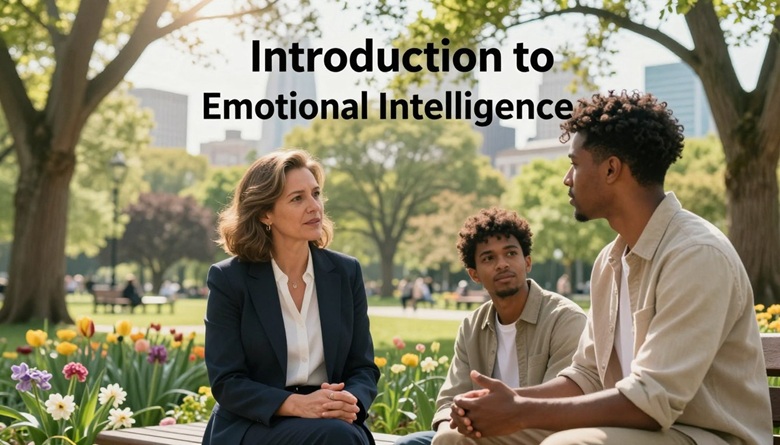
Introduction to Emotional Intelligence
Your emotional world directly influences every decision and interaction you have. Understanding this power is the first step toward greater personal mastery.
What Is Emotional Intelligence?
Often called EQ, emotional intelligence is your ability to recognize and understand your own feelings. It also involves sensing the emotions of other people.
This form of intelligence combines several core skills. These include self-awareness, emotional regulation, empathy, and social navigation.
It differs greatly from traditional, cognitive intelligence (IQ). While IQ helps you solve logic problems, EQ helps you solve human ones.
| Aspect | Emotional Intelligence (EQ) | Cognitive Intelligence (IQ) |
| Primary Focus | Understanding and managing emotions | Logical reasoning and problem-solving |
| Key Application | Relationships, self-management, leadership | Academic tasks, technical analysis |
| Development | Can be learned and improved at any age | Largely stable throughout adulthood |
"Emotional intelligence is the sine qua non of leadership. Without it, a person can have the best training in the world, but they still won't make a great leader."
Daniel Goleman
Why It Matters for Your Personal and Professional Life
High EQ lets you manage emotions during tense moments. You can pause before reacting, which prevents regrettable outbursts.
In your personal life, this skill builds deeper, more trusting relationships. It also supports better mental and physical health by reducing chronic stress.
At work, emotional intelligence skills improve teamwork and communication. They are crucial for effective leadership and can boost overall job performance.
The best news? These competencies are not fixed traits. With deliberate practice, anyone can strengthen their emotional intelligence.
Core Components of Emotional Intelligence
At its heart, emotional intelligence is built upon four interconnected pillars. These elements work together to shape how you perceive and navigate the world.
Understanding Self-Awareness, Self-Management, Empathy, and Social Skills
Self-awareness is the foundational skill. It's your ability to recognize your own emotions as they happen. You understand how these feelings influence your thoughts and actions.
Next, self-management involves controlling impulsive reactions. You learn to handle your emotions in healthy ways. This skill helps you adapt to change.
Social awareness is centered on empathy. It allows you to sense the emotions and needs of others. You pick up on subtle cues in daily experiences.
Finally, relationship management applies these insights through social skills. You communicate clearly, resolve conflicts, and build strong connections.
These four components reinforce each other. Mastering them requires ongoing practice. They form the essential framework for all emotional growth.
20 Habits to Improve Your Emotional Intelligence
The journey toward greater self-mastery starts with small, consistent actions. You can learn to navigate your inner world more effectively.
This guide offers a structured set of routines to help you explore and build your emotional intelligence. They are grouped into themes that align with the core skills you've already learned about.
Growth in this area is gradual. It demands regular practice and dedication over time, not overnight transformation.
Each step builds upon the last, creating a complete system for enhanced awareness and regulation. The activities range from private self-reflection to outward empathetic engagement.
Adopting even a handful of these practices can lead to real changes in how you experience and handle feelings. Be patient and kind to yourself throughout the process.
Developing these competencies is a lifelong endeavor. The sections ahead provide concrete strategies to target specific aspects of your growth.
Building Self-Awareness Through Daily Reflection
To truly know yourself, you must first learn to observe your internal world with curiosity and without judgment. This foundational practice turns fleeting emotions into valuable data about who you are.
Practice Mindful Observation and Emotional Check-ins
Busy schedules can make you lose touch with your feelings. Set a timer a few times during your day. When it chimes, pause and notice your current emotional state.
Pay attention to where that emotion lives in your body. Is there tension in your neck or a flutter in your stomach? This connects thoughts to physical awareness.
Also, notice how you act when certain feelings arise. This reveals patterns linking your inner state to your outward behavior.
"Mindfulness means paying attention in a particular way: on purpose, in the present moment, and non-judgmentally."
Jon Kabat-Zinn
Maintaining a Daily Journal to Track Feelings
A daily journal is a powerful way to track your emotional journey. Each night, briefly note what happened, how it made you feel, and how you responded.
Over time, this creates a clear example of your triggers and reactions. It highlights recurring themes you might otherwise miss.
| Tool | Primary Focus | Key Benefit |
| Emotional Check-in | Present-moment awareness of feelings & physical sensations | Creates immediate connection to your inner state |
| Daily Journal | Reviewing patterns over days and weeks | Provides long-term insight into behavioral trends |
Together, these habits train your mind to see yourself clearly. This clarity is the essential first step for any person seeking growth.
Mastering Self-Management and Stress Control
You can learn to pause and reset your emotional state before it dictates your actions. This skill creates a vital gap between a stressful event and your reaction.
It allows you to respond with intention instead of regret.
Techniques to Regulate Your Emotions Effectively
When you feel overwhelmed, your breath is the fastest way to regain balance. Deep, slow breathing signals your nervous system to calm down.
This simple effort helps you manage emotions in the moment. Calling a time out is another powerful tool.
Step away briefly. Splash cold water on your face or step outside. These actions create physical space to cool a heated emotion.
Simple Methods to Break Out of Unhealthy Routines
Sometimes, you need to jolt your system. The old saying "motion dictates emotion" holds true.
Changing your physical state can directly shift your emotions. Attend a quick exercise class or solve a puzzle.
Even reading an engaging book changes your sensory input. This breaks the automatic cycle of unproductive feelings.
Managing daily stress is the foundation. High stress clouds your judgment.
By controlling it, you protect your ability to make constructive decisions about your behavior. You choose your actions, they don't choose you.
Developing Empathy for Deeper Connections
True connection with others begins when you learn to see the world through their eyes. This skill, called empathy, allows you to understand and share the feelings of another person. It transforms casual interactions into meaningful relationships.
Listening Actively and Embracing Other Perspectives
Active listening is the core of empathy. It means giving your full attention to the words and emotions of others. You must pause your own thoughts and resist the urge to interrupt.
This creates a space where people feel truly heard. You absorb their situation before formulating your response.
Next, practice perspective-taking. Imagine yourself in that person's position. What are their challenges and hopes? This shift in perspective builds genuine understanding.
"Empathy is about finding echoes of another person in yourself."
Mohsin Hamid
Share your own similar experiences to create authentic bonds. This shows you relate to their emotional reality.
Also, challenge your own opinions. Seek out different viewpoints to break free from echo chambers. This openness enriches your communication and strengthens all your relationships.
Through these steps, you connect more deeply with the people around you. You build a bridge of mutual respect with others.
Enhancing Social Skills for Better Interactions
Effective social interactions are built on a foundation of clear communication and keen observation. These abilities allow you to build stronger relationships and navigate group dynamics with confidence.
Effective Communication Strategies to Connect with Others
Your communication extends far beyond the words you choose. Your tone of voice, posture, and eye contact convey your emotional state to others.
For example, using acknowledgment phrases like "I understand" shows you are actively listening. This makes the other person feel heard and valued.
Reading Nonverbal Cues and Using Body Language
Learn to pay attention to the subtle signals people send. These cues reveal what is truly important to them.
Attending a local networking event provides a safe space to practice. This is what effective social awareness looks like in action.
These social skills reduce stress and help you connect genuinely with others. They turn everyday interactions into opportunities for deeper relationships with the people in your life.
Motivational Strategies to Propel Your Growth
Motivation often wanes when you lack a clear destination in mind. Clear goals provide both long-term direction and short-term drive. They turn your core values into concrete actions for your life.
Setting Achievable Personal Goals
Start by identifying what truly matters to you. Base your goals on genuine strengths, not outside expectations. This makes them personally relevant and exciting.
Be realistic when defining your aims. Break big objectives into smaller, manageable steps. Each win builds confidence, creating a cycle where you can tackle bigger things.
Keep an optimistic mindset. See setbacks as learning chances, not failures. This positive thinking sustains your effort when the path gets hard.
Commit to lifelong learning. New knowledge keeps your mind curious and engaged. It fuels growth and helps you adapt over life.
Understand your core motivation—your deep "why." Keep this driver visible during tough times. It is the way to push yourself forward.
Developing this type of intelligence involves motivating yourself consciously. People with high intelligence stay connected to their deeper values, not just external rewards.
Practical Steps to Manage Your Emotions
Your ability to manage feelings directly impacts both your mental and physical wellbeing. The first step is taking full responsibility for your emotional responses. Your emotions come from within you, not from other people or situations.
Actionable Techniques to Cool Down During Stress
When stress builds, use simple techniques to create space for better decisions. Deep breathing is a powerful example. It calms your nervous system instantly.
Physical movement also helps. A short walk can reset your mood. These actions help you manage emotions before they escalate.
Exercises to Enhance Emotional Resilience
Celebrate positive moments regularly. This builds resilience and strengthens relationships. It is a key part of emotional intelligence.
Also, reflect on negative feelings. Understanding why you feel upset helps you handle future problems. This balance is crucial for growth.
Uncontrolled stress and emotions can lead to serious health issues. Managing them protects your physical health. Developing this type of intelligence means processing all emotions constructively.
Creating a Balanced Emotional Intelligence Routine
Building a consistent routine is the bridge between knowing about emotional intelligence and truly living it. Sustainable growth requires a structured approach that blends various habits into your daily life.
Integrating Daily Habits for Consistent Improvement
First, maintain a schedule and stick to it. Block out specific time for your development. This commitment makes procrastination harder and turns intention into action.
Balance is crucial. Mix self-awareness exercises, empathy building, and stress control techniques. This variety keeps your mind engaged and prevents burnout.
Improving emotional intelligence means moving from theory to real-world application. Consistent practice is the only way to turn conscious effort into automatic, intuitive responses.
Remember, this is a lifetime process. Your intelligence in this area requires ongoing refinement through different stages of life. It's about progress, not perfection.
Even ten minutes of dedicated focus each day builds powerful momentum. Persistent effort, not flawless execution, creates lasting change.
Common Pitfalls: Habits to Avoid for Emotional Growth
Certain everyday habits can silently sabotage your progress in understanding and managing your feelings. To cultivate high emotional intelligence, you must recognize and stop these patterns.
Recognizing Negative Patterns and Self-Critical Behaviors
Getting caught in unnecessary drama drains your energy. People with high emotional intelligence listen and support others, but they set firm boundaries. They don't let another person's emotions rule their own.
Chronic complaining is another trap. It makes you feel like a victim with no solutions. In contrast, emotionally intelligent people focus on actionable steps to solve problems.
They also manage negative thoughts. They see cynical thinking as just thoughts, not facts. This perspective helps them stay grounded when things get tough.
Dwelling on past mistakes holds you back. Those with high emotional intelligence learn from history but live in the present. They apply lessons without being stuck in regret.
Too much selfishness fractures relationships. Balance is key. Healthy self-care respects your needs without ignoring others.
Resisting peer pressure is a sign of strength. Make choices based on your own values and opinions, not to please people. Independent thinking is crucial.
Finally, avoid being overly critical. It destroys morale. Remember, all people have strengths and limitations. Self-compassion looks like acknowledging your own strengths and flaws without harsh judgment.
Conclusion
Investing in your emotional development yields dividends across every area of your life. Emotional intelligence is a learnable skill that empowers you to reach your full potential. By mastering this ability, you unlock the door to achieving your most important goals.
Improving this type of intelligence is one of the most valuable commitments you can make. It requires you to consistently pay attention to your own emotion and the feelings of others. This journey aligns with your core values and creates a cycle of continuous growth.
The practical ways outlined here help you build stronger relationships. You learn to communicate effectively and resolve conflicts with understanding. Applying this knowledge transforms everyday interactions and helps you build stronger relationships that last.
Start enhancing your emotional intelligence today. Pay attention to small changes in how you relate to others. This lifelong practice is the way to a more fulfilling and connected life.
0 Comments
Be the first to share your thoughts on this article.