

Real Estate
5 Reasons Some Millionaires Choose to Rent Instead of Buying

Households in the top 5% of net worth that rent: 3.7% (2022, record; Federal Reserve SCF). Households earning over $750,000 that rent: 10.5% (2018–2022) vs 8.4% in the prior five years (WSJ, IPUMS). NYC millionaire-income renter households: 5,661 in 2023 vs 2,204 in 2019 (RentCafe). Rent vs buy: renting cost less than buying in all 50 major metros (MarketWatch, Sept 2026); typical home about 37% more to buy than rent monthly (Bankrate, 2024). 30-year mortgage 7.40% (Oct 15, 2026); median home $417,500, +1.3% year over year (NAR). My model (median home, 20% down, 7.40%): owning about $3,175 a month vs rent of $2,400. Break-even home appreciation: about 5.2% a year (5 years), 4.6% (7 years), 4.2% (10 years). At 3% appreciation the renter is ahead by about $46,900 / $50,900 / $57,300.
The core fact is real. The Wall Street Journal analyzed census data and found that 10.5% of households earning more than $750,000 a year rented their homes between 2018 and 2022, the highest share since the mid-2000s. But the fine print matters just as much: nearly nine in ten of those households did not rent. So this post is about a growing minority, the reasons they give and what the rest of us can learn, without pretending that millionaires have abandoned homeownership.
Notice the scale. In New York, RentCafe also counted 26,767 millionaire-income homeowners in 2023, which means owners still outnumbered renters by roughly 4.7 to 1. Millionaire renting is growing quickly from a small base, concentrated in expensive cities where the buy-versus-rent gap is widest. Top-5% net-worth households that rent: 3.7% (2022, SCF). Households earning over $750,000 that rent: 10.5% (2018–2022), up from 8.4%. NYC millionaire-income renters: 5,661 (2023) vs 2,204 (2019), versus 26,767 millionaire-income owners.
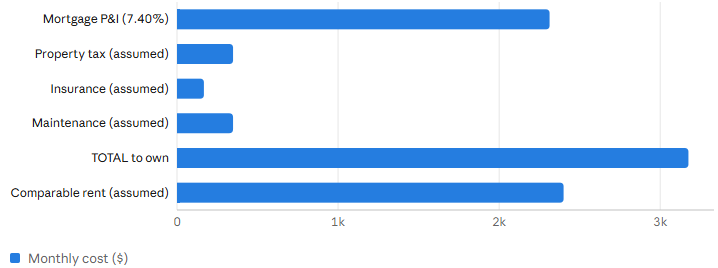
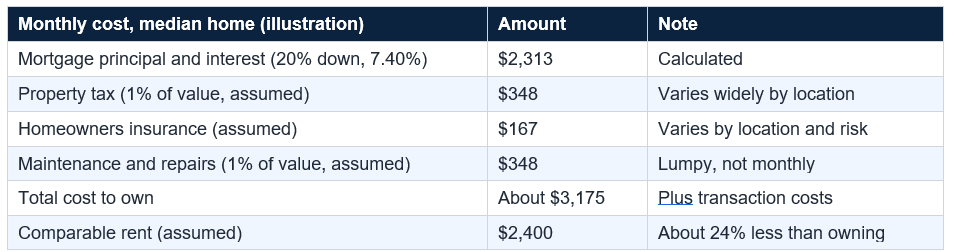
Today’s mortgage rates widen the gap. The 30-year rate was 7.40% on October 15, and NAR put the median home price at $417,500. With 20% down, principal and interest alone come to about $2,313 a month. Add property tax, insurance and maintenance and my illustration (assumptions below) puts the total near $3,175 a month, against $2,400 to rent a comparable home. Wealthy households can afford either. They notice that one costs about $775 a month less.
Wealthy investors are used to thinking this way: if their portfolios earn more than the home would appreciate, renting and investing the difference is rational. That is a big "if." NAR’s September data showed prices up just 1.3% from a year earlier, though homes are leveraged, so appreciation applies to the whole price while only a fraction was paid in cash. Investment returns vary, and no one earns a constant rate.
Mobility also helps in expensive cities. In San Francisco, RentCafe found that 36% of households earning over $150,000 rented in 2020, up from 19% in 2015. If you may live in three cities over a decade, buying in each could mean paying transaction costs repeatedly. Many planners say buying tends to pay off only if you stay five to seven years or more, a commitment some people do not want to make.
Renting converts those unpredictable costs into one predictable number. For someone who values time as much as money, handing maintenance to a landlord is itself a reason. The trade-off is less control: landlords can raise rent or decline to renew.
There is also a quality problem. Florida Realtors reported that some millionaire renters say high-quality, reasonably priced homes are hard to find. NAR showed 4.8 months of supply in September, better than last year, but the median price has still risen for 39 straight months. Patience can be rational, but waiting is also a bet, and prices or rates could move against you.
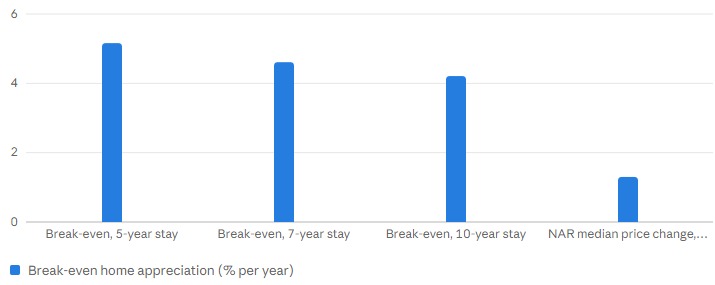
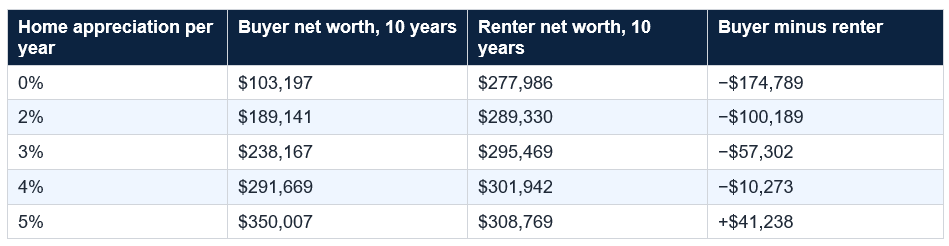
The result depends heavily on appreciation. At 3% a year, the renter comes out ahead by about $46,900 after five years, $50,900 after seven and $57,300 after ten. The break-even appreciation rate is about 5.2% a year at five years, 4.6% at seven and 4.2% at ten, against NAR’s latest annual gain of 1.3%. Buying wins only if the home does much better than it has recently.
Keep in mind: This is an illustration. It assumes a constant 7% return for the renter, which real markets do not deliver, and it ignores mortgage-interest tax benefits, taxes on investment gains, rent spikes and the emotional value of owning. Change the assumptions and the answer can flip.
Renting also carries risks the model glosses over. Rent can rise faster than 3% in tight markets, and landlords can sell or decline to renew. And the strategy only works if you actually invest the savings: DALBAR research, cited by MyETFJourney, found that over 30 years the average equity investor earned about 6.8% a year versus 10.2% for the S&P 500, largely because of behavior. A renter who spends the difference ends up with neither a house nor a portfolio.
But most wealthy households still buy, and my model shows the outcome depends heavily on appreciation, how long you stay and whether you invest the difference. Use the millionaire logic as a framework, not a template: run your own numbers, be honest about your habits and decide based on your timeline. A qualified professional can help you apply it.
Some do, but they are a minority. Federal Reserve data show that 3.7% of households in the top 5% of net worth rented in 2022, a record high. Analysis of census data by The Wall Street Journal found that 10.5% of households earning more than $750,000 rented between 2018 and 2022, up from 8.4% in the prior five-year period. Most wealthy households still own their homes.
Is renting cheaper than buying in 2026?
Usually month to month. MarketWatch data reported in September 2026 found renting cost less than buying in all 50 major US metro areas, and Bankrate found in 2024 that a typical home cost nearly 37 percent more to buy than to rent monthly. In my illustration, owning the median home costs about $3,175 a month versus $2,400 for rent. Your local numbers may differ.
Is renting throwing money away?
Not necessarily. Rent buys housing, just as mortgage interest, property taxes, insurance and maintenance do for owners. What owners also get is equity, which can grow or shrink. In my model, a renter who invested the difference at a constant 7% came out ahead unless the home appreciated about 4% to 5% a year or more, but real returns vary.
When does buying make more sense than renting?
When you expect to stay long enough to recover the costs of buying, usually at least five to seven years, when prices are rising faster than the break-even rate, when you can afford the full cost with a cushion and when you value stability and control. Local rent-to-price ratios and mortgage rates matter a great deal.
Can I copy what millionaires do?
Only partly. Their reasons, such as flexibility, liquidity and diversification, apply to anyone, but their situations differ: they can absorb risk and often have large portfolios. Renting only works financially if you actually invest the savings. Investor-behavior research suggests many people do not, so honesty about your habits matters.
Reasons 1 and 4: owning vs. renting the median home, per month ($, illustration)
$ per month by Median home $417,500, 20% down; taxes, insurance, maintenance and rent are assumptions
Reason 2: how fast must a home appreciate for buying to beat renting? (%/yr)
Annual home price growth (%) by Author's model (7% renter return, 7.40% mortgage) vs. NAR September 2026
Table of Contents
- The Headline and the Fine Print
- The Short Answer
- Who Counts as a Millionaire Renter?
- Reason 1: The Monthly Math Often Favors Renting
- Reason 2: Cash Stays Invested and Liquid
- Reason 3: Flexibility and Mobility
- Reason 4: Dodging Hidden Costs and Hassle
- Reason 5: Rates, Prices and Waiting for the Right Home
- The Model: Rent vs Buy at 7.40%
- The Reality Check: Most Wealthy Households Still Buy
- Should You Copy Them?
- How to Rent Well
- Conclusion
- Frequently Asked Questions
The Headline and the Fine Print
Every few years, a story pops up that seems to flip the American dream upside down: people with seven-figure incomes are choosing to rent. The headlines are catchy. The reality is more interesting, and more useful if you are deciding how to live yourself.The core fact is real. The Wall Street Journal analyzed census data and found that 10.5% of households earning more than $750,000 a year rented their homes between 2018 and 2022, the highest share since the mid-2000s. But the fine print matters just as much: nearly nine in ten of those households did not rent. So this post is about a growing minority, the reasons they give and what the rest of us can learn, without pretending that millionaires have abandoned homeownership.
The Short Answer
Some millionaires rent because the math, the flexibility and the opportunity cost sometimes favor it. Five reasons stand out: the monthly cost of renting is often lower, cash stays invested and liquid instead of locked in a house, renting offers mobility, it avoids the hidden costs and hassle of ownership and today’s mortgage rates make waiting attractive. In my own illustration at 7.40%, buying the median home only beats renting if prices rise about 4% to 5% a year, far above the 1.3% annual gain NAR reported for September.Who Counts as a Millionaire Renter?
Definitions vary, so be careful with the headlines. The Federal Reserve’s Survey of Consumer Finances measures net worth, and found that 3.7% of households in the top 5% by net worth rented in 2022, a record going back to the 1990s. The Wall Street Journal used income above $750,000. RentCafe defines millionaire households as those earning $1 million or more a year, and found 5,661 such renter households in New York City in 2023, up from 2,204 in 2019, with San Francisco second at 1,411, up from 321.Notice the scale. In New York, RentCafe also counted 26,767 millionaire-income homeowners in 2023, which means owners still outnumbered renters by roughly 4.7 to 1. Millionaire renting is growing quickly from a small base, concentrated in expensive cities where the buy-versus-rent gap is widest. Top-5% net-worth households that rent: 3.7% (2022, SCF). Households earning over $750,000 that rent: 10.5% (2018–2022), up from 8.4%. NYC millionaire-income renters: 5,661 (2023) vs 2,204 (2019), versus 26,767 millionaire-income owners.
Reason 1: The Monthly Math Often Favors Renting
The first reason is simple arithmetic. MarketWatch data reported in September 2026 found that renting cost less than buying in all 50 major metro areas, and Bankrate found in 2024 that the typical home cost nearly 37 percent more to buy than to rent each month. InvestWithRoots puts the gap at $500 to $1,500 a month in most major markets.Today’s mortgage rates widen the gap. The 30-year rate was 7.40% on October 15, and NAR put the median home price at $417,500. With 20% down, principal and interest alone come to about $2,313 a month. Add property tax, insurance and maintenance and my illustration (assumptions below) puts the total near $3,175 a month, against $2,400 to rent a comparable home. Wealthy households can afford either. They notice that one costs about $775 a month less.
Reason 2: Cash Stays Invested and Liquid
The second reason is opportunity cost. A down payment and closing costs on the median home come to about $96,000, by my estimate at 20% down plus 3% closing costs. A renter keeps that money in diversified investments that can be sold when needed, instead of in a house, which is hard to access. The S&P 500 has averaged about 10.26% a year since 1928, according to Gitnux, though with brutal years, and a 52-week Treasury bill paid about 4.46% in October. A house is also a concentrated, illiquid asset tied to one neighborhood.Wealthy investors are used to thinking this way: if their portfolios earn more than the home would appreciate, renting and investing the difference is rational. That is a big "if." NAR’s September data showed prices up just 1.3% from a year earlier, though homes are leveraged, so appreciation applies to the whole price while only a fraction was paid in cash. Investment returns vary, and no one earns a constant rate.
Reason 3: Flexibility and Mobility
The third reason is freedom. Renting lets you move without selling, which usually costs agent commissions and closing expenses on top of any market risk. For high earners whose careers, families or plans can change quickly, that flexibility has value. The Wall Street Journal profiled one wealthy renter who chose a Manhattan high-rise for $19,000 a month rather than buying, and Florida Realtors noted that some millionaires prefer the convenience of renting where someone else handles maintenance.Mobility also helps in expensive cities. In San Francisco, RentCafe found that 36% of households earning over $150,000 rented in 2020, up from 19% in 2015. If you may live in three cities over a decade, buying in each could mean paying transaction costs repeatedly. Many planners say buying tends to pay off only if you stay five to seven years or more, a commitment some people do not want to make.
Reason 4: Dodging Hidden Costs and Hassle
The fourth reason is everything beyond the mortgage. The Real Deal noted that rising property taxes and insurance premiums are scaring away some prospective buyers, and maintenance is a perpetual cost. In my illustration, on the $417,500 median home I assumed property tax of 1% a year (about $348 a month), insurance of $2,000 a year (about $167) and maintenance of 1% a year (about $348), roughly $863 a month on top of the $2,313 mortgage payment. Those are assumptions, not statistics.Renting converts those unpredictable costs into one predictable number. For someone who values time as much as money, handing maintenance to a landlord is itself a reason. The trade-off is less control: landlords can raise rent or decline to renew.
Reason 5: Rates, Prices and Waiting for the Right Home
The fifth reason is timing. Mortgage rates rose from around 3% to over 7%, as RentCafe analyst Adina Dragos noted, and even wealthy buyers face much higher borrowing costs. At 7.40% on October 15, up from 6.36% in May, a buyer is locking in an expensive loan for decades. Waiting while renting is a way of keeping the option open. If rates fall, the buyer can purchase later, and if prices fall, even better.There is also a quality problem. Florida Realtors reported that some millionaire renters say high-quality, reasonably priced homes are hard to find. NAR showed 4.8 months of supply in September, better than last year, but the median price has still risen for 39 straight months. Patience can be rational, but waiting is also a bet, and prices or rates could move against you.
The Model: Rent vs Buy at 7.40%
To see how these reasons add up, I built a simple model. The buyer purchases the $417,500 median home with 20% down and 3% closing costs at 7.40%, pays property tax of 1% of value, insurance of $2,000 growing 3% a year and maintenance of 1% of value, and sells at the end paying 6% in selling costs. The renter pays $2,400 a month, rising 3% a year, and invests the down payment, closing costs and every dollar saved each month at a constant 7%. I compare each side’s net worth at the end.The result depends heavily on appreciation. At 3% a year, the renter comes out ahead by about $46,900 after five years, $50,900 after seven and $57,300 after ten. The break-even appreciation rate is about 5.2% a year at five years, 4.6% at seven and 4.2% at ten, against NAR’s latest annual gain of 1.3%. Buying wins only if the home does much better than it has recently.
Keep in mind: This is an illustration. It assumes a constant 7% return for the renter, which real markets do not deliver, and it ignores mortgage-interest tax benefits, taxes on investment gains, rent spikes and the emotional value of owning. Change the assumptions and the answer can flip.
The Reality Check: Most Wealthy Households Still Buy
It is worth repeating: most wealthy people still own. Bankrate’s senior analyst Mark Hamrick told Fox News Digital that for people with real wealth, most will choose to buy, because they do not face the affordability challenges that others do. About 96% of top-5% net-worth households did not rent in 2022. Ownership gives you stability, control, a hedge against rising rents, a forced way to build equity and, for many, a place that is truly yours.Renting also carries risks the model glosses over. Rent can rise faster than 3% in tight markets, and landlords can sell or decline to renew. And the strategy only works if you actually invest the savings: DALBAR research, cited by MyETFJourney, found that over 30 years the average equity investor earned about 6.8% a year versus 10.2% for the S&P 500, largely because of behavior. A renter who spends the difference ends up with neither a house nor a portfolio.
Should You Copy Them?
Borrow the reasoning, not the headline. Ask five questions. How long will I stay? If it is under five years, renting often wins. What is my local price-to-rent gap? Do I have a cushion after buying, including for repairs? Will I really invest the difference, automatically? And what do I value in stability and control? The median household earned $87,460 in 2025, so a $2,313 principal-and-interest payment takes about 32% of pre-tax income. For many families, renting while saving aggressively is a sound path to a later purchase.How to Rent Well
If you choose to rent, do it deliberately. Automate a monthly transfer into a diversified low-cost fund equal to the difference between owning and renting costs. Keep an emergency fund of three to six months. Negotiate your lease and look for multi-year terms. Carry renter’s insurance, build credit so you can buy when you decide to and review the decision every year.Conclusion
Some millionaires rent, and not because they are confused or cannot afford a home. For them, the monthly cost is often lower, their cash stays invested and liquid, their lives stay flexible, they avoid the hidden costs of ownership and today’s 7.40% rates make waiting reasonable. The numbers behind the trend are real: 10.5% of households earning over $750,000 rent, and 3.7% of top-5% net-worth households do.But most wealthy households still buy, and my model shows the outcome depends heavily on appreciation, how long you stay and whether you invest the difference. Use the millionaire logic as a framework, not a template: run your own numbers, be honest about your habits and decide based on your timeline. A qualified professional can help you apply it.
Frequently Asked Questions
Do millionaires really rent instead of buying?Some do, but they are a minority. Federal Reserve data show that 3.7% of households in the top 5% of net worth rented in 2022, a record high. Analysis of census data by The Wall Street Journal found that 10.5% of households earning more than $750,000 rented between 2018 and 2022, up from 8.4% in the prior five-year period. Most wealthy households still own their homes.
Is renting cheaper than buying in 2026?
Usually month to month. MarketWatch data reported in September 2026 found renting cost less than buying in all 50 major US metro areas, and Bankrate found in 2024 that a typical home cost nearly 37 percent more to buy than to rent monthly. In my illustration, owning the median home costs about $3,175 a month versus $2,400 for rent. Your local numbers may differ.
Is renting throwing money away?
Not necessarily. Rent buys housing, just as mortgage interest, property taxes, insurance and maintenance do for owners. What owners also get is equity, which can grow or shrink. In my model, a renter who invested the difference at a constant 7% came out ahead unless the home appreciated about 4% to 5% a year or more, but real returns vary.
When does buying make more sense than renting?
When you expect to stay long enough to recover the costs of buying, usually at least five to seven years, when prices are rising faster than the break-even rate, when you can afford the full cost with a cushion and when you value stability and control. Local rent-to-price ratios and mortgage rates matter a great deal.
Can I copy what millionaires do?
Only partly. Their reasons, such as flexibility, liquidity and diversification, apply to anyone, but their situations differ: they can absorb risk and often have large portfolios. Renting only works financially if you actually invest the savings. Investor-behavior research suggests many people do not, so honesty about your habits matters.
0 Comments
Be the first to share your thoughts on this article.