

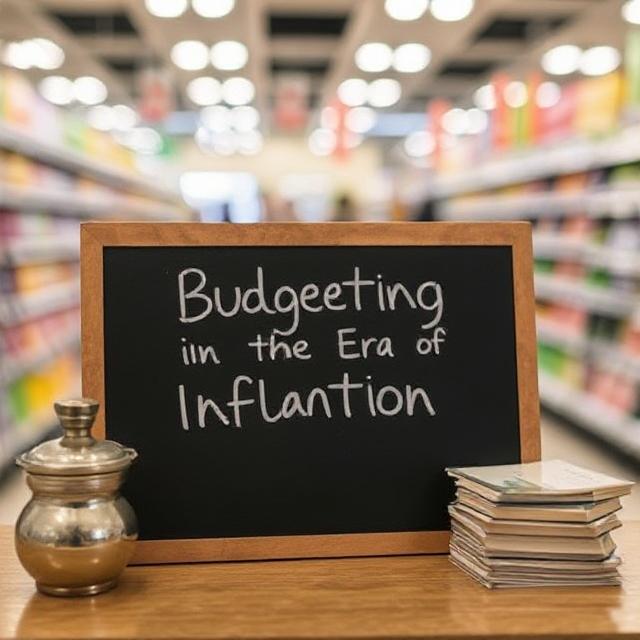
Budgeting in the Era of Inflation: Smart Spending When Prices Are Rising
Inflation is putting real pressure on your monthly plan. Everyday goods cost more, and that can make you feel off balance fast.
Start by tracking where your money goes. Assign each dollar a job, focus on essentials like housing, food, utilities, and transport, and trim what you do not use.
Groceries, gas, and utilities often jump first. Plan meals around sales, buy generics, combine trips, and use apps to compare prices and earn rewards.
If cash flow strains, pay at least minimums to avoid deeper debt. Consider balance transfers or refinance only when fees and new rates clearly help.
Small, steady moves matter: automate an emergency fund, route windfalls to savings, cut unused subscriptions, and review insurance quotes yearly. Simple energy tweaks at home also lower bills.
Moody’s Analytics estimated a typical U.S. household needed about $493 more per month in mid-2024 to buy the same basket. That fact shows why frequent reviews and a clear, flexible roadmap help you stay in control.
Key Takeaways
- Treat inflation as immediate pressure and build a flexible plan.
- Assign every dollar a job and prioritize essentials first.
- Target volatile categories—groceries, fuel, utilities—with simple actions.
- Protect cash flow: pay minimums, then pursue rate cuts if cost-effective.
- Automate savings, trim subscriptions, and shop insurance annually.
- Small, consistent steps beat drastic short-lived cuts.
What inflation means for your money right now
Inflation shrinks what your paycheck buys each month. It measures how fast general prices rise and how that reduces your purchasing power over time.
The Consumer Price Index (CPI) tracks a wide set of items people buy. That lets you turn headlines into clear effects on groceries, fuel, rent, and other everyday costs.
Many households felt sharp increases recently. National data showed rent and some essentials climbed as much as 17% year over year. Moody’s Analytics estimated an extra $493 per month was needed to buy the same goods services in mid-2024.
Higher cost growth can push variable interest rates up. That raises minimums on credit and changes how fast debt grows if you carry balances.
Focus where change happens fastest:
| Category | Typical change | What to watch |
| Groceries | Moderate–high | Unit prices, store-brand swaps |
| Fuel & transport | Volatile | Trip frequency, rewards |
| Housing | Slow–sharp | Rent renewal dates, local market |
- Inflation affects people unevenly; your numbers matter most.
- Review your plan more often while costs move fast.
Build a resilient plan: understand inflation and map your budget
Build a simple roadmap that links price trends to your monthly cash plan. Start with one clear goal: turn broad price signals into local actions you can follow each month.
How the CPI tracks price changes in goods and services
The Consumer Price Index measures price moves for a representative basket of goods services bought by urban consumers. Watching CPI trends helps you anticipate which costs may climb and when to act.
Follow every dollar with a zero-based approach
A zero-based budget assigns each dollar of your income a purpose so nothing drifts unspent or untracked. List fixed costs, savings goals, and one flexible bucket for small wins.
Monitor volatile categories like groceries, gas, and utilities
Track these categories weekly and set simple thresholds that trigger adjustments. When grocery or gas totals exceed a threshold, change your plan for that month.
- Monthly review: compare expected versus actual expenses.
- Quick dashboard: income, fixed costs, and variable categories at a glance.
- Rate-aware: note when providers may raise rates and prepare alternatives.
| Category | What to track | Quick trigger |
| Groceries | Unit prices, frequency of shopping | 5% over threshold — switch brands or meal plan |
| Gas | Price per gallon, trip count | 3% over threshold — combine trips or carpool |
| Utilities | Monthly usage, seasonal trends | 8% over threshold — cut discretionary use or audit plans |
Prioritize essentials and cut rising costs without adding stress
Focus your money where it matters most: shelter, food, utilities, and transport. That approach keeps your core needs covered and gives you room to adjust other spending without panic.
Needs vs. wants: housing, food, utilities, and transportation
Separate must-haves from extras each pay period. Cover rent or mortgage, groceries, necessary utility bills, and commuting costs first.
This simple rule prevents high-impact surprises and reduces ongoing stress. Review payments monthly and shift discretionary dollars only after essentials are safe.
Trim subscriptions and downgrade services you don’t use
Audit recurring expenses line by line. Use a subscription tracker to reveal forgotten charges, then cancel, pause, or move to annual plans if it helps you save money.
- Compare cell and streaming plans and downgrade what you rarely use.
- Shop insurance each year to avoid overpaying for services that no longer fit.
- Use a short home checklist—seal drafts, set thermostat schedules, and swap to efficient bulbs—to lower utility costs.
Manage debt strategically as interest rates rise
When lender charges climb, your debt plan must shift to protect cash flow. Keep on-time minimum payments first to avoid late fees and credit harm. That stabilizes your month while you adjust other moves.
Variable interest on revolving accounts can climb quickly. Watch how rising interest rates change the cost of carrying balances on credit cards and other credit lines. If costs jump, rethink extra payments and preserve emergency cash.
Credit cards and variable interest rates: protect your monthly payments
Pay at least the minimums on all accounts. Missing a payment triggers fees and can raise future rates. If needed, pause extra paydowns temporarily to keep essentials funded.
Choose a payoff plan: avalanche, snowball, or a debt management plan
Pick a clear method. Avalanche targets the highest interest first for maximum savings. Snowball targets small balances to build momentum. Or, consider a nonprofit debt management program to consolidate and often secure lower rates and fewer fees.
Reduce rates with balance transfers or refinancing when possible
Balance transfers and loan refis can lower your rate, but run the numbers. Include transfer fees, promo periods, and how fast you can pay it off. Contact lenders to ask about hardship options or temporary rate relief, and get terms in writing before you commit.
| Action | When to use | Key caution |
| Protect minimum payments | Always, during shortfalls | Avoid missed payments; preserve credit |
| Avalanche payoff | When you want max interest savings | Requires discipline; slower wins |
| Snowball payoff | When motivation matters most | May cost more interest overall |
| Balance transfer / refinance | When you qualify for lower rate | Check fees, promo length, total cost |
- Stabilize your month by protecting on-time payments while you refine the plan.
- Review rising rates and avoid new high-rate debt until balances fall.
- Document lender offers and compare real savings before switching.
Shop smarter to fight rising prices on everyday goods
A few smart habits at the store and pump deliver steady savings each month. Focus on simple routines that reduce waste and boost value every trip.
Groceries: plan meals, buy in bulk, and switch to store brands
Build weekly meal plans from sale flyers and store apps so your cart matches current deals. Buy non-perishables in bulk when unit costs fall and you have space to store them.
Switch to store brands for staples and stack digital coupons, loyalty rewards, and cash-back card offers to shave dollars off each run.
Gas and transportation: combine trips, carpool, and use rewards
Batch errands into one loop to cut fuel use. Coordinate carpools for work or activities and sign up for station rewards programs.
Check gas-price apps before you fill up so you pick lower-cost stations nearby and avoid overpaying at the pump.
| Action | Why it helps | Quick tip |
| Meal plan from flyers/apps | Matches your cart to the best prices | Plan 7 meals per week |
| Buy shelf-stable goods in bulk | Lower unit cost for staples | Compare unit price before buying |
| Stack coupons & card rewards | Combine discounts to save money | Use one rewards card per store |
| Batch errands & use gas apps | Reduce trips and fuel spend | Check prices before leaving home |
- Track grocery and gas spending each month to spot trends and adjust menus or routes.
- Prioritize durable goods that repair well to cut replacement frequency.
Protect your savings and stretch your dollar at home
Protecting your cash reserves helps you handle surprises without derailing monthly plans. Keep your emergency fund intact and automate small, steady contributions—even a few dollars a week adds up.
Place cash where it earns something. Use an interest-bearing account or short-term high-yield option so your savings fight erosion. Direct bonuses, tax refunds, or gifts straight into that account to grow your safety net without cutting essentials.
Keep your emergency fund intact and automate small, steady contributions
Set automatic transfers each pay period so deposits continue across tight months. Treat this as non-negotiable savings tied to clear goals you can track.
Review insurance and cut energy costs to lower monthly bills
Shop competing quotes each year and remove outdated services to secure a better rate for similar protection.
Complete quick home fixes—seal drafts, service HVAC, and optimize thermostat settings. These steps can trim utility costs by about 5–10% per month, per Department of Energy guidance.
Delay big-ticket purchases until prices normalize
Postpone discretionary large buys while supply and demand push prices up. Waiting often yields better deals and avoids paying elevated rates during short-term spikes.
- Protect savings for true surprises and automate transfers.
- Ensure savings earn interest in the right account.
- Direct windfalls into savings to strengthen your cushion.
- Review insurance and trim unnecessary services annually.
- Fix small home leaks and tune systems to lower energy costs.
- Wait on big purchases until supply and prices stabilize.
Budgeting in the Era of Inflation: Smart Spending When Prices Are Rising
Make one easy plan that captures all income, expenses, and savings targets. That single sheet becomes your month-to-month guide so you stop reacting to price swings and start choosing where dollars go.
Create a simple spending plan you can stick to month after month
List every inflow and outflow, then assign each dollar a job. Include savings goals and a small buffer for surprises.
Schedule a quick review each pay period so figures stay current without taking much time. This keeps your budget realistic and usable.
Increase income: negotiate a raise, add side gigs, or monetize a hobby
Prepare a short, value-focused case for a raise that highlights results and market pay data. Practice the conversation to improve your odds.
Explore part-time gigs or turn a hobby into steady extra income. Set clear targets and timelines so added work actually helps your plan.
Think in long-term averages and stay consistent with your goals
Anchor decisions in multi-month averages so short spikes don’t trigger drastic moves. Focus on big levers: pay down debt and cut recurring waste.
- You will build a repeatable plan that covers every inflow and outflow.
- You will review numbers frequently to keep the plan accurate.
- You will use extra income strategically to boost savings or reduce high-rate debt.
Conclusion
Wrap up with a clear plan that turns small moves into lasting financial room. Use a short checklist you can follow each month so a steady approach keeps your budget workable during inflation.
Protect essentials first, cut recurring waste, and automate savings. Track groceries and gas closely and adjust when prices shift.
Manage debt deliberately: protect on-time payments, choose a payoff method, and seek lower rates only when the numbers add up. Boost income when you can to create breathing room.
Measure progress by lower expenses, healthier balances, and less stress. Stay consistent and your money will stretch farther until rates and prices ease.

0 Comments Comments