
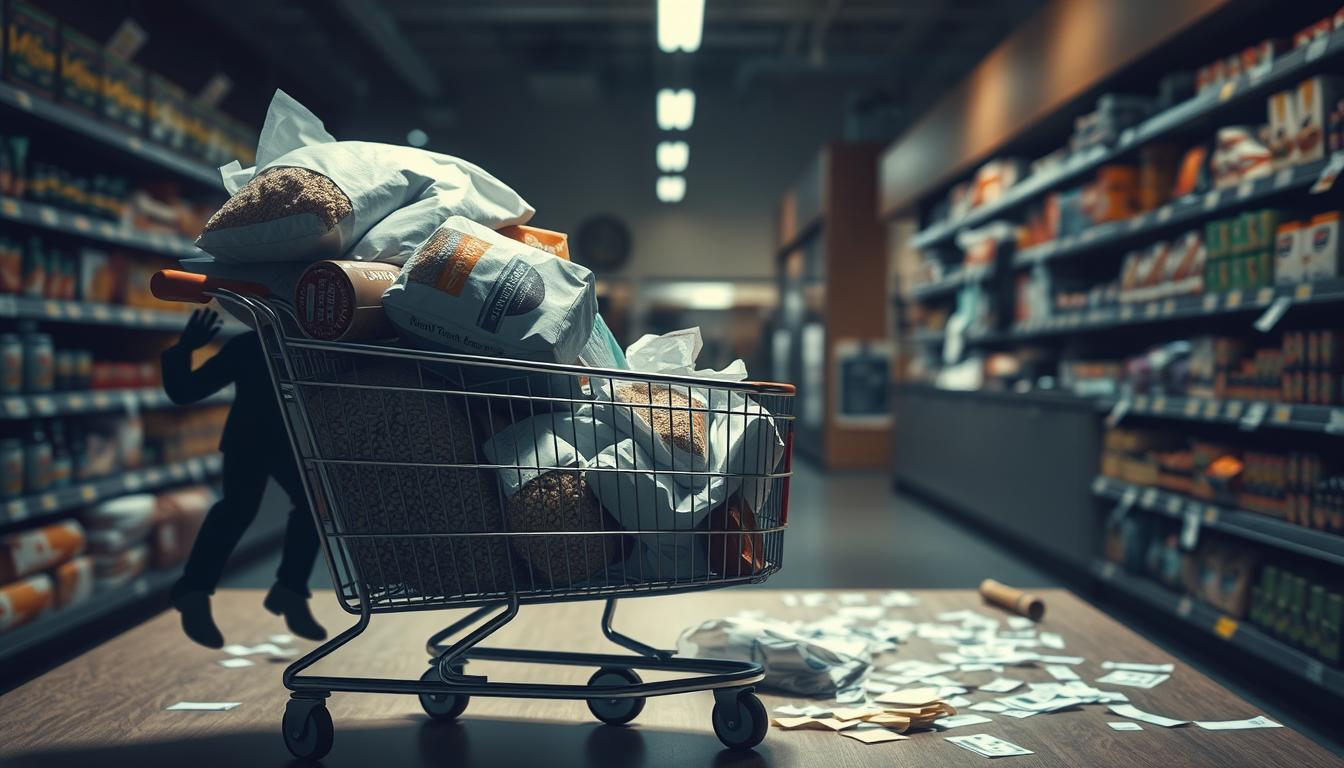
Buying in Bulk and Half Is Wasted: Is It Worth It?
You can get real unit savings at warehouse clubs, but those numbers only matter if you use what you bring home. Many shoppers find that hidden costs — expiration, storage limits, and variety fatigue — turn a good deal into wasted spending. This section sets the stage: bulk means warehouse clubs, club packs, mega sizes, and multi-packs. You shop larger because prices feel better during high-price periods. Yet buying a lot at once can leave your shelves full and your fridge with expired food. You’ll learn practical habits to keep those unit-cost wins. This article will break down common traps, hidden expenses, and quick checklists. Use simple “don’t buy in bulk” examples and decision prompts to avoid cluttering your home and needlessly replacing items.
Key Takeaways
- Bulk can lower unit cost, but only if you actually use the items.
- Hidden costs like spoilage and storage can erase paper savings.
- Quick checklists help you decide before you add things to your cart.
- Learn common traps and simple habits that protect your money.
- For practical tips and environmental benefits of bulk, see this bulk benefits guide.
Why buying bulk can save money and why it often doesn’t at home
A big package can look like a bargain, but math and habits decide if it truly saves you money. Start by comparing unit pricing — price per ounce or pound — to see the real cost of a product.
Unit cost wins are real: a 2.6 lb container of oatmeal for $4.49 versus a 10 lb bag for $7.99 shows how bulk might lower the price per pound. That drop only becomes a genuine savings if you finish the food before it goes stale.
How behavior changes the math
If you travel, have picky eaters, or try new diets, unused portions pile up and the effective cost per serving rises. That’s the danger: a paper deal can become wasted cash.
The time trade
Buying larger packs means fewer trips to the store, but it also adds tasks: portioning, labeling, sealing, and rotating stock. That prep time pays off only when your household consistently consumes the items.
- Use unit pricing to spot true cost advantages.
- Match bulk buys to steady staples you already eat.
- Avoid experimental purchases in larger sizes — bulk might not suit one-off picks.
For more research on how bulk choices affect your budget, see this bulk buying study. Your best strategy blends simple math with realistic habits to protect both space and savings.
The hidden costs that quietly erase bulk savings
Hidden fees and impulse displays quietly eat into the savings you think you scored at the checkout. Warehouse membership fees and clever store layouts layer extra cost that rarely shows on the price tag.
Membership math: fees typically run from about $45 to $120 per year. To break even, estimate your annual savings per visit and multiply by how many visits youplan for a year. If the math doesn't add up, the fee will eat your net money.
Upfront cash hit
Buying months of staples at once shifts future spending into one checkout. That can strain your cash and raise interest if you carry a balance.
Expiration and invisible waste
Longer shelf life doesn't prevent pantry staleness, fridge spoilage, or freezer burn. Price-per-pound wins disappear when food turns into trash you must throw away.
Overbuying traps
Endcaps, giant displays, and time-limited tags push you toward more items than you need. If you wouldn't buy it at the regular price, buying bulk likely creates waste and budget creep.
| Membership Tier | Typical Fee | Annual Break-even Spend | When It Works |
| Basic | $45 | $200–$300 saved/year | Small families who buy staples monthly |
| Plus | $75 | $350–$500 saved/year | Large households or frequent shoppers |
| Premium | $120 | $600+ saved/year | Shared memberships or small businesses |
Quick rule: treat bulk as an investment. Plan storage, track use over months, and only buy extra when the numbers and your routine both line up. That way your bulk wins stay real.
Buying in Bulk when Half is Thrown Away: the waste-proof checklist before you buy
Before you toss a giant pack into your cart, run a quick plan check that stops waste before it starts. These steps take less than a minute and protect your pantry, freezer, and wallet.
Storage and tools
Do you have room? Check pantry shelf space and freezer capacity. Think about airtight jars, freezer bags, or a vacuum sealer.
Finish-by thinking
Estimate how long the item lasts for your household. Compare that to shelf life, rancidity risk, or freezer-burn time.
Brand fatigue and overuse
Ask if your family will tire of one flavor or brand. Also consider whether having a lot will make you use more each day and erode savings.
- Quick aisle checklist: space noted, storage tool ready, finish date set, variety planned.
- If you can’t name where it goes and when you’ll eat or use it, skip it.
| Check | Question | Action |
| Space | Pantry or freezer room available? | Measure shelf or freezer shelves; decline if tight. |
| Tools | Do you have containers or sealers? | Buy small container pack or skip the bulk item. |
| Finish-by | Will it be used before quality drops? | Portion and freeze or pass on purchase. |
| Variety | Will the brand or flavor last? | Mix brands or buy smaller packs to avoid fatigue. |
For more practical tips to stop wasting food, see tips to stop wasting food.
Bulk-buying habits that backfire (even when the deal looks great)
A great per-unit price can hide a poor short-term return if your cash sits tied up on products you rarely use. That trap turns a clear savings into a hidden cost.
Good product, bad investment: when tying up cash costs you more
Gel pens show this plainly: a 10-pack may cost about $1 each, while a 100-pack drops the per-unit price to roughly $0.50. Yet the larger pack locks your money and may never be used before ink dries.
“Might use” purchases that become clutter, not savings
People often grab a case of a new cereal expecting to like it. Months later, the box sits half-used while breakfast becomes a drag. That sunk-cost pressure makes you force meals you don’t enjoy.
Buying cheap stuff just because it’s cheap: the big-box store mindset
Endcap $1 sections and clearance end up filling carts with things you don’t need. Cheap impulse buys inflate spending, not savings, and create clutter that costs time and space to manage.
"A low unit price does not pay the bills for you."
- Pause before checkout: ask if this frees up or ties down money you need.
- Set a list: stick to essentials and avoid novelty packs.
- Limit novelty buys: buy a small sample before committing to larger packs.
| Trap | Example | Fix |
| Cash tie-up | 100-pack pens | Buy a 10-pack trial |
| Might-use clutter | Case of niche cereal | Buy one box first |
| Cheap impulse | $1 novelty items | Limit to one impulse per trip |
Use these small behavior fixes and you’ll protect both your savings and your money. Treat bulk as a tool, not an automatic rule, and you’ll find a smarter way to shop.
Items that don’t make sense to buy in bulk (high risk of waste)
Not every great sticker price makes sense for your household; some items just end up as wasted food and cash.
Fresh and fast‑spoiling goods—milk, fresh produce, bread and bakery items, and flavored yogurt packs—spoil quickly. If your week gets busy, these items often go bad before you finish them.
Condiments, sauces, and opened‑life risks
Ketchup, salad dressings, and specialty sauces often start their countdown after opening. That leads to half‑used bottles that clog your fridge and add to waste.
Coffee and quality drops
Coffee beans lose peak flavor within weeks. Keep about two weeks’ worth on hand. Even if bulk might look cheaper, stale coffee negates the value.
Snacks, convenience items, and pantry gotchas
Pre‑packaged snacks, instant noodles, and flavored drinks can spur overeating and take up space. Breakfast cereals go stale and nuts or seeds can turn rancid after opening.
| High‑risk group | Why it wastes | Quick fix |
| Fresh bakery | Short shelf life | Buy smaller packs or freeze |
| Meat | Needs freezer space and portioning | Only if you can seal and freeze properly |
| Canned veg. | Often cheaper at regular stores | Compare prices before you load up |
Bottom line: avoid large quantities for items that spoil, lose quality, or drive overconsumption. That way you protect both food and your budget.
Smarter ways to buy bulk without throwing away half
With a few small habits you can turn oversized deals into steady savings without extra waste. Start by picking categories that actually match your routine. Choose non‑perishables, toiletries, cleaning supplies, and shelf‑stable beverages that hold well on shelves.
Split and seal
Portioning matters. Break large packs into meal‑size or weekly portions. Use reusable containers, freezer bags, and date labels.
Seal tightly and rotate older packs forward so nothing sits forgotten at the back.
Plan with a calendar
Estimate how long a pack will last for your household, then add use dates to your meal plan. Mark when to freeze, open, or use the next container.
Keep variety and a needs‑only rule
Mix a bulk staple across different recipes to avoid flavor fatigue. Also set a strict needs‑only rule to prevent impulse picks at stores designed to upsell.
"Align purchases with actual use and your savings will hold."
| Strategy | Why it works | Quick action |
| Choose steady categories | Less spoilage, steady use | Buy toiletries, cleaners, canned goods |
| Split & label | Prevents waste and speeds use | Portion into containers and date them |
| Calendar planning | Keeps items on your menu | Schedule use and freeze dates |
| Variety mixing | Avoids flavor fatigue | Use staples across recipes |
Quick takeaway: the best way to save money with a large purchase is to match it to real use. Plan storage, split packs, and schedule consumption. That way you protect both your budget and your pantry from waste.
Conclusion
Will this get used before it loses quality? Ask that question every time you spot a big pack. Your best wins come from matching purchases to real use, storage, and timing—not just a lower unit tag. Run the quick checklist: confirm space, portion the same day, and pick steady staples over novelty packs. Skip high‑risk groups and focus on items you know your household finishes. Also count hidden costs like fees and upfront cash. Those can turn a clear deal into extra monthly stress if you don’t plan for them. Final task for your next trip: choose one pack you already use, portion it, label it, and track whether you finish it before quality drops. Buying less but using all of it beats buying more and wasting every time.

0 Comments Comments