
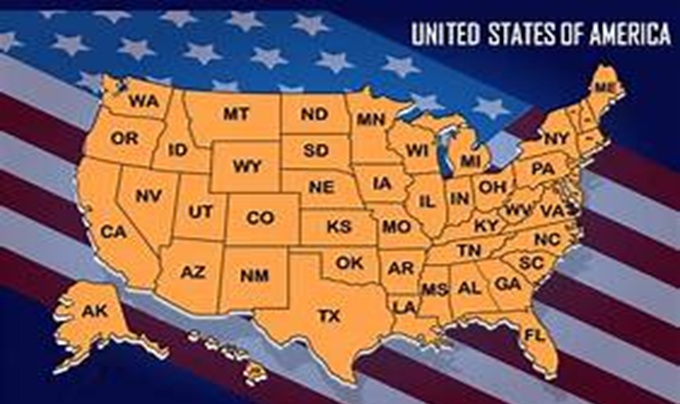
Discover The best states for career growth in America

Your professional path is increasingly tied to your location. Across the country, the job landscape is transforming. Some areas offer far better prospects for advancement than others. Your career trajectory today is shaped by many factors. These include local workforce policies, educational systems, and economic shifts. Migration patterns also show where people are finding success. Leading locations combine strong labor markets with competitive pay. They have robust educational support and attract top employers. This creates a business-friendly environment that benefits all workers.
Understanding which state offers the best opportunities requires data. We examined rankings, migration stats, and employment metrics. This helps identify places truly investing in their workforce.
Key Takeaways
- Geographic location is a major factor in professional advancement.
- A strong local economy and competitive wages are crucial.
- Robust educational systems and training programs support growth.
- Business-friendly environments attract both companies and talent.
- Opportunities are expanding beyond traditional coastal hubs.
- Objective data on migration and employment reveals top performers.
- Consider cost of living and quality of life for long-term success.
Overview of Career Growth Trends in America
Current workforce dynamics reveal a fundamentally reshaped job market across the United States. The severe labor shortages that defined recent years have largely resolved, creating new opportunities and challenges.
Understanding Market Dynamics
According to recent data, the nationwide labor shortage essentially ended by April. This marks a dramatic shift from the peak shortage years. Available workers now nearly match open positions.
The gap narrowed from millions during the Great Resignation to just 200,000 by May. This rebalancing fundamentally changes dynamics between employers and job seekers. Regional variations still persist despite national improvements.
Impact of Post-Pandemic Recovery and AI Adoption
Artificial intelligence adoption has transformed employment patterns significantly. AI alleviates labor shortages while creating demand for tech-savvy workers. The cooling market combined with increased participation creates more competition.
Economic development experts emphasize workforce quality as companies make location decisions. This represents a fundamental restructuring requiring adaptation to new realities.
| Year | Available Workers | Open Positions | Shortage/Surplus |
| 2021 | 6.1 million | 9.6 million | -3.5 million |
| 2022 | 6.4 million | 8.8 million | -2.4 million |
| 2025 | 7.2 million | 7.4 million | -0.2 million |
Strategic location choices matter more than ever in this transformed employment landscape. Your awareness of these market dynamics is crucial for planning.
Key Factors Driving Job Market Opportunities
Economic productivity and policy frameworks create distinct advantages in certain regional job markets. Your professional success depends on understanding these critical drivers.
Workforce Productivity and Educational Attainment
Your earning potential connects directly to local workforce productivity. States with higher economic output per worker typically offer better compensation.
Educational attainment levels significantly impact your job opportunities. Regions with strong STEM worker concentrations provide more advanced positions. Bachelor's degree holders often find competitive compensation packages.
Influence of Right-to-Work Laws and Vocational Programs
Right-to-work legislation affects your industry's business climate. Twenty-seven states maintain these policies that influence union organization and wage negotiations.
State investment in workforce training programs creates crucial advancement pathways. Leading locations report over 80% of training participants finding employment within six months.
Industry-recognized certificates offer direct routes to high-wage jobs. Tom Stringer of Grassi Advisors emphasizes: "We need a whole of government approach to start getting folks technical skills and trained and out into the workforce, and that's in every location."
Comprehensive workforce development combines technical skills training with educational partnerships. This creates sustainable job market opportunities across multiple industries.
The Best States for Career Growth in America
Objective rankings reveal clear leaders in workforce development across the United States. These locations combine strong educational systems with business-friendly policies.
Highlights from CNBC's Annual Ranking
Texas leads with an exceptional workforce score of 272 points. The state shows remarkable strength in career education. More than 70% of high school students concentrate in career-related fields.
Florida follows closely with 255 points and ranks first in net migration. The state demonstrates effective workforce development. Eighty-six percent of training participants find employment within six months.
Georgia holds the third position with strong career education credentials. Associate's degrees and industry certificates comprise 42.6% of post-secondary credentials.
Data-Backed Workforce Scores and State Highlights
North Carolina projects 500,000 new jobs between 2022 and 2032. This indicates sustained long-term employment opportunities across diverse industries.
Washington leads the nation in worker productivity at over $191,000 per job. The state also has the highest concentration of STEM workers at 10.5%.
Colorado and Connecticut support career advancement through high educational attainment. Colorado's workforce includes 44.7% holding a bachelor degree.
Each top ten state offers distinct advantages for professional development. From Arizona's migration ranking to Tennessee's training success, data helps inform relocation decisions.
Insights into Workforce Development and Education Impact
State-level investments in career preparation programs significantly influence your employment opportunities and earning potential. These initiatives create direct pathways from classroom to workplace.
State Investment in Career Education and Training Programs
Your access to specialized training varies considerably by location. Tennessee's GIVE program invests $25 million in industry-education partnerships. This creates direct employment pathways.
Washington STEM impacts 10,000 students annually through early education grants. Such programs provide foundational skills for technology careers. They create competitive advantages over many years.
These workforce development efforts align with national strategies for building talent pipelines. The America's Talent Strategy emphasizes similar partnership models.
Quality Coaching and Affordability in Higher Education
Your financial burden is directly affected by state policies. Colorado Promise covers two years of public tuition for families earning under $90,000. This dramatically reduces education cost.
Florida stands alone in four-year institution affordability. Thirty-five states lead in two-year college affordability. This impacts your decisions about degree level and location.
Quality coaching remains underdeveloped nationally. Only 21% of students receive timely labor market information. Yet 70% get goal-setting support and 73% receive obstacle assistance.
Completion challenges persist across locations. Only 13 states achieve majority four-year degree completion within four years. This affects your total education cost and workforce entry timing.
Regional Comparisons and Economic Data Highlights
Economic output metrics and demographic shifts highlight regional advantages for professional advancement. These factors reveal which locations offer superior employment conditions and sustainable career paths.
Productivity Metrics and Economic Output per Job
Worker productivity varies dramatically across different regions. Washington leads the nation with over $191,000 in economic output per job.
Connecticut follows at $171,000, while Texas averages $153,000. Higher productivity typically correlates with better wages and advancement opportunities.
Net Migration Trends and Demographic Shifts
Migration patterns show where educated workers are finding success. Florida leads in net migration, with Texas and North Carolina tied for third position.
Census Bureau data reveals Arizona attracted nearly 92,000 bachelor's degree holders in 2023. This indicates strong appeal to educated professionals.
Metropolitan areas drive much of this success. Raleigh, Nashville, and Austin lead among large metros for employment and earnings.
Regional disparities remain significant. While some Southern metros thrive, others like Memphis and Augusta face wage growth challenges. Rust Belt cities continue experiencing industrial decline that limits opportunities.
How Technological Advancements Are Shaping Career Prospects
Technological innovation is rewriting the rules of professional advancement across American industries. Artificial intelligence adoption has fundamentally transformed labor dynamics while creating new geographic opportunities.
The Role of AI in Alleviating Labor Shortages
You're seeing artificial intelligence take over routine tasks, effectively closing skills gaps identified by the U.S. Chamber of Commerce. This technological shift alleviates worker shortages while generating demand for AI-adjacent roles.
New high-value positions require advanced technical skills and adaptability to integrated workflows. Employers across sectors increasingly seek talent who can collaborate effectively with AI tools.
Impact of Remote Work and Tech Hub Expansion
Remote work has permanently altered geographic constraints on your career growth. You can now access opportunities in high-wage markets while living in more affordable locations.
Tech hub expansion creates competitive roles beyond traditional Silicon Valley. Utah's Silicon Slopes near Salt Lake City and Austin's innovation district offer strong prospects with better cost-of-living ratios.
Washington leads with 10.5% STEM worker concentration, while Utah follows at 7.9%. Miami's transformation with financial firms and crypto startups demonstrates how technology creates winner-take-all regional markets.
Strategies for Navigating a Changing Job Market
Navigating today's employment landscape requires smart strategy and adaptable skills. Your approach to professional development must evolve with market demands.
State-sponsored training programs offer proven pathways to employment. Tennessee and Florida demonstrate exceptional results, with 82-86% of participants securing work within six months.
Leveraging Workforce Training and Career Skill Development
Your choice of training program significantly impacts job search success. Arizona's programs show over 25% of participants unable to find work, compared to Florida's 14% failure rate.
Paid work experiences dramatically improve employment prospects. About 43% of seniors at four-year institutions gain valuable practical experience through internships and co-ops.
"Effective workforce development combines technical training with real-world application, creating sustainable employment pathways."
Target high-demand fields where talent gaps persist. Employers consistently need professionals in finance, healthcare technology, manufacturing trades, and nursing roles.
| Training Program | Employment Rate (6 Months) | Key Industries |
| Tennessee Workforce | 82% | Advanced Manufacturing |
| Florida Training | 86% | Healthcare Technology |
| Arizona Programs | 74% | Financial Services |
Your career strategy should blend formal education with practical experience. Continuous skill development ensures you remain competitive in evolving business environments.
Conclusion
Geographic positioning has emerged as a critical determinant of professional advancement potential. You now possess comprehensive insights into leading locations like Texas, Florida, and Washington that offer distinct workforce advantages.
Your career decisions should balance multiple factors including employment metrics, cost of living, and quality of life considerations. The State Opportunity Index provides valuable data for evaluating regional prospects.
Top performers demonstrate measurable advantages in worker productivity and training program access. Southern and Western regions now lead in migration patterns and business-friendly policies.
Your path forward involves strategic evaluation of which state aligns with specific goals and industry focus. Continuous skill development remains essential for navigating evolving job markets successfully.
You're equipped to make informed choices about professional advancement by understanding how leading locations invest in their workforce and create environments where both businesses and workers thrive.
0 Comments
Be the first to share your thoughts on this article.