
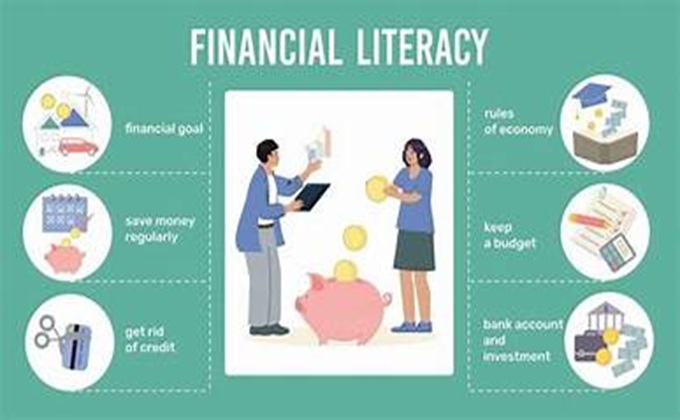
Discover Why Financial Literacy is a Life Skill You Need
Managing your money effectively is a challenge many face. A recent survey reveals a startling fact: only 57% of American adults are considered financially literate. This gap in knowledge has real consequences. Financial literacy represents more than just understanding numbers. It's the set of skills that empowers you to make smart choices with your money. This competency impacts everything from daily bill payments to planning for your future. Current data paints a concerning picture. Over one-third of people have more credit card debt than emergency savings. Furthermore, 68% believe they couldn't cover one month's
xpenses if they lost their income. This situation highlights why mastering money management is so critical. Building this essential life skill is a journey that starts with recognition. It determines your ability to achieve security and independence. For many, this journey begins with resources like the guide on financial literacy as an essential life that helps through college and beyond.
Whether you're just starting out or looking to improve your situation, understanding these concepts transforms how you interact with your finances. It's the foundation for reducing stress and building a stable future.
Key Takeaways
- Financial literacy is the knowledge needed to make informed money decisions.
- A significant portion of the population lacks basic financial knowledge.
- This skillset directly impacts debt management and emergency preparedness.
- Developing these abilities is key to achieving long-term financial security.
- Numerous resources are available to help individuals build these crucial skills.
Understanding the Fundamentals of Financial Literacy
Mastering fundamental economic principles forms the bedrock upon which all successful financial decisions are built. This knowledge transforms how you approach your personal economy.
Defining Financial Literacy and Key Concepts
Financial literacy represents your ability to comprehend monetary concepts and apply them effectively. It encompasses budgeting, saving, and making informed choices about spending and borrowing.
You need to understand critical elements like interest rates and inflation. These factors directly impact your purchasing power and long-term wealth.
Diversification helps spread risk across different investments. Recognizing financial scams protects your hard-earned assets from potential threats.
How Basic Money Management Sets the Foundation
Effective money management teaches you to track income and expenses accurately. Creating realistic budgets aligns your spending with financial goals.
Understanding credit scores and loan terms empowers better borrowing decisions. This knowledge helps you avoid costly mistakes and build stability.
Budgeting and saving work together to support your current lifestyle while preparing for future needs. These skills create habits that lead to lasting economic security.
Exploring Why financial literacy is a life skill
Your daily choices with money shape your entire economic future. From simple purchases to major investments, each decision contributes to your long-term stability. This understanding forms the core of essential money management.
Developing strong monetary competence helps you navigate modern economic challenges effectively. It transforms how you approach spending and saving for what matters most.
Impact on Everyday Financial Decisions
You face monetary choices constantly throughout your day. Understanding concepts like interest rates and budgeting empowers smarter spending habits.
Small daily decisions accumulate into significant outcomes over time. This knowledge helps you evaluate options critically before committing to purchases.
Your ability to make informed choices about borrowing and investing directly correlates with your level of economic understanding. This demonstrates why these competencies are crucial for individuals seeking stability.
Building Confidence in Handling Money
When you possess solid monetary knowledge, you gain assurance in managing financial matters. This reduces the anxiety many people experience when facing unexpected expenses.
These skills equip you to plan for emergencies like car repairs or medical bills. Temporary setbacks won't derail your long-term plans when you're prepared.
The confidence gained through economic education helps you avoid unnecessary debt and build healthy habits. Many countries recognize this importance, as shown in Canada's financial literacy strategy for building national competence.
Practical Strategies to Enhance Your Financial Knowledge
Taking control of your personal finances requires actionable strategies you can implement today. Moving from theory to practice transforms your money management approach.
Begin by mastering essential terminology that forms the foundation of smart decision-making. Understanding concepts like principal versus interest and credit scores empowers better choices.
Effective Budgeting and Saving Techniques
Create a realistic budget by tracking all income sources against your monthly expenses. Budgeting apps provide excellent tools for monitoring spending patterns.
Building an emergency fund represents a critical saving technique. Even starting with $100 creates a cushion for unexpected costs.
Your personal finance plan should balance multiple goals simultaneously. Consistent tracking helps identify areas for improvement.
Smart Credit and Debt Management
Build credit wisely by opening a starter card and paying balances monthly. This demonstrates creditworthiness without accruing interest charges.
Understand the true cost of borrowing before committing to any debt. Federal loan simulators help estimate future repayment obligations.
Set up automatic payments for small recurring bills to boost your credit score. This strategy ensures timely payments while building positive history.
Leveraging Community and Educational Resources
Numerous support systems exist to help you build essential money management competencies through structured learning opportunities. These programs bridge knowledge gaps and provide practical guidance for all age groups.
Educational institutions recognize the critical need for economic understanding. They offer comprehensive programs to develop your financial capabilities.
Campus Initiatives and Financial Workshops
College campuses provide excellent resources for developing money management skills. Many universities host workshops and counseling services through financial aid offices.
Innovative programs demonstrate remarkable results. Indiana University's financial wellness initiative contributed to a $126.4 million reduction in student borrowing. This represents a 23% decrease across campuses since 2011.
Specialized university programs offer unique opportunities. Texas A&M provides fellowship programs with semester scholarships. Delaware State University hosts the Charles Schwab Financial Literacy Institute.
Online Courses and Free Tools for Financial Education
Digital platforms make learning accessible from your home. Free resources like MyMoney.gov and Minnesota State's Money Management website provide valuable tools.
High school students now benefit from mandatory courses in several states. California and Florida require graduation competency in economic principles. This ensures young adults enter careers with essential knowledge.
Community resources extend beyond traditional settings. Local colleges, adult education centers, and nonprofit organizations offer classes. These opportunities help you build confidence in managing personal finance matters.
Quality instruction requires proper teacher preparation. Florida provides professional learning grants for educators. This investment ensures effective delivery of crucial economic education.
You can access comprehensive programs covering credit management, housing strategies, and tax planning. The University of Wisconsin-Madison offers diverse topics through their financial education initiative. These resources align with findings from recent educational research on effective learning methods.
The Role of Financial Literacy in Achieving Personal and Economic Stability
Building a stable financial future requires understanding how to navigate both immediate challenges and long-term planning. This knowledge creates a foundation that supports your economic well-being through all life stages.
Preventing Debt and Avoiding Financial Pitfalls
You protect yourself from common money traps by recognizing warning signs early. Credit card balances can grow quickly when spending exceeds your means.
Student loan obligations may delay major purchases like a home for years. Understanding interest rates helps you make smarter borrowing decisions.
Emergency savings prepare you for unexpected bills like car repairs. This prevents relying on high-cost credit options during difficult times.
Planning for Retirement and Long-Term Wealth Building
Your retirement strategy benefits greatly from starting early. Even small, consistent contributions to accounts like 401(k)s accumulate significantly over time.
Compound interest works powerfully in your favor when you invest systematically. This approach transforms modest savings into substantial future security.
States recognize this importance through programs like automatic IRA systems. These initiatives help individuals build financial independence regardless of employment status.
Your comprehensive financial plan should address both immediate needs and future goals. This balanced approach ensures lasting economic stability for you and your family.
Conclusion
Your journey toward mastering your finances is one of the most empowering steps you can take. While money management might seem complex at first, consistent practice builds confidence and capability.
Developing these competencies transforms how you approach daily choices and major plans. Understanding financial literacy fundamentals gives you control over your economic future.
Your commitment to learning pays dividends in reduced stress and increased opportunities. Each small step—whether budgeting or saving—builds toward lasting security.
Remember that progress matters more than perfection. Your growing knowledge equips you to navigate life's transitions and achieve your most important objectives.

0 Comments Comments