
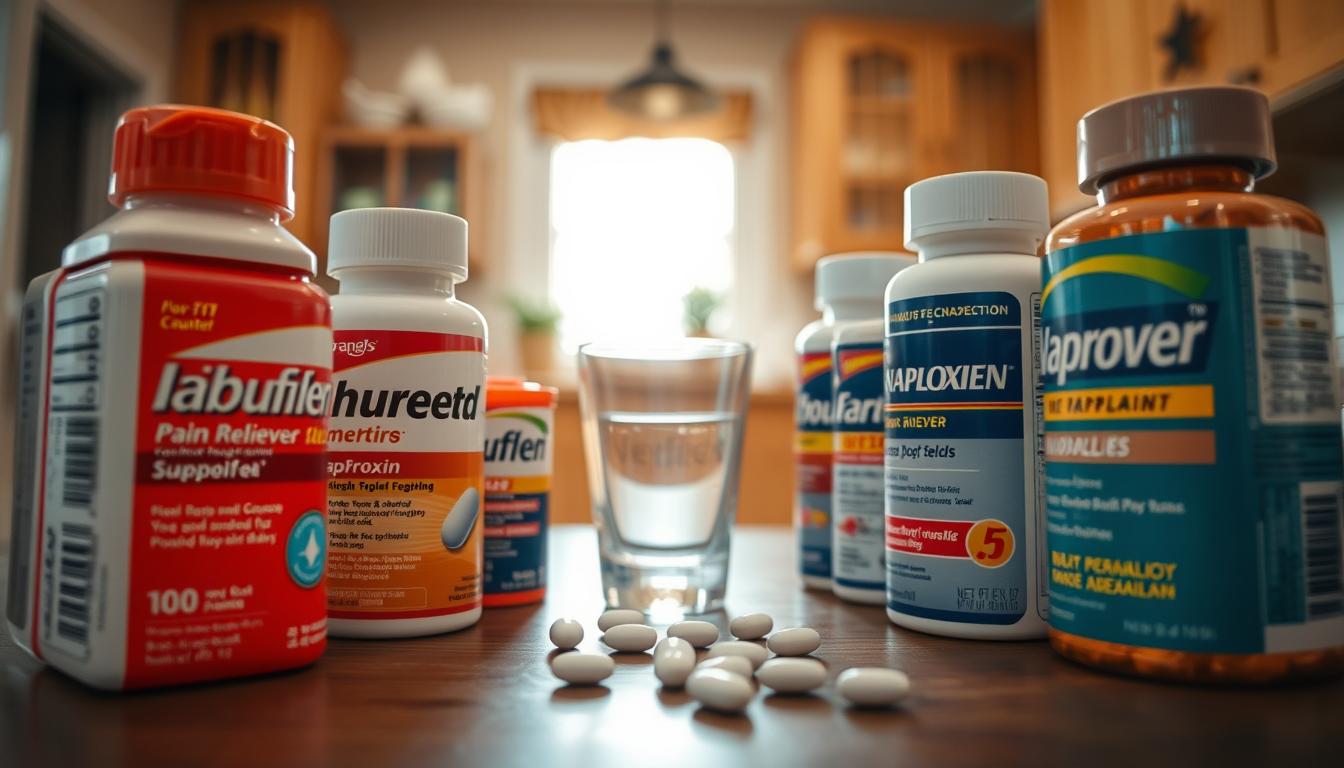
FDA Flags 8 Over-the-Counter Drugs as Unsafe for Those Over 60

Your routine meds may not be as harmless as they seem. Many older adults use otc options every day, and a past seminar found most people say they take these products routinely while only about half tell their clinicians. That gap matters. People aged 60 and up rely on otc medications more than younger adults and face a higher chance of harmful reactions. These products can be potent and can interact with prescriptions or duplicate active ingredients. You’ll see a clear preview: a brand-recognizable list (Advil, Aleve, Benadryl, Sudafed, Flonase and others), the main harms to watch for, and practical next steps you can discuss with a pharmacist or clinician.
This piece will help you read labels, reduce interactions, and protect your health without avoiding treatment entirely. Learn how small mistakes raise your risk and what safer options look like.
Key Takeaways
- Many older adults use otc medicines but often don’t tell their providers.
- Risk rises with age because interactions and duplicate ingredients are common.
- Not every use is unsafe, but your profile changes and mistakes grow easier.
- You’ll get a practical, brand-name list and the harms to watch for.
- Learn label reading and safer steps to discuss with a pharmacist or clinician.
Why over-the-counter drugs can hit harder after age 60
Aging changes how your body handles medicines, so doses you used before may last longer and cause stronger effects now.
Kidney and liver function often slow with age. Hedva Barenholtz Levy, PharmD, notes this means medications clear more slowly from your system. When drugs stay in your body longer, side effects rise and lower doses may be enough.
OTC products can be as potent as prescriptions
Steven Albert, PhD, explains these items are labeled for self-use, not because they’re weaker. Many deliver full-strength active ingredients that have real, systemic effects on your body.
How unintentional overdose happens
Marketing targets symptoms—pain, sleep, cough, congestion—so people pick products by use instead of by active ingredient. That can stack the same medication without you realizing it.
"Choosing by symptom can lead you to unknowingly take two products with the same active ingredient." — Steven Albert, PhD
Why interactions rise with prescriptions
If you take drugs for blood pressure, diabetes, heart disease, sleep, anxiety, or pain, adding another medication increases the chance of harmful interactions.
A smarter self-treat routine
- List every product you take, including vitamins and topical meds.
- Compare active ingredients and check maximum daily doses.
- Ask a pharmacist before starting something new and bring the list to your next doctor visit.
Many older adults don’t tell clinicians about OTC use. Closing that gap prevents avoidable side effects and dosing problems. For practical steps, see medication safety tips for older adults.
NSAID pain relievers like ibuprofen and naproxen (Advil, Motrin, Aleve)
Many common pain pills you grab for aches can carry hidden risks as you age. NSAIDs are anti-inflammatory medicines you often find on store shelves. Common brands include Advil/Motrin (ibuprofen) and Aleve (naproxen). Recognizing names helps you avoid accidental repeats.
Stomach bleeding and ulcers can start without warning. Regular use, prior ulcers, or taking blood thinners or steroids raises that risk. If you use these products daily, watch closely for signs.
NSAIDs can also raise blood pressure and increase risk of heart attack or stroke. Most non-aspirin NSAIDs show this risk even after a few weeks, so short courses are not always harmless—especially if you already have high blood pressure or cardiovascular disease.
Kidney concerns matter too. NSAIDs block prostaglandins that help keep kidney blood flow steady. Frequent use can tip fragile kidneys into injury.
- Black or tarry stools, or vomiting blood
- Sudden weakness, chest pain, or new swelling
- Decreased urination or a blistering rash
Safer strategies to discuss with your clinician or pharmacist:
- Use the lowest effective dose for the shortest time.
- Try topical NSAIDs or nonmedication options like physical therapy.
- Ask whether acetaminophen fits your pain plan, given your health and meds.
Aspirin: common, powerful, and easy to misuse
Aspirin may feel harmless, but it works like a potent blood thinner and deserves respect. Many older adults reach for it daily without considering how aging changes risk. Regular use raises chance of bleeding in the stomach and, less often, in the brain.
Guideline change you should know: Experts no longer recommend daily low-dose aspirin to prevent a first heart event if you are over 60 and have never had a heart attack or stroke.
"Aspirin increases bleeding risk, and that risk climbs as people age and accumulate other health factors."
— Hedva Barenholtz Levy, PharmD
About 14% of adults ages 50–80 report taking aspirin regularly despite no cardiovascular history. That shows how easy misuse is when a familiar pill feels safe.
| When to consider aspirin | Why | Talk to your clinician if... |
| Secondary prevention | Past heart attack or stroke lowers future event risk | You've had a heart attack or stroke and were told to continue |
| First-time prevention | Generally not advised after age 60 | You have multiple high-risk heart conditions and your clinician recommends it |
| Suspected high bleeding risk | Age, stomach disease, or certain meds raise bleeding | You take blood thinners or have prior ulcers |
Questions to ask: What is my personal bleeding risk? Do I take other drugs that thin blood? How does aspirin fit with my current meds?
Do not start or stop aspirin suddenly without medical advice if you were prescribed it for cardiac reasons.
Diphenhydramine (Benadryl) and “PM” sleep aids
Many sleep aids and nighttime combos hide diphenhydramine, which often causes confusion and daytime drowsiness in older adults.
Why it matters: Diphenhydramine can cause next-day grogginess, memory trouble, and slowed thinking. That raises fall and driving risk for many older people.
Benadryl is not only an allergy pill. Several common PM products, like Tylenol PM and Advil PM, use the same ingredient to make you sleepy. Taking an allergy drug plus a PM combo can stack the drug without you realizing it.
How to spot it: Read the Drug Facts label and watch for "diphenhydramine" under active ingredients. Check every product you take—pills for pain, sleep, or cold symptoms may hide it.
- Occasional mild allergy use differs from nightly sleep use — frequency affects side effects.
- For allergies, consider loratadine (Claritin) and similar second-generation antihistamines, which are less likely to cause cognitive problems.
- If sleep problems persist, talk with your clinician about safer options and underlying causes.
"Diphenhydramine can lead to confusion and decreased memory in older adults."
— Hedva Barenholtz Levy, PharmD
Decongestants with pseudoephedrine or phenylephrine (Sudafed and many combo cold meds)
Oral decongestants tighten blood vessels to clear a stuffy nose, but that same action can raise your blood pressure.
How they work: Pseudoephedrine and phenylephrine constrict nasal blood vessels. That reduces congestion but can push up systemic pressure. For people and adults with hypertension, this spike can be dangerous.
Why that matters: Sudden increases in pressure can raise stroke risk, especially after age sixty. Mixing an NSAID with an oral decongestant may amplify that effect and increase risk even if your blood pressure seems controlled on medication.
Prostate caution: Men with an enlarged prostate may notice worse urinary retention or trouble emptying their bladder when taking these oral products. Avoid them unless a clinician clears you.
Phenylephrine update: Oral phenylephrine has been shown to work poorly. Check cabinets and stop relying on pills that list it as the main active ingredient.
Safer congestion options
- Short-term oxymetazoline nasal spray (Afrin) for up to 3 days to avoid rebound congestion.
- Saline sprays, humidifiers, and steam for gentle relief without raising blood pressure.
- HBP-specific cold products (for example, Coricidin HBP formulations) pitched to adults with high blood concerns—ask a pharmacist which fits your meds.
Bottom line: If you have high blood pressure or urinary symptoms, talk with your pharmacist before using oral decongestants. Safer choices exist and a quick check can prevent bigger problems.
Over-the-counter steroid nasal sprays: fluticasone (Flonase) and budesonide (Rhinocort)
If you use a nasal steroid regularly, small technique changes can cut local irritation and lower some risks to your eyes.
What these products are: Flonase (fluticasone) and Rhinocort (budesonide) are popular OTC options for allergies and congestion because they reduce inflammation inside the nose and ease symptoms quickly.
Eye pressure and glaucoma concerns you shouldn’t ignore
These sprays can raise intraocular pressure in some people. That increase may worsen glaucoma and affect eyesight.
If you have glaucoma or risk factors, tell your eye doctor and primary care clinician before you use a steroid spray regularly.
"Overuse of nasal steroids can lead to increased eye pressure in susceptible adults."
— Hedva Barenholtz Levy, PharmD
Nosebleeds and correct-use mistakes to avoid
To reduce nosebleeds, aim the nozzle slightly outward—away from the septum—and do not sniff hard after spraying. Use the lowest effective dose.
Remember: more spray does not mean faster relief; overuse raises side effects and local irritation problems.
- Identify sprays: Flonase (fluticasone) and Rhinocort (budesonide).
- Tell your eye doctor and clinician if you use these medications regularly, especially with glaucoma risk.
- Stop and call a clinician for persistent nosebleeds, eye pain or pressure, blurred vision, or if symptoms worsen despite correct use.
For recent safety updates on allergy medications, see this boxed warning notice.
Other OTC meds the FDA and experts urge you to use cautiously after 60
Some everyday products can quietly raise risk as your body ages. Read labels and review every item you take, because several common medicines affect liver, bone, kidney, or mental function when used long term or together.
Acetaminophen (Tylenol)
Why watch doses: Acetaminophen is in many cold and pain combos. Total up every source so you don’t exceed the daily limit.
Liver injury can occur from high doses, long-term use, or mixing with alcohol. In severe cases, this can cause organ failure. If you drink alcohol regularly, ask your clinician about safe limits and alternatives.
Proton pump inhibitors (Prilosec, Nexium, Prevacid)
PPIs work well short term. Long-term use may reduce calcium absorption, raise fracture risk, and has been linked to diarrhea and pneumonia.
Discuss time-limited courses, step-down plans, and lifestyle fixes—avoid late meals, limit alcohol, and identify trigger foods.
Constipation products
Stimulant laxatives, osmotic agents, and some additives help short-term. Prolonged use can cause side effects and may harm a fragile kidney.
Start with hydration, fiber, and daily movement. Stool softeners can be a safer next step for many people.
Overactive bladder patch (Oxytrol / oxybutynin)
This patch may ease urgency, but common issues include dry mouth, dizziness, and constipation. Treating those effects with more drugs can start a cascade.
Try pelvic floor therapy or Kegel exercises and review your full medication list before adding a new product.
"Careful label review and family support can prevent accidental overdoses and reduce avoidable side effects."
| Product | Main concern | What to discuss with your clinician |
| Acetaminophen | Liver injury with high dose or alcohol | Total daily dose across products; safe alcohol use |
| PPIs (omeprazole, esomeprazole, lansoprazole) | Bone fracture, diarrhea, pneumonia with long-term use | Time-limited courses, step-down or alternatives |
| Constipation products | Side effects; risk if kidney problems exist | Hydration, fiber, and non-drug strategies first |
| Oxytrol (oxybutynin patch) | Dry mouth, dizziness, constipation; more meds risk | Pelvic floor therapy first; review all medications |
Involve family when possible—caregivers can help track labels and dosing to prevent errors. For recent safety alerts about antacid and related products, see this safety communication.
Conclusion
As you age, everyday pill choices deserve the same care you give prescription therapy. Simple steps protect you: read labels first, check active ingredients and max daily doses, and update a single medication list that includes prescriptions, otc items, and supplements. Before you buy a new product or combine two, ask a pharmacist about interactions with your blood pressure, kidney, and liver health. If you start a prescription, ask whether it clashes with what you already take.Safer options usually exist — different ingredients, topical forms, or nondrug strategies can ease symptoms without avoidable harm. Tell your clinician about all your use; that conversation is routine care, not extra.
0 Comments
Be the first to share your thoughts on this article.