
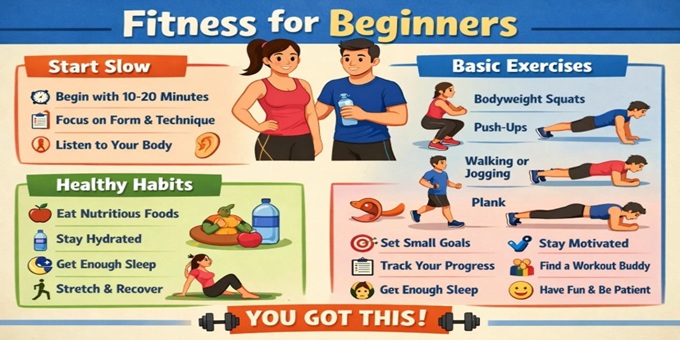
Fitness for Beginners: Where to Start

Embarking on a new exercise routine is a powerful step toward a healthier life. This decision impacts your well-being in profound ways, reaching far beyond physical changes. Physical activity offers immediate rewards. It can lift your mood, sharpen your mind, and help you sleep better. It also plays a key role in managing blood pressure and hormonal balance. The long-term advantages are just as significant. Consistent movement helps you maintain a healthy weight and build muscle. More importantly, it drastically lowers your risk for many chronic diseases. This guide provides a clear path forward. We will address common fears and set realistic expectations. Our approach covers workouts, nutrition, and the mindset needed for lasting success.
Remember, every expert was once a beginner. Your progress is personal, and the most important step is the first one you take.
Key Takeaways
- Starting an exercise routine offers both immediate and long-term health benefits.
- Short-term gains include improved mood, better sleep, and regulated blood pressure.
- Long-term exercise helps prevent chronic diseases and supports healthy aging.
- This guide provides a safe, effective, and holistic approach to getting active.
- Overcoming initial mental barriers is a crucial part of the process.
- Sustainable fitness involves more than just workouts; it includes nutrition and recovery.
- Everyone starts at the beginning, and personal progress is what matters most.
Introduction to Your Fitness Journey
The decision to improve your physical condition often begins with aesthetic aspirations. Wanting to enhance how your body looks is a completely valid motivation that drives many people toward exercise. This desire connects to our natural appreciation for vitality and strength.
However, the surface-level benefits represent only the beginning of what consistent movement can offer. As you progress, you'll discover exercise impacts
mental clarity, emotional balance, and overall life satisfaction. The transformation extends far beyond physical changes.
Your personal narrative around physical activity shapes your entire approach. Whether you're completely new or returning after some time away, your journey remains uniquely yours. Comparing your progress to others often proves counterproductive to sustainable growth.
The most successful paths embrace gradual improvement rather than demanding immediate results. Building consistent habits creates a positive cycle where increased energy fuels further activity. This momentum supports lasting health benefits that enrich every aspect of your life.
Understanding Different Types of Exercises
Your journey into regular physical activity benefits from knowing the core exercise modalities. Each category serves distinct purposes for your health and performance.
Aerobic, Strength, and Flexibility Explained
Aerobic exercise, often called cardio, elevates your heart rate for extended periods. Activities like swimming, running, and cycling build cardiovascular endurance. This training improves your heart and lung function. Strength exercises focus on building muscle power through resistance. Weightlifting and bodyweight movements create the stimulus for growth. These workoutsincrease your metabolic rate and bone density. Flexibility training maintains your range of motion and prevents injuries. Yoga and stretching routines help with muscle recovery. This movement discipline supports overall body coordination.
Integrating Calisthenics and HIIT
Calisthenics uses your body weight for accessible training. Pushups, pullups, and lunges develop functional strength. This approach requires minimal equipment for effective workouts. HIIT alternates intense bursts with recovery periods. This efficient method boosts both cardio and metabolic function. Short sessions deliver significant health benefits. A balanced program combines multiple exercise types. This diversity prevents weaknesses and promotes comprehensive development. Your training should address all aspects of physical readiness.
Setting Realistic Fitness Goals
Establishing purposeful objectives transforms random activity into meaningful progress. Your targets should align with your current abilities while pushing you toward growth. This approach prevents frustration and builds sustainable momentum. Effective planning involves breaking larger aims into manageable steps. This method creates a clear pathway forward. Each small achievement builds confidence for the next challenge.
Short-Term Milestones
Weekly targets provide immediate focus and measurable results. Aim for consistency rather than intensity during early stages. Completing three sessions this week represents solid progress. Specific, time-bound objectives work best. "Walk 30 minutes daily" beats vague intentions. Track your accomplishments to maintain motivation.
Long-Term Health and Strength Objectives
Broader aims guide your overall direction. These might include running a 5K or building foundational strength. They provide purpose beyond daily routines. Long-term goals should adapt as you evolve. Your initial targets may change based on discovered preferences. Flexibility ensures continued relevance.
The journey of a thousand miles begins with a single step, but it's the consistent steps that complete the journey.
| Goal Type | Time Frame | Examples | Purpose |
| Short-Term | 1-4 weeks | Complete 3 weekly workouts | Build consistency |
| Medium-Term | 1-3 months | Run 2 miles continuously | Develop endurance |
| Long-Term | 3+ months | Achieve strength benchmarks | Sustain health gains |
Progress happens through gradual improvement. Celebrate each milestone along your unique path. The right goals keep you moving forward effectively.
Getting Medical Clearance and a Health Check
Before you begin any physical activity program, consulting with a healthcare provider ensures your safety and success. This step is particularly important if you're new to vigorous exercise or have been inactive for an extended period. Exercise creates what's known as hormetic stress on your body. This temporary stress leads to positive adaptations like increased strength and endurance. However, it involves elevated heart rate, blood pressure changes, and blood sugar fluctuations. If you have underlying health conditions, your body may not handle this stress effectively. Disclose any heart issues, diabetes, recent surgeries, or previous medical advice against exercise. An early checkup can detect problems that might put you at risk. Medical clearance helps fitness professionals understand your limitations. They can then create a plan tailored to your specific needs and health status. This precaution minimizes injury risk while maximizing benefits. This step isn't meant to discourage you from physical activity. Rather, it ensures you begin your journey safely and sustainably. Proper health assessment sets the foundation for long-term success.
Creating a Sustainable Workout Plan
A sustainable workout plan transforms good intentions into consistent action. This approach builds exercise into your lifestyle rather than treating it as a temporary effort. Following evidence-based guidelines ensures your routine delivers optimal benefits. The Physical Activity Guidelines for Americans recommend
specific weekly targets.
Building a Weekly Routine
Your weekly schedule should include at least 150 minutes of moderate cardio or 75 minutes of vigorous activity. Add two strength training sessions targeting all major muscle groups. This sample week demonstrates balanced programming. Monday starts with 40 minutes of brisk walking or jogging. Tuesday serves as a crucial rest day for recovery. Wednesday combines cardio and strength work. Begin with 10 minutes of brisk walking. Then complete circuit training with lunges, pushups, and situps. Thursday provides another recovery day. Friday includes 30 minutes of cycling or jogging. Saturday repeats the strength circuit for consistency. Sunday concludes with 40 minutes of walking for active recovery. This plan takes just 30-45 minutes daily and requires no equipment. Rest days prevent overtraining and support muscle adaptation. Your body needs this recovery time to grow stronger. Consistency turns this routine into a lasting habit. Regular exercise becomes natural when you enjoy the process and recognize the benefits.
Fitness for Beginners: Where to Start
The foundation of a successful exercise journey begins with respecting your body's current capabilities. Listening to physical signals helps you distinguish between productive effort and potential harm. Many new exercisers believe pushing through pain leads to faster results. This approach often causes setbacks. Sustainable progress comes from consistency, not intensity. Building exercise into your daily routine requires strategic scheduling. Identify time slots that align with your energy patterns. Morning, lunch breaks, or evenings work well for different people. Consistency transforms activity into habit. Exercising at the same time daily reinforces this behavior pattern. Research shows this simple strategy significantly improves long-term adherence. Start with manageable sessions rather than extreme workouts. Even three 10-minute blocks spread through your day provide substantial benefits. This approach prevents overwhelm and injury risk. Pain serves as your body's warning system. Discomfort during movement signals the need to pause. Respecting these limits protects your progress and prevents long-term setbacks. The most effective beginner workout program grows gradually with your abilities. Patience in early stages creates lasting results. Your journey should feel challenging yet sustainable.
Gym Inductions and First-Time Gym Visit Tips
Your first gym visit marks an important transition from planning to action. A proper induction tour provides essential orientation to the facility's layout and protocols.
Staff members demonstrate correct machine usage during this introductory session. They share valuable insights about optimal training times and beginner-friendly exercises.
Understanding Gym Etiquette
Respectful behavior creates a positive environment for everyone. Basic rules include returning weights to their proper storage locations.
Never drop weights as this damages equipment and creates safety hazards. When you need assistance with heavy lifts, ask staff for spotting help politely.
How to Use Gym Equipment Safely
Modern gym equipment requires proper technique for effective results. If any machine confuses you, immediately seek staff guidance. Attempting to figure out complex equipment alone risks injury. Proper form ensures you work the intended muscle groups efficiently.
| Equipment Type | Primary Function | Beginner Tips |
| Cardio Machines | Heart health | Start with low intensity |
| Resistance Machines | Strength building | Use light weights first |
| Free Weights | Functional strength | Focus on proper form |
Visit during off-peak times for more space to learn. Bring appropriate attire, water, and a towel for your initial training experience.
Bodyweight and Cardio Basics
Bodyweight training offers one of the most accessible entry points into physical activity. This approach uses your own mass as resistance, requiring no special equipment. Master fundamental movements like squats, push-ups, and lunges. These exercises build functional strength while teaching proper form. This foundation reduces injury risk when you progress to weights.
Effective Mini-Workouts and Daily Movement
Can't find thirty minutes for exercise? Break your activity into smaller sessions. Three ten-minute workouts spread through your day provide real benefits.
This approach fits busy schedules perfectly. A brisk walk after meals counts as valuable movement. Every bit of activity contributes to your health.
Combine bodyweight exercises with regular cardio for a complete program. This pairing develops both strength and endurance effectively. You create a solid foundation for future progress.
| Cardio Machine | Primary Focus | Beginner Benefit |
| Treadmill | Cardiovascular strength | Adjustable pace and incline |
| Elliptical Trainer | Full-body, low-impact | Easy on joints |
| Rowing Machine | Core and fat burning | Excellent full-body workout |
Remember that consistency matters more than duration. Short, frequent sessions build sustainable habits. This method makes sticking with your exercise routine much easier. Your body adapts beautifully to regular movement. Start with what you can manage today. Gradually increase as your confidence and ability grow.
Strength Training for Beginners
Resistance exercises provide essential benefits that extend beyond mere appearance. This type of training builds muscle power and thickness through various methods. Weightlifting and bodyweight movements create the foundation for lasting strength. Begin with bodyweight exercises like squats and push-ups. This approach prepares your muscles for resistance safely. Master proper form before advancing to free weights. When you start using weights, begin with just the bar. You'll discover how heavy even empty barbells feel. Choose a weight you can lift comfortably for 10 repetitions. The last few reps should challenge you significantly. Perform three sets of each exercise with 60 seconds rest between sets. This protocol builds strength effectively.
| Exercise | Muscle Group | Beginner Tip |
| Dumbbell Lunges | Lower Body | Focus on balance |
| Leg Press | Lower Body | Control the movement |
| Dumbbell Shoulder Press | Upper Body | Start light |
| Lat Pull-down | Back Muscles | Use proper grip |
| Cable Chest Fly | Chest | Maintain form |
Free weights are safe when used correctly. Strength training supports metabolic health and bone density. It improves your ability to perform daily activities with ease. This beginner workout creates a balanced program for your entire body. Consistent training maintains muscle mass as you age. It enhances coordination and functional movement capacity.
Incorporating Flexibility and Balance Training
Many people focus on cardio and strength, but flexibility and balance are equally vital for your well-being. These components prevent injury and
improve your overall physical performance. Flexibility training, like yoga or simple stretching, helps your muscles recover. It maintains your range of motion
and keeps tissues supple. Consistent stretching is a key part of any routine.
Stretching and Cool-Down Routines
Balance exercises strengthen muscles and improve coordination. Pilates and tai chi are excellent examples. They challenge your equilibrium and build a stablecore. Cooling down after your training is crucial. It helps your body return to its normal state. According to the American Heart Association, post-workout stretching reduces soreness. It prevents lactic acid buildup in your joints. A proper cool-down also restores your breathing patterns. This simple step supports full recovery.
| Workout Type | Cool-Down Strategy | Duration |
| Aerobic Exercise | Light walking or slow cycling | 5-10 minutes |
| Resistance Training | Static stretching for major muscle groups | 5-10 minutes |
| High-Intensity Interval Training | Combination of light movement and stretching | 5-10 minutes |
Never skip this final phase. It is as important as the workout itself. Dedicate time to rest and proper cool-down exercises.
Your long-term physical function depends on this holistic approach. Integrating these practices ensures you can enjoy activity for years to come.
Nutrition and Hydration Strategies
Fueling your body correctly is just as critical as the exercise itself. Your dietary choices provide the energy needed for performance and the nutrients required for repair. This synergy between intake and activity supports your long-term health and goals.
Pre- and Post-Workout Nutrition
Timing your meals maximizes the benefits of your workout. Carbohydrates are your primary fuel source, especially for sessions lasting over an hour. They power your muscles during activity and help replenish stores afterward. Protein is essential for recovery. It repairs tissue damage and supports muscle growth. Consuming protein after your workout aids this process significantly. Healthy fats play a supportive role. They can help promote fat utilization for energy and contribute to overall health. A balanced approach to pre- and post-workout nutrition is key to sustained progress.
Staying Hydrated Before, During, and After Exercise
Hydration is a non-negotiable component of your health. Drinking fluids throughout the day maintains optimal function. The Academy of Nutrition and Dietetics
recommends about 15.5 cups for men and 11.5 cups for women daily. Replenishing fluids during your workout is vital. It maintains performance and prevents injury. This is especially important in hot weather. Proper nutrition and hydration work together. They ensure your body has the resources it needs to perform, recover, and thrive.
Overcoming Mental Barriers and Building a Growth Mindset
The stories we tell ourselves about our capabilities can either propel us forward or hold us back from achieving our fitness goals. Your personal narrative aroundphysical activity shapes your entire approach. If you've had a start-stop relationship with exercise, you may harbor limiting beliefs. Question these thoughts and replace them with empowering alternatives.
Addressing the All-or-Nothing Mindset
The biggest mental block is the all-or-nothing mindset. This is the belief that if things can't be perfect, they aren't worth doing. This thinking allows single setbacks to derail your progress. It also promotes the dangerous idea that more is always better. Instead, embrace consistency over perfection. Missing one workout doesn't mean quitting your entire routine. Sustainable progress happens through steady effort over time.
Maintaining Long-Term Motivation
Building lasting motivation requires celebrating small wins. Recognize that progress isn't always linear. Develop self-compassion when you experience setbacks. Track your achievements to maintain momentum. Find activities you genuinely enjoy to sustain your energy. Connecting your fitness goals to deeper values creates powerful motivation. Mastering your mindset helps you push through challenges rather than giving up.
Your mental resilience will be tested in tough moments. Building this foundation now ensures long-term success.
Utilizing Support Structures and Community Classes
The right support structure transforms your fitness journey from a solo struggle into a shared success. Different approaches work for various personalities and schedules. You have multiple options for guidance. Self-led training requires discipline but offers flexibility. Personal trainers provide one-on-one attention to your technique.
Finding a Workout Buddy or Personal Trainer
Community classes create powerful group energy. These sessions motivate you through shared effort. A workout buddy adds informal accountability to your routine. Online trainers offer digital oversight and custom programs. This option works well for busy schedules. You receive professional guidance without location constraints.
| Support Type | Best For | Key Benefit |
| Personal Trainer | Technique correction | Hands-on guidance |
| Group Classes | Social motivation | Structured sessions |
| Workout Buddy | Consistency | Informal accountability |
| Online Coach | Flexibility | Digital convenience |
Gym memberships provide access to equipment and staff support. Many facilities offer beginner orientations. This helps you feel comfortable with the environment. The ideal combination depends on your personal preferences. Some people thrive in social settings while others prefer independent work. Your support system should enhance rather than complicate your routine.
Tracking Your Progress and Adapting Your Routine
Systematic tracking turns your exercise journey from guesswork into data-driven improvement. Recording your performance creates tangible evidence of development.
Documenting metrics like weightlifting levels or running times keeps you motivated. This evidence shows your progress over time.
Fitness follows the principle of entropy. Without consistent work, your gains naturally decline. You must maintain a minimum threshold of activity.
| Tracking Method | What to Record | Frequency |
| Workout Journal | Sets, reps, weights | Each session |
| Performance Benchmarks | Running times, max lifts | Every 4 weeks |
| Body Measurements | Circumference changes | Monthly |
Adapt your routine when workouts feel easy or progress stalls. Increase weight, add repetitions, or try new exercises.
Your approach must be sustainable year-round. Results require ongoing maintenance, not temporary effort. Track to celebrate milestones and stay committed.
Managing Rest and Recovery
Your physical improvements materialize not during your workout, but in the quiet periods that follow. This is when your body repairs muscle tissue and adapts to the training stimulus. Scheduled rest is a strategic part of any effective plan. It prevents overuse and allows for super-compensation, where you return stronger.
Importance of Rest Days
A complete rest day involves no formal exercise. Your sample program includes them on Tuesday and Thursday for a reason. This time is essential for physiological adaptation. Without it, progress stalls and injury risk increases. Active recovery is another valuable tool. A gentle walk or light stretching on a rest day promotes blood flow. This aids recovery without adding significant stress.
Preventing Injury Through Recovery
Listening to your body is your best defense against injury. Distinguish between productive discomfort and sharp pain.
Pushing through pain often leads to setbacks. Stopping a session when needed protects your long-term progress.
Adequate rest also includes quality sleep and proper nutrition. These elements work together to support your muscles.
| Recovery Signal | What It Means | Smart Response |
| Persistent soreness | Muscles need more time to repair | Opt for active recovery or a full rest day |
| Decreased performance | Potential overtraining | Reduce intensity or take an extra rest day |
| Sharp joint pain | Warning sign of potential injury | Stop the activity and consult a professional |
Remember, more is not always better. Consistent, well-recovered effort yields the best results.
Conclusion
Finding activities you genuinely enjoy transforms physical effort into a rewarding experience. Your personal fitness journey should align with your social preferences, physical capabilities, and mental needs. Remember the core strategy: start slowly and build up gradually. Incorporate variety in your training and prioritize adequate rest. This approach prevents injuries while supporting steady progress. Explore different types of physical activity until you discover what works best for you. Sustainable health improvements come from consistency, not perfection. Don't hesitate to seek professional guidance when needed. View your exercise routine as one component of holistic well-being. Proper nutrition, hydration, and recovery work together with your workouts. The habits you build now will serve you for years to come. Every expert was once a beginner who took that first courageous step. Your path to better health is uniquely yours—embrace the journey with patience and self-compassion.
0 Comments
Be the first to share your thoughts on this article.