
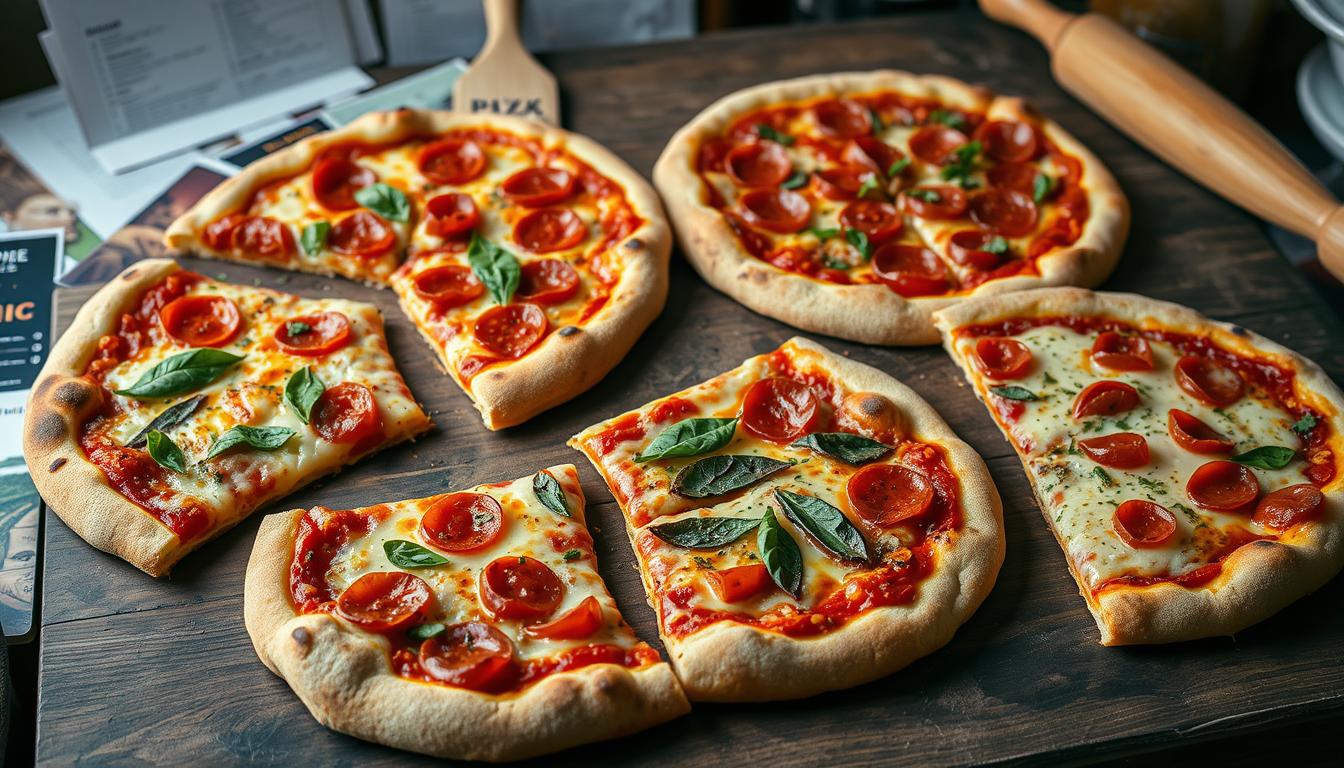
How to Make the Best Pizza in the World

The art of crafting the ultimate pizza is a quest many embark on, but few master. It's about more than just combining ingredients; it's an experience that brings people
together.
Imagine the aroma of freshly baked dough, the tang of tomato sauce, and the blend of melted cheeses. A perfect pizza is a symphony of flavors and textures that can evoke
emotions and create memories.
Whether you're a seasoned chef or a kitchen novice, the journey to making the best pizza is rewarding. With the right guidance, you can achieve a culinary masterpiece
that delights family and friends.
Key Takeaways
- Understanding the basics of pizza dough
- Selecting the finest ingredients for your pizza
- Mastering the art of pizza baking
- Exploring different pizza recipes and styles
- Tips for achieving the perfect pizza crust
The Art and Science of Perfect Pizza
Creating exceptional pizza is a journey that combines the science of ingredients with the art of culinary expression. This fusion is what sets homemade pizza apart from its
restaurant counterparts, offering a freshness and customization that is hard to match.
Why Homemade Pizza Surpasses Restaurant Versions
Homemade pizza allows for a level of personalization and quality control that restaurants often can't match. By choosing your own ingredients and cooking methods, you can ensure that every aspect of your pizza, from the crust to the toppings, meets your exact preferences.
Moreover, making pizza at home enables you to avoid preservatives and additives commonly found in commercial pizzas, resulting in a fresher and potentially
healthier dining experience.
The Elements of World-Class Pizza
World-class pizza is characterized by several key elements, including a perfect balance of flavors and textures, and the incorporation of regional influences
that add uniqueness to the pizza.
Balance of Flavors and Textures
A great pizza strikes a balance between the savory flavors of the sauce, the richness of the cheese, and the variety of toppings, all on a crust that is crispy on the outside and
tender on the inside. Achieving this balance requires a deep understanding of how different ingredients interact.
Regional Influences on Pizza Excellence
Different regions have their own pizza-making traditions, from the classic Neapolitan pizza to New York-style and California-style pizzas. Each region's unique approach to pizza making offers valuable insights into creating exceptional pizzas.
By embracing these regional influences and combining them with personal creativity, pizza enthusiasts can craft truly world-class pizzas that are both authentic and innovative.
Essential Equipment for World-Class Pizza
Making pizza that's on par with the world's best begins with having the right tools at your disposal. To create a truly exceptional homemade pizza, it's crucial to invest in the
right equipment.
Must-Have Tools for Serious Pizza Makers
For those serious about making pizza, certain tools are indispensable. These include measuring tools for precision, mixing and kneading equipment for the dough, and baking surfaces and tools for achieving the perfect crust.
Measuring Tools for Precision
Accurate measurements are key to a great pizza. Digital scales and measuring cups ensure that ingredients are proportioned correctly, affecting the dough's texture
and flavor.
Mixing and Kneading Equipment
A stand mixer with a dough hook attachment can significantly simplify the mixing and kneading process, while a dough scraper is handy for handling the dough.
Baking Surfaces and Tools
A pizza stone or baking steel can enhance crust crispiness, and a pizza peel is essential for transferring the pizza to the oven.
Optional Equipment That Elevates Your Pizza Game
While the basics are essential, optional equipment can further enhance your pizza-making experience. This includes pizza stones vs. steel plates and specialty ovens or attachments.
Pizza Stones vs. Steel Plates
Pizza stones absorb moisture, creating a crispy crust, while steel plates conduct heat efficiently, cooking the crust quickly. Both have their advantages, and some pizza
enthusiasts use both.
Specialty Ovens and Attachments
Pizza ovens or attachments like a pizza stone for your grill can replicate the conditions of a pizzeria, allowing for a variety of cooking techniques and flavors.
How to Make the Best Pizza in the World: Ingredients Matter
Making exceptional pizza is an art that begins with selecting the finest ingredients. The quality of your pizza is directly related to the components you use, from the type of flour to the freshness of the toppings.
Flour Selection: The Foundation of Great Pizza
The type of flour used in pizza dough is crucial. It affects the crust's texture, flavor, and overall quality.
Italian 00 Flour vs. Bread Flour
Italian 00 flour, known for its fine texture, produces a tender crust. Bread flour, with its higher protein content, can create a chewier texture. The choice between them depends on your desired crust characteristics.
Protein Content and Its Impact
The protein content in flour impacts the dough's elasticity and strength. Higher protein content can lead to a more robust crust, while lower protein content may result in a more delicate crust.
The Truth About Water in Pizza Dough
Water plays a vital role in pizza dough, affecting its hydration and ultimately the crust's texture. The temperature and quality of water can significantly impact the dough's development.
Selecting Premium Toppings
Toppings can elevate or detract from your pizza. Choosing high-quality ingredients is essential.
Cheese Selection and Combinations
The type and combination of cheese used can greatly affect the flavor profile. Mozzarella is a classic choice, but combining it with other cheeses like parmesan or gorgonzola can add depth.
Fresh vs. Processed Ingredients
Using fresh ingredients instead of processed ones can significantly enhance the flavor and nutritional value of your pizza. Fresh vegetables, meats, and herbs make a substantial difference.
To illustrate the impact of ingredient quality, consider the following comparison:
| Ingredient | Low Quality | High Quality |
| Flour | All-purpose flour | Italian 00 flour |
| Cheese | Processed mozzarella | Fresh mozzarella |
| Toppings | Canned vegetables | Fresh vegetables |
Mastering Pizza Dough from Scratch
The journey to perfect homemade pizza begins with mastering the dough. A well-crafted dough is the foundation of any great pizza, and it's where artisan pizza techniques start. In this section, we'll guide you through creating the perfect dough recipe, kneading techniques, and the importance of fermentation.
The Perfect Dough Recipe
Crafting the perfect dough recipe involves understanding the right ingredient ratios and measurements. A typical recipe includes flour, water, yeast, salt, and sometimes
sugar or olive oil. The quality of these ingredients and their proportions can significantly affect the final product.
Ingredient Ratios and Measurements
For a basic dough, you'll need:
- 1000g flour
- 600ml water
- 10g yeast
- 20g salt
These measurements can be adjusted based on the type of flour and the desired dough characteristics.
Mixing Methods for Different Results
The method of mixing can affect the dough's texture. Using a stand mixer with a dough hook attachment can produce a more uniform dough, while hand mixing can result in a more rustic texture.
Kneading Techniques for Optimal Texture
Kneading is crucial for developing the gluten in the dough, which gives pizza its chewy texture. Techniques include using a stand mixer or kneading by hand. The goal is to achieve a smooth, elastic dough.
Fermentation: The Secret to Flavor Development
Fermentation is where the magic happens in terms of flavor development. It's a process that requires patience and control over timing and temperature.
Cold Fermentation Benefits
Cold fermentation slows down the yeast's activity, allowing for a more complex flavor to develop. This method is preferred by many artisan bakers.
Timing and Temperature Control
| Fermentation Method | Temperature | Time |
| Cold Fermentation | 40°F - 50°F | 24 - 48 hours |
| Room Temperature Fermentation | 70°F - 75°F | 1 - 2 hours |
By mastering these aspects of dough preparation, you'll be well on your way to creating homemade pizza that's truly exceptional.
Crafting the Ultimate Pizza Sauce
?si=G1YdqpYx6SHyHUlm">?si=G1YdqpYx6SHyHUlmCreating the perfect pizza sauce is a crucial step in making the best pizza in the world, requiring a balance of flavors and techniques. The sauce is the foundation upon which all other ingredients are built, and its quality can make or break the pizza.
Classic Tomato Sauce Recipe
A traditional tomato sauce is a staple in pizza making. It starts with high-quality ingredients, particularly San Marzano tomatoes, known for their sweet-tart flavor and low acidity.
San Marzano Tomatoes vs. Other Varieties
San Marzano tomatoes are preferred for their unique flavor profile and texture. Unlike other tomato varieties, they have less water content, making them ideal for sauce.
Cooking vs. Raw Sauce Techniques
There are two primary methods for making tomato sauce: cooking and raw. Cooking the sauce can enhance the flavor, while a raw sauce preserves the fresh taste of the tomatoes.
| Sauce Technique | Flavor Profile | Best For |
| Cooked Sauce | Rich, deep flavor | Traditional Neapolitan pizzas |
| Raw Sauce | Fresh, vibrant taste | Summer pizzas with fresh toppings |
Alternative Sauce Options for Gourmet Pizzas
While classic tomato sauce is a favorite, alternative sauces can elevate your pizza game. White sauces and olive oil bases offer a delicious change of pace.
White Sauces and Olive Oil Bases
White sauces, made with ingredients like garlic, olive oil, and sometimes cream or ricotta, provide a rich and creamy base. Olive oil bases are light and perfect for pizzas with delicate toppings.
Specialty and Fusion Sauce Ideas
Experimenting with different sauces can lead to unique flavor combinations. Consider using pesto, BBQ sauce, or even a spicy harissa sauce to add a twist to your pizzas.
Topping Combinations That Create Magic
The magic happens when you combine toppings in a way that complements the pizza's flavor profile. This section will explore the art of pairing toppings to create memorable
pizzas.
Traditional Italian Topping Pairings
Italian cuisine is renowned for its simplicity and emphasis on quality ingredients. Traditional Italian topping combinations often feature a few, high-quality ingredients.
Margherita: Perfecting the Basics
The classic Margherita pizza is a masterclass in simplicity, featuring fresh tomatoes, mozzarella, and basil. This combination showcases how a few, well-chosen ingredients can create a truly exceptional pizza.
Regional Italian Specialties
Italy is home to a diverse range of regional pizza styles, each with its unique topping combinations. For example, the Quattro Formaggi features four different cheeses, while the Prosciutto e Funghi combines prosciutto and mushrooms.
Modern Gourmet Combinations
While traditional combinations are timeless, modern gourmet pizzas often push the boundaries with innovative topping pairings.
Unexpected Flavor Pairings That Work
Some unexpected topping combinations can elevate your homemade pizza to new heights. For example, pairing fig jam with prosciutto and arugula creates a sweet and savory experience.
Seasonal Topping Strategies
Incorporating seasonal ingredients into your pizza can add freshness and variety. Summer pizzas might feature fresh corn and heirloom tomatoes, while winter pizzas could include roasted squash and caramelized onions.
Balancing Flavors and Textures
The key to a great pizza is balancing flavors and textures. A well-balanced pizza might combine the crunch of fresh vegetables with the creaminess of melted cheese.
| Topping Combination | Flavor Profile | Texture |
| Prosciutto and Arugula | Savory, slightly bitter | Crunchy, peppery |
| Mushroom and Truffle | Earthy, umami | Soft, rich |
| Artichoke and Spinach | Herby, slightly sweet | Tender, creamy |
By understanding how different toppings interact, you can create pizzas that are both delicious and visually appealing. Experiment with different combinations to find your perfect pizza.
Pizza Assembly and Shaping Techniques
Crafting the perfect pizza involves more than just ingredients; it requires mastering assembly and shaping techniques. The way you assemble and shape your pizza dough can significantly affect the final product's texture and flavor.
Hand-Stretching vs. Rolling: Pros and Cons
When it comes to shaping pizza dough, two popular methods are hand-stretching and rolling. Hand-stretching is a traditional technique that allows for a more rustic, artisanal crust, while rolling provides a uniform thickness and is often easier for beginners.
Neapolitan Hand-Stretching Method
The Neapolitan hand-stretching method involves gently stretching the dough outward from the center, creating a crust that is thicker at the edges and thinner towards the center. This technique
requires practice to achieve the perfect balance.
Troubleshooting Common Shaping Problems
Common issues when shaping pizza dough include overworking the dough, which can lead to a tough crust, and uneven stretching, which can cause inconsistent
cooking. To avoid these problems, it's essential to handle the dough gently and work in a relaxed environment.
The Art of Topping Distribution
Once your dough is shaped, the next step is to distribute your toppings. The key to a well-balanced pizza is evenly distributing toppings to ensure every bite has a mix of flavors.
Layering Order for Best Results
The order in which you layer your toppings can significantly impact the pizza's overall flavor and texture. A general rule is to start with sauce, followed by cheese, and
then toppings. This order helps prevent the crust from becoming soggy.
Edge-to-Edge vs. Traditional Topping Styles
There are two main topping styles: edge-to-edge and traditional. Edge-to-edge topping distribution ensures that every part of the pizza is flavorful, while the traditional method leaves a crust border around the edges, which can provide a satisfying
crunch.
| Shaping Method | Pros | Cons |
| Hand-Stretching | Rustic, artisanal crust; can create a more authentic pizza experience | Requires practice; can be uneven if not done correctly |
| Rolling | Uniform thickness; easier for beginners | Less artisanal; can result in a less crispy crust if overworked |
Cooking Methods for Perfect Results
Achieving the perfect pizza requires not just great ingredients, but also the right cooking techniques. The method you choose can elevate your homemade pizza to a
whole new level.
?si=G1YdqpYx6SHyHUlm">?si=G1YdqpYx6SHyHUlm
Home Oven Techniques
Cooking pizza in a home oven can yield excellent results if done correctly. It's all about maximizing the heat and using the right preheating strategies.
Maximizing Heat in Standard Ovens
To get the best out of your home oven, preheating is crucial. Use the highest temperature setting and let it preheat for at least 30 minutes. As "Tony Gemignani, a renowned
pizzaiolo, emphasizes, 'A hot oven is key to a perfect Neapolitan pizza.'"
Rack Position and Preheating Strategies
Positioning the oven rack in the lower third of the oven can help achieve a crispy crust. Preheating a pizza stone or baking steel along with the oven ensures that the
cooking surface is hot enough to cook the crust instantly.
Pizza Stone and Steel Methods
Using a pizza stone or steel can significantly improve your artisan pizza techniques. These surfaces absorb moisture and distribute heat evenly, resulting in a crispy crust.
Proper Preheating and Transfer Techniques
Preheat your stone or steel for at least an hour before cooking. When transferring the pizza, use a pizza peel or a sheet of parchment paper to avoid disturbing the
toppings.
Maintenance and Care of Baking Surfaces
Regularly clean your pizza stone or steel to prevent the buildup of debris. Avoid using soap; instead, scrape off any food residue with a brush or scraper.
Outdoor Pizza Oven Magic
Cooking pizza in an outdoor pizza oven, especially a wood-fired one, can add a unique flavor to your pizza recipes. The high heat and smoke infuse the pizza with a distinct character.
Temperature Management in Wood-Fired Ovens
Maintaining the right temperature is crucial in a wood-fired oven. Aim for a temperature between 500°F to 600°F for an authentic Neapolitan-style pizza.
Rotating and Monitoring Your Pizza
Rotate your pizza every 30 seconds to ensure even cooking. Keep a close eye on the pizza to prevent overcooking, as the cooking time is very short in a wood-fired oven.
By mastering these cooking methods, you can significantly improve your homemade pizza game and achieve results that rival those of professional pizzerias.
Conclusion: Your Journey to Pizza Perfection
Crafting the best pizza in the world is a journey that requires patience, practice, and a willingness to experiment. By mastering the art and science of perfect pizza,
understanding the essential equipment, and selecting premium ingredients, you're well on your way to creating delicious homemade pizzas that rival those from top pizzerias.
As you've learned, making great pizza involves more than just throwing toppings on a dough. It's about understanding the intricacies of dough fermentation, crafting the
ultimate pizza sauce, and balancing flavors and textures. With these pizza making tips, you can elevate your pizza game and create unique pizzas that delight
your family and friends.
Now that you've reached the end of this guide on how to make the best pizza in the world, it's time to put your newfound knowledge into practice. Don't be afraid to try new
topping combinations, experiment with different cooking methods, and refine your techniques. The world of pizza is vast and exciting, and your perfect pie is just a bake away.
0 Comments
Be the first to share your thoughts on this article.