
How to Manage Utilities and Fit Your Budget
Rising energy costs are pushing many homeowners to look closer at their bills. Start by reading each line on a statement: kilowatt‑hours, rate type, taxes, and surcharges. Compare usage across 12–24 months to spot seasonal spikes or leaks. That pattern helps you set realistic monthly
targets and avoid surprise expenses.
Small steps often yield quick wins. Adjust thermostat settings during peak hours, seal drafts, and check HVAC efficiency before bigger investments. Federal credits and local rebates can offset upgrade costs and make efficiency projects more affordable.
Use this guide to map your energy and water use, pick the right rate plan, and build a practical plan that keeps bills steady without sacrificing comfort.
Key Takeaways
- Read bills beyond the amount due to spot savings opportunities.
- Track 12–24 months of usage to reveal seasonal patterns.
- Prioritize thermostat tweaks and sealing leaks as quick wins.
- Compare rate plans and ask the utility about budget billing.
- Use federal credits and local rebates to lower upgrade costs.
- Plan maintenance to avoid costly system failures.
Why Utility Costs Are Rising and What That Means for Your Budget
Rising utility bills reflect a mix of higher rates and more extreme weather. Americans spend about $380 per month on utilities on average, including roughly $136.84 for electricity and $69.38 for natural gas.
Those totals vary by area, home size, and daily habits. Larger houses in hot or cold climates need more energy, so seasonal spikes are common.
Average monthly spend and what drives it
Provider rate hikes raise fixed price levels. Extreme weather forces air systems and furnaces to run longer, lifting bills in summer and winter.
Weather, rate structures, and seasonal patterns
Utilities often use time-of-use or seasonal pricing. That means running major appliances during peak hours costs more. Pull last year’s statements and map each month so you can see year-over-year changes and plan for high-cost periods.
- Benchmark your home against the national average.
- Spot months that consistently spike and adjust cash flow.
- Understand time-of-use rules from your utility company and shift loads off-peak when possible.
What Counts as a Utility and How Billing Works
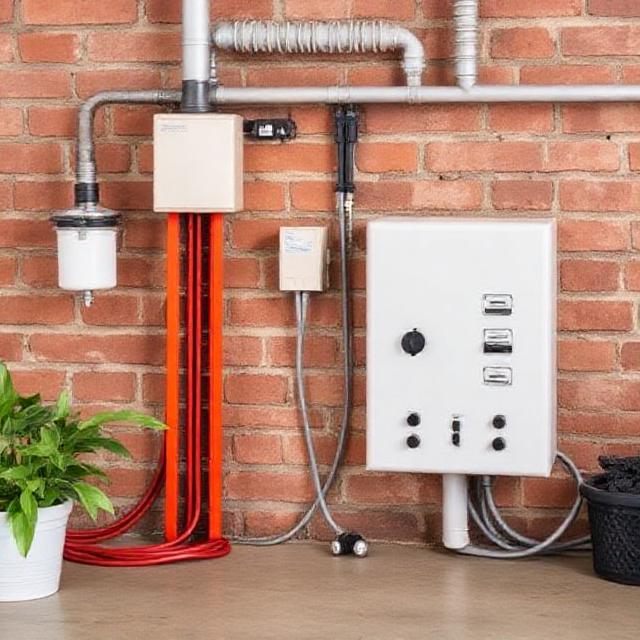
Make a complete inventory of monthly services that make up your utility stack.
Common services include electricity, natural gas, water, sewer, trash/recycling, and connectivity like internet or cable. List each company and note account numbers so you can call quickly when a line item looks wrong.
Bills usually mix fixed charges—customer, meter, and service fees—with variable charges tied to usage. Fixed parts rarely change month to month. Variable lines use units such as kWh for electricity, therms for gas, and gallons for water. Rate tiers, taxes, and seasonal pricing affect totals. Two homes with similar use can pay different amounts based on the provider, area, and plan.
| Service | Common Unit | Controllable? |
| Electricity | kWh | Yes |
| Natural gas | Therms | Yes |
| Water & sewer | Gallons | Mostly |
| Trash / connectivity | Flat fee | Sometimes |
- Track 12–24 months of usage and billing cycles.
- Enable online dashboards and alerts from your provider to catch spikes early.
- Review tiers and taxes so you know which line items you can impact with lower energy or water use.
Decode Your Bills to Find Savings Fast
A clear read of your recent statement can reveal quick wins and confusing charges alike. Start with the billing summary and note whether the plan lists time-of-use, seasonal, or flat pricing.
Spotting time-of-use and seasonal rates from your provider
Time-of-use lines show peak and off-peak hours. Shifting laundry and dish cycles off-peak cuts the amount you pay for energy without big upgrades.
Flat-rate billing: pros, cons, and when it fits your household
Flat plans give predictable monthly amounts and can ease budgeting. But they often carry a higher effective rate per kWh when your usage is low.
Weigh predictability against potential overpayment. Read contract terms, start dates, and early-exit fees before you switch.
Comparing your usage to similar homes in your area
Compare your monthly totals with neighbors or online benchmarks for your area. Large deviations may point to leaks, aging equipment, or a behavior shift that raises energy waste.
Calling utility companies to clarify confusing line items
If a line item looks wrong, call the utility company and ask for a line-by-line explanation. Request rate simulators, budget billing options, and any available discounts from the provider.
Document changes, set reminders for seasonal rate shifts, and keep a copy of any plan change so you aren’t surprised on the next bill.
How To Manage Your Utilities To fit Your Budget
Gathering 12–24 months of statements gives a clear picture of when costs climb and why. Pull statements by month and year, then chart seasonal swings so you can forecast the likely amount for peak and off-peak periods.
Pull 12–24 months and map trends
Download one to two years of past bills and place them by month. This shows seasonal spikes in energy and water use. You can then isolate months that consistently cost more and plan ahead.
Set monthly targets and sinking funds
Use real usage history to set a modest monthly target. Create a small sinking fund during low-demand months so higher bills in summer or winter won’t disrupt cash flow.
Align due dates, autopay, and alerts
Choose due dates that match paydays and enable autopay. Add alerts for abnormal usage so you catch surprises early and avoid late fees.
"Charting past bills turns guesswork into a predictable plan you can act on."
| Action | Why it helps | Expected result |
| Chart 12–24 months | Shows seasonal peaks | Better forecasting by month and year |
| Set monthly target | Anchors spending | Stable monthly expenses |
| Create sinking fund | Covers spikes | Less stress during high-use months |
| Autopay & alerts | Prevents late fees | Fewer surprises, saved money |
Make sure you review targets each quarter and adjust for changes in usage or provider rates. Track progress monthly and decide which low-cost changes will unlock the most savings for your home.
Low-Cost Steps to Cut Energy and Water Today
You can start saving with small tweaks that make systems run less often.
Thermostat setpoints matter: aim for about 78°F in summer and 68°F in winter. Use setbacks when you leave so the system runs less and uses less heat or cooling.
Swap old bulbs for LEDs and add smart plugs to cut phantom loads. Seal air leaks around windows, doors, and ducts; stopping wasted conditioned air helps lower energy use and improves comfort.
- Shorten showers and fit low-flow heads to save many gallons of hot water daily.
- Set the water heater near 120°F for safe, efficient heating that saves money.
- Clean or replace HVAC filters so systems breathe easier and run less.
- Run full loads, wash in cold, and air-dry when possible to cut energy and water usage.
Maintain and Upgrade Equipment for Long-Term Savings
Routine checks and timely upgrades keep systems efficient and bills predictable.
Annual tune-ups for HVAC and water heaters keep airflow steady and heat exchange working well. That reduces wasted energy and lowers energy costs over time.
Inspect AC, heat pumps, furnaces, and boilers. If a unit is older than 10–15 years, a high-efficiency replacement can cut heating and cooling bills by up to 20%.
- Schedule annual HVAC and water heater maintenance to protect power and performance.
- Prioritize ENERGY STAR appliances and right-sized systems to reduce home energy use.
- Consider a heat pump water heater if you have electric resistance—this can cut electricity needs and save money.
- Seal ducts and add insulation so conditioned air reaches rooms instead of leaking away.
| Action | Benefit | Typical impact |
| HVAC tune-up | Improved airflow and efficiency | Lower power draw, fewer breakdowns |
| Replace 10-year AC/heat pump | Higher seasonal efficiency | Up to 20% lower heating/cooling costs |
| Install ENERGY STAR appliances | Reduced electricity and hot water use | Steady savings over equipment life |
Use Incentives, Rebates, and Credits to Lower Costs
Stacking available credits and rebates reduces the cash you need now and speeds payback timelines.
Energy Efficient Home Improvement Credit covers 30% of qualifying costs for eligible improvements installed 2022–2032. The annual cap is $1,200 for most upgrades and a separate $2,000 annual cap applies for heat pumps, biomass stoves, and boilers. There is no lifetime limit.
Residential Clean Energy Credit also equals 30% for new solar, solar water heating, wind, geothermal heat pumps, fuel cells, and battery storage. Most technologies have no annual or lifetime cap.
Find local rebates and audits
Search DSIRE and the ENERGY STAR Rebate Finder for utility and manufacturer rebates you can stack with federal credits.
A professional home energy audit may qualify for a 30% credit (up to $150). Audits include blower door tests and infrared scans that find air leaks and water waste.
"Documentation matters: keep invoices, product certifications, and installation dates for tax-year claims."
| Incentive | Key benefit | Typical limit |
| Energy Efficient Home Improvement Credit | 30% of qualifying costs for insulation, windows, HVAC | $1,200/yr; $2,000/yr for heat pumps/biomass |
| Residential Clean Energy Credit | 30% for solar, storage, wind, geothermal | No annual/lifetime cap (some exceptions) |
| Local rebates & utility offers | Instant discounts, rebates on products | Varies by company and year |
- Prioritize projects with the best payback in your climate, like insulation or efficient water heaters.
- Coordinate timing so credits and rebate windows align and maximize money saved.
Advanced Moves: Providers, Smart Tech, and Renewable Options
Explore supplier choice and modern tech so your home uses less grid power and runs more efficiently.
Shop electricity or natural gas suppliers where allowed
In many states you can compare offers from third-party companies and utility companies. Verify rates and contract terms directly with the provider before switching.
Watch for intro rates, fees, and renewal clauses so the advertised savings match long‑term results.
Smart thermostats, leak sensors, and usage dashboards
Add a smart thermostat to automate schedules and setbacks. That trims energy use without daily adjustments.
Deploy leak sensors and smart plugs to stop water damage and phantom power draw. Use apps and dashboards to track usage and prove changes worked.
Solar panels, battery storage, and portable solar generators
Solar plus battery storage can cut electricity purchases and boost resilience. The Residential Clean Energy Credit covers 30% of qualifying installs.
Consider portable solar generators for backup power and peak‑rate avoidance; they give flexible power when outages occur.
"Compare suppliers, add smart controls, and verify results in dashboards to make data‑driven choices."
| Option | Primary benefit | Consideration |
| Supplier shopping | Lower rates possible | Read contract terms |
| Smart tech | Automated savings | Requires setup and app |
| Solar & batteries | Reduce grid use, increase resilience | Check incentives and payback |
Set monthly reports and map payback periods so you keep what saves money and stop what doesn’t. That way you turn one‑time upgrades into sustained lower energy costs and better home performance.
Conclusion
Strong, Treat bills as a monthly report card: track trends, act on outliers, and reward progress. This keeps energy and water costs from growing unnoticed.
Use the checklist you built: read statements, benchmark usage, and take quick wins like thermostat tweaks, LEDs, and sealing air leaks. Those steps lower energy bills fast and improve comfort in your home.
Stack federal credits and local rebates to cut upfront costs for larger upgrades. Then measure results in dollars and usage so you can repeat what saves money.
Review the plan quarterly, compare options with your utility company, and fund expected winter and summer peaks. That steady routine stabilizes expenses and keeps your household on track.

0 Comments Comments