
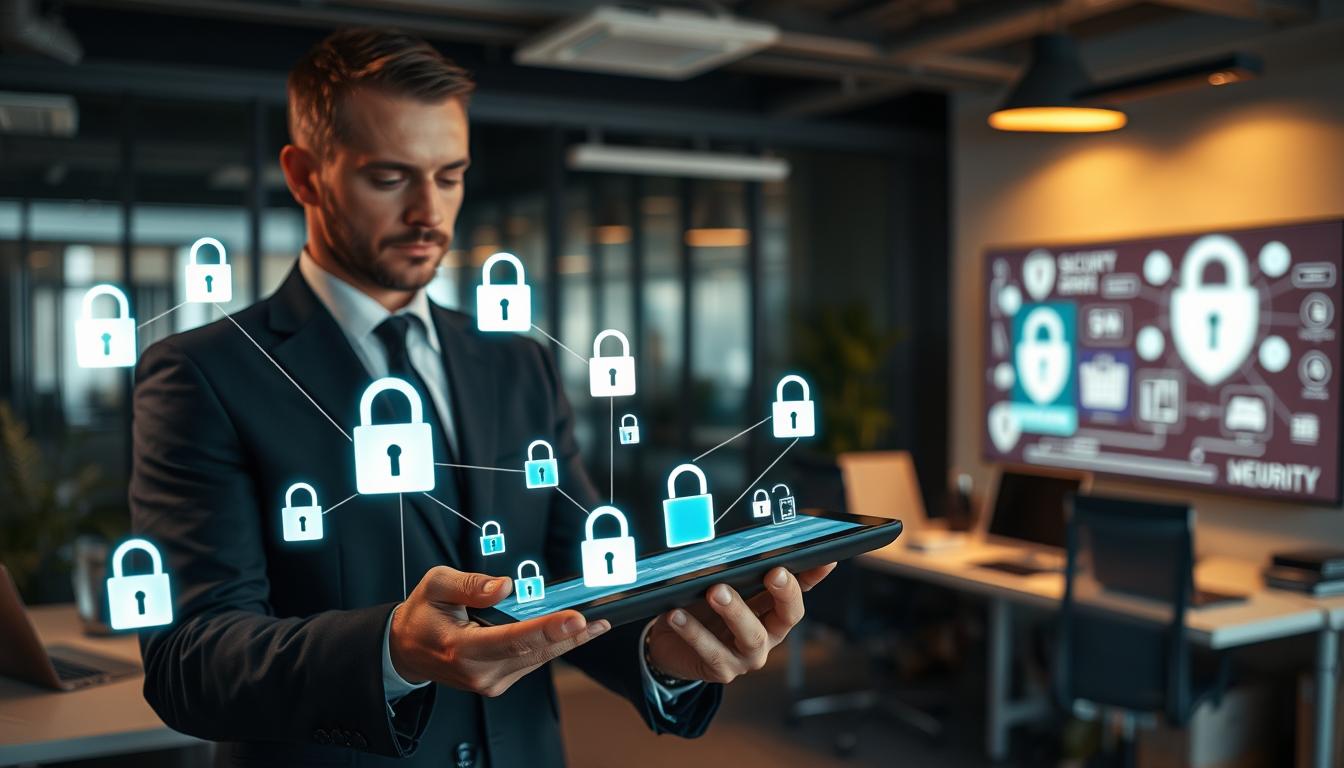
How to Stay Safe in a Digital World: Essential Guide

Your daily life is deeply connected to the online realm. From managing finances to connecting with friends, your personal information constantly travels across digital networks. This makes security awareness absolutely essential. This interconnected digital world includes online banking, social media, and even smart home devices. Each one requires your active protection. The internet has reshaped communication and work, but this convenience brings real safety challenges.Your approach to online security directly affects your financial health and personal privacy. This guide provides the practical knowledge you need to navigate the internet with confidence. You will learn to protect your information from various threats effectively.
Navigating this landscape isn't about avoiding technology. It's about making smart practices second nature. Your journey begins with understanding online risks and learning how to defend yourself, a topic also explored in this resource on staying safe in a digital world.
Key Takeaways
- Your personal and financial data is constantly active online, requiring vigilant protection.
- Modern life involves many digital touchpoints, from banking to social media, that need security.
- Online convenience comes with inherent risks that must be understood and managed.
- Your digital security habits have a direct impact on your financial and personal well-being.
- Effective protection is based on knowledge and implementing smart, habitual practices.
- Staying secure online is an active process of defense, not avoidance of technology.
Understanding the Landscape of Digital Risks
Your online presence exposes you to various threats that require constant vigilance. Cybercriminals employ sophisticated tactics to compromise your personal security and financial well-being.
Recognizing Phishing Scams and Unauthorized Access
Phishing represents one of the most common digital threats. Scammers send deceptive emails or text messages pretending to be trusted organizations. They create urgency to trick you into clicking malicious links or sharing sensitive information.
Consider Julie's experience: she received an email appearing to be from her bank. The message claimed suspicious activity and demanded immediate action. By following the link and providing her credentials, scammers gained access to her account.
Within days, her account was emptied through unauthorized purchases. This phishing scam demonstrates how quickly criminals can exploit stolen data.
Identifying Online Privacy Threats and Stranger Dangers
Beyond financial scams, your personal identity faces constant risk online. Romance scams alone cost older adults $240 million in 2022, affecting approximately 70,000 people.
Stranger danger extends into digital spaces where people may not be who they claim. Criminals create false personas to build trust before exploiting your desire for connection.
Any unexpected request for personal or financial information should raise immediate red flags. Protecting your digital security requires recognizing these manipulation tactics.
How to stay safe in a digital world
Your digital security begins with the devices you use every day and the information you share. This foundation protects your personal data from unauthorized access and maintains your online privacy.
Securing Your Devices and Personal Information
Strong passwords form your first defense layer. Microsoft Support recommends using at least 12 characters with uppercase and lowercase letters, numbers, and symbols. Avoid using names of people, pets, or organizations that others might guess.
Each password should be unique across different accounts. Reusing passwords creates vulnerability chains where one breach compromises multiple services.
Your digital footprint includes everything you post online, websites you visit, and emails you send. This permanent record can impact future opportunities significantly.
Career Builder reports that 38% of job applicants faced consequences for posting compromising content online. Students have lost scholarships and graduates missed job offers due to past online behavior.
Regularly review your privacy settings across all platforms. Ensure only trusted people can access your personal information and online activity. Social media accounts should remain private by default.
Research people before accepting connection requests. Maintain strict control over who sees your content. The internet offers great communication benefits, but balance these advantages against privacy risks.
Implementing Best Practices for Online Security
Your defensive approach to online activities determines your overall protection level. Building consistent habits creates multiple layers of defense against potential threats. These practices work together to safeguard your digital presence effectively.
Adopting these measures transforms your vulnerability into resilience. Each step contributes to a comprehensive security strategy. For deeper insights, explore this resource on implementing effective security practices.
Using Strong, Unique Passwords and Multi-Factor Authentication
Create robust passwords for every account you maintain. Each password should differ significantly from others. This prevents chain reactions if one service experiences a breach.
Multi-factor authentication adds essential protection layers. Even if criminals obtain your credentials, they cannot access your accounts. Enable this feature wherever available.
Updating Software and Managing App Permissions
Regular software updates patch critical security vulnerabilities. Enable automatic installations when possible. This ensures continuous protection against emerging threats.
Review app permissions using the "rule of least privilege." Delete unused applications immediately. Only download from trusted vendors to minimize risks.
Practicing Caution on Public Wi-Fi and Social Media
Avoid accessing sensitive information on public networks. These connections often lack proper encryption. Criminals can intercept your data easily.
Limit personal details shared through social media platforms. Keep financial numbers and vacation plans private. Disable location services to protect your physical safety.
| Security Area | Best Practice | Frequency | Effectiveness |
| Password Management | Use unique combinations | When creating accounts | High |
| Software Updates | Enable automatic installations | Continuous | Very High |
| Social Media | Review privacy settings | Monthly | Medium-High |
| Network Security | Change router defaults | Immediately | Critical |
Conclusion
You have now built a strong foundation for protecting your digital life. The steps you've learned create a powerful shield against phishing scams and identity theft. Your consistent habits are your best security.
Remember the positive power of technology. Studies show social media helps people feel connected. The internet provides amazing ways to communicate. Enjoy these benefits while managing the risk.
Protecting your personal information is an ongoing task. Your account details, like your name and numbers, are valuable. Stay alert to keep your safety a priority in this connected world.
Your actions today shape your future. For more on effective online safety practices, continue your education. Your awareness makes the entire digital world safer for everyone.
0 Comments
Be the first to share your thoughts on this article.