
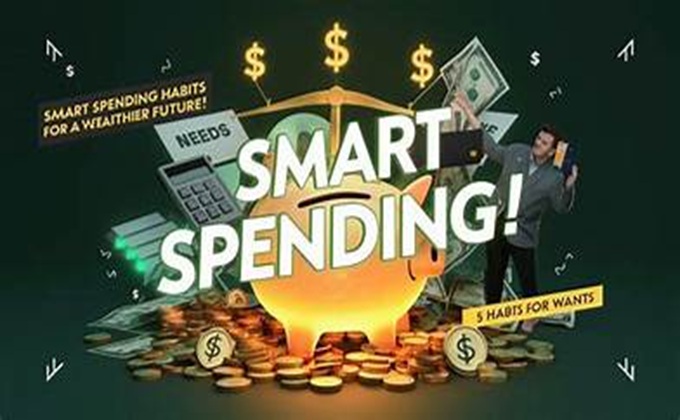
Smart Spending Habits That Build Wealth: A Guide
You can turn everyday money choices into steady progress toward your goals. This short guide shows clear, practical actions you can apply now. Start with a simple plan: spend less than you earn, set up automatic transfers, and keep monthly tracking to stay on course. Consistency matters more than one big win.Keep expenses stable as income rises, maintain a 3–6 month emergency fund, and prioritize paying high-interest balances first.
These moves protect your credit and reduce stress.
When you invest, favor low-cost index funds, rebalance periodically, and max out tax-advantaged accounts like a 401(k), IRA, or HSA when possible. Over time, small optimizations and automated systems make a big difference.
Key Takeaways
- Automate savings and bills to remove decision friction.
- Live below your means and track spending monthly.
- Keep a 3–6 month emergency fund to shield short-term shocks.
- Pay down high-interest debt and monitor credit utilization.
- Choose low-cost, diversified funds and rebalance once or twice a year.
- Increase contributions with raises to accelerate progress.
Lay the groundwork: core money habits that set you up for wealth
Begin with precise targets and a simple plan that shows where every dollar should go. Use S.M.A.R.T. financial goals that are specific, measurable, actionable, realistic, and time-bound. For example, "pay off $15,000 by year-end" or "max my 401(k) this year" makes progress obvious.
Set S.M.A.R.T. financial goals that align with your timeline
Define milestones and revisit them on a schedule. Milestones help you see progress and adjust the plan when income or priorities change.
Live below your means and plan where each dollar goes
Track core categories like housing, food, transportation, investments, and discretionary items. Name accounts for goals (for example, "Emergency" or "Down Payment") so your money follows the plan.
Automate good behavior: transfers, bills, and contributions
Set automatic transfers to savings and retirement. Schedule bill payments to avoid late fees and missed due dates.
Build credit wisely to unlock better loan and card options
Pay on time, keep utilization under 30%, and check your credit report annually for errors. Good credit helps you qualify for lower rates on loans and better card offers.
"Small, consistent actions over time create a stable financial foundation."
Budgeting that sticks: track your spending and stay on track
Start with a simple budget that groups your costs into essentials and extras so decisions get easier.
Make it realistic — list housing, food, transportation, insurance, debt, and discretionary items. This view helps you prioritize essentials and high-impact goals first.
Create a baseline by tracking every purchase for one month. Note where money slips away and use that information to set limits.
Create a simple budget and categorize expenses by needs vs wants
Separate needs from wants so you can cut optional items without hurting essentials. Use a spreadsheet or an app to simplify the work.
Review spending monthly to spot leaks and subscription creep
Set a calendar reminder to review your spending each month. Audit recurring services every few months and cancel those you don’t use.
- Track one month to baseline habits, then repeat monthly to compare trends.
- Audit subscriptions to stop small charges from growing into big yearly costs.
- Keep expenses steady as income rises and redirect raises to savings and investments.
| Action | Frequency | Benefit |
| Initial tracking | 1 month | Baseline spending information |
| Monthly review | Every month | Catch leaks and adjust categories |
| Subscription audit | Every 3–6 months | Stop unused services and save money |
| Redirect raises | When income changes | Increase savings without lifestyle creep |
"Small, consistent reviews help you keep expenses under control and reach goals faster."
Tackle high-interest debt and protect your credit health
Tackling high-interest balances early saves you money and clears the way for long-term goals. Choose a single payoff method and commit to it.
Consistency beats switching plans midstream.
Pick avalanche to minimize total interest or snowball to build early wins. List each loan and credit card with its balance, APR, and minimum payment. That list shows where extra payments make the biggest impact.
- Automate minimums and add targeted extra payments to your priority balance to avoid late fees.
- Keep utilization under 30% and pay cards and loans on time to protect your credit score.
- Review your credit report yearly and dispute errors promptly to catch problems early.
| Action | Why it matters | Simple rule |
| Choose a method | Focus prevents scattered progress | Avalanche or snowball, then stick to it |
| List balances | Targets extra payments effectively | Include balance, APR, min payment |
| Automate payments | Prevents fees and missed due dates | Set autopay for minimums + extras |
| Annual credit check | Find errors and avoid surprises | Pull report once a year |
Avoid emotional financial decisions. Put a 48-hour cooling-off rule before new obligations. Only consider balance transfers when fees and timelines improve your math.
For practical guidance on steps to get out of debt, review this debt recovery resource. Visual progress—charts or a simple tracker—keeps momentum as you free up money and time for future goals.
Save with purpose: emergency fund, savings accounts, and cash flow systems
Aim to build a cash buffer that covers essential bills for several months. Set a clear target: three to six months of core expenses. That cushion keeps you from tapping investments or high-rate credit when surprises arrive.
Grow an emergency fund covering three to six months of expenses
Start by calculating your core monthly outflows: housing, food, bills, and insurance. Multiply by three to six to set a realistic goal.
Fund it steadily with automatic transfers so saving happens before you spend.
Choose the right savings account to earn interest and enhance security
Select a dedicated, FDIC-insured savings account for this purpose. Keep it separate from your daily checking to reduce impulse withdrawals.
Balance liquidity and return: choose a competitive rate while preserving security and quick access for true emergencies.
Round up and automate to help make saving effortless
Automate payroll transfers and use round-up or sweep features to move spare change and under-budget amounts into the fund.
Verify transfers monthly, increase contributions after raises, and review coverage each year. Small, steady deposits and a clear account structure protect your cash and your plans.
"A dedicated, automated system turns saving from an option into a habit."
Smart Spending Habits That Build Wealth through investing and retirement
Let compound returns work for you by investing early and contributing on a schedule. Time in the market matters more than trying to time it. Regular deposits let compounding grow your balance across years.
Start early and stay invested: the power of time
Begin with a simple plan and keep contributions automatic. Small, steady amounts beat sporadic big bets and help you stay on track with financial goals.
Diversify and rebalance to manage risk
Spread assets across stocks, bonds, and other options to reduce volatility. Rebalance once or twice a year to return to your target mix.
Cut costs and favor low-fee funds
Choose low-fee index funds with expense ratios under 0.20% when possible. Lower fees mean more compounding working in your favor.
Maximize tax-advantaged accounts
Use accounts such as a 401(k), IRA, and HSA to boost retirement savings and reduce taxes. At minimum, capture any employer match offered to you.
Match risk to goals and avoid emotional reactions
Set a written plan and review it annually. When markets wobble, rely on rules and scheduled reviews to help make calm decisions instead of selling in panic.
"Consistent investing and low costs are two of the simplest ways to improve long-term results."
For practical guidance on retirement and investment options, see this investment options.
Increase income and reduce unnecessary expenses the smart way
Boost your income by adding practical side work, passive dividend streams, or paid consulting projects. You can use extra earnings to fund savings and investments instead of upgrading your lifestyle.
Add income streams through freelance work, part-time gigs, or dividend-focused portfolios. These options let you accelerate goal funding without touching your main paycheck.
Add income streams: side gigs, dividends, and freelance work
Identify skills you can monetize—tutoring, design, writing, or technical services—and pitch clear scopes to clients. Keep an "opportunity day" each week to network and apply for higher-paying roles.
Use the 48-hour rule and trim recurring services to curb impulse spending
Before any nonessential purchase, wait 48 hours. That pause reduces impulse purchase and improves financial decisions.
Audit recurring services quarterly. Cancel or downgrade subscriptions you rarely use so monthly expenses fall without losing value.
- Channel raises and windfalls first to savings and investing to avoid lifestyle creep.
- Use cash or set weekly caps to limit discretionary spending.
- Consider debt consolidation only when terms lower total cost; avoid adding a new loan that stretches payments.
"Small, repeatable income moves plus disciplined reviews of services create lasting progress."
Conclusion
Use a short monthly checklist to keep your money plan on course. Pick three actions—automate transfers, fund a dedicated savings account, and make an extra payment toward high-rate debt—and schedule them on your calendar.
Keep a 3–6 month emergency fund in a separate savings account, protect progress with the right insurance, and review your credit report yearly while keeping utilization low.
Remain consistent with low-cost investments, rebalance once or twice a year, and maximize retirement accounts to capture any employer match. Document goals, set a monthly review day, and get professional help when needed. For a concise checklist of practical steps, see these 10 money habits.

0 Comments Comments