
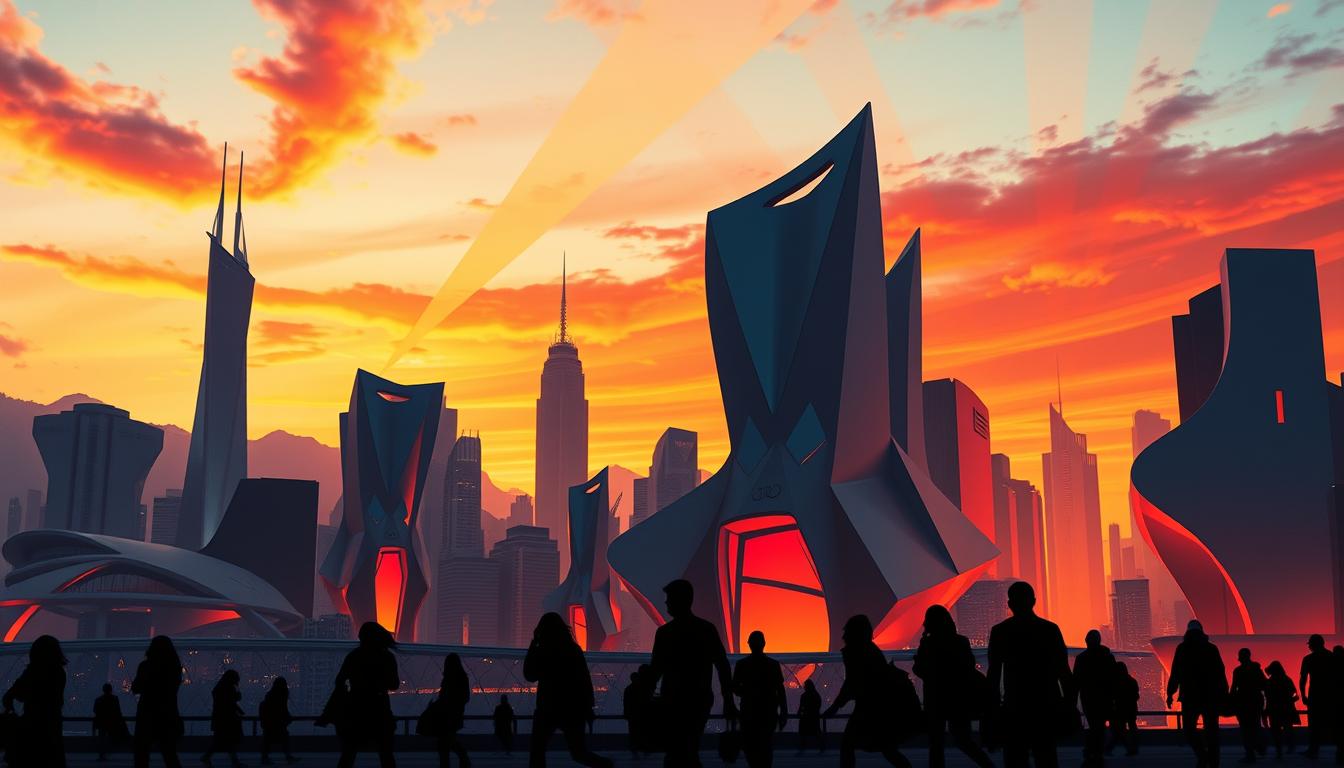
The Creative Revolution: How Generative AI Is Empowering (Not Replacing) Artists
Right now, you are witnessing a major shift in the world of art. New technology is changing how images are made and what they can be. This moment challenges old ideas about who gets to create and what counts as creative work. Powerful tools like Midjourney and DALL-E 2 can produce stunning visuals in seconds. This rapid change has started a big conversation. Many people who make art are asking if this technology is a helpful partner or a threat to their jobs. This is not about machines taking over. It is about expanding your own artistic vision. These new tools can help you push past old limits, exploring ideas that were once too difficult or time-consuming. Your idea of an artist is also changing. People without years of formal training can now make sophisticated art. This opens up creative expression to more people, raising new questions about originality and the special role of human experience.
Key Takeaways
- You are living through a historic shift in how art is created and understood.
- Generative AI tools act as collaborators, helping to expand creative possibilities.
- The debate centers on whether this technology supports or threatens traditional artistic careers.
- Access to advanced creative tools is becoming more democratic.
- This change brings up important questions about ownership, authenticity, and value.
- Many professionals are adapting by seeing AI as a catalyst for innovation.
- The relationship between human creativity and technology is being redefined.
The Evolution of Generative AI in the Creative Landscape
Creative tools have evolved dramatically over decades, with each technological leap expanding artistic possibilities. This journey spans from physical materials to sophisticated digital systems.
From Traditional Mediums to Digital Innovation
Artistic creation once relied on hands-on methods like paint and canvas. Over many years, technology introduced photography, then digital platforms. Each advancement built upon previous innovations. This progression mirrors historical shifts. When photography emerged, painters feared displacement. Instead, it created new artistic movements and opportunities.
Technological Milestones Shaping Art
Machine learning systems represent the latest milestone. These algorithms analyze vast datasets to recognize patterns and styles. The training process involves feeding millions of images.
"Every technological advancement in art has initially been met with skepticism, yet each has ultimately expanded creative horizons."
Generative Adversarial Networks (GANs) use a sophisticated feedback loop. One network generates content while another evaluates it. This competition drives continuous improvement.
| Traditional Tools | Digital Transition | AI Integration |
| Physical materials | Software applications | Algorithmic systems |
| Manual techniques | Digital interfaces | Automated processes |
| Limited reproduction | Easy duplication | Infinite variations |
Understanding these foundations helps appreciate current systems as tools built on research. They are not mysterious black boxes but refined instruments for creative expression.
Exploring New Artistic Forms and Expression
Visual creation has entered a transformative phase where traditional categories no longer confine imaginative possibilities. You can now explore artistic directions that blend multiple influences and techniques.
Breaking Traditional Boundaries
These tools let you experiment with hybrid approaches combining various movements. Surrealist interpretations merge with futuristic concepts in ways previously unimaginable.
Your creative expression transcends medium-specific limitations. Work across painting, photography, and 3D rendering without mastering each discipline separately.
Embracing Experimental Styles
Rapid generation enables bold experimentation with color palettes and compositions. You can test innovative concepts that might seem too risky using conventional methods.
Artists like Refik Anadol pioneer data-driven works transforming information into dynamic visual experiences. This approach challenges conventional definitions of beauty and artistic value.
Your engagement with these novel forms positions you at the forefront of artistic innovation. Explore pathways that previous generations could never have imagined.
How Generative AI Fuels Human Creativity
Imagine having a brainstorming partner that never tires, offering endless visual possibilities in moments. This partnership fuels your human creativity by expanding your initial ideas with unexpected suggestions.
Your role evolves from making every mark to directing the process. You become a curator, selecting and refining outputs to match your vision.
Collaborative Opportunities Between Humans and Machines
This relationship leverages computational power for tasks like color palettes or texture generation. It frees your mental energy for deeper conceptual work.
As artist Jon Rahman observes,
"It feels like moving from using a 3000-year-old ancient lyre to a Stradivarius violin in two short years."
The speed of improvement is remarkable.
Yet, these systems lack lived experience. They cannot feel heartbreak or joy. Your unique perspective provides the emotion and meaning that transforms generated content into genuine art.
The most successful artists use these tools to amplify, not replace, their vision. Your discernment guides the technology, ensuring the final work resonates with other humans.
Ethical and Legal Considerations in AI-Driven Art
As you explore AI art tools, complex questions about ownership and consent demand your attention. These platforms raise significant ethical challenges that affect creators worldwide.
Copyright and Ownership Debates
When you generate artwork using AI, ownership becomes unclear. The resulting content may blend elements from countless sources without clear attribution.
Current laws struggle to address this new creative landscape. Courts face difficult decisions about intellectual property rights in machine-generated works.
| Stakeholder | Copyright Claim | Legal Standing |
| Prompt User | Creative direction | Uncertain |
| AI Company | Tool provider | Database rights |
| Original Artists | Training data source | Infringement concerns |
Consent and Data Usage Concerns
Major platforms have trained their systems using vast image collections. Many artists discovered their work was included without permission.
This practice raises serious data ethics questions. Your awareness of these issues helps you make informed creative choices.
Understanding how systems were trained allows you to respect fellow creators' concerns. Transparent data practices benefit everyone in the artistic community.
Empowering the Creative Process with Innovative AI Tools
Your creative toolkit is expanding at an incredible pace, introducing powerful new methods for visual exploration. Platforms such as DALL-E 2 and Midjourney respond to your text descriptions, turning abstract ideas into concrete images almost instantly.
This shift changes your fundamental approach to making art. You are moving from hands-on execution to strategic direction.
Transforming the Role of the Artist
Your primary role evolves into that of a creative director. Instead of manually crafting every element, you now guide the creation process through carefully designed instructions.
Mastering the art of the prompt becomes a crucial skill. This practice, sometimes called "promptology," requires you to articulate your vision with precision.
Your artistic judgment is more vital than ever. You act as a curator, selecting the best outputs from countless options generated by these advanced tools.
Enhancing Creative Experimentation and Efficiency
These tools like Stable Diffusion supercharge your ability to experiment. You can generate dozens of variations in minutes, testing colors and compositions without heavy resource investment.
Automating routine tasks—like color matching or texture generation—frees your mental energy. This efficiency allows for quicker project completion and lets you focus on high-level conceptual work.
Your process becomes more iterative and bold. You can explore ideas that were once too risky, dramatically expanding your creative territory.
The Creative Revolution: How Generative AI Is Empowering (Not Replacing) Artists
Groundbreaking projects around the world reveal the tangible impact of this creative shift. These real-world examples show how technology enhances human vision rather than replacing it.
Real-World Case Studies and Success Stories
Refik Anadol's pioneering work demonstrates remarkable possibilities. His "Quantum Memories" project processed 200 million nature images into abstract 3D visuals. This scale would be impossible with traditional methods.
At MoMA, his "Unsupervised" installation used GAN models to reinterpret centuries of art. It creates speculative artwork imagining alternative art history paths. Anadol calls data "the new pigment" and AI a legitimate artistic medium.
Jason M. Allen's prize-winning "Théâtre D'opéra Spatial" generated controversy but also recognition. Similarly, an AI-generated photograph won Sony's Photograph of the Year award. These cases show sophisticated systems gaining mainstream acceptance.
These success stories collectively demonstrate how creators work at unprecedented scales. They explore new conceptual territories while expanding human creativity.
Impact on the Creative Economy and Job Landscape
Your career trajectory in artistic fields now intersects with technological advancement in unprecedented ways. The entire creative industry faces restructuring as automated tools challenge traditional employment patterns.
Shifting Roles of Traditional Artists
As a traditional artist or designer, your role evolves significantly. Technical execution becomes less critical than conceptual direction and emotional intelligence.
Entry-level positions face the most disruption. Tasks like basic design work and stock photography creation are increasingly automated. This forces experienced designers to differentiate through strategic thinking.
New Opportunities for Modern Creatives
Forward-thinking creatives discover hybrid positions that didn't exist before. Roles like prompt engineer and AI art director combine technical knowledge with artistic vision.
Modern creatives leverage these tools for faster iteration and innovative solutions. They deliver value that purely traditional approaches cannot match across various industries.
Your career resilience depends on offering what automation cannot. Deep contextual understanding and emotional authenticity become your competitive advantages in this evolving industry.
Navigating the Intersection of AI, Art, and Human Emotion
What separates human creation from machine generation is the emotional depth born from personal journey. While algorithms excel at pattern recognition, they operate without lived context or feeling.
Your creative work carries weight because it emerges from actual experiences. These moments shape perspective in ways data cannot replicate.
The Irreplaceable Value of Human Experience
Your ability to infuse work with authentic feeling comes from life's journey. Heartbreak, joy, wonder—these emotions inform artistic choices.
Director Tim Burton expressed concern about generated content's emotional void. He noted,
"It sucks something from you. It takes something from your soul or psyche; that is very disturbing."
This highlights the fundamental difference in creative intention. You express to communicate and process, while systems recombine without understanding.
| Human Emotional Capacity | AI Technical Capability | Creative Impact |
| Personal memory and feeling | Pattern analysis | Authentic resonance |
| Contextual understanding | Data processing | Meaningful narrative |
| Shared human experience | Style replication | Emotional connection |
Your most powerful applications of this technology amplify personal vision. They become tools for exploration rather than replacement.
The intersection challenges you to articulate what makes creativity valuable beyond technical skill. Your lived experience provides meaning machines cannot generate.
Democratizing Art: Enhancing Accessibility and Inclusivity
Previously exclusive creative spaces are now welcoming diverse voices through digital tools. This shift represents a fundamental change in who can participate in artistic expression.
Lowering Barriers for Aspiring Artists
Financial obstacles that once limited creative participation are disappearing. You no longer need expensive equipment or software subscriptions to produce professional-quality work.
Technical skill mastery is no longer the primary gatekeeper. Modern platforms enable you to translate conceptual vision directly into visual reality through simple text prompts.
This accessibility means you can explore artistic expression regardless of formal training or physical limitations. Creative participation now crosses socioeconomic and educational boundaries.
The creation process becomes more inclusive when you can iterate quickly without material costs. Your participation as part of this evolving ecosystem expands what defines an artist.
Diverse perspectives enrich the artistic landscape with fresh contributions. While technical barriers lower, awareness of new digital divides remains important for true inclusivity.
Future Trends and Challenges in the AI Art Movement
The road ahead for AI-assisted art is paved with remarkable potential and significant challenges. This movement continues to evolve rapidly, reshaping creative industries and raising important questions.
Your ability to adapt will be key. The conversation is far from settled, requiring ongoing learning and awareness.
Technological Advancements on the Horizon
Machine learning models are becoming increasingly sophisticated. Future systems will likely generate more nuanced and contextually appropriate content.
This growth holds immense potential. Tools may soon better understand emotional intent and create coherent narratives.
Such progress further blurs lines between human and machine creation. Your role as a creative guide will become even more vital.
Anticipating Regulatory Shifts and Industry Standards
Governments and industry bodies face pressing challenges. They must establish new frameworks for copyright and attribution.
The central question involves standardizing practices. How can guidelines protect artists while allowing innovation?
Designers and other professionals must develop hybrid skill sets. Your hand in shaping these standards through participation is crucial.
Adapting to this evolving landscape requires flexibility. Continuous education about legal and ethical standards is essential for navigating the future successfully.
Conclusion
This journey through the evolving landscape of art and technology reveals a fundamental truth about human ingenuity. Your creative potential expands when partnered with advanced tools.
These systems generate remarkable content and images, but your hand guides their meaning. Your lived experience infuses work with authentic emotion that algorithms cannot replicate.
Moving forward requires balancing excitement with ethical awareness. You face important challenges regarding ownership and fair practices.
Your participation in this community conversation helps shape the future. Embrace these tools as extensions of imagination while advocating for artists' rights.
The path ahead is yours to define. Your unique vision remains the heart of meaningful creation.
0 Comments Comments