
Investing
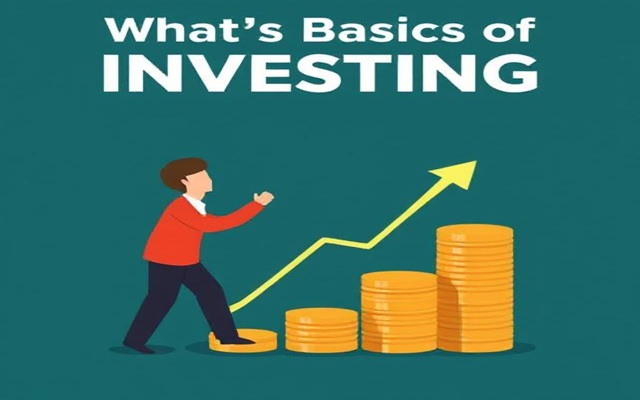
What's Basics of Investing

Understanding investment options is crucial for single adults aiming to secure their financial future while adhering to the principles of spending less than
they earn and avoiding debt. As you embark on your investment journey, it’s vital to familiarize yourself with the various avenues available, each with its
own risk and return profile. This knowledge not only empowers you to make informed decisions but also helps you align your investment choices with
your personal financial goals, ultimately contributing to your financial freedom.
One of the most common investment options is stocks, which represent ownership in a company. Investing in stocks can yield high returns over time,
but it also comes with increased volatility and risk. For single savers, a diversified portfolio that includes stocks can be an effective way to grow
wealth, as historical data suggests that equities tend to outperform other asset classes in the long run. However, it’s essential to assess your risk
tolerance and investment horizon before diving into the stock market. Understanding the basics of stock trading and market dynamics will further
enhance your ability to make sound investment choices.
?si=GFJZpaJg5flsPfME">?si=GFJZpaJg5flsPfME
One of the most common investment options is stocks, which represent ownership in a company. Investing in stocks can yield high returns over time,
but it also comes with increased volatility and risk. For single savers, a diversified portfolio that includes stocks can be an effective way to grow
wealth, as historical data suggests that equities tend to outperform other asset classes in the long run. However, it’s essential to assess your risk
tolerance and investment horizon before diving into the stock market.
Understanding the basics of stock trading and market dynamics will further enhance your ability to make sound investment choices.
Mutual funds and exchange-traded funds (ETFs) offer a more accessible way to invest in a diversified portfolio without requiring extensive knowledge of
individual stocks or bonds. These funds pool money from multiple investors to purchase a variety of securities, which can help mitigate risk. For single
savers, investing in mutual funds or ETFs can be a practical choice, as they often come with lower fees and the advantage of professional management.
It’s important to research and select funds that align with your investment objectives and risk tolerance, ensuring that your money is working efficiently
for your future.
Real estate is another investment avenue worth considering, particularly for those looking to build long-term wealth. While it may require more capital
upfront, investing in rental properties or real estate investment trusts (REITs) can provide passive income and potential appreciation over time. Single
adults should weigh the benefits and responsibilities of real estate investment, including property management and market fluctuations. By
diversifying your investment portfolio with various asset classes, you can enhance your financial stability and create a roadmap toward achieving
lasting financial independence. Understanding these investment options is the first step in making informed decisions that align with your financial
aspirations.
The Power of Compound Interest
The concept of compound interest is one of the most powerful tools in personal finance, especially for single adults seeking to secure their financial
future. At its core, compound interest is the process where the interest earned on an investment is reinvested, leading to interest being calculated
on both the initial principal and the accumulated interest from previous periods. This creates a snowball effect where the investment grows
exponentially over time. Understanding this principle is crucial for single savers, as it can significantly impact their ability to build wealth and achieve
financial independence.
For single adults who are focused on spending less than they earn, the benefits of compound interest become even more pronounced. By setting
aside a portion of their income into a high-yield savings account or an investment vehicle, they can leverage the power of compounding. Even
modest contributions can lead to substantial gains over time. For example, if a single saver invests $200 a month in an account yielding an average
annual return of 7%, they will have accumulated over $100,000 after 30 years. This illustrates the importance of starting early and consistently
saving, as the earlier one begins to invest, the more time their money has to grow.
Moreover, avoiding debt is a critical aspect of maximizing the benefits of compound interest. Interest charges on debt can erode savings and
investment returns, creating a cycle that can be difficult to escape. When single adults prioritize paying off high-interest debts, they free up more of
their income to invest. By shifting focus from borrowing to saving, they can redirect funds that would have gone towards interest payments into
investments that yield compound interest. This proactive approach not only helps in avoiding the pitfalls of debt but also enhances the potential for
wealth accumulation.
Investing wisely is another key factor in harnessing the power of compound interest. Single savers should consider diversifying their investments across
various asset classes such as stocks, bonds, and real estate. Each of these options has the potential to generate compound interest, but they also come
with varying levels of risk. Understanding one’s risk tolerance and aligning investment choices accordingly is vital. Additionally, taking advantage of taxadvantaged accounts, such as IRAs or 401(k)s, can further enhance the effects of compounding, as the growth within these accounts is tax-deferred,
allowing for even greater accumulation over time. The power of compound interest is an indispensable ally for
single adults on their journey toward financial freedom. By spending less than they earn, avoiding debt, and investing wisely, they can unlock the full
potential of their savings. This financial strategy not only lays the groundwork for a secure future but also empowers single savers to take control of their
financial destinies. Embracing the principles of compound interest can transform a disciplined approach to saving into a robust wealth-building
strategy, ultimately leading to greater financial independence and peace of mind.
?si=GFJZpaJg5flsPfME">?si=GFJZpaJg5flsPfME
Risk vs. Reward in Investment Decisions
In the realm of personal finance, the concept of risk versus reward plays a crucial role in investment decisions. Understanding this balance is essential,
particularly for single adults who often navigate financial independence without the safety net of a dual-income household. When approaching
investments, it is vital to recognize that higher potential returns typically come with increased risks. This subchapter will explore the dynamics of risk and
reward, guiding single savers in making informed choices that align with their financial goals. Investments can be categorized into three primary types: low risk, moderate risk, and high risk. Low-risk investments, such as government bonds and high-yield savings accounts, generally offer lower returns but provide a sense of security for your principal amount. Moderate-risk options, like index funds or exchange-traded funds (ETFs), can yield better returns while still
maintaining a relatively safe position in the market. High-risk investments, including individual stocks or cryptocurrencies, have the potential for
significant gains but also bear the possibility of substantial losses. Understanding where each investment falls on this spectrum is crucial for
single adults who must carefully evaluate their financial stability and risk tolerance.
For single adults with limited financial support systems, it is imperative to approach investment decisions with a strategic mindset. This means
assessing personal financial situations comprehensively, including income, expenses, and existing debts. A well-crafted budget can provide clarity on
how much disposable income is available for investment. Additionally, establishing an emergency fund should be a priority, as it acts as a financial
buffer that allows for more aggressive investment strategies without jeopardizing day-to-day living standards. By creating a robust financial
foundation, single savers can confidently explore higher-risk opportunities that align with their long-term objectives.
Risk management techniques are essential tools for navigating the investment landscape. Diversification is one of the most effective strategies
to mitigate risk; by spreading investments across various asset classes, industries, and geographies, single savers can reduce the impact of a poorperforming
investment. Another crucial technique involves setting clear investment goals and timelines, which helps to establish a framework for
evaluating potential risks and rewards. By aligning investment choices with specific milestones—such as saving for a home, retirement, or travel—
individuals can better gauge the appropriateness of the risk they are willing to undertake.
Ultimately, understanding the interplay between risk and reward empowers single adults to make sound investment decisions tailored to their unique
financial situations. By carefully weighing potential gains against the risks involved, individuals can cultivate a balanced investment portfolio that
reflects their aspirations for financial freedom. Embracing a thoughtful approach to investing not only enhances the potential for wealth
accumulation but also fosters a sense of confidence and control over one’s financial future. As single savers embark on their investment journeys, the
principle of risk versus reward should remain at the forefront of their decision making processes, guiding them toward sustainable financial success.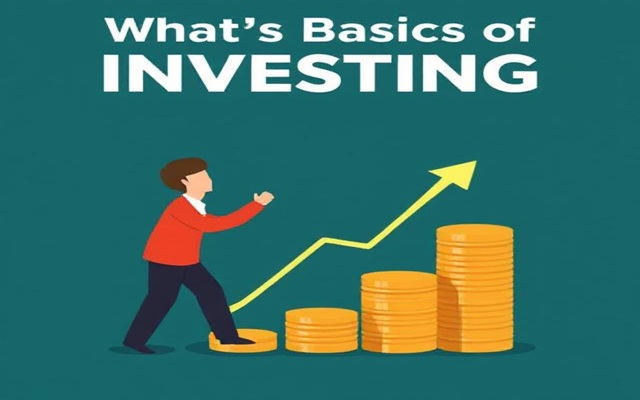
they earn and avoiding debt. As you embark on your investment journey, it’s vital to familiarize yourself with the various avenues available, each with its
own risk and return profile. This knowledge not only empowers you to make informed decisions but also helps you align your investment choices with
your personal financial goals, ultimately contributing to your financial freedom.
One of the most common investment options is stocks, which represent ownership in a company. Investing in stocks can yield high returns over time,
but it also comes with increased volatility and risk. For single savers, a diversified portfolio that includes stocks can be an effective way to grow
wealth, as historical data suggests that equities tend to outperform other asset classes in the long run. However, it’s essential to assess your risk
tolerance and investment horizon before diving into the stock market. Understanding the basics of stock trading and market dynamics will further
enhance your ability to make sound investment choices.
?si=GFJZpaJg5flsPfME">?si=GFJZpaJg5flsPfME
One of the most common investment options is stocks, which represent ownership in a company. Investing in stocks can yield high returns over time,
but it also comes with increased volatility and risk. For single savers, a diversified portfolio that includes stocks can be an effective way to grow
wealth, as historical data suggests that equities tend to outperform other asset classes in the long run. However, it’s essential to assess your risk
tolerance and investment horizon before diving into the stock market.
Understanding the basics of stock trading and market dynamics will further enhance your ability to make sound investment choices.
Mutual funds and exchange-traded funds (ETFs) offer a more accessible way to invest in a diversified portfolio without requiring extensive knowledge of
individual stocks or bonds. These funds pool money from multiple investors to purchase a variety of securities, which can help mitigate risk. For single
savers, investing in mutual funds or ETFs can be a practical choice, as they often come with lower fees and the advantage of professional management.
It’s important to research and select funds that align with your investment objectives and risk tolerance, ensuring that your money is working efficiently
for your future.
Real estate is another investment avenue worth considering, particularly for those looking to build long-term wealth. While it may require more capital
upfront, investing in rental properties or real estate investment trusts (REITs) can provide passive income and potential appreciation over time. Single
adults should weigh the benefits and responsibilities of real estate investment, including property management and market fluctuations. By
diversifying your investment portfolio with various asset classes, you can enhance your financial stability and create a roadmap toward achieving
lasting financial independence. Understanding these investment options is the first step in making informed decisions that align with your financial
aspirations.
The Power of Compound Interest
The concept of compound interest is one of the most powerful tools in personal finance, especially for single adults seeking to secure their financial
future. At its core, compound interest is the process where the interest earned on an investment is reinvested, leading to interest being calculated
on both the initial principal and the accumulated interest from previous periods. This creates a snowball effect where the investment grows
exponentially over time. Understanding this principle is crucial for single savers, as it can significantly impact their ability to build wealth and achieve
financial independence.
For single adults who are focused on spending less than they earn, the benefits of compound interest become even more pronounced. By setting
aside a portion of their income into a high-yield savings account or an investment vehicle, they can leverage the power of compounding. Even
modest contributions can lead to substantial gains over time. For example, if a single saver invests $200 a month in an account yielding an average
annual return of 7%, they will have accumulated over $100,000 after 30 years. This illustrates the importance of starting early and consistently
saving, as the earlier one begins to invest, the more time their money has to grow.
Moreover, avoiding debt is a critical aspect of maximizing the benefits of compound interest. Interest charges on debt can erode savings and
investment returns, creating a cycle that can be difficult to escape. When single adults prioritize paying off high-interest debts, they free up more of
their income to invest. By shifting focus from borrowing to saving, they can redirect funds that would have gone towards interest payments into
investments that yield compound interest. This proactive approach not only helps in avoiding the pitfalls of debt but also enhances the potential for
wealth accumulation.
Investing wisely is another key factor in harnessing the power of compound interest. Single savers should consider diversifying their investments across
various asset classes such as stocks, bonds, and real estate. Each of these options has the potential to generate compound interest, but they also come
with varying levels of risk. Understanding one’s risk tolerance and aligning investment choices accordingly is vital. Additionally, taking advantage of taxadvantaged accounts, such as IRAs or 401(k)s, can further enhance the effects of compounding, as the growth within these accounts is tax-deferred,
allowing for even greater accumulation over time. The power of compound interest is an indispensable ally for
single adults on their journey toward financial freedom. By spending less than they earn, avoiding debt, and investing wisely, they can unlock the full
potential of their savings. This financial strategy not only lays the groundwork for a secure future but also empowers single savers to take control of their
financial destinies. Embracing the principles of compound interest can transform a disciplined approach to saving into a robust wealth-building
strategy, ultimately leading to greater financial independence and peace of mind.
?si=GFJZpaJg5flsPfME">?si=GFJZpaJg5flsPfME
Risk vs. Reward in Investment Decisions
In the realm of personal finance, the concept of risk versus reward plays a crucial role in investment decisions. Understanding this balance is essential,
particularly for single adults who often navigate financial independence without the safety net of a dual-income household. When approaching
investments, it is vital to recognize that higher potential returns typically come with increased risks. This subchapter will explore the dynamics of risk and
reward, guiding single savers in making informed choices that align with their financial goals. Investments can be categorized into three primary types: low risk, moderate risk, and high risk. Low-risk investments, such as government bonds and high-yield savings accounts, generally offer lower returns but provide a sense of security for your principal amount. Moderate-risk options, like index funds or exchange-traded funds (ETFs), can yield better returns while still
maintaining a relatively safe position in the market. High-risk investments, including individual stocks or cryptocurrencies, have the potential for
significant gains but also bear the possibility of substantial losses. Understanding where each investment falls on this spectrum is crucial for
single adults who must carefully evaluate their financial stability and risk tolerance.
For single adults with limited financial support systems, it is imperative to approach investment decisions with a strategic mindset. This means
assessing personal financial situations comprehensively, including income, expenses, and existing debts. A well-crafted budget can provide clarity on
how much disposable income is available for investment. Additionally, establishing an emergency fund should be a priority, as it acts as a financial
buffer that allows for more aggressive investment strategies without jeopardizing day-to-day living standards. By creating a robust financial
foundation, single savers can confidently explore higher-risk opportunities that align with their long-term objectives.
Risk management techniques are essential tools for navigating the investment landscape. Diversification is one of the most effective strategies
to mitigate risk; by spreading investments across various asset classes, industries, and geographies, single savers can reduce the impact of a poorperforming
investment. Another crucial technique involves setting clear investment goals and timelines, which helps to establish a framework for
evaluating potential risks and rewards. By aligning investment choices with specific milestones—such as saving for a home, retirement, or travel—
individuals can better gauge the appropriateness of the risk they are willing to undertake.
Ultimately, understanding the interplay between risk and reward empowers single adults to make sound investment decisions tailored to their unique
financial situations. By carefully weighing potential gains against the risks involved, individuals can cultivate a balanced investment portfolio that
reflects their aspirations for financial freedom. Embracing a thoughtful approach to investing not only enhances the potential for wealth
accumulation but also fosters a sense of confidence and control over one’s financial future. As single savers embark on their investment journeys, the
principle of risk versus reward should remain at the forefront of their decision making processes, guiding them toward sustainable financial success.
0 Comments
Be the first to share your thoughts on this article.