
Financial Literacy
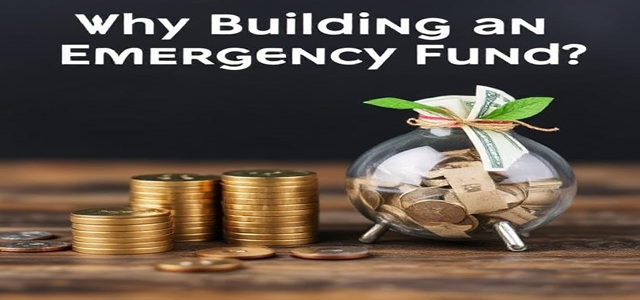
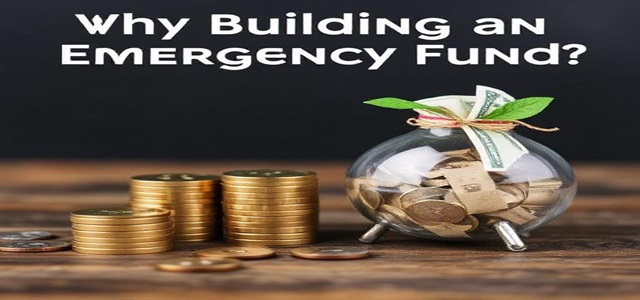
Why Building an Emergency Fund
An emergency fund is an essential component of a sound financial strategy, especially for single adults navigating the complexities of personal finance.
Life is unpredictable, and unexpected expenses can arise at any moment, whether it's a medical emergency, car repairs, or sudden job loss. An
emergency fund serves as a financial safety net, allowing you to manage these challenges without resorting to high-interest debt or derailing your
budget. Establishing an emergency fund is not merely a recommendation; it is a necessary step toward achieving financial stability and independence.
The purpose of an emergency fund is to provide a cushion against life’s uncertainties. Without this safety net, a single unexpected expense can lead
to a cascade of financial problems. For instance, if your car breaks down and you lack the funds to cover the repair, you might be forced to use a credit
card, which can lead to mounting debt due to interest charges. By having an emergency fund, you can pay for these unexpected costs outright, preserving
your financial health and keeping your budget on track.
?si=zatMQmEAxE2-Z-Nt">?si=zatMQmEAxE2-Z-Nt
Building an emergency fund also fosters a sense of control and peace of mind. Knowing that you have savings set aside can alleviate stress during
difficult times. This financial cushion allows you to make more thoughtful decisions rather than reactive ones. For instance, if you face a job loss,
having an emergency fund can give you the breathing room to search for a new position rather than feeling pressured to accept the first available job,
which may not align with your career goals. This sense of security can enhance your overall well-being, allowing you to focus on your personal and
professional growth.
Determining the appropriate amount for your emergency fund is crucial. Financial experts often recommend saving three to six months' worth of living
expenses. This range provides a comfortable buffer for most unexpected situations. However, the exact amount can vary based on individual
circumstances, such as job stability, health considerations, and personal preferences. It’s essential to assess your unique situation when setting your
savings goal. Starting small and gradually increasing your fund can make the process more manageable and less daunting.
Establishing an emergency fund is a fundamental step toward financial independence for single adults. It protects against unforeseen
expenses, reduces financial stress, and empowers you to make informed decisions. By taking the time to build your emergency savings, you are not
just preparing for potential hardships; you are also investing in your future. This financial strategy aligns perfectly with the principles of spending less
than you earn, avoiding debt, and investing wisely, all of which are vital components of achieving lasting financial freedom. Investing in your
emergency fund is an investment in your peace of mind and your ability to thrive, regardless of what life may throw your way.
How Much Should You Save?
How much you should save is a question that often looms large over the financial decisions of single adults. In an era marked by rising living costs
and a competitive job market, establishing a solid savings strategy is crucial for ensuring financial security and independence. The answer to this
question is not one-size-fits-all; it depends on various factors, including income, expenses, lifestyle choices, and future financial goals. By
understanding these variables, you can create a personalized savings plan that aligns with your aspirations and financial situation.
A commonly recommended benchmark is to save at least 20% of your income. This rule of thumb emphasizes the importance of prioritizing savings
as a non-negotiable expense, much like rent or utilities. If your monthly income is $3,000, setting aside $600 for savings can be a manageable goal.
However, this percentage can be adjusted based on your unique circumstances. For example, if you have high fixed expenses or are working
to pay off debt, you might start with a smaller percentage and gradually increase it as your financial situation improves. The key is to establish a
consistent savings habit that works for you.
Emergency savings should also be a focal point in your savings strategy. Financial experts typically recommend having three to six months’ worth of
living expenses saved in an easily accessible account. This safety net can provide peace of mind and financial stability in the event of unexpected
expenses, such as medical emergencies or job loss. For a single adult, this could mean accumulating anywhere from $6,000 to $18,000, depending on
your monthly expenses. Building this fund may take time, but prioritizing it can prevent you from falling into debt during crises. In addition to emergency savings, consider your long-term financial goals, such as retirement or major life purchases like a home. Contributing to a retirement account, such as a 401(k) or an IRA, should be a fundamental part of your savings plan. A common recommendation is to aim to save 15%
of your income for retirement, especially if your employer offers matching contributions. This not only helps secure your future but also takes
advantage of compound interest, allowing your money to grow over time. The earlier you start, the more you will benefit from this powerful financial
principle.
Finally, remember that saving is not just about setting aside money; it’s about creating a sustainable lifestyle that allows you to spend less than you earn.
This involves making conscious choices about your expenditures and finding ways to live within your means. Budgeting can be an effective tool in this
process, helping you identify unnecessary expenses and redirect those funds into savings. By adopting a frugal mindset and prioritizing your financial
goals, you can cultivate the discipline needed to save effectively and pave the way toward financial independence.
?si=zatMQmEAxE2-Z-Nt">?si=zatMQmEAxE2-Z-Nt
Tips for Building Your Fund Quickly
Building a fund quickly is a crucial step for single adults seeking financial independence. Whether you are saving for an emergency fund, a down
payment on a home, or simply to invest for the future, the right strategies can help you accelerate your savings. Here are some effective tips to help you
build your fund rapidly while still maintaining a balanced lifestyle. First, establish a clear savings goal. Having a specific target in mind not only
provides motivation but also helps you create a realistic plan for achieving it. Determine how much you want to save and by when. Break this down into
manageable monthly or weekly contributions. By setting a precise goal, you can track your progress more easily and adjust your spending habits
accordingly to ensure you stay on track.
Next, evaluate your current expenses and identify areas where you can cut back. This process involves a thorough review of your monthly budget. Look
for non-essential expenses that can be minimized or eliminated. Subscriptions, dining out, and impulse purchases are common culprits. By
reallocating this money toward your savings fund, you can build your financial cushion much faster. Consider adopting a more frugal lifestyle,
which can not only increase your savings but also provide you with a greater sense of control over your finances.
Additionally, consider automating your savings. Setting up automatic transfers from your checking account to your savings account on payday can
help you save consistently without the temptation to spend that money. Treat your savings like a recurring bill that must be paid each month. This
approach not only helps you build your fund quickly but also instills a discipline that is essential for long-term financial health. Many banks and
financial institutions offer high-interest savings accounts, so look for options that can help your money grow while you save.
Another effective strategy is to seek out additional income streams. Explore opportunities for side gigs, freelancing, or part-time work that align with your
skills and interests. This extra income can be directed entirely toward your savings fund, significantly boosting your financial progress. Even small
amounts can add up over time, and the effort you put into these ventures can pay off in a much shorter timeframe than relying solely on your primary
income.
Finally, stay motivated by celebrating milestones along the way. As you reach certain savings thresholds, take a moment to acknowledge your
achievements. This recognition can reinforce your commitment to building your fund and encourage you to continue making smart financial choices.
Remember, the journey to financial independence is a marathon, not a sprint. By employing these strategies, you can build your fund quickly while laying a
strong foundation for your financial future.
Life is unpredictable, and unexpected expenses can arise at any moment, whether it's a medical emergency, car repairs, or sudden job loss. An
emergency fund serves as a financial safety net, allowing you to manage these challenges without resorting to high-interest debt or derailing your
budget. Establishing an emergency fund is not merely a recommendation; it is a necessary step toward achieving financial stability and independence.
The purpose of an emergency fund is to provide a cushion against life’s uncertainties. Without this safety net, a single unexpected expense can lead
to a cascade of financial problems. For instance, if your car breaks down and you lack the funds to cover the repair, you might be forced to use a credit
card, which can lead to mounting debt due to interest charges. By having an emergency fund, you can pay for these unexpected costs outright, preserving
your financial health and keeping your budget on track.
?si=zatMQmEAxE2-Z-Nt">?si=zatMQmEAxE2-Z-Nt
Building an emergency fund also fosters a sense of control and peace of mind. Knowing that you have savings set aside can alleviate stress during
difficult times. This financial cushion allows you to make more thoughtful decisions rather than reactive ones. For instance, if you face a job loss,
having an emergency fund can give you the breathing room to search for a new position rather than feeling pressured to accept the first available job,
which may not align with your career goals. This sense of security can enhance your overall well-being, allowing you to focus on your personal and
professional growth.
Determining the appropriate amount for your emergency fund is crucial. Financial experts often recommend saving three to six months' worth of living
expenses. This range provides a comfortable buffer for most unexpected situations. However, the exact amount can vary based on individual
circumstances, such as job stability, health considerations, and personal preferences. It’s essential to assess your unique situation when setting your
savings goal. Starting small and gradually increasing your fund can make the process more manageable and less daunting.
Establishing an emergency fund is a fundamental step toward financial independence for single adults. It protects against unforeseen
expenses, reduces financial stress, and empowers you to make informed decisions. By taking the time to build your emergency savings, you are not
just preparing for potential hardships; you are also investing in your future. This financial strategy aligns perfectly with the principles of spending less
than you earn, avoiding debt, and investing wisely, all of which are vital components of achieving lasting financial freedom. Investing in your
emergency fund is an investment in your peace of mind and your ability to thrive, regardless of what life may throw your way.
How Much Should You Save?
How much you should save is a question that often looms large over the financial decisions of single adults. In an era marked by rising living costs
and a competitive job market, establishing a solid savings strategy is crucial for ensuring financial security and independence. The answer to this
question is not one-size-fits-all; it depends on various factors, including income, expenses, lifestyle choices, and future financial goals. By
understanding these variables, you can create a personalized savings plan that aligns with your aspirations and financial situation.
A commonly recommended benchmark is to save at least 20% of your income. This rule of thumb emphasizes the importance of prioritizing savings
as a non-negotiable expense, much like rent or utilities. If your monthly income is $3,000, setting aside $600 for savings can be a manageable goal.
However, this percentage can be adjusted based on your unique circumstances. For example, if you have high fixed expenses or are working
to pay off debt, you might start with a smaller percentage and gradually increase it as your financial situation improves. The key is to establish a
consistent savings habit that works for you.
Emergency savings should also be a focal point in your savings strategy. Financial experts typically recommend having three to six months’ worth of
living expenses saved in an easily accessible account. This safety net can provide peace of mind and financial stability in the event of unexpected
expenses, such as medical emergencies or job loss. For a single adult, this could mean accumulating anywhere from $6,000 to $18,000, depending on
your monthly expenses. Building this fund may take time, but prioritizing it can prevent you from falling into debt during crises. In addition to emergency savings, consider your long-term financial goals, such as retirement or major life purchases like a home. Contributing to a retirement account, such as a 401(k) or an IRA, should be a fundamental part of your savings plan. A common recommendation is to aim to save 15%
of your income for retirement, especially if your employer offers matching contributions. This not only helps secure your future but also takes
advantage of compound interest, allowing your money to grow over time. The earlier you start, the more you will benefit from this powerful financial
principle.
Finally, remember that saving is not just about setting aside money; it’s about creating a sustainable lifestyle that allows you to spend less than you earn.
This involves making conscious choices about your expenditures and finding ways to live within your means. Budgeting can be an effective tool in this
process, helping you identify unnecessary expenses and redirect those funds into savings. By adopting a frugal mindset and prioritizing your financial
goals, you can cultivate the discipline needed to save effectively and pave the way toward financial independence.
?si=zatMQmEAxE2-Z-Nt">?si=zatMQmEAxE2-Z-Nt
Tips for Building Your Fund Quickly
Building a fund quickly is a crucial step for single adults seeking financial independence. Whether you are saving for an emergency fund, a down
payment on a home, or simply to invest for the future, the right strategies can help you accelerate your savings. Here are some effective tips to help you
build your fund rapidly while still maintaining a balanced lifestyle. First, establish a clear savings goal. Having a specific target in mind not only
provides motivation but also helps you create a realistic plan for achieving it. Determine how much you want to save and by when. Break this down into
manageable monthly or weekly contributions. By setting a precise goal, you can track your progress more easily and adjust your spending habits
accordingly to ensure you stay on track.
Next, evaluate your current expenses and identify areas where you can cut back. This process involves a thorough review of your monthly budget. Look
for non-essential expenses that can be minimized or eliminated. Subscriptions, dining out, and impulse purchases are common culprits. By
reallocating this money toward your savings fund, you can build your financial cushion much faster. Consider adopting a more frugal lifestyle,
which can not only increase your savings but also provide you with a greater sense of control over your finances.
Additionally, consider automating your savings. Setting up automatic transfers from your checking account to your savings account on payday can
help you save consistently without the temptation to spend that money. Treat your savings like a recurring bill that must be paid each month. This
approach not only helps you build your fund quickly but also instills a discipline that is essential for long-term financial health. Many banks and
financial institutions offer high-interest savings accounts, so look for options that can help your money grow while you save.
Another effective strategy is to seek out additional income streams. Explore opportunities for side gigs, freelancing, or part-time work that align with your
skills and interests. This extra income can be directed entirely toward your savings fund, significantly boosting your financial progress. Even small
amounts can add up over time, and the effort you put into these ventures can pay off in a much shorter timeframe than relying solely on your primary
income.
Finally, stay motivated by celebrating milestones along the way. As you reach certain savings thresholds, take a moment to acknowledge your
achievements. This recognition can reinforce your commitment to building your fund and encourage you to continue making smart financial choices.
Remember, the journey to financial independence is a marathon, not a sprint. By employing these strategies, you can build your fund quickly while laying a
strong foundation for your financial future.

0 Comments Comments