
Taxes
Claim Your PAYE Refund Before the Deadline Hits

Table of Contents
1 Introduction: The Looming Deadline for PAYE Tax Refunds2 Understanding the PAYE System and Why Overpayments Occur
3 How to Identify if You Are Owed a Tax Refund
- Common Reasons for Overpaying Tax
- Interpreting Your Tax Code
5 Step-by-Step Guide to Claiming Your PAYE Refund
- The Automatic Reconciliation Process (P800)
- Using the HMRC App and Personal Tax Account
- Claiming In-Year vs. After the Tax Year Ends
7 Avoiding Common Pitfalls and Tax Refund Scams
Conclusion: Securing Your Hard-Earned Money
Frequently Asked Questions (FAQ)
External References and Resources
The Looming Deadline for PAYE Tax Refunds
As the current financial landscape continues to evolve, thousands of taxpayers across the United Kingdom may be unknowingly leaving substantial sums of money on the table. Each year, the HM Revenue and Customs (HMRC) processes millions of tax records, yet a significant portion of the workforce overpays their income tax through the Pay As You Earn (PAYE) system. While HMRC attempts to rectify many of these discrepancies automatically, the responsibility often falls on the individual to identify and claim what is rightfully theirs.The urgency of this matter cannot be overstated. Tax laws mandate a strict window for claiming overpaid tax, typically limited to four years from the end of the tax year in which the overpayment occurred. As we approach the end of the current cycle, the window for older tax years is rapidly closing. For many, this represents a final opportunity to recover hundreds or even thousands of pounds. This guide serves as a comprehensive resource to help you navigate the complexities of the PAYE refund process, ensuring you meet the necessary deadlines and secure your financial future.
Homeowners, employees, and pensioners alike must remain vigilant. Whether you have changed jobs, experienced a gap in employment, or were simply assigned an incorrect tax code, the potential for a refund is high. In the following sections, we will delve into the mechanics of the PAYE system, the specific triggers for overpayment, and the precise steps required to initiate a successful claim before the opportunity vanishes.
Understanding the PAYE System and Why Overpayments Occur
The Pay As You Earn (PAYE) system is the primary method by which HMRC collects Income Tax and National Insurance contributions from employees and occupational pensioners. Under this arrangement, employers and pension providers deduct tax directly from your gross pay or pension before you receive it. Ideally, the system is designed to collect the exact amount of tax you owe throughout the year, distributed evenly across your pay periods. However, the reality is often more complex, leading to frequent overpayments.Overpayments typically occur when the information held by HMRC does not perfectly align with your actual financial circumstances. The PAYE system relies heavily on tax codes, which are strings of numbers and letters that tell your employer how much tax-free income (the Personal Allowance) you are entitled to. If this code is inaccurate—perhaps because HMRC is unaware of a change in your benefits, professional expenses, or multiple income sources—you will likely pay more tax than required.
Furthermore, the cumulative nature of the PAYE system means it assumes you will earn a consistent amount over the full 52 weeks of the tax year. Any deviation from this pattern, such as starting a job mid-year or receiving a significant one-off bonus, can disrupt the calculations. Understanding these underlying mechanics is the first step in recognizing when the system has worked against your favor, potentially entitling you to a significant rebate.
How to Identify if You Are Owed a Tax Refund
Identifying a potential tax refund requires a proactive review of your financial records and an understanding of the common triggers for overpayment. While HMRC's systems have become increasingly sophisticated, they are not infallible. Many taxpayers assume that if they are paid via PAYE, their tax is always correct; however, this is a misconception that can be costly.Common Reasons for Overpaying Tax
There are several scenarios where a tax overpayment is highly likely, and understanding these can help you pinpoint exactly where your tax affairs might have gone awry. One of the most frequent causes is starting a new job or returning to work after a significant break, such as a period of illness, maternity leave, or travel. In these instances, you might be placed on an emergency tax code (such as BR, W1, or M1), which essentially treats each pound you earn as taxable, often without taking your full Personal Allowance into account. This is particularly common if your new employer does not have your P45 from a previous job or if HMRC has not yet processed your new employment details.Similarly, if you have multiple jobs or pension sources simultaneously, the tax-free allowance might be incorrectly split between them, leading to higher deductions on one or more of your income streams. HMRC typically assigns your full Personal Allowance to your main source of income, but if you have two jobs with similar pay, the system can struggle to allocate the allowance correctly, resulting in an overpayment on the second job.
Other common triggers include:
- Casual or Seasonal Work: Students or temporary workers often earn significantly less than the annual Personal Allowance over the course of a year, but because they work intensively for short periods, tax is deducted as if they were earning that rate year-round. For example, a student working a summer job might have tax taken out each week, even though their total annual income will never reach the £12,570 threshold.
- Change in Circumstances: Moving from full-time to part-time work or stopping work entirely before the end of the tax year (April 5th) often results in an overpayment. Because the PAYE system spreads your Personal Allowance across the entire year, if you stop working mid-year, you haven't had the chance to use up your full tax-free allowance, meaning some of the tax you paid earlier in the year should be refunded.
- Unclaimed Expenses: If you pay for work-related costs like uniforms, professional subscriptions, or travel to temporary workplaces that your employer does not reimburse, you are entitled to tax relief. This relief effectively increases your Personal Allowance, meaning you should have paid less tax. However, this relief is often only accessible via a formal claim to HMRC, and many taxpayers miss out because they aren't aware of their eligibility.
- Pension Lump Sums: If you have recently retired and taken a lump sum from your pension, the tax deduction is often calculated using an emergency tax code, which can result in a significant overpayment. This is a common issue for those accessing their pension for the first time, and it almost always requires a claim to rectify.
Interpreting Your Tax Code
Your tax code is found on your payslips, P60, or P45. The most common code for the 2025/26 tax year is 1257L, which represents the standard Personal Allowance of £12,570. If your code differs significantly without a clear reason—such as the presence of a 'K' prefix or a 'T' suffix—it warrants investigation. A 'K' code usually means you have untaxed income that exceeds your allowance, while an 'L' code with a different number suggests you have additional allowances or deductions being applied. Regularly checking your Personal Tax Account on the GOV.UK website is the most reliable way to ensure your code reflects your current reality.The 4-Year Rule: Key Deadlines You Need to Know
The most critical aspect of claiming a PAYE refund is the four-year statutory limit. Under UK tax law, you generally have four years from the end of the tax year in which you overpaid to make a formal claim for a rebate. If you miss this deadline, the overpaid tax is effectively forfeited to the Treasury, with very few exceptions for late claims.| Tax Year | Year Ending | Deadline to Claim Refund |
| 2021/22 | 5 April 2022 | 5 April 2026 |
| 2022/23 | 5 April 2023 | 5 April 2027 |
| 2023/24 | 5 April 2024 | 5 April 2028 |
| 2024/25 | 5 April 2025 | 5 April 2029 |
| 2025/26 | 5 April 2026 | 5 April 2030 |
As illustrated in the table above, the deadline for the 2021/22 tax year is fast approaching on April 5, 2026. Taxpayers who believe they overpaid during that period must act immediately. This "rolling" deadline means that every year, another window closes. It is a common mistake to wait for HMRC to contact you; while they do perform annual reconciliations, older discrepancies or those involving unclaimed expenses often require the taxpayer to initiate the process.
It is also worth noting that if you are required to file a Self Assessment tax return, different rules and deadlines may apply. However, for the vast majority of employees paid solely through PAYE, the four-year rule is the definitive boundary. Failing to audit your past four years of tax records could mean losing out on money that is legally yours.
Step-by-Step Guide to Claiming Your PAYE Refund
Once you suspect you are owed a refund, the process of claiming it is relatively straightforward, provided you use the official channels. HMRC has invested heavily in digital services to make repayments faster and more secure.The Automatic Reconciliation Process (P800)
Between June and November following the end of a tax year, HMRC carries out an "automatic reconciliation." If their records show you have paid too much or too little tax, they will send you a P800 tax calculation letter. This letter will detail your total income, the tax you paid, and the amount you are owed. It is vital to check these figures against your own records (P60 or payslips) to ensure accuracy. If the P800 states you can claim online, you must take action; the refund will not be sent automatically in most cases.Using the HMRC App and Personal Tax Account
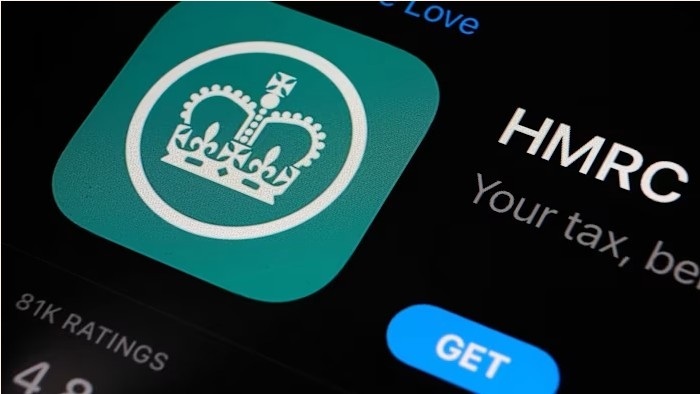
The most efficient way to claim your refund is through the HMRC app or your Personal Tax Account on the GOV.UK website. HMRC has made significant strides in digitizing their services, and these platforms are now the preferred method for both the tax office and taxpayers. Once logged in using your Government Gateway ID, you can view a detailed breakdown of your tax history for the past several years, including any available rebates.If a refund is due, the app or website will often present a clear "Claim Now" button. You will be asked to provide your bank account details—specifically your sort code and account number—to facilitate a direct BACS transfer. This method is highly secure and significantly faster than traditional methods, with funds typically arriving in your account within five working days. This digital approach also allows you to track the progress of your claim in real-time, providing much-needed peace of mind. For those who prefer not to use the app, the Personal Tax Account offers identical functionality through a standard web browser, ensuring that all taxpayers have access to their records. This method is significantly faster than waiting for a cheque, which can take up to six weeks to process, print, and deliver via the postal service. Furthermore, a digital transfer eliminates the risk of a cheque being lost in the mail or becoming void if not cashed within the standard six-month window.
Claiming In-Year vs. After the Tax Year Ends
While most claims happen after the tax year concludes, there are circumstances where you can claim in-year. If you have stopped working and do not intend to return to work for at least four weeks, or if you are leaving the UK permanently, you can use form P50 to claim a refund before the following April. For those still in employment, most discrepancies are resolved through a change in tax code, which adjusts your future pay rather than providing a lump-sum refund.Essential Documentation for a Successful Claim
A successful PAYE refund claim depends heavily on the accuracy and completeness of your financial documentation. HMRC requires specific evidence to verify your income, the tax you have already paid, and any deductions or expenses you are claiming. Keeping a well-organized file of your employment records is not just good practice; it is essential for recovering your overpaid tax.The most critical document you will need is your P60 (End of Year Certificate). This document is issued by your employer at the end of each tax year (after April 5th) and summarizes your total pay and the tax deducted during that period. If you have left a job during the tax year, your P45 is equally important. It details your pay and tax up to your leaving date and is used by your new employer to ensure you are taxed correctly from the start.
Beyond these primary documents, you should also retain:
- Payslips: Monthly or weekly payslips provide a granular view of your tax deductions and any changes in your tax code throughout the year.
- Records of Work Expenses: If you are claiming tax relief for work-related costs, you must keep receipts, logs of business mileage, and proof of professional membership fees.
- Bank Statements: In some cases, HMRC may request bank statements to verify interest earned or other sources of untaxed income.
Avoiding Common Pitfalls and Tax Refund Scams
The prospect of receiving a tax refund is undoubtedly exciting, but it also attracts unscrupulous individuals looking to exploit unsuspecting taxpayers. As the deadline for PAYE refunds approaches, there is often a surge in tax refund scams. These scams typically involve fraudulent emails, text messages, or phone calls claiming to be from "HMRC" and informing you of a pending rebate.It is crucial to remember that HMRC will never notify you of a tax refund via email or text message. Official notifications are almost always sent by post in the form of a P800 tax calculation or through your secure Personal Tax Account. If you receive a message asking for your bank details or inviting you to click a link to "claim your refund," it is a scam. Do not click on any links or provide personal information. Instead, report the message to HMRC and delete it immediately.
Another common pitfall is using unauthorized tax refund companies. While some legitimate firms can help you with complex claims, many charge exorbitant fees—sometimes up to 40% of your refund—for a service you can easily perform yourself for free. These companies often use aggressive marketing tactics and may even ask for your government gateway login details, which you should never share. By claiming directly through the official HMRC channels, you ensure that you receive 100% of the money you are owed.
Conclusion
In conclusion, the Pay As You Earn (PAYE) system, while efficient, is far from perfect. The complexities of modern employment—characterized by frequent job changes, multiple income streams, and varying work patterns—create numerous opportunities for tax overpayments. For many UK taxpayers, a significant refund is not just a possibility; it is a legal entitlement that remains unclaimed.The urgency of the situation is clear: the four-year window for claiming refunds is constantly moving, and the opportunity to recover money from older tax years is rapidly disappearing. By taking a proactive approach—regularly reviewing your tax codes, keeping meticulous records, and utilizing the digital tools provided by HMRC—you can ensure that you are not paying more than your fair share of tax.
Homeownership, retirement planning, and day-to-day financial stability all benefit from a well-managed tax position. Whether you are a long-term employee, a recent graduate, or a pensioner, the steps outlined in this guide provide a clear roadmap to securing your hard-earned money. Do not wait for a letter that may never arrive; take control of your tax affairs today and claim what is rightfully yours before the window closes for good.
Frequently Asked Questions (FAQ)
Q1: How long does it take to receive a PAYE refund?
If you claim online via the HMRC app or Personal Tax Account, you can expect to receive your refund via BACS transfer within five working days. If you request a cheque or if HMRC sends one automatically, it can take up to six weeks for the cheque to arrive and be processed.Q2: Can I claim a refund if I have already left the UK?
Yes. If you have worked in the UK and paid tax via PAYE but have since moved abroad, you may still be entitled to a refund, especially if you left partway through a tax year. You will need to complete form P85 (Leaving the UK) to initiate the claim.Q3: What happens if I miss the four-year deadline?
Unfortunately, if you miss the statutory four-year deadline, you generally lose the right to claim a refund for that specific tax year. HMRC is very strict about these limits, although they may consider late claims in exceptional circumstances, such as a serious illness that prevented you from acting sooner.Q4: Do I have to pay tax on my tax refund?
No. A tax refund is a return of money you have already paid and is not considered new income. Therefore, the refund itself is not taxable. However, any interest paid by HMRC on a late refund (known as "repayment supplement") may be taxable.Q5: Is it worth claiming a small refund?
Absolutely. While HMRC may not automatically issue refunds of less than £10, these amounts still belong to you. Furthermore, checking for a small refund often leads to the discovery of larger discrepancies in other tax years or unclaimed expenses that you were previously unaware of.External References and Resources
For further information and to initiate your claim, please refer to the following official and trusted resources:
GOV.UK - Claim a Tax Refund: The primary portal for all UK tax refund claims. https://www.gov.uk/claim-tax-refund, HMRC Personal Tax Account: Access your tax records, check your tax code, and claim rebates online. https://www.gov.uk/personal-tax-account, Low Incomes Tax Reform Group (LITRG): Provides excellent, independent guidance on tax issues for those on low incomes. https://www.litrg.org.uk/, MoneyHelper (formerly Money Advice Service): Offers free, impartial advice on managing your money and understanding tax. https://www.moneyhelper.org.uk/, Citizens Advice: Provides comprehensive information on tax rights and how to deal with HMRC. https://www.citizensadvice.org.uk/
0 Comments
Be the first to share your thoughts on this article.